
 Save to Pinterest
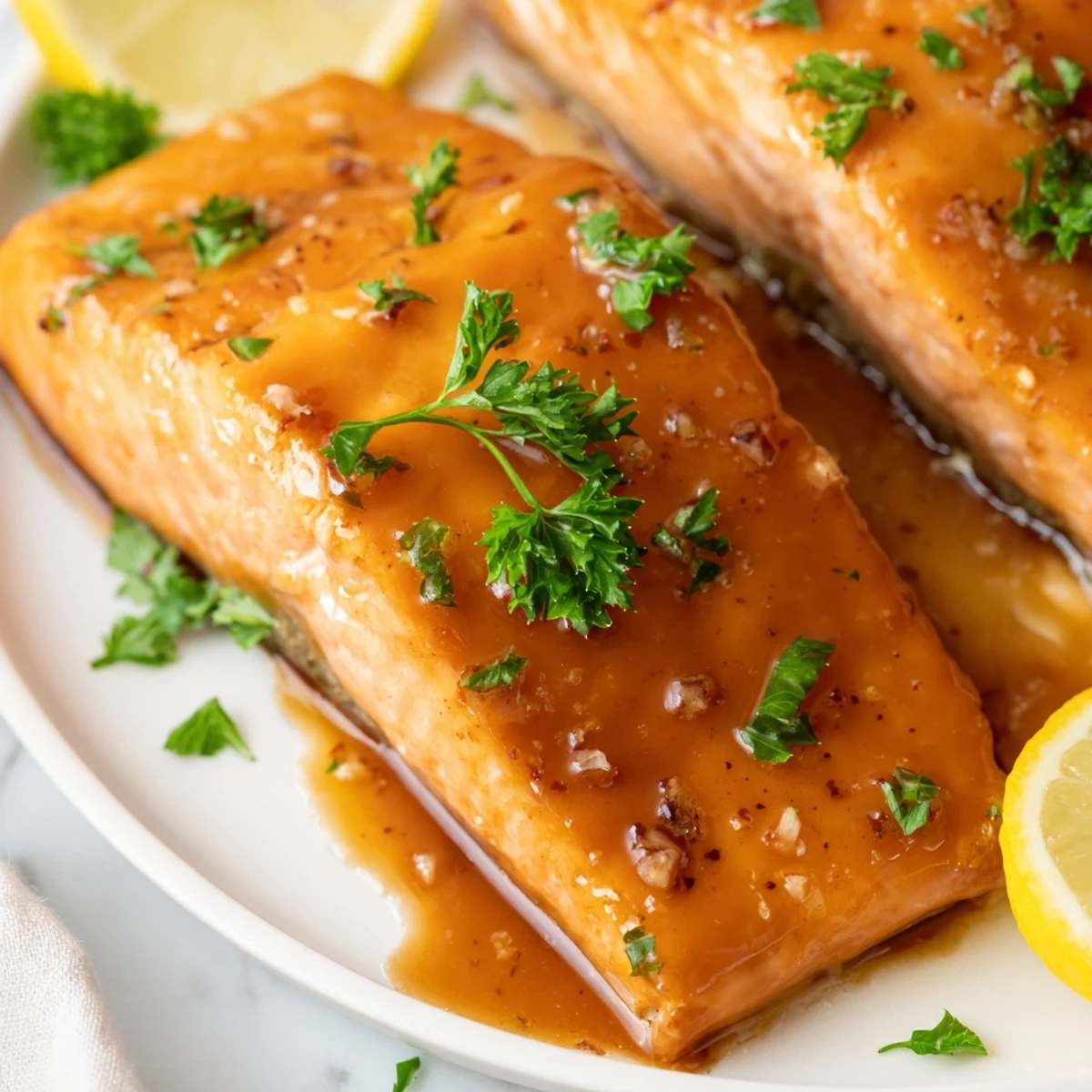
 This dish features tender salmon fillets carefully baked to flaky perfection, then brushed with a luscious glaze made from pure maple syrup, soy sauce, Dijon mustard, lemon juice, and garlic. The glaze imparts a sweet and savory harmony that enhances the natural flavors of the salmon. Baking at 400°F allows for a juicy interior while producing a delicate finish. Garnished with fresh herbs and lemon wedges, it’s a simple yet elegant option for any meal. Perfect with sides like roasted vegetables or rice.
My neighbor brought over a bottle of maple syrup from her family's Vermont farm, and I suddenly wanted to do something worthy of it. Salmon seemed like the obvious choice that evening, and when I glazed those fillets with that amber liquid mixed with soy sauce and mustard, the kitchen filled with this umami sweetness that made me stop and just breathe it in. It turned out to be one of those happy accidents where everything clicked, and now I make this whenever I want to feel like I'm cooking something restaurant-worthy without the fuss.
I made this for my sister's birthday dinner on a snowy March afternoon, and she kept asking what restaurant I'd ordered from. Watching her face when I admitted I'd made it in our small kitchen was worth every second of prep work, even though there barely was any.
Ingredients
- Salmon fillets (6 oz each, 4 pieces): Look for fillets that are firm and smell like the ocean, not fishy. The skin keeps everything moist, but you can use skinless if that's your preference.
- Pure maple syrup (1/4 cup): Real maple syrup is non-negotiable here. The fake stuff tastes hollow and won't caramelize right.
- Low-sodium soy sauce or tamari (2 tbsp): This is what gives the glaze its savory depth. Tamari is your friend if you need gluten-free.
- Dijon mustard (1 tbsp): It adds a subtle tang and helps the glaze cling to the fish without making it sharp.
- Fresh lemon juice (1 tbsp): Use fresh lemon, not the bottled stuff. The brightness matters.
- Garlic (2 cloves, minced): Don't skip this. Minced fine, it dissolves into the glaze and becomes part of the magic.
- Black pepper (1/2 tsp): Freshly ground makes a real difference in how the flavors come through.
- Fresh parsley or chives (1 tbsp, optional): Just a sprinkle at the end brightens everything up and makes it look intentional.
- Lemon wedges (for serving): A squeeze at the table is the finishing touch.
Instructions
- Get Your Oven Ready:
- Heat your oven to 400°F and line a baking sheet with parchment paper. This prevents sticking and makes cleanup easy, which is almost as important as the cooking part.
- Make the Magic Glaze:
- Whisk together the maple syrup, soy sauce, mustard, lemon juice, minced garlic, and pepper in a small bowl until everything's combined. Take a taste and let it sit for a moment—that's when you'll notice how the flavors are already talking to each other.
- Set Up Your Salmon:
- Place the fillets skin side down on your prepared baking sheet, spacing them so they're not crowded. This lets the heat circulate and cook them evenly.
- Glaze Time:
- Brush that glossy glaze all over each fillet with a pastry brush, saving a little for later. Watch how it pools and clings—that's what's going to give you that beautiful caramelized finish.
- Bake with Intention:
- Pop everything into the oven for 12 to 15 minutes, then halfway through, brush on the remaining glaze. The salmon's done when you can flake it gently with a fork and it's just opaque inside.
- Rest and Finish:
- Let it sit out of the oven for 2 minutes—this keeps it moist. Scatter on some fresh herbs, squeeze a lemon wedge over top, and serve it while it's still warm.
 Save to Pinterest
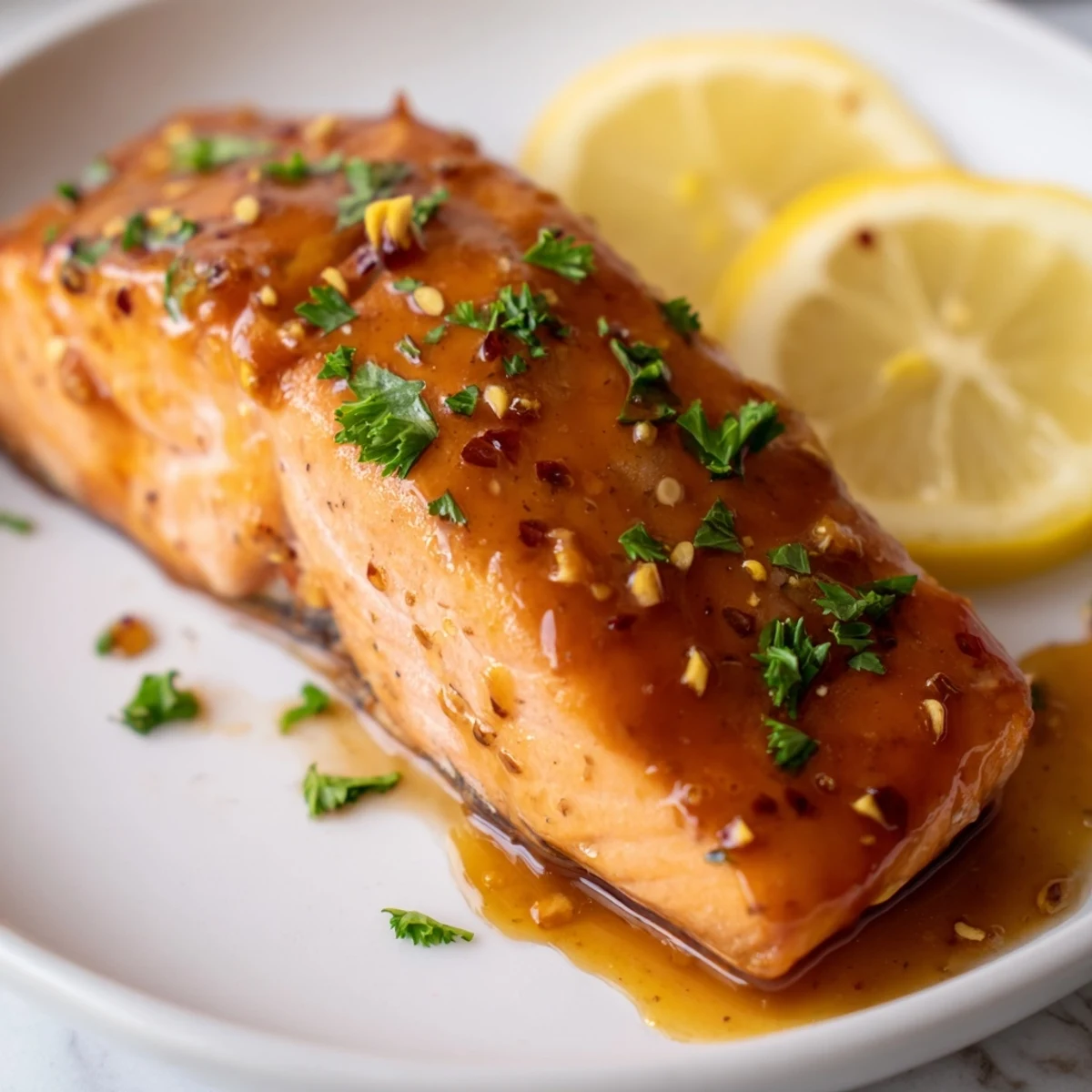
 There's something about the smell of maple and soy mixing with salmon in the oven that makes everyone come into the kitchen asking what's for dinner. That's when you know you've made something special.
Why This Glaze Works
Maple syrup is sweet, but it needs backup. The soy sauce brings saltiness and umami depth, the mustard adds a subtle sharpness that keeps it interesting, and the lemon juice brightens the whole thing so it doesn't feel heavy. Garlic ties it all together and makes the glaze taste more developed than its simple ingredient list suggests.
Serving Ideas That Actually Work
I've served this over rice, with roasted broccoli on the side, and it's always a win. Sometimes I make a quick arugula salad with a lemon vinaigrette and let the salmon be the star. Even just roasted vegetables and some crusty bread to soak up any glaze is perfect.
Make It Your Own
This recipe is a foundation, not a rulebook. If you like heat, add crushed red pepper flakes to the glaze. If you're out of maple syrup, honey works but taste as you go since it's sweeter. Some people swap the Dijon for whole-grain mustard for a different texture.
- A pinch of ginger or a dash of sesame oil can push this into different flavor territory if you're feeling adventurous.
- Don't skip the resting period—those 2 minutes make an actual difference in how moist the salmon stays.
- Leftover salmon (if there is any) is incredible cold the next day with a salad.
 Save to Pinterest
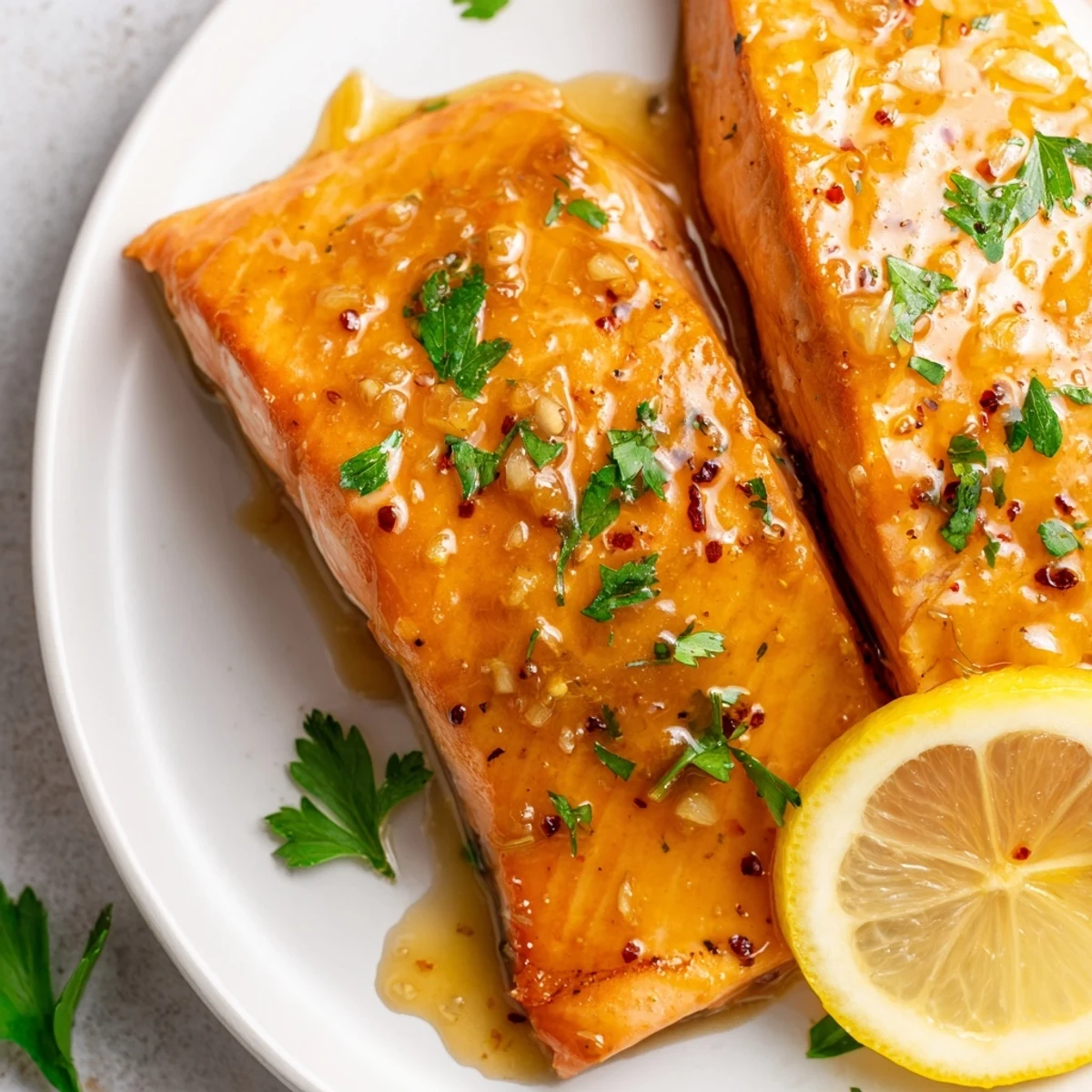
 This recipe proves that the best dishes don't need to be complicated. You're just letting good ingredients and a smart combination of flavors do what they do best.
Recipe FAQs
- → What type of salmon is best for baking?
-
Skin-on or skinless salmon fillets work well. Skin-on helps keep the fillet moist and adds flavor while baking.
- → Can I substitute maple syrup in the glaze?
-
Yes, honey can be used as a substitute for a different sweetness profile.
- → How do I know when salmon is cooked properly?
-
Salmon flakes easily with a fork when done and is opaque throughout. Baking about 12–15 minutes at 400°F generally ensures tender doneness.
- → Is it possible to add spice to the glaze?
-
To add a spicy kick, include crushed red pepper flakes into the glaze mixture before baking.
- → What are good side dishes to serve with this salmon?
-
Roasted vegetables, steamed rice, or a fresh green salad pair wonderfully with the sweet and savory glazed salmon.