
 Save to Pinterest
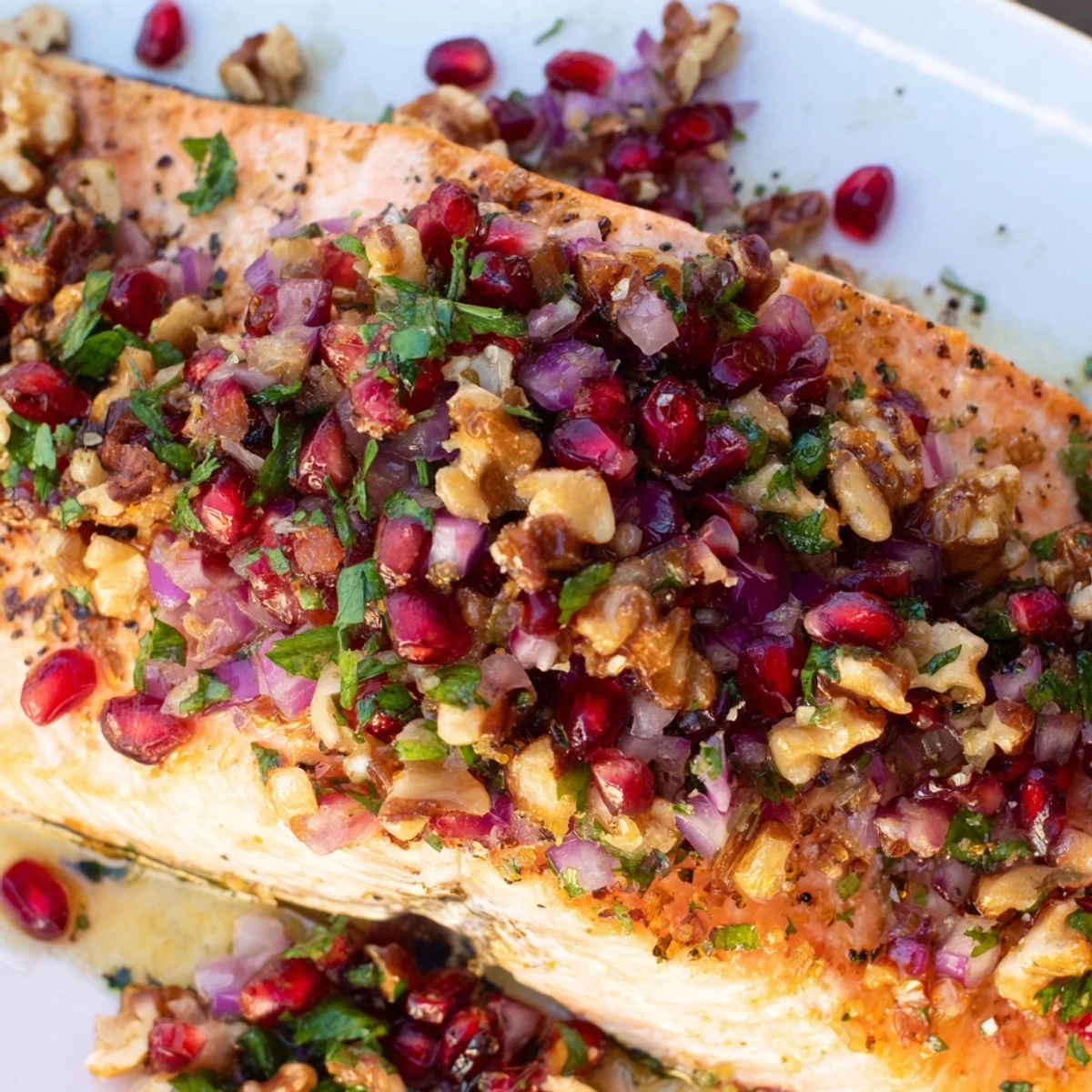
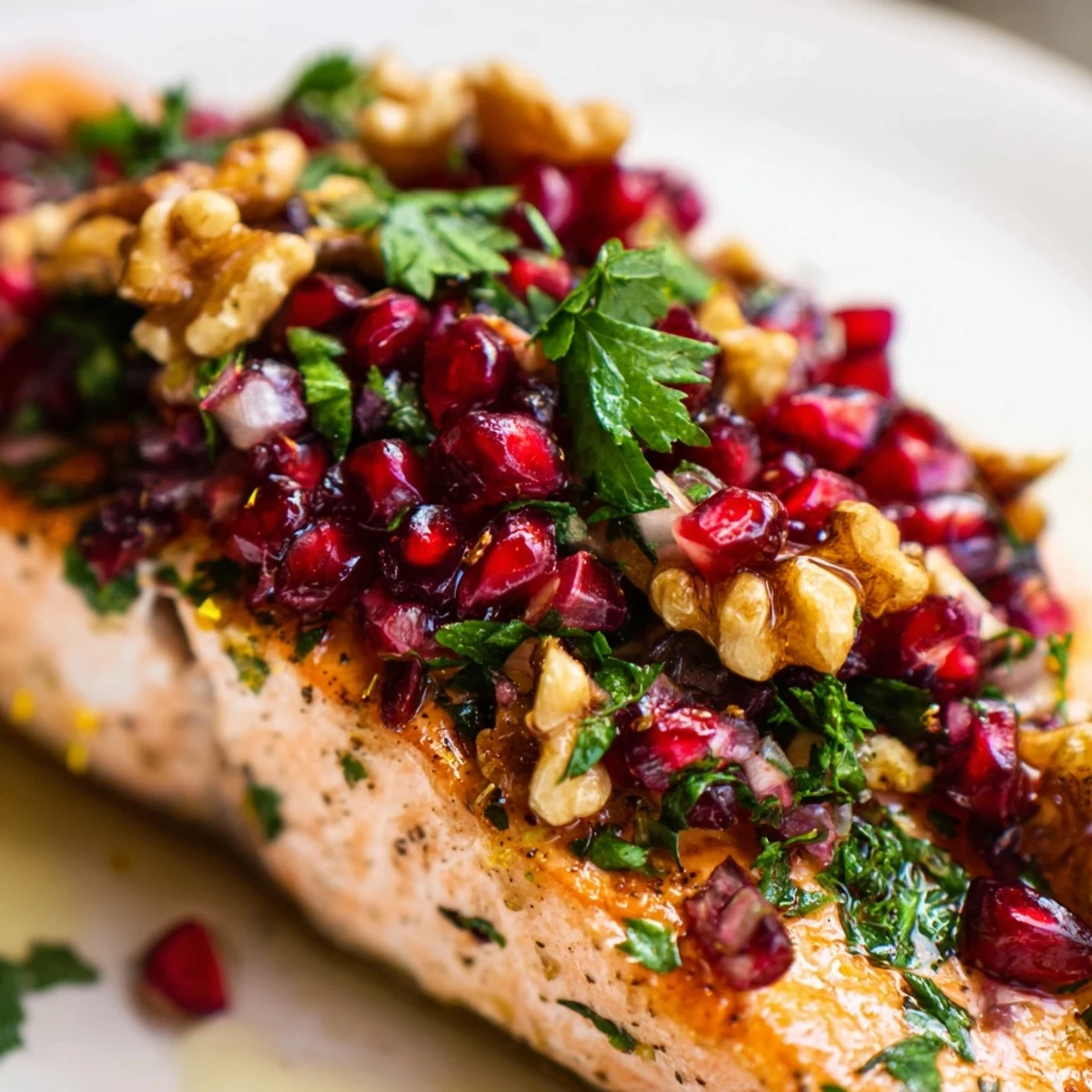
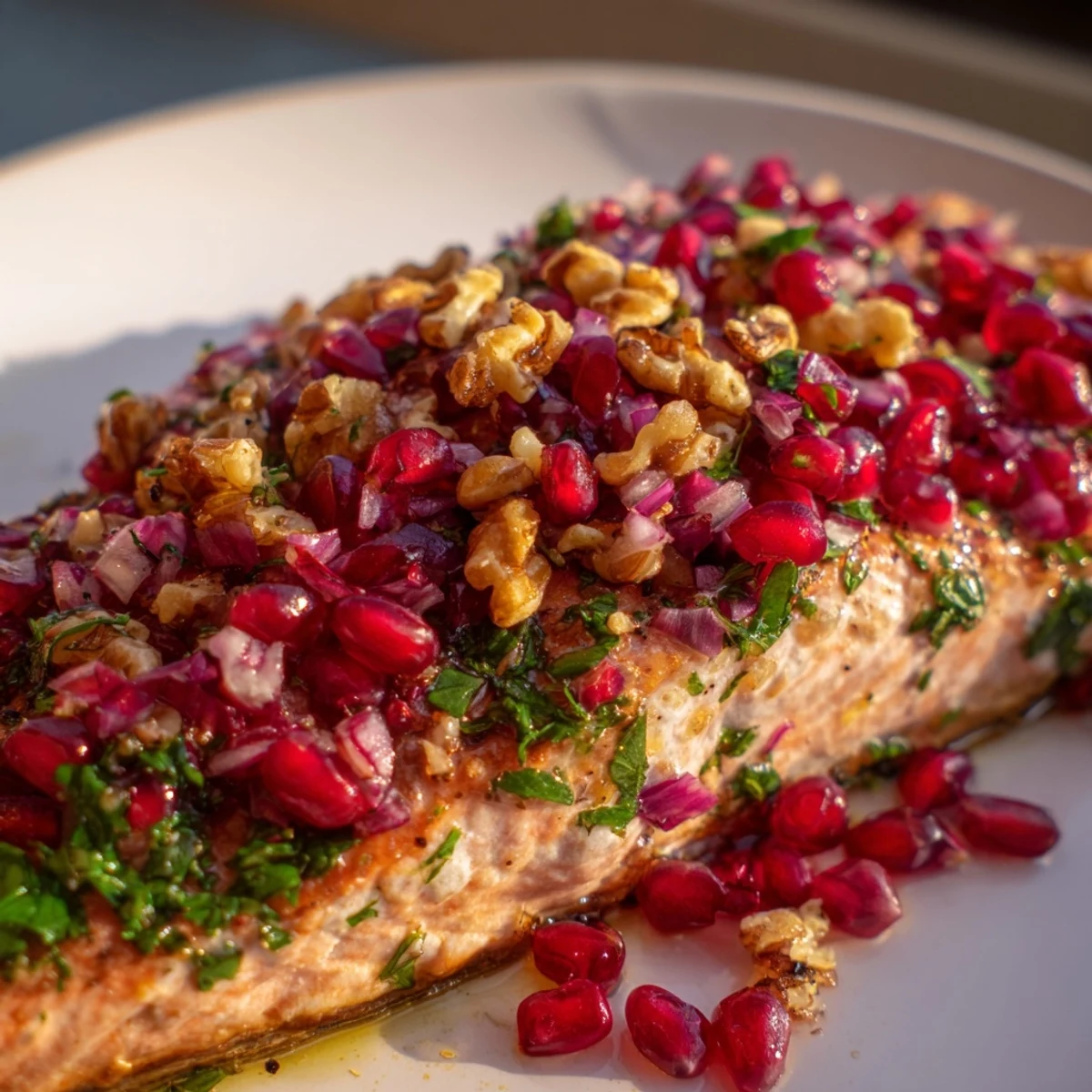
 This baked salmon features tender, flaky fillets gently seasoned and topped with a vibrant pomegranate walnut salsa. The salsa combines sweet pomegranate arils, crunchy toasted walnuts, tangy lemon juice, and fresh herbs for a balanced flavor and texture. With a quick 35-minute prep and cook time, it's an easy Mediterranean-inspired main that suits gluten-free, dairy-free, and pescatarian diets. Ideal for a light yet elegant meal, this dish pairs well with grains or greens and bright wines.
There's something about the sizzle of salmon hitting a hot baking sheet that makes me feel instantly capable in the kitchen, even on nights when I'm barely awake. The first time I made this dish, I was trying to impress someone who actually knew how to cook, and I panicked halfway through—until I realized the pomegranate seeds were doing all the heavy lifting, their tartness cutting through the richness like they were meant to be there. Now it's become my go-to when I need something that looks restaurant-worthy but won't keep me in the kitchen for hours.
I made this for my sister one autumn when she was going through a phase of trying to eat better, and I remember her eyes lighting up when she tasted it—not because it was virtuous, but because it actually tasted incredible. The crunch of the walnuts mixed with those little bursts of pomegranate juice against the soft, buttery salmon felt indulgent even though it was technically the opposite. She asked for the recipe before she'd finished eating, which is always the highest compliment.
Ingredients
- Salmon fillets (4 pieces, about 6 oz each): Use skin-on if you like it crispy, or skinless if you prefer a cleaner presentation; either way, pat them completely dry before seasoning so the oil and lemon zest actually stick.
- Olive oil (3 tbsp total): A good quality one makes a noticeable difference here since it's one of the main flavors.
- Lemon (1, zested and juiced): The zest gives brightness to the salmon itself, while the juice goes into both the fish and the salsa for layered tartness.
- Salt and black pepper (1/2 tsp + 1/4 tsp, plus more for salsa): Don't skip the salt on the salmon before it goes in the oven—it helps it cook evenly.
- Smoked paprika (1/2 tsp, optional): This is my secret move for adding depth without making it taste like anything other than really good salmon.
- Pomegranate arils (1 cup): These are the jewels of the dish; buy them already seeded if you want to save yourself from that particular kitchen mess.
- Walnuts (1/2 cup, toasted and chopped): Toasting them yourself changes everything—it wakes up their flavor and makes them taste nutty instead of just... present.
- Fresh parsley (1/4 cup, finely chopped): The green brings freshness and color, so don't leave it out or skip it for dried.
- Red onion (2 tbsp, finely diced): The sharp bite of raw red onion is exactly what keeps this salsa from being too sweet.
- Honey or maple syrup (1 tsp): Just a tiny bit to balance the pomegranate's tartness without making it taste dessert-like.
Instructions
- Get your oven ready and set up:
- Preheat to 200°C (400°F) and line your baking sheet with parchment paper so cleanup is effortless. There's nothing worse than salmon stuck to a pan.
- Prepare the salmon for seasoning:
- Pat each fillet completely dry with paper towels—this is the single most important step for getting a nicely cooked exterior. Lay them on the prepared sheet with a little space between each one.
- Make your lemon-oil mixture:
- In a small bowl, whisk together the olive oil, lemon zest, lemon juice, salt, pepper, and smoked paprika until it looks almost emulsified. Brush this generously over the top and sides of each salmon fillet, making sure the zest is evenly distributed.
- Bake until just cooked through:
- Slide into the oven for 15-18 minutes; the salmon is done when it flakes easily with a fork and the center is still barely translucent if you peek. Don't overcook it—overcooked salmon tastes like rubber, and you're better than that.
- Assemble the pomegranate walnut salsa:
- While the salmon is baking, combine the pomegranate arils, toasted walnuts, parsley, red onion, olive oil, lemon juice, honey, salt, and pepper in a medium bowl and toss gently so the pomegranate seeds don't burst everywhere. Taste it and adjust the lemon or honey if needed—this salsa is really about what you like.
- Finish and serve:
- Remove the salmon from the oven and let it rest for 2 minutes so it firms up slightly. Place each fillet on a plate and spoon the salsa generously over the top, making sure everyone gets their share of the good stuff.
 Save to Pinterest
 What I love most about this dish is how it somehow feels both fancy and fuss-free at the same time, which is exactly the kind of cooking that's made it a regular at my table. The pomegranate doesn't just taste good—it makes people pause and really pay attention to what they're eating.
The Magic of Pomegranate in Savory Cooking
Pomegranate is one of those fruits that most people think belongs in desserts, but it's absolutely stunning with fish because the tartness wakes up your palate in a way that feels almost effervescent. I learned this by accident when I had leftover pomegranate from making juice and decided to throw it on top of some roasted salmon, and suddenly I understood why every Mediterranean kitchen keeps them on hand. The seeds burst with juice when you bite them, releasing flavor in little pockets throughout the dish instead of all at once.
Toasting Nuts Changes the Game
Raw walnuts taste a little like leather compared to toasted ones—I'm not exaggerating. When you toast them in a dry pan over medium heat for just 3-4 minutes, stirring occasionally, something chemical happens and they taste like actual walnuts instead of just being a texture element. The smell alone is worth it, and it's one of those tiny 5-minute moves that nobody notices but absolutely everyone tastes.
Serving Suggestions and Pairings
This salmon stands on its own, but a side of quinoa or a simple green salad keeps the meal feeling balanced and light, while still being substantial enough for dinner. I've also served it with roasted root vegetables when I wanted something earthier, and the pomegranate still brings the brightness you need to keep the whole plate from feeling heavy. A crisp Sauvignon Blanc or dry Rosé pairs beautifully if you're in a wine kind of mood.
- Make the salsa up to an hour ahead, but don't combine it with the pomegranate until the last minute to keep those seeds from getting crushed.
- If pomegranate isn't available, pomegranate molasses mixed with a little fresh citrus gives you a similar tang, though the texture will be different.
- This recipe scales perfectly—just use the same seasonings and timing for however many salmon fillets you're cooking.
 Save to Pinterest
 This is the kind of meal that reminds you why cooking at home is worth it, even on busy nights. It's elegant without being pretentious, and it tastes like you actually care, because you did.