
 Save to Pinterest
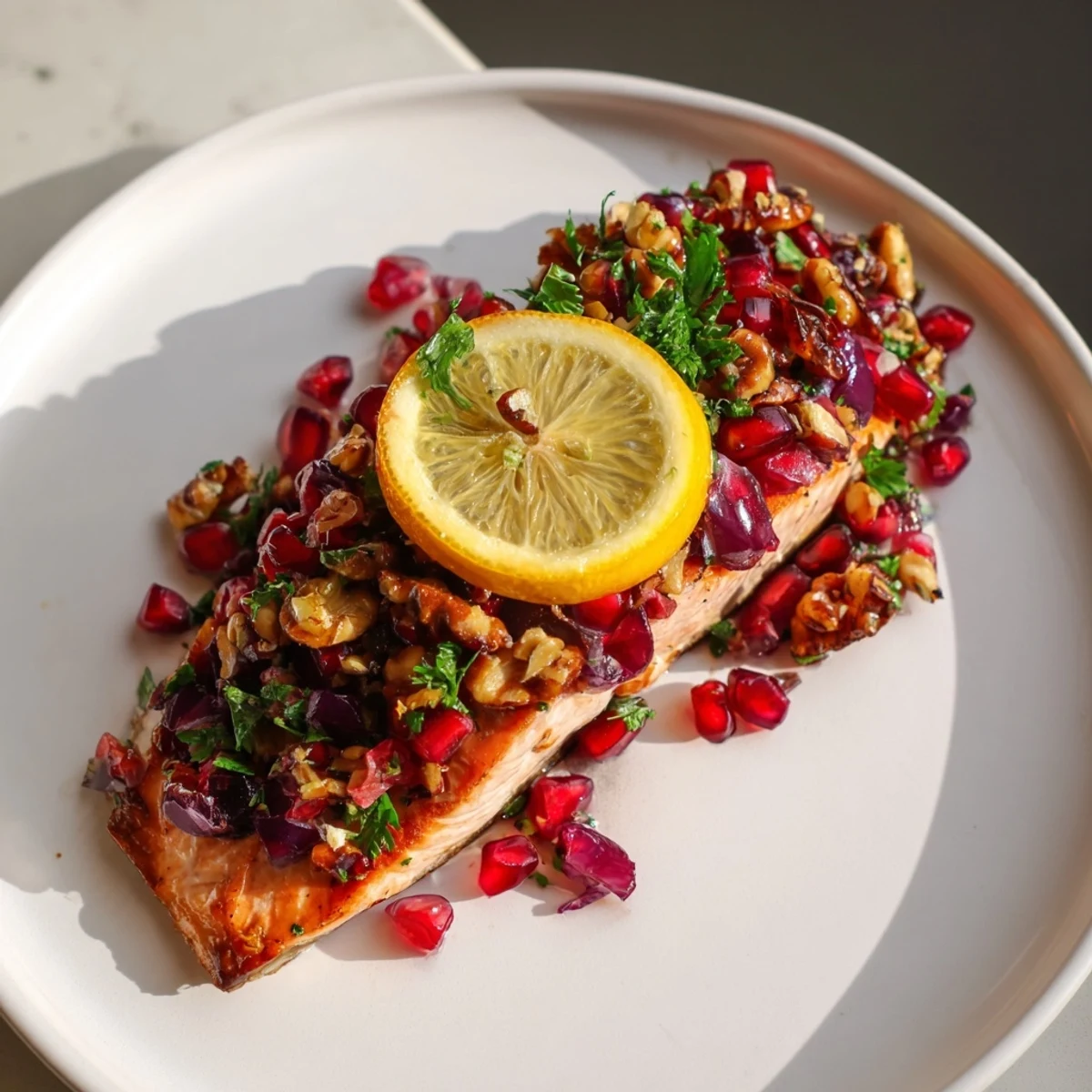
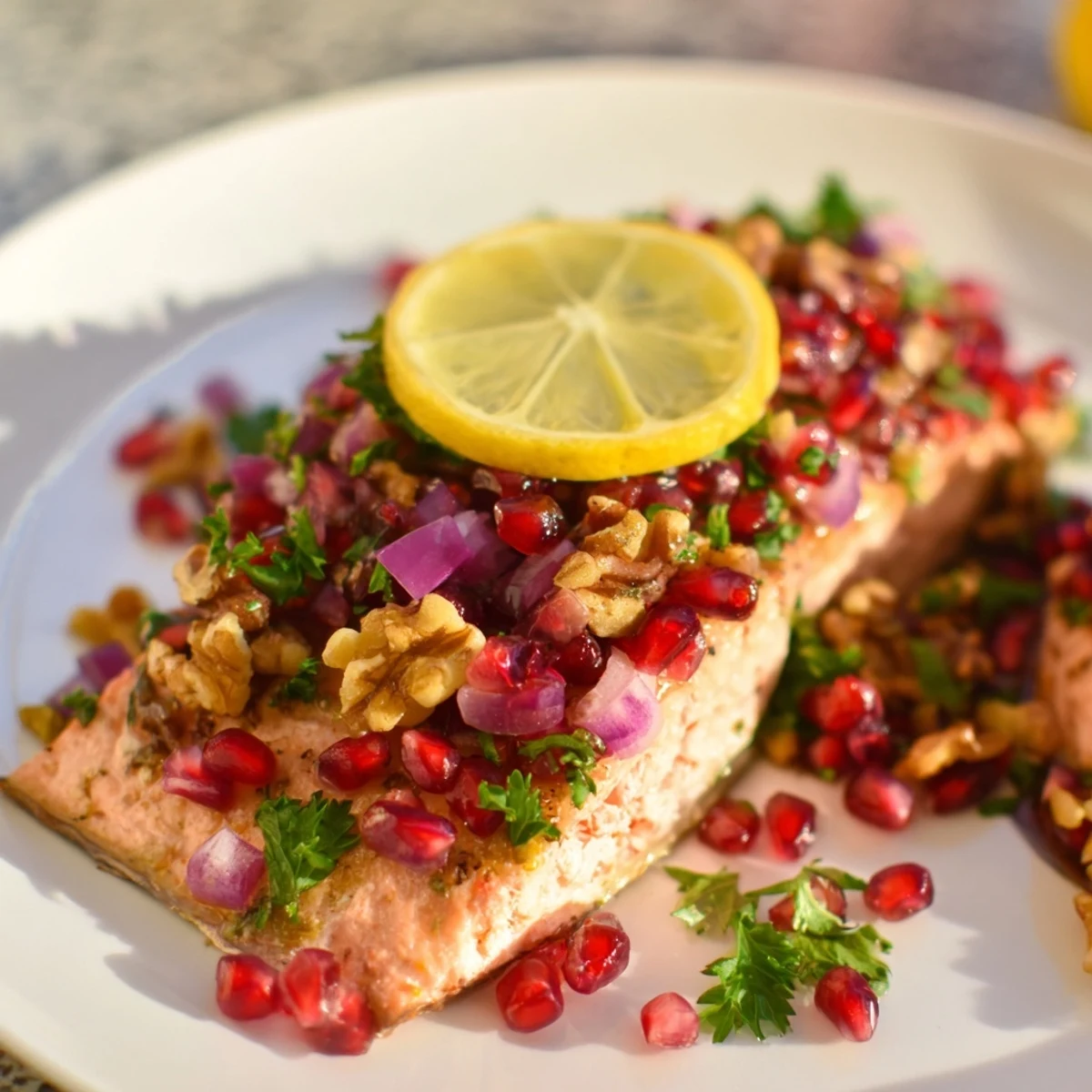
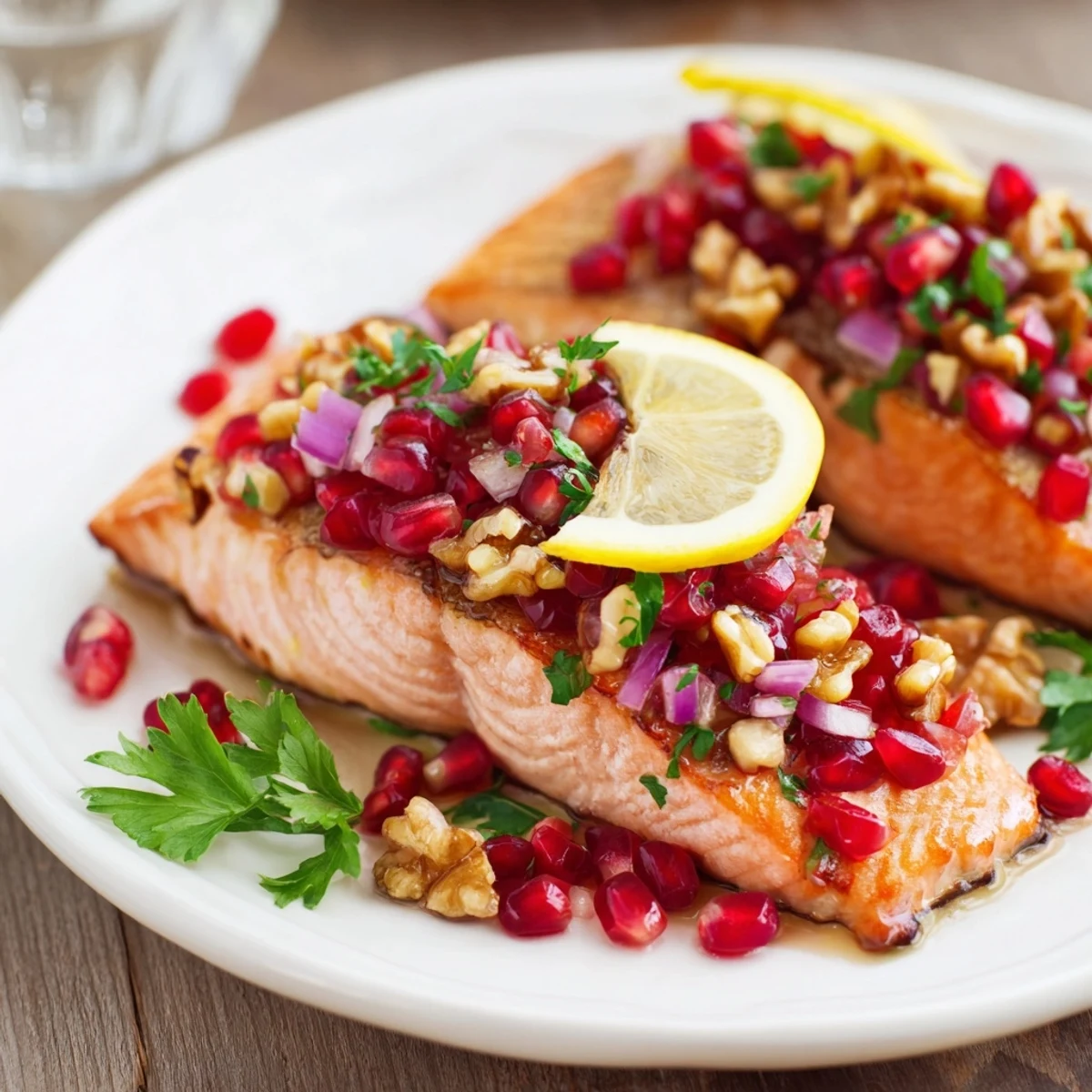
 This dish features tender salmon fillets baked to flaky perfection and crowned with a bright salsa made of tart pomegranate seeds, crunchy walnuts, fresh parsley, and a hint of lemon. The combination of flavors balances rich, savory fish with vibrant, refreshing toppings. Preparation and cooking time is quick, making it ideal for a healthy Mediterranean-inspired main course. Simple steps and accessible ingredients come together for a satisfying, elegant meal suited for pescatarian and gluten-free diets.
I was rushing through the grocery store on a cold Wednesday when I spotted pomegranates piled high near the citrus bins. Something about their jeweled seeds sparked an idea, and I grabbed one along with salmon fillets I hadn't planned to buy. That improvised dinner turned into one of my most requested dishes.
The first time I made this for my sister, she scraped every last pomegranate seed off her plate and asked if I'd bottled sunshine. We were sitting at my tiny kitchen table with mismatched napkins, but the colors alone made it feel fancy. She still texts me photos whenever she makes it herself.
Ingredients
- Skinless salmon fillets (4, 6 oz each): Look for bright, firm flesh without any fishy smell, and pat them completely dry before seasoning so the oil clings properly.
- Olive oil (2 tbsp): A fruity variety works beautifully here, helping the salmon stay moist and golden at the edges.
- Sea salt (1 tsp plus ¼ tsp): Flaky salt makes a difference in both flavor and texture, especially when sprinkled just before baking.
- Freshly ground black pepper (½ tsp plus ⅛ tsp): Crack it fresh for a warm, lively bite that balances the sweetness of the salsa.
- Lemon (1 whole, sliced): Thin slices laid over the salmon infuse it with brightness as it bakes and look gorgeous on the plate.
- Pomegranate seeds (¾ cup): These little bursts of juice are the heart of the salsa, rolling the seeds out underwater makes separating them effortless.
- Walnuts (½ cup, roughly chopped): Toast them lightly in a dry pan if you have an extra minute, the nutty depth it adds is worth it.
- Fresh flat leaf parsley (¼ cup, finely chopped): The soft herbal note ties everything together without overpowering the fruit.
- Red onion (2 tbsp, finely diced): A quick soak in cold water for five minutes tames the sharpness and leaves just a gentle zing.
- Extra virgin olive oil (2 tbsp): This coats the salsa ingredients and carries all the flavors into every bite.
- Lemon juice (1 tbsp, freshly squeezed): Fresh is essential here, bottled juice lacks the bright acidity that wakes up the pomegranate.
- Pomegranate molasses (1 tsp, optional): A sticky, tangy drizzle that deepens the fruity notes, but the salsa is still stunning without it.
Instructions
- Preheat and Prepare:
- Set your oven to 400°F and line a baking sheet with parchment to keep cleanup simple. If you skip the parchment, a light brush of oil on the pan works just as well.
- Season the Salmon:
- Lay your fillets on the sheet, drizzle with olive oil, and season with salt and pepper, pressing gently so it sticks. Tuck a lemon slice on top of each piece, they'll release their perfume as the fish bakes.
- Bake Until Flaky:
- Slide the pan into the oven and bake for 12 to 15 minutes, watching for the moment the flesh turns opaque and flakes with a gentle nudge of your fork. Thicker fillets may need an extra minute or two.
- Build the Salsa:
- While the salmon cooks, toss pomegranate seeds, walnuts, parsley, red onion, olive oil, lemon juice, molasses if using, salt, and pepper in a bowl. Stir gently so the seeds stay whole and glossy.
- Rest and Serve:
- Let the salmon rest for two minutes after it comes out, then spoon the salsa generously over each fillet. The contrast of warm fish and cool, crunchy topping is magic.
 Save to Pinterest
 One evening I served this to a friend who claimed she hated fish. She finished her plate in silence, then asked for the recipe on a napkin. Watching her surprise reminded me that sometimes a single bright flavor can change someone's mind completely.
Storing and Serving
Leftover salmon keeps in the fridge for up to two days, though the salsa is best made fresh each time. I like to flake cold salmon over greens the next day and top it with a new batch of the jeweled salsa for a quick, no heat lunch.
Substitutions and Swaps
If walnuts aren't your favorite, pecans add a buttery sweetness and pistachios bring a subtle green color that's just as pretty. You can also swap the salmon for arctic char or even thick white fish like halibut, just adjust the baking time based on thickness.
Make It Your Own
This dish loves a little improvisation, and I've tossed in fresh mint or cilantro when parsley wasn't around. A pinch of red pepper flakes in the salsa adds a gentle warmth, and a drizzle of honey can soften the tartness if pomegranates are especially sharp.
- Try serving it over a bed of arugula or spinach for a one plate meal.
- Double the salsa and save half to spoon over roasted chicken or grilled vegetables the next night.
- A splash of white wine in the pan before baking infuses the salmon with a delicate, floral note.
 Save to Pinterest
 This recipe has become my answer to busy weeknights and last minute dinner guests alike. I hope it brings as much color and ease to your table as it has to mine.
Recipe FAQs
- → What is the best way to bake salmon for this dish?
-
Preheat the oven to 400°F (200°C), place seasoned skinless salmon fillets on a baking sheet, and bake for 12–15 minutes until flaky and just cooked through.
- → Can I prepare the pomegranate walnut salsa ahead of time?
-
Yes, the salsa can be made up to 2 hours in advance and stored covered in the refrigerator to enhance flavors.
- → Are there any suitable nut substitutions for the walnuts?
-
Pecans or pistachios can be used instead of walnuts to add a different crunch and flavor profile to the salsa.
- → How can I add extra flavor to the salmon before baking?
-
Marinating the salmon in lemon juice and olive oil for 15 minutes before baking boosts freshness and adds depth.
- → What wines pair well with baked salmon and pomegranate walnut salsa?
-
A crisp Sauvignon Blanc or a light Pinot Noir complements the vibrant flavors and richness of the dish.