
 Save to Pinterest
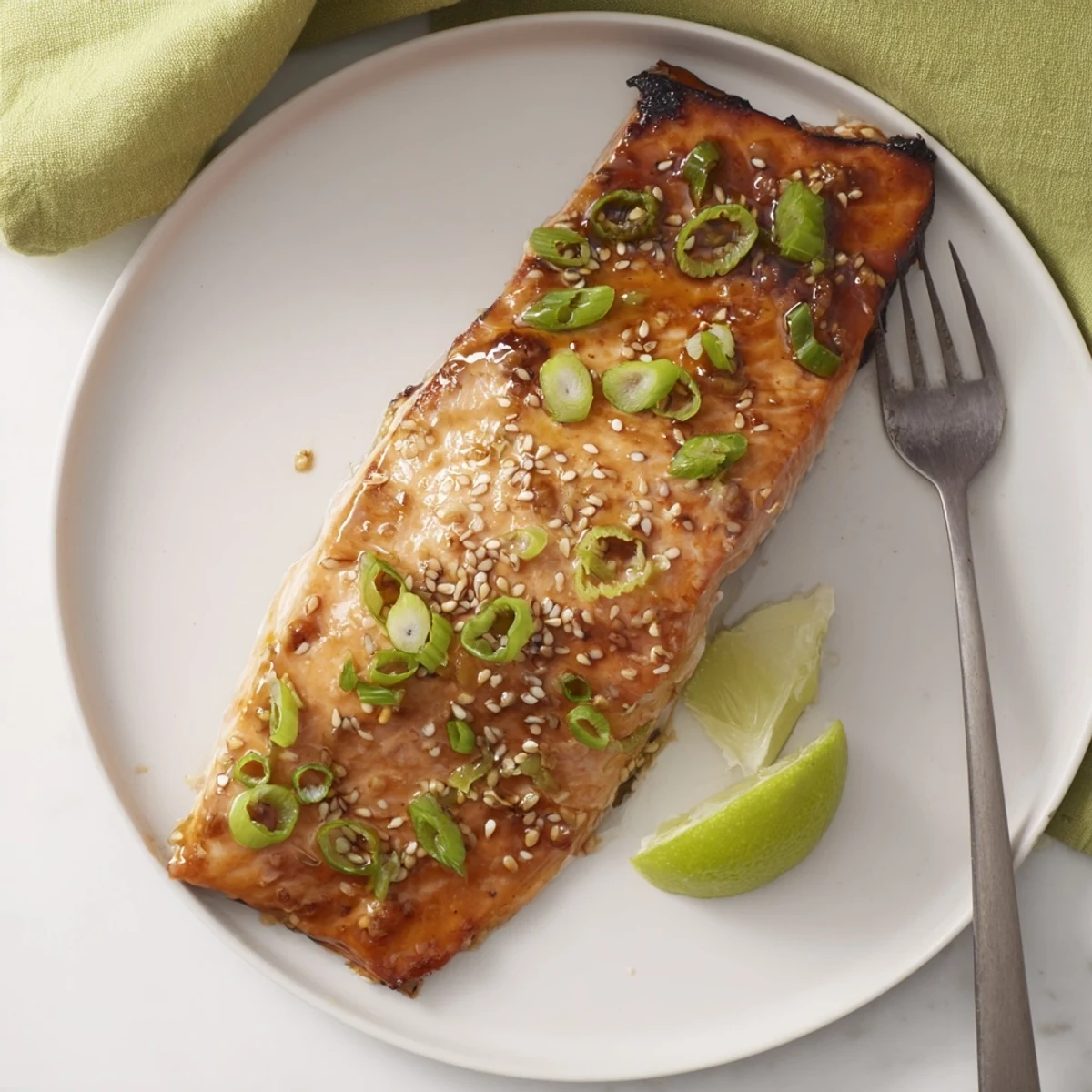
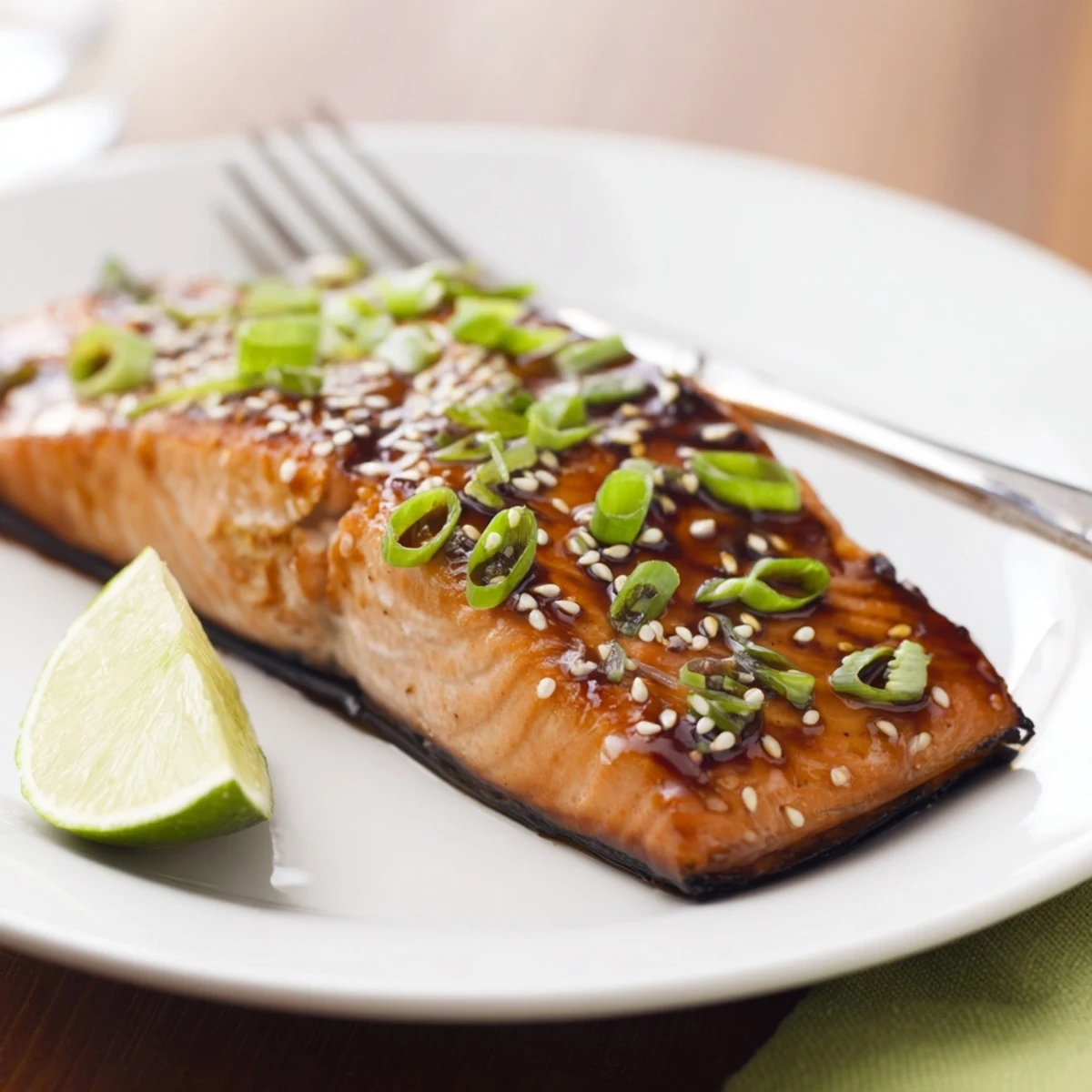
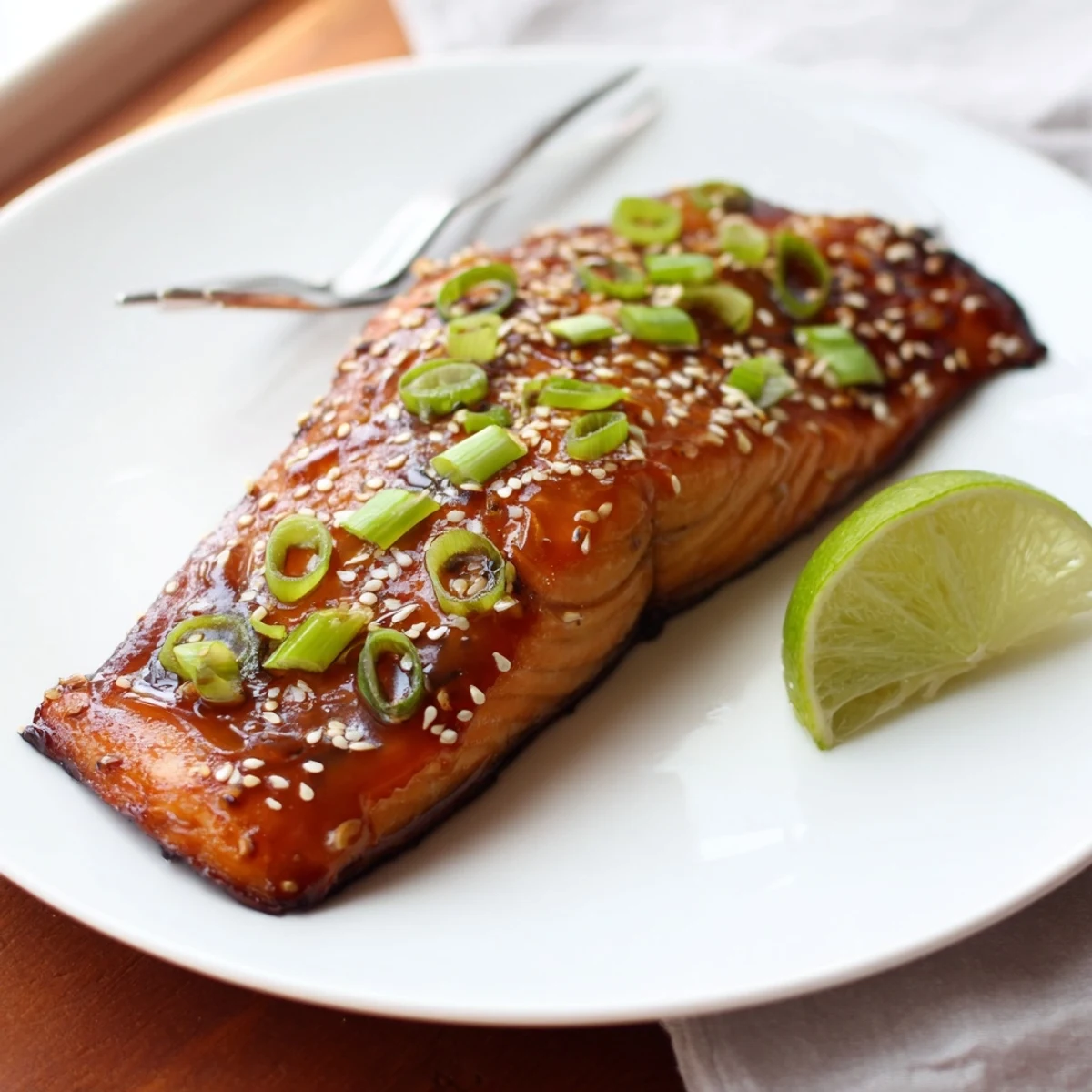
 This Asian-inspired dish combines tender salmon fillets with a homemade teriyaki glaze made from soy sauce, honey, mirin, and fresh ginger. The salmon is lightly seasoned, brushed with glaze before baking, and finished with additional sauce for a caramelized coating. Ready in 30 minutes total, it's an elegant main course that pairs beautifully with steamed rice or sautéed vegetables.
The first time I made teriyaki salmon, I burned the glaze so badly my smoke detector went off! Through teary, smoke-stung eyes, I scraped off the blackened bits, remade the sauce, and discovered that perfect sweet-savory balance that's now become our Thursday tradition. The kitchen windows might have been open in January that night, but that mishap led to this foolproof recipe I now make without thinking.
Last summer, I served this salmon at my sisters birthday dinner on the deck. As the evening breeze carried the aroma of teriyaki across the table, conversation stopped mid-sentence when everyone took their first bite. My brother-in-law, who usually picks at seafood, asked for the recipe before dessert was even served.
Ingredients
- Salmon fillets: Look for center-cut pieces with even thickness so they cook at the same rate, a lesson I learned after serving half-raw, half-overcooked fillets to my in-laws.
- Low-sodium soy sauce: Regular soy sauce made my early attempts too salty, this version lets you control the seasoning while still getting that umami depth.
- Mirin: This sweet Japanese cooking wine transforms the glaze, but I discovered dry sherry works beautifully if your pantry is missing this ingredient.
- Fresh ginger: Store your ginger root in the freezer and grate it while frozen, a trick my Japanese neighbor taught me that changed my cooking forever.
Instructions
- Prep the salmon:
- Pat those fillets dry with paper towels, a step I embarrassingly skipped for years. Youll get better seasoning adhesion and that beautiful caramelization we're after.
- Make the magic glaze:
- Watch for tiny bubbles around the edge of your saucepan as the soy sauce mixture begins to simmer. The aroma will shift from sharp to sweet, telling you its time for the cornstarch slurry.
- First glaze application:
- Use a silicone brush to apply the glaze in one direction, then dont touch it again. I learned through countless messy attempts that extra brushing just pulls the glaze right off.
- The perfect bake:
- Look for that moment when the salmon just barely flakes with a fork but still has a translucent quality in the center. The residual heat will finish the cooking while you admire your work.
- The finishing touch:
- That second brushing with the reserved glaze makes all the difference between good and magnificent salmon. Its like adding a fresh coat of paint to a beautiful room.
 Save to Pinterest
 When my daughter was going through a phase of refusing all proteins, this teriyaki salmon brought her back to the dinner table. She called it candy fish because of the sweet glaze, and now at twelve, she still requests it before big tests or soccer games, believing it gives her special powers.
Serving Suggestions
I serve this salmon over fluffy white rice which soaks up the extra glaze beautifully, creating little flavor bombs in each bite. On busy weeknights, I steam broccoli or snap peas in the microwave while the salmon bakes, and dinner is on the table with minimal fuss but maximum satisfaction.
Make-Ahead Options
The teriyaki glaze keeps beautifully in the refrigerator for up to a week, making weeknight cooking so much simpler. I often make a double batch on Sunday, using half for salmon and saving the rest for quick stir-fries or to brush on chicken thighs mid-week when cooking motivation hits rock bottom.
Variations Worth Trying
After making this recipe dozens of times, I started playing with additions like orange zest in the glaze or a splash of bourbon instead of mirin when the pantry runs low. My husband swears the bourbon version is superior, but I think thats just because he enjoys saying bourbon teriyaki salmon to dinner guests.
- Add a teaspoon of sriracha to the glaze for a spicy kick that balances the sweetness beautifully.
- Substitute maple syrup for the honey when serving to friends who follow vegan diets between their salmon meals.
- Try it with a tablespoon of orange marmalade stirred into the glaze for a citrusy twist that brightens the whole dish.
 Save to Pinterest
 This teriyaki salmon has seen us through busy weeknights, celebration dinners, and even one memorable power outage when I finished it on the grill. Its not just a recipe in my collection, its become part of our family story.
Recipe FAQs
- → How do I know when the salmon is cooked through?
-
The salmon should flake easily when tested with a fork and appear opaque throughout. Cooking typically takes 12-15 minutes at 400°F depending on fillet thickness. Aim for an internal temperature of 145°F for perfectly cooked salmon.
- → Can I make this dish gluten-free?
-
Yes, simply substitute tamari or certified gluten-free soy sauce in place of regular soy sauce. All other ingredients are naturally gluten-free, making this an excellent option for those with gluten sensitivities.
- → What's the best way to store leftover salmon?
-
Store cooled salmon in an airtight container in the refrigerator for up to 3 days. Reheat gently in a 350°F oven for about 5-7 minutes to preserve moisture. It also makes excellent cold leftovers for salads the next day.
- → Can I prepare the teriyaki glaze in advance?
-
Absolutely. Prepare the glaze up to 2 days ahead and refrigerate in a sealed jar. Reheat gently over low heat before using. This advance preparation saves time on busy weeknights.
- → What are good side dishes to serve with this salmon?
-
Steamed white or brown rice, quinoa, roasted bok choy, or sautéed snap peas complement this dish beautifully. Steamed broccoli or jasmine rice also pair wonderfully and enhance the Asian-inspired flavors.
- → How can I add extra caramelization to the glaze?
-
After removing the salmon from the oven, broil for 1-2 minutes on high heat. Watch carefully to prevent burning. This creates a deeper caramelized finish while keeping the salmon moist inside.