
 Save to Pinterest
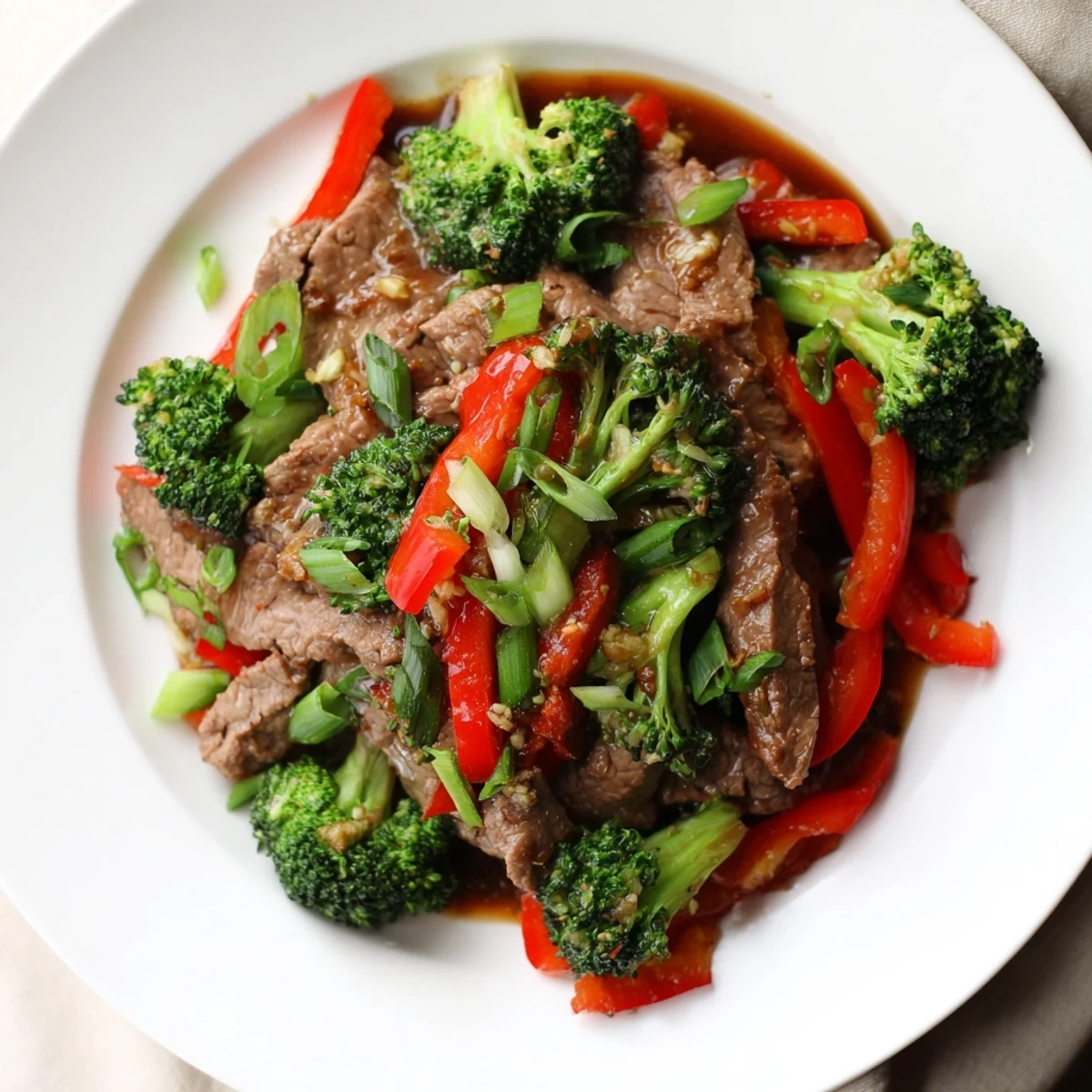
 This dish features thinly sliced beef and fresh broccoli florets stir-fried together in a flavorful garlic soy sauce blend. The beef is coated lightly with cornstarch for tenderness and seared quickly to lock in juices. Crisp-tender broccoli is cooked separately to retain texture before being combined. The sauce uses soy, oyster, garlic, ginger, and a touch of sweetness to balance bold and savory flavors. Perfect for a fast, wholesome dinner served with rice or noodles.
There's something about the sizzle of beef hitting a hot wok that makes everything else fade away. I discovered this stir fry on a weeknight when I was too tired to think but hungry enough to demand something special, and somehow those few pantry staples transformed into something that tasted like it came from a proper restaurant. The garlic and soy sauce do most of the heavy lifting, turning simple ingredients into something that feels honestly indulgent for a Tuesday dinner.
I made this for my partner after they'd had a rough day, and watching them take that first bite and actually smile felt like the best use of 15 minutes of prep. They asked if I'd ordered it, which sent me into the kitchen to make it again the very next week, and now it's become our default when we want restaurant quality without leaving home.
Ingredients
- Flank or sirloin steak, thinly sliced: Slicing against the grain is the secret here, it keeps the beef tender even under the high heat of the wok.
- Cornstarch: This small coating creates a subtle velvety texture on the beef and helps the sauce cling to everything.
- Broccoli florets: Cut them roughly the same size so they cook evenly and stay bright green and crisp.
- Garlic and ginger: Mince these fine so they distribute throughout the sauce, flavoring every single bite.
- Soy sauce, oyster sauce, and hoisin: These three create the deep, savory foundation that makes this taste nothing like the sad versions I've attempted before.
- Sesame oil: Just a teaspoon at the end, it adds a nuttiness that changes everything.
- Brown sugar and rice vinegar: The balance between these two keeps the sauce from being too heavy or too sharp.
Instructions
- Coat the beef:
- Toss your sliced beef with cornstarch in a bowl until every piece is lightly dusted. This only takes a minute but it makes the difference between tender and chewy.
- Mix your sauce:
- Whisk everything together in a small bowl, letting the sugar dissolve into the soy sauce. Taste it if you're brave, it should smell like a really good takeout place.
- Cook the vegetables first:
- Heat one tablespoon of oil in your wok or skillet over high heat until it's properly hot, then add broccoli and any peppers. Stir constantly for 2 to 3 minutes until the broccoli turns bright green and develops little charred spots. Remove it to a plate, this is important because you don't want mushy vegetables.
- Sear the beef:
- Add the remaining oil to your pan and let it heat until it shimmers. Lay the beef out in a single layer without moving it around too much, let it sit for about a minute per side until it's browned on the outside but still tender inside. This is where patience pays off.
- Bring it together:
- Return the vegetables to the pan with the beef, pour in the sauce, and stir everything together for 2 to 3 minutes until the sauce thickens and coats everything in a glossy layer. You'll know it's right when the sauce looks a shade darker and clingy.
- Finish and serve:
- Remove from heat immediately, garnish with spring onions if you have them, and serve right away with rice or noodles. The longer it sits the more the broccoli softens, so speed here is actually your friend.
 Save to Pinterest
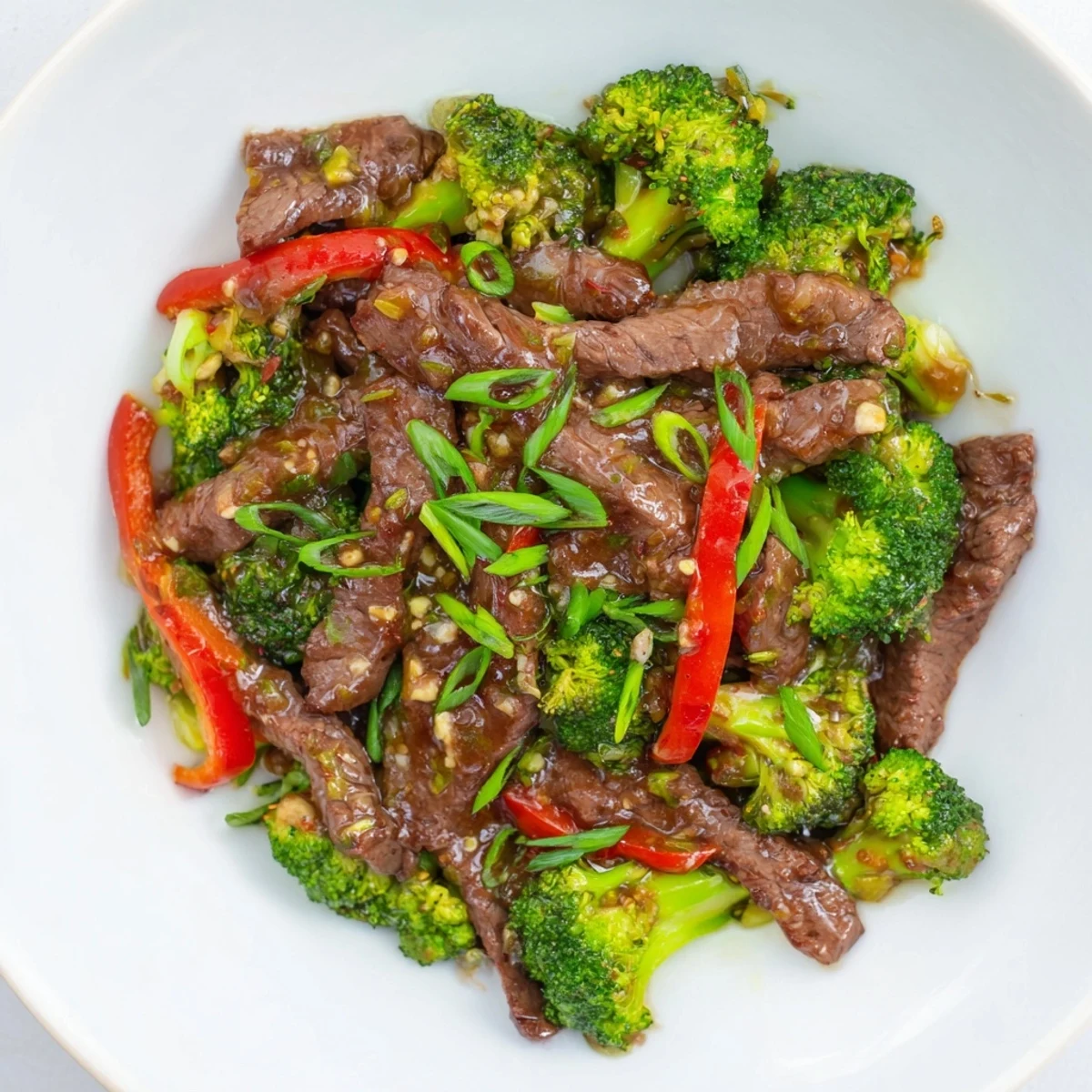
 There's a moment when the sauce hits the hot pan and the whole kitchen fills with this incredible garlic and soy aroma that makes you feel like you actually know what you're doing in a kitchen. I realized then that this dish became a favorite not because it was complicated, but because it proved that bold flavors and real satisfaction don't require hours of work.
Getting Your Wok Really Hot
This is genuinely the make or break moment, and I learned it the hard way by watching my beef steam instead of sear. Your pan needs to be hot enough that a drop of water immediately evaporates into steam, not sizzles and sits there. If you're using a regular skillet instead of a wok that's fine, but give it a full minute to heat once you add the oil.
Why Slicing Against the Grain Actually Matters
I used to just slice the beef however it came naturally, and I'd end up with chewy pieces no matter how quickly I cooked them. Then someone explained that muscle fibers run in one direction, and cutting across them rather than along them breaks them into shorter pieces, which is why the beef ends up tender even under intense heat.
Customizing Your Vegetables and Proteins
This recipe is honestly a framework more than a strict formula, and I've made it with chicken when beef felt too heavy, or with tofu when I wanted something lighter.
- Snap peas, carrots, or mushrooms all work beautifully if broccoli isn't calling to you.
- The sauce stays balanced whether you use chicken, beef, tofu, or even shrimp, so swap freely.
- Cut any vegetables roughly the same size so nothing gets overcooked while waiting for the rest to catch up.
 Save to Pinterest
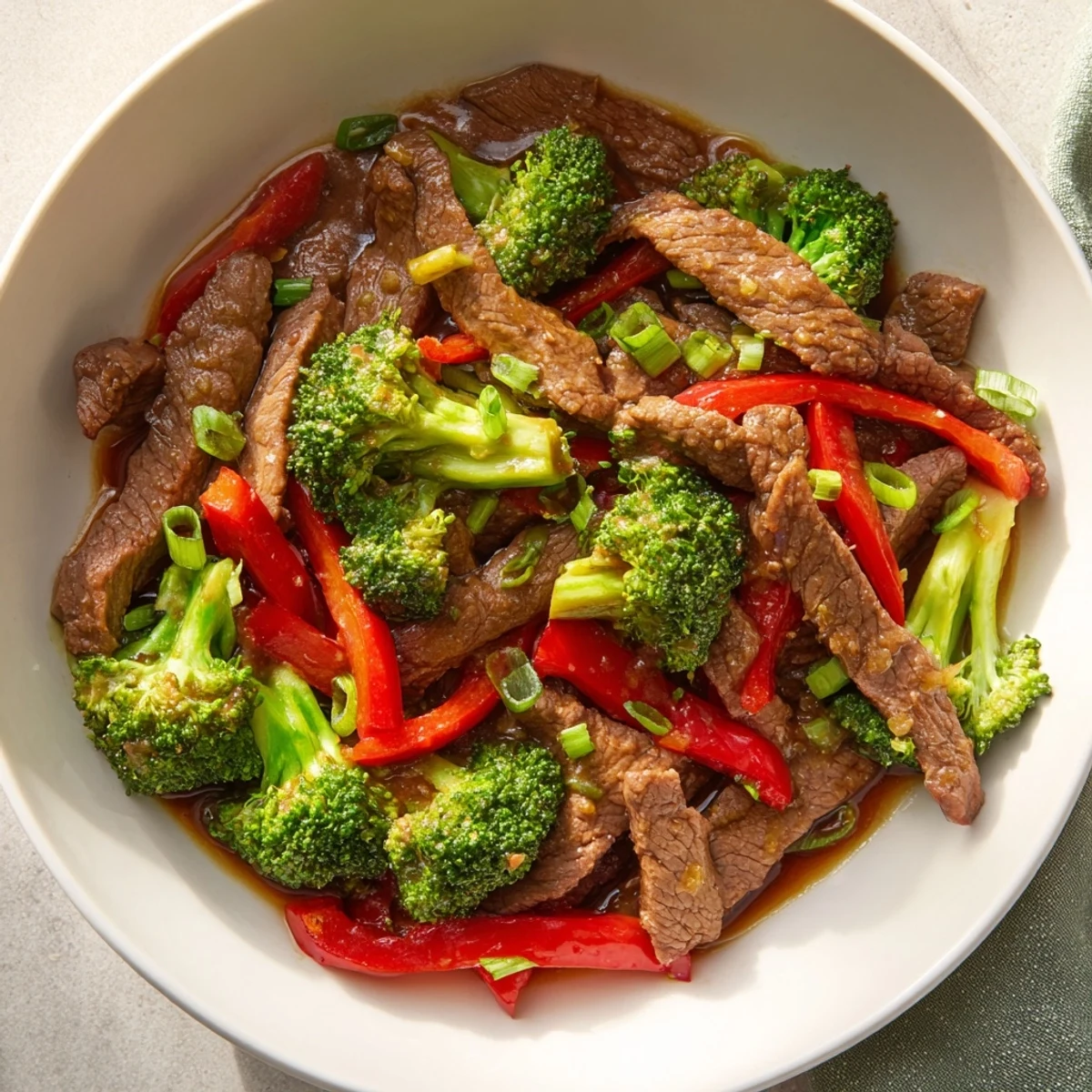
 This dish has quietly become the one I turn to when I want to feel capable in the kitchen and satisfied at the dinner table, which honestly feels like the whole point of cooking. Make it once and it'll probably become your version of a favorite too.
Recipe FAQs
- → What cut of beef works best?
-
Flank steak or sirloin thinly sliced against the grain offers tenderness and quick cooking.
- → Can I add other vegetables?
-
Yes, snap peas, carrots, or mushrooms can be added for more variety and nutrition.
- → How do I keep broccoli crisp?
-
Stir fry broccoli separately on high heat for 2-3 minutes until bright green and just tender.
- → Is it possible to substitute protein?
-
Chicken or tofu are great alternatives to beef for different dietary preferences.
- → How to adjust sauce flavor?
-
Modify sugar for sweetness or add more soy sauce to increase saltiness according to taste.