
 Save to Pinterest
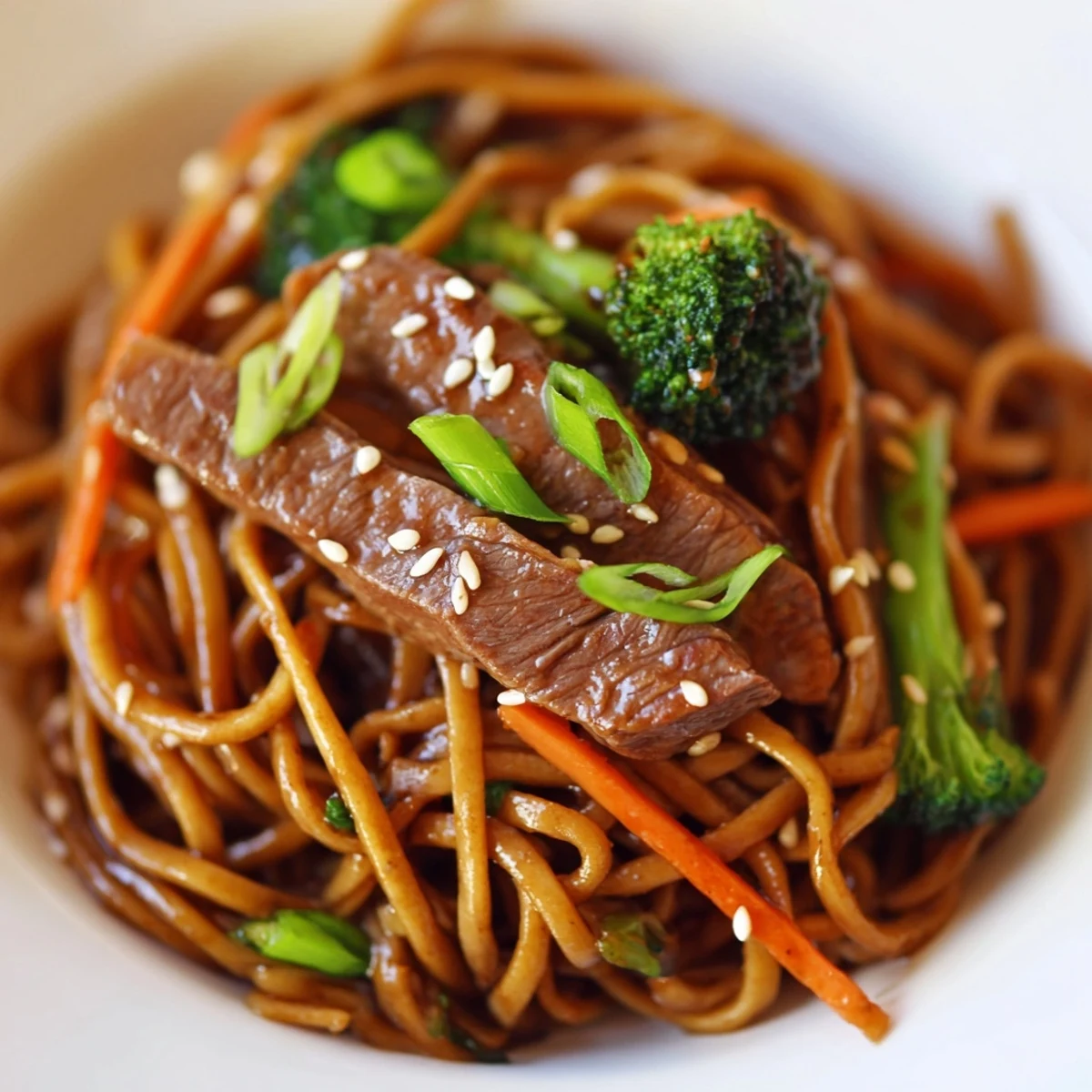
 This flavorful dish combines thinly sliced beef with crisp broccoli and tender noodles, all tossed in a fragrant sesame oil and soy-based sauce. The beef is marinated to enhance tenderness, while the sauce balances savory and sweet notes. Stir-fried garlic, ginger, and vegetables add aroma and texture. Garnished with toasted sesame seeds and green onions, it delivers a satisfying blend of flavors and crispness, perfect for a quick, hearty meal.
There's a particular smell that takes me straight back to the takeout container my roommate brought home one Friday night, steam rising from the opened lid while we debated whether homemade could ever match it. Years later, I finally stopped wondering and started cooking, discovering that the secret wasn't some impossible technique but rather respecting the heat, the timing, and letting the sesame oil do its quiet magic. This beef and broccoli lo mein is what I make now when I want that same feeling of comfort wrapped up in noodles and sauce.
I made this for a dinner where someone mentioned they'd been craving the real thing but couldn't justify another delivery order, and watching their face when they tasted it felt like I'd actually accomplished something in the kitchen. The noodles were glossy and coated just right, the beef was perfectly tender, and they asked for seconds before finishing their first bowl.
Ingredients
- Flank steak, thinly sliced: Against the grain is non-negotiable here; it breaks down into tender bites rather than chewy strands, and the marinade helps it absorb flavor while you prep everything else.
- Lo mein or egg noodles: These aren't ramen; they're sturdy enough to withstand the tossing and sauce absorption without turning into mush.
- Soy sauce, oyster sauce, and hoisin: This trio builds depth without any one ingredient bullying the others, but taste as you go because soy saltiness varies wildly by brand.
- Broccoli florets: Cut them roughly the same size so they cook evenly, and don't be afraid to go a little bigger than you think because they shrink.
- Sesame oil: The finishing touch that makes people ask what you did differently; it's fragrant and should drizzle at the end, not burn in the pan.
- Fresh garlic and ginger: Minced fine, because chunky garlic has a way of taking over everything, and ginger releases its heat better when it's broken down.
- Brown sugar and cornstarch: The sugar balances the salt and soy darkness, while cornstarch thickens the sauce into something that clings to the noodles rather than pooling at the bottom.
Instructions
- Marinate the beef quietly:
- Toss your sliced beef with soy sauce, cornstarch, and sesame oil, then let it sit while you handle everything else. The cornstarch creates a light coating that helps the meat brown faster and stay tender.
- Mix the sauce all at once:
- Whisk your soy, oyster, hoisin, brown sugar, sesame oil, water, and cornstarch together in a bowl so it's ready the moment you need it. This keeps you from scrambling mid-cook when the heat is high and things are moving fast.
- Cook the noodles separately:
- Follow the package timing but stop just before you think they're done, then drain and rinse under cold water to stop the cooking. Cold noodles won't clump together in the wok and they'll absorb the sauce perfectly as everything heats through.
- Brown the beef in high heat:
- Get your wok screaming hot with oil, then add the beef in a single layer and don't touch it for a minute; this creates that seared edge you're after. Once it's cooked through, pull it out and set it aside because it'll keep cooking when it goes back in.
- Build flavor with aromatics:
- Add fresh oil, then garlic and ginger, and let the smell rise up and tell you they're ready. One minute is usually enough before the onion goes in to soften everything together.
- Vegetables get the wok treatment:
- Broccoli and carrot need high heat and motion; they should take on a little color around the edges while staying crisp inside. This takes about two to three minutes if your heat is actually high enough.
- Bring it all together:
- Return the beef, add the cold noodles, pour in the sauce, and toss constantly so every strand gets coated and everything heats through. The sauce thickens slightly as the cornstarch does its work, clinging to everything.
- Finish with fragrance and texture:
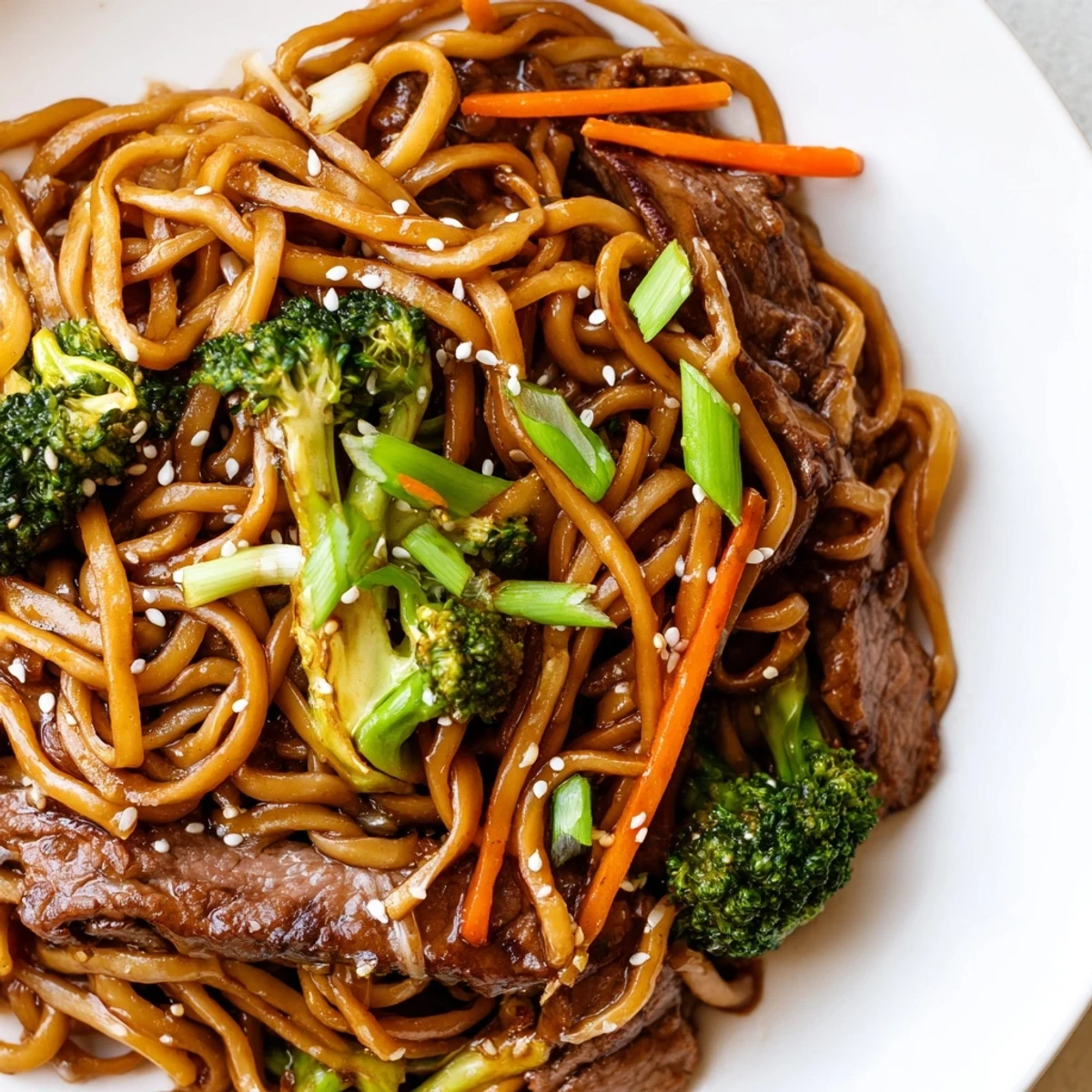
- A drizzle of fresh sesame oil, scattered green onions, and toasted sesame seeds transform it from dinner into something you actually want to remember.
 Save to Pinterest
 I remember the exact moment when someone said this tasted like their favorite place to order from, and the quiet realization that I'd finally decoded something that used to feel impossible. That's when food stops being just sustenance and becomes a small way of saying you care.
The Heat Factor
High heat is the invisible ingredient that makes this work; a lukewarm wok produces limp vegetables and sad beef instead of the caramelized edges and snap you're after. Your stovetop probably has a burner that runs hotter than the others, and that's your friend here. Even thirty seconds of neglect can change the outcome, so stay close and keep moving.
Swaps and Stretches
Chicken thighs replace beef beautifully and actually forgive a little overcooking better; tofu can work if you press it well and give it extra time in the pan to brown. The vegetables are genuinely flexible, so snap peas, bell peppers, or even bok choy step in without changing the essential character of the dish. I've even added cashews or peanuts when I wanted something more substantial.
Timing and Prep
Everything happens quickly once the wok gets hot, so mise en place isn't just a fancy term here, it's survival. Have your beef marinating, your sauce whisked, your vegetables cut and arranged, and your noodles drained before you turn on the heat. The actual cooking takes about ten minutes, and the better organized you are, the more confident you'll feel and the better the food will be.
- Marinate the beef first so it has time to relax while you prep everything else.
- Cold noodles tossed in a drop of oil won't stick to each other while they wait.
- Taste the sauce before it goes into the wok and adjust the sugar or soy if your instinct says so.
 Save to Pinterest
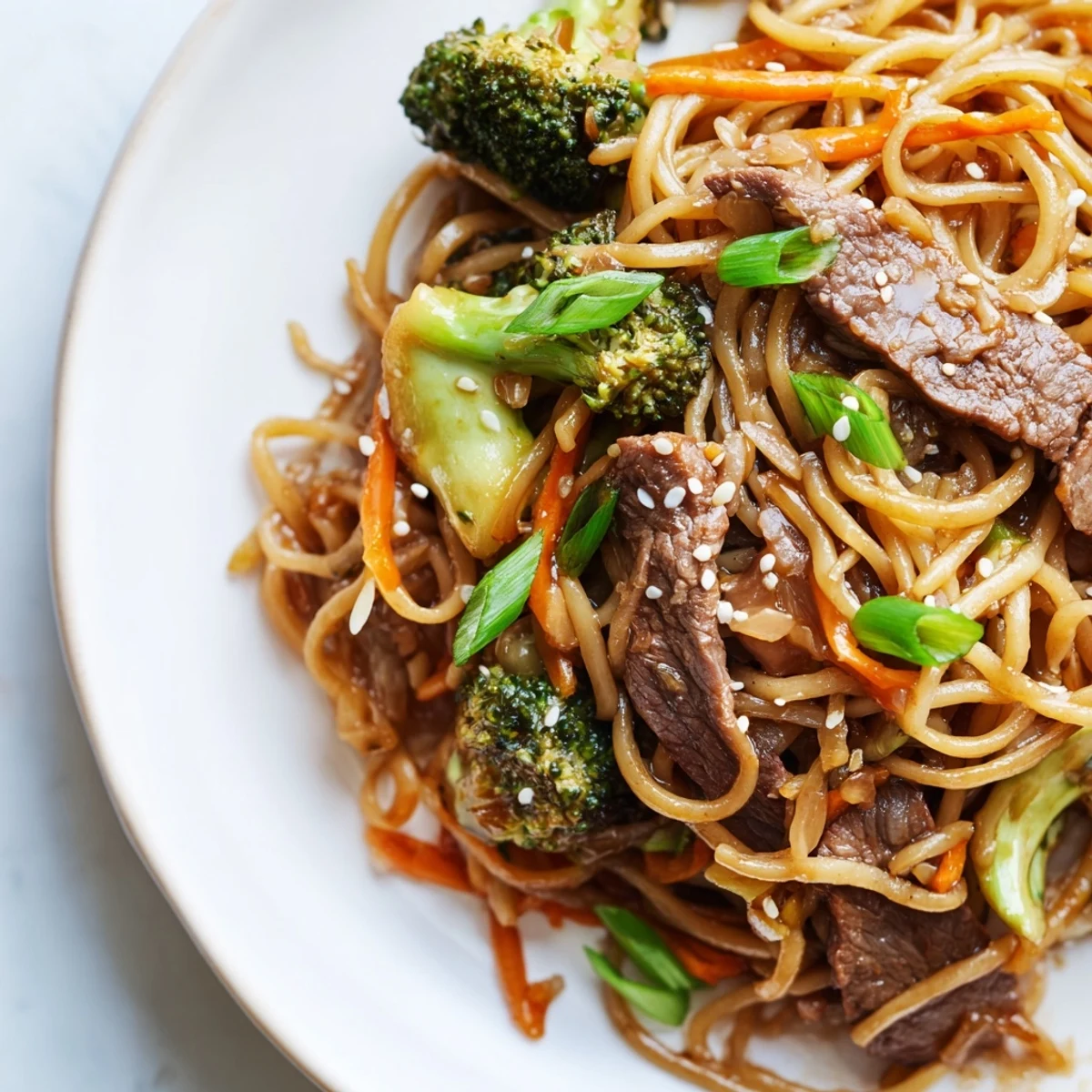
 This dish is proof that home cooking doesn't require shortcuts or sacrifices, just attention and respect for the process. Make it once and you'll stop ordering it, make it twice and you'll have a weeknight dinner that tastes like care.
Recipe FAQs
- → What cut of beef works best for this dish?
-
Flank steak is ideal due to its tenderness and ability to absorb marinade flavors well when sliced thin against the grain.
- → Can I use different noodles for the dish?
-
Yes, egg noodles or other wheat-based noodles can be used, but lo mein noodles retain the authentic texture best.
- → How can I keep the broccoli crisp while cooking?
-
Stir-fry broccoli over high heat for 2–3 minutes only until just tender but still crisp to maintain its texture.
- → What is the role of sesame oil in this dish?
-
Sesame oil adds a nutty aroma and rich flavor, enhancing the overall fragrance of the stir-fry when drizzled at the end.
- → Are there good vegetable substitutes to add more color?
-
Bell peppers or snap peas can be added for extra crunch, color, and sweetness, complementing the dish well.