
 Save to Pinterest
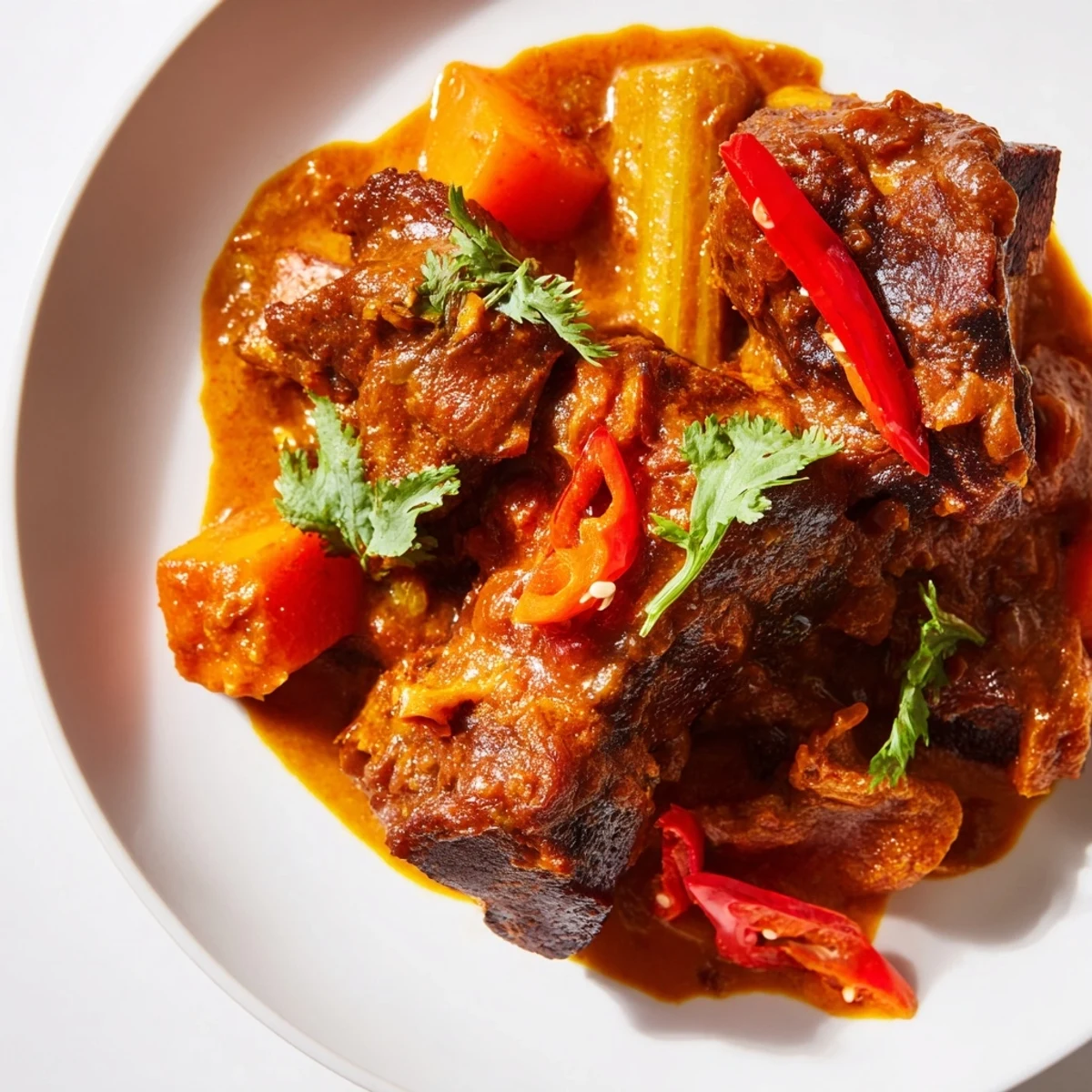
 Savory beef short ribs become meltingly tender after hours of gentle simmering in a fragrant broth infused with lemongrass, ginger, and aromatic spices. The coconut milk creates a velvety sauce that perfectly balances the richness of the meat with subtle Southeast Asian warmth.
The first time I encountered this fusion of Cambodian aromatics and Italian-style ragu, I was genuinely confused. A friend had invited me over for what she called experimental dinner, and the kitchen smelled like lemongrass meeting slow-cooked beef. One spoonful erased all my skepticism about combining Southeast Asian spices with classic braising techniques.
Last winter, I made a massive batch for a small dinner party, honestly doubting it would feed everyone. My friends stood around the pot, dipping bread into the sauce long after the ribs were gone. Now it is the most requested dish whenever temperatures drop below 15 degrees.
Ingredients
- Beef short ribs: Bone-in adds incredible depth to the sauce, so do not let your butcher talk you into boneless
- Lemongrass: Use only the white bottom portion, mincing it finely so it melts into the sauce
- Fresh ginger: Grating it releases more flavor than chopping, and you avoid any fibrous bits
- Coconut milk: Full-fat is essential here, the richness carries the entire dish
- Fish sauce: This is the secret umami bomb, do not skip it or try to substitute
- Palm sugar: Brown sugar works in a pinch, but palm sugar has this caramel complexity that ties everything together
- Ground turmeric: Adds earthiness and that gorgeous golden hue to the finished ragu
Instructions
- Sear the ribs:
- Pat your beef ribs completely dry with paper towels, then season generously with salt and black pepper. Heat the oil in your Dutch oven over medium-high heat until it shimmers, then sear the ribs on all sides until deeply golden brown, working in batches so the pan does not cool down.
- Build the aromatics:
- Reduce the heat to medium and add your onions, garlic, ginger, lemongrass, carrots, celery, and bell pepper. Let everything soften and become fragrant for about 5 to 7 minutes, stirring occasionally to prevent any burning.
- Wake up the spices:
- Stir in the turmeric, coriander, chili flakes, and bay leaves, cooking for just 1 minute until the spices bloom and become incredibly aromatic. Add your chopped tomato and cook for another 2 minutes until it starts breaking down.
- Bring it all together:
- Return the seared ribs to the pot, then stir in the fish sauce, soy sauce, and palm sugar. Pour in the coconut milk and beef stock, ensuring the ribs are mostly submerged by the liquid. Bring everything to a gentle simmer.
- The long simmer:
- Cover your pot and reduce the heat to low, letting everything gently bubble away for 2 to 2.5 hours. Occasionally skim off any excess fat that rises to the surface, and check that the liquid never gets above a bare simmer.
- Finish and adjust:
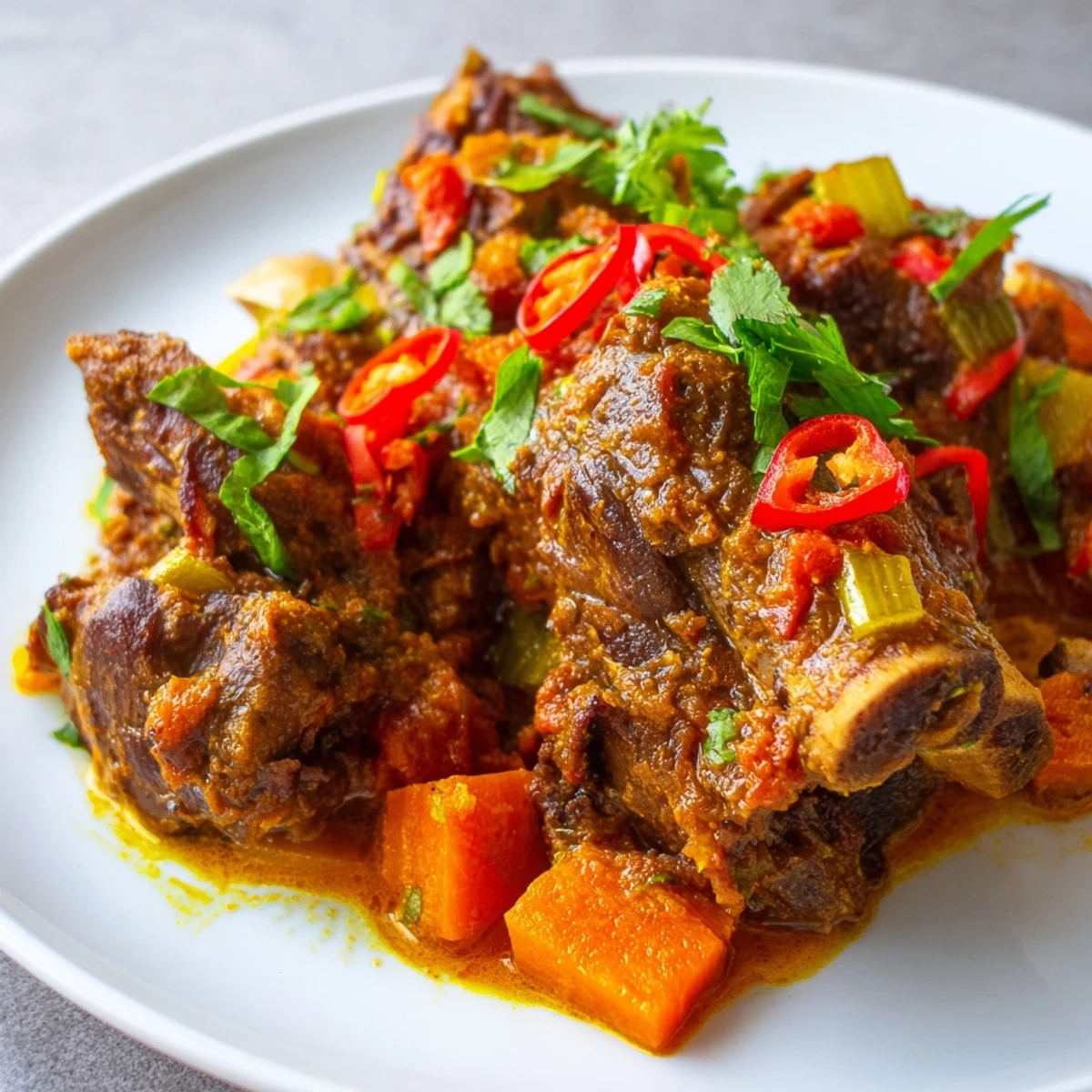
- Once the meat is falling off the bone, taste your sauce and adjust with more salt, pepper, or fish sauce as needed. Remove the bay leaves before serving, then garnish generously with fresh herbs and sliced chilies.
 Save to Pinterest
 My neighbor smelled this cooking through our shared wall and actually knocked on my door to ask what I was making. We ended up eating together with her husband, and now it has become a semi-regular tradition whenever any of us needs a proper comfort meal.
Making It Your Own
Pork ribs work beautifully if beef feels too heavy, and I have even made this with lamb for a seriously luxurious version. The spice levels are completely up to you, but remember that heat builds as the ragu sits, so start conservatively with the chili flakes.
Serving Suggestions
Steamed jasmine rice is the classic choice, soaking up all that fragrant sauce perfectly. Crusty bread works surprisingly well for mopping up every last drop, and I have served this over wide rice noodles for a more casual weeknight dinner.
Make Ahead Magic
This ragu tastes even better the next day, giving the flavors time to deepen and meld together. I often make it on Sunday and let it rest overnight in the refrigerator, gently reheating it for Monday dinner when the sauce has thickened to perfection.
- The fat will solidify on top when chilled, making it easy to remove for a lighter dish
- Freeze individual portions for those nights when cooking feels impossible
- Always reheat slowly to prevent separating the coconut milk
 Save to Pinterest
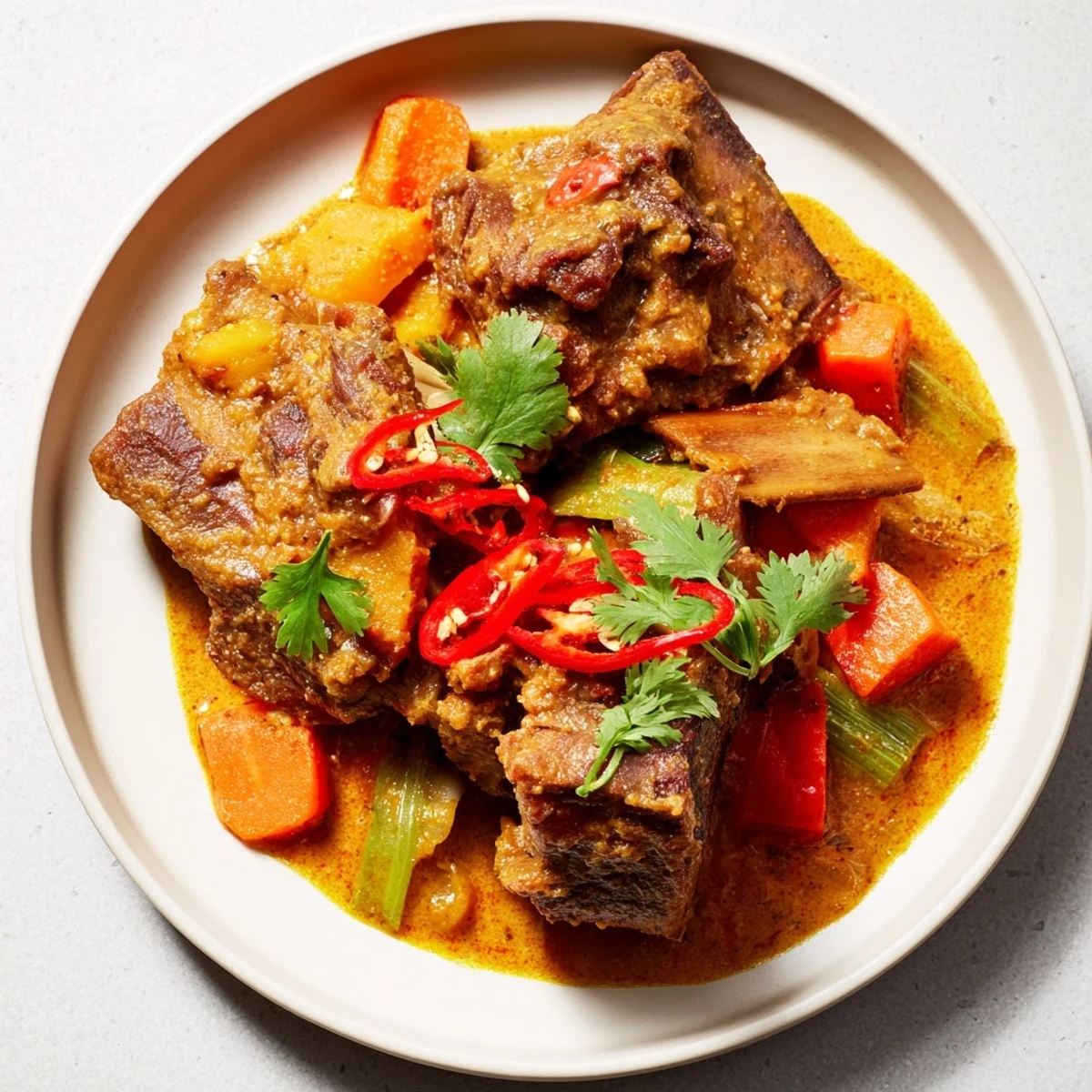
 There is something deeply satisfying about a dish that brings together different culinary traditions and just works. This ragu has become my go-to for feeding people I care about.
Recipe FAQs
- → What makes Cambodian rib ragu unique?
-
The combination of classic slow-braised beef ribs with traditional Cambodian aromatics like lemongrass, ginger, and turmeric creates a distinctive fusion. The coconut milk adds creaminess while the fish sauce provides authentic Southeast Asian depth.
- → How do I know when the ribs are done?
-
The beef is ready when it's fork-tender and easily pulls away from the bone. This typically takes 2 to 2½ hours of gentle simmering. The meat should literally fall off the bone when you insert a fork.
- → Can I make this in a slow cooker?
-
Absolutely. After searing the ribs and sautéing the vegetables, transfer everything to your slow cooker. Cook on low for 6-8 hours or on high for 4-5 hours until the meat is tender.
- → What should I serve with Cambodian rib ragu?
-
Steamed jasmine rice is the perfect accompaniment to soak up the flavorful sauce. Crusty bread also works wonderfully. For a lighter meal, serve with stir-fried vegetables or a fresh cucumber salad.
- → Can I prepare this ahead of time?
-
Yes, the flavors actually improve overnight. Prepare the ragu up to 2 days in advance and refrigerate. The fat will solidify on top, making it easy to remove before reheating gently on the stove.
- → Is this dish spicy?
-
The base ragu has a gentle warmth from turmeric, coriander, and black pepper. The chili flakes are optional, so you can control the heat level. The result is more aromatic than fiery.