 Save to Pinterest
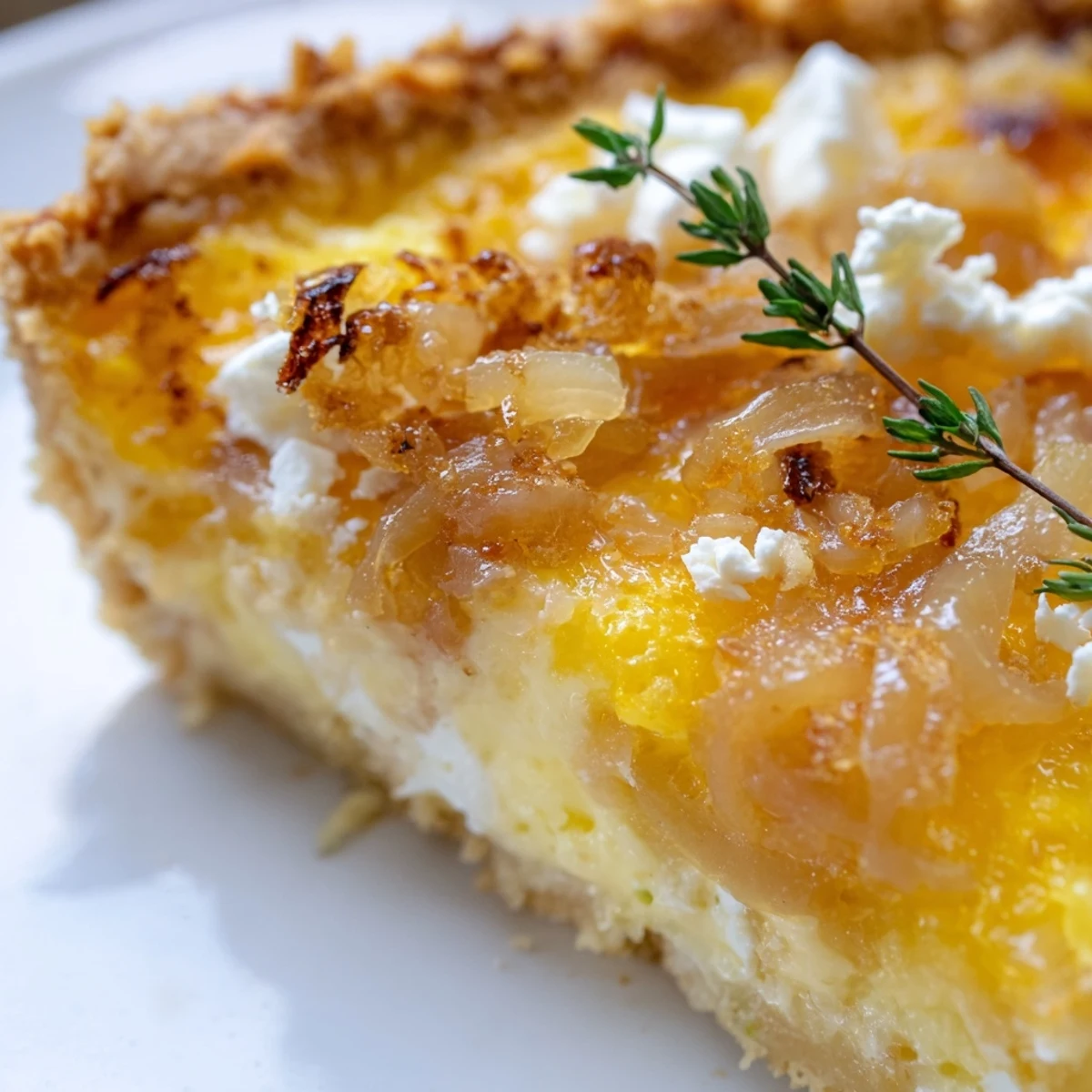
 This savory tart blends the sweetness of gently caramelized onions with the tang of soft goats cheese, all nestled in a flaky, buttery shortcrust pastry. The onions are slowly cooked with olive oil, butter, and thyme until golden and tender. The filling combines eggs, cream, and a hint of nutmeg to create a silky custard that sets beautifully in the oven. Served warm or at room temperature, it makes a versatile dish suitable for brunch, lunch, or a light dinner, complemented perfectly by fresh arugula garnish.
The first time I made this tart, I wasn't planning to—I had caramelized a heap of onions for something else entirely and found myself with golden, jammy sweetness that demanded a better home than a forgotten container. A block of goats cheese sat waiting in the fridge, and the idea came together almost by accident. What started as improvisation became something I'd make again and again, especially when I wanted to feel a little French without leaving my kitchen.
I made this for a friend who had just moved into a place with a real kitchen after years of renting, and watching her arrange the tart in her new oven felt like marking a small victory. She called me an hour later saying the whole building smelled incredible, and somehow that mattered more than whether it turned out perfect.
Ingredients
- Shortcrust pastry (1 sheet, about 250 g): Ready-rolled saves time, but homemade brings a richer flavor—either way, let it chill before baking so it doesn't shrink.
- Yellow onions (4 large, thinly sliced): The foundation of everything; their natural sweetness deepens dramatically over time, so don't rush this step.
- Olive oil and unsalted butter (2 tablespoons each): Butter adds richness to the caramelization while oil prevents burning.
- Sugar (1 teaspoon): A small nudge that speeds up the browning process without making the onions taste sweet.
- Fresh thyme (2 teaspoons fresh or 1 teaspoon dried): Adds a subtle earthiness that makes people ask what the secret ingredient is.
- Soft goats cheese (150 g, crumbled): The tanginess cuts through the richness; its creamy texture melts into the custard during baking.
- Eggs (3 large): These carry the cream and milk into a silky custard that holds everything together.
- Double cream and whole milk (200 ml and 100 ml): The ratio creates a filling that's rich but not heavy—all cream would be too much.
- Ground nutmeg (¼ teaspoon): Just a whisper, warming the entire tart without announcing itself.
Instructions
- Prepare and chill the pastry:
- Roll the pastry into your tart tin, press it down gently into the corners and edges, trim any overhang with a knife, and prick the base all over with a fork—this stops it from puffing up during blind baking. Chill it for 10 minutes while you preheat the oven to 190°C (375°F).
- Blind bake for structure:
- Line the pastry with parchment paper and fill it with baking beans to weigh it down, then bake for 15 minutes until the edges turn pale golden. Remove the beans and parchment, give it another 5 minutes to dry out the base, and set it aside to cool slightly.
- Caramelize the onions slowly:
- While the pastry bakes, heat oil and butter together in a large skillet over medium-low heat, add your sliced onions with the sugar, salt, and pepper, and stir them often for 20–25 minutes until they're completely soft and deeply golden—this patience is where the magic lives. Stir in the thyme during the last 2 minutes, then let them cool slightly off the heat.
- Mix the custard filling:
- In a bowl, whisk together the eggs, cream, milk, nutmeg, salt, and pepper until smooth and well combined.
- Assemble the tart:
- Spread the caramelized onions evenly over the blind-baked pastry, scatter the crumbled goats cheese over them, and pour the custard mixture over everything, letting it settle into the gaps.
- Bake until set and golden:
- Bake for 25–30 minutes until the filling is just set in the center (it should still have the tiniest jiggle when you shake the tin gently) and the top turns light golden brown.
- Cool and serve:
- Let the tart rest for 10 minutes before slicing—this helps it hold its shape. Serve it warm, at room temperature, or even cold the next day.
 Save to Pinterest
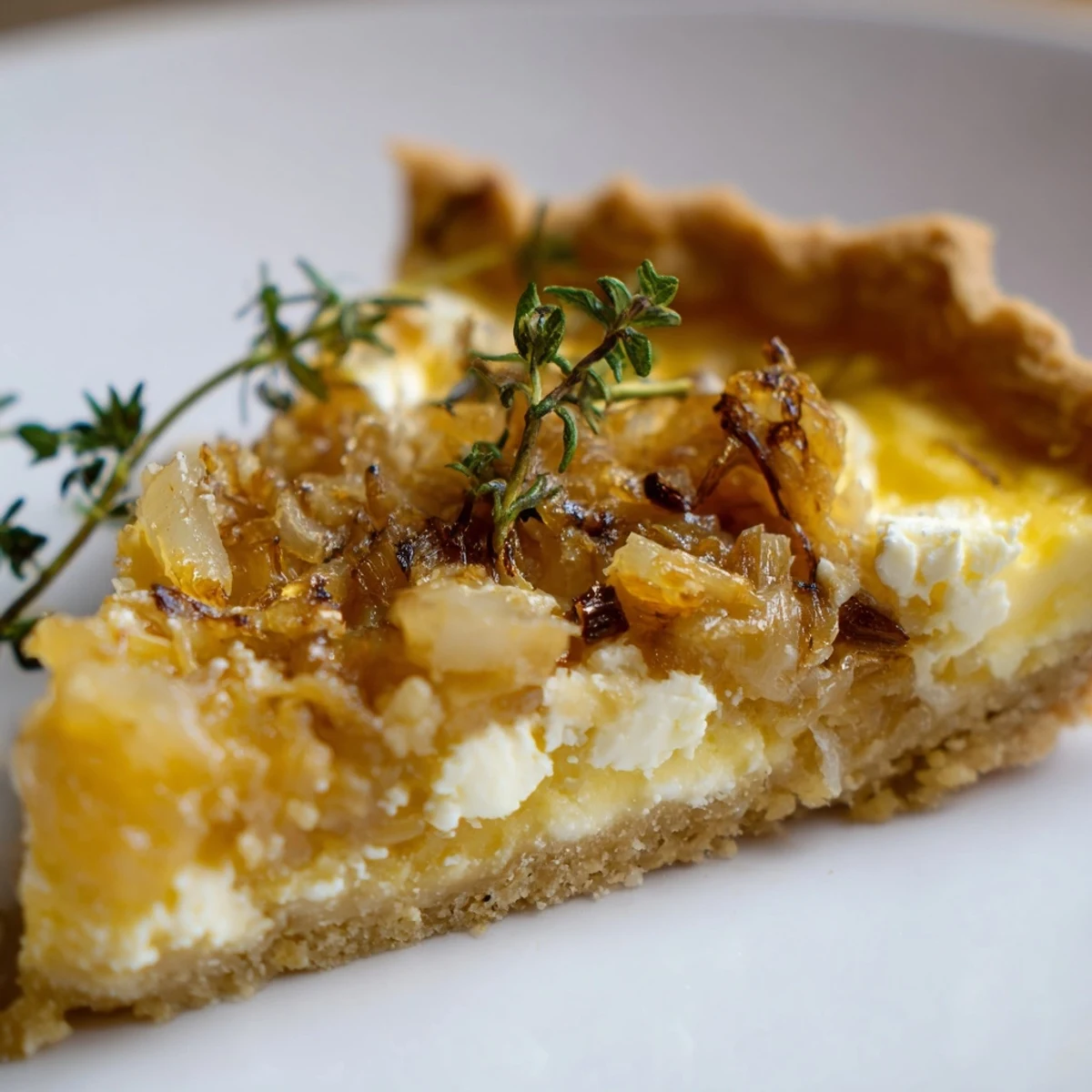
 My favorite version of this memory is plating a slice for someone who'd claimed not to like goats cheese, then watching their face when they realized it wasn't sharp or overwhelming at all—just creamy and subtle against the sweet onions. That moment reminded me why this tart matters.
Why Caramelization Changes Everything
The truth about caramelized onions is that they're not just cooked onions—they're transformed. High heat burns them, but slow, patient heat over 20 minutes draws out their natural sugars and deepens their flavor into something almost jammy. The first time I truly understood this, I accidentally left onions on the stove longer than I meant to, and instead of being annoyed, I tasted pure gold. Now I know it's not a mistake; it's the whole point.
Choosing Your Cheese
Goats cheese brings a gentle tang that makes people lean in and wonder what they're tasting, but this tart is forgiving enough to work with almost any cheese you love. Crumbled feta adds more salt and a sharper edge, creamy blue cheese brings earthiness and funk, or even a mild cheddar creates something warmer and more traditional. I've made versions all of these ways, and each one tastes like a different conversation.
Making It Your Own
Once you understand the framework—sweet onions, tangy cheese, silky custard, crisp pastry—the door opens to endless small changes. Some additions that keep coming back are toasted walnuts scattered over before baking for crunch, a handful of crispy bacon torn and mixed into the onions, or fresh arugula tossed with lemon vinaigrette served on the side. Serve it with a crisp green salad for lunch, warm alongside roasted vegetables for dinner, or packed in a picnic basket for a moment of quiet elegance.
- Toasted walnuts add texture and a subtle earthiness that echoes the thyme.
- A green salad with sharp vinaigrette cuts through the richness perfectly.
- This tart keeps for three days refrigerated and tastes just as good cold as it does warm.
 Save to Pinterest
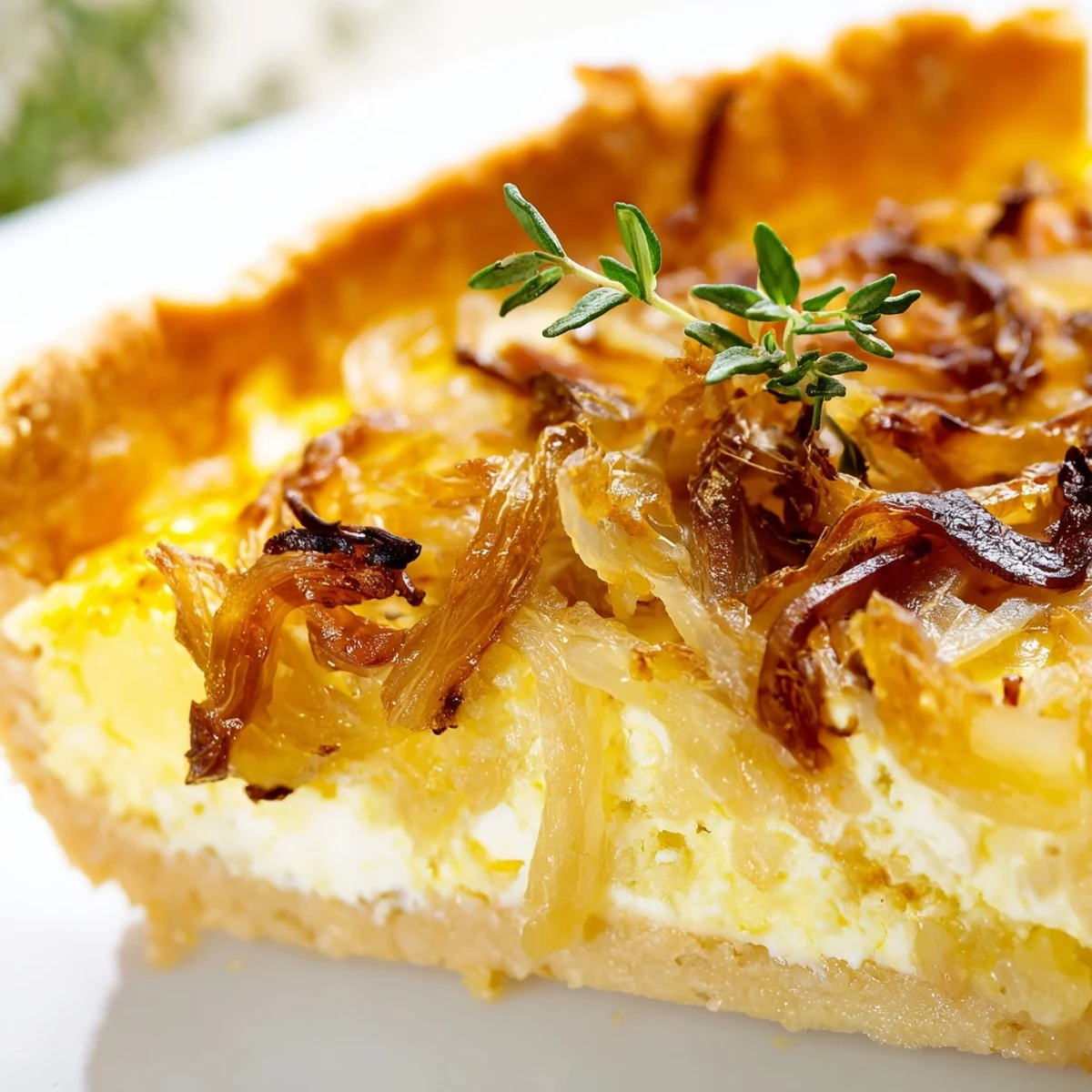
 This tart has become my answer to the question of what to make when I want something that feels special without being fussy. Every time I make it, I understand a little more why the French do savory tarts so well.
Recipe FAQs
- → How do I achieve perfectly caramelized onions?
-
Cook sliced onions slowly over low heat with olive oil and butter, stirring often until they turn soft, golden, and sweet, usually about 20-25 minutes.
- → Can I use a different cheese instead of goats cheese?
-
Yes, alternatives like feta or blue cheese can be used for a different flavor profile while maintaining the tart’s creamy texture.
- → What is the best way to blind bake the pastry?
-
Line the pastry with parchment paper, fill with baking beans, and bake until lightly golden to prevent a soggy base during filling.
- → How long should the tart cool before slicing?
-
Let the tart cool for about 10 minutes after baking to allow the filling to set and make slicing easier.
- → Can this tart be served cold or reheated?
-
It can be enjoyed warm, at room temperature, or gently reheated to suit your preference without losing texture.