
 Save to Pinterest
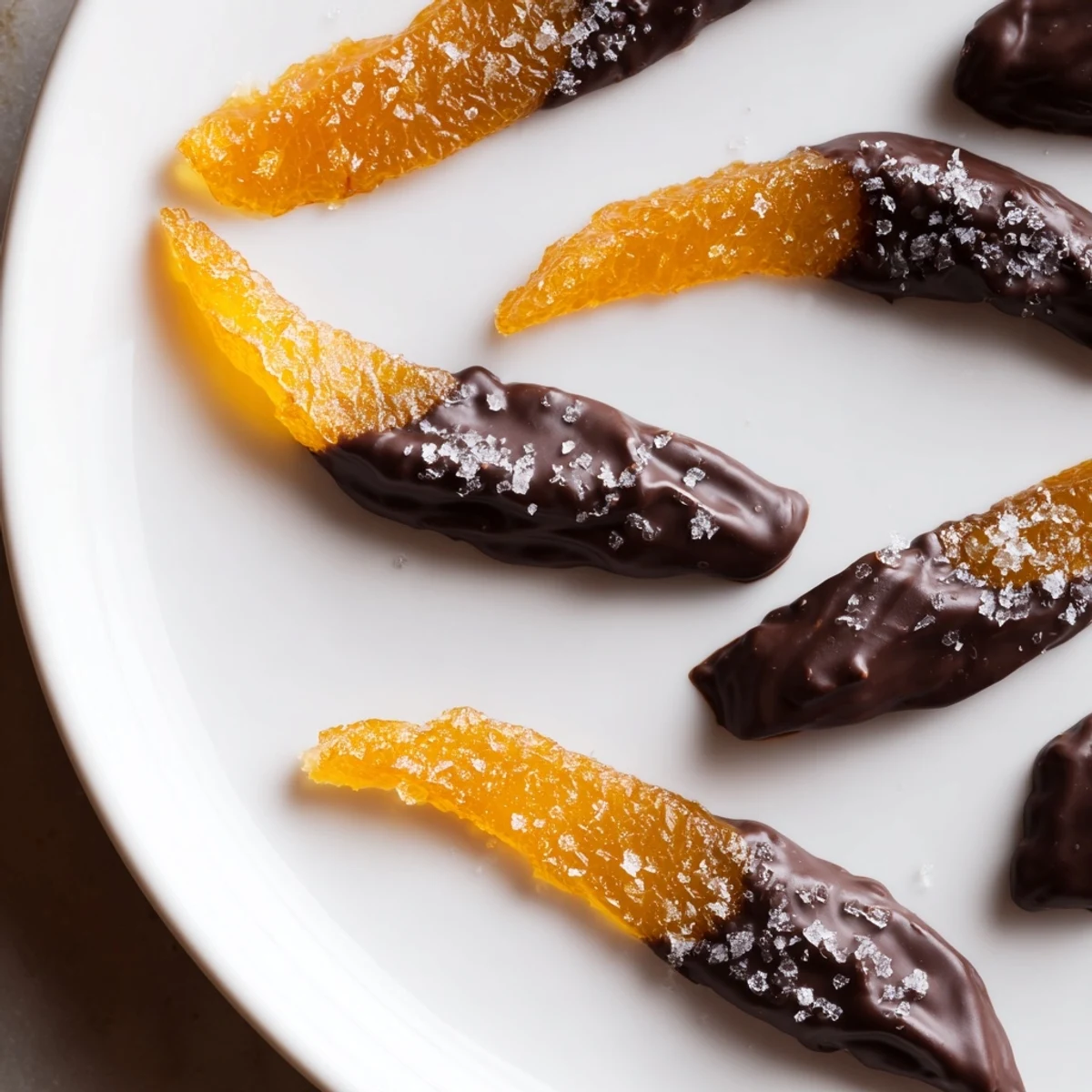
 These chocolate covered orange peels transform simple citrus into an elegant confection. Fresh orange peels are blanched to remove bitterness, then slowly simmered in sugar syrup until translucent and tender.
Once dried, each candied strip is dipped halfway into melted dark chocolate and left to set. A sprinkle of flaky sea salt finishes them off beautifully.
The result is a chewy, zesty center encased in a crisp chocolate shell — ideal for holiday gifting, dessert platters, or an afternoon treat with coffee.
The smell of oranges and chocolate together has always made me stop whatever I am doing. Someone left a bag of unwaxed Seville oranges on my doorstep one January with no note attached, and I spent the entire afternoon figuring out what to do with them. That happy accident turned into my most requested holiday gift three years running.
I brought a tin of these to a friends potluck dinner and three people cornered me in the kitchen demanding the recipe before dessert was even served.
Ingredients
- 3 large oranges: Use thick skinned oranges if you can find them because more peel means more candy and less waste.
- 1 cup (200 g) granulated sugar: Plain white sugar keeps the syrup clear so the peels glow like stained glass.
- 1 cup (240 ml) water: Just enough to dissolve the sugar and bathe the peels during candying.
- 200 g dark chocolate (at least 60% cocoa): Spend a little extra on good chocolate here because it is the star of the finish.
- 1 tsp flaky sea salt (optional): A tiny sprinkle of salt on wet chocolate turns good into unforgettable.
Instructions
- Prep the Oranges:
- Wash the oranges thoroughly under warm water, score the peel from top to bottom in quarters with a sharp knife, and gently pull the peel away from the fruit keeping the white pith mostly intact.
- Cut the Strips:
- Slice the peels into strips about half a centimeter wide and try to keep them fairly even so they all candy at the same rate.
- Blanch Three Times:
- Drop the strips into a saucepan of cold water, bring it to a boil for two minutes, then drain completely and repeat twice more until the harsh bitterness softens.
- Make the Syrup:
- Combine sugar and water in the same saucepan, bring to a simmer, and stir gently until every last grain of sugar disappears.
- Candy the Peels:
- Add the blanched peels to the syrup and let them burble away on low heat for forty minutes, stirring once in a while, until they look translucent and jewel like.
- Dry the Strips:
- Lift the peels out with tongs and spread them on a wire rack over parchment paper, then walk away for at least an hour while they firm up and get tacky.
- Melt the Chocolate:
- Set a heatproof bowl over barely simmering water, break the chocolate into pieces, and stir patiently until it turns into a glossy pooling river.
- Dip and Finish:
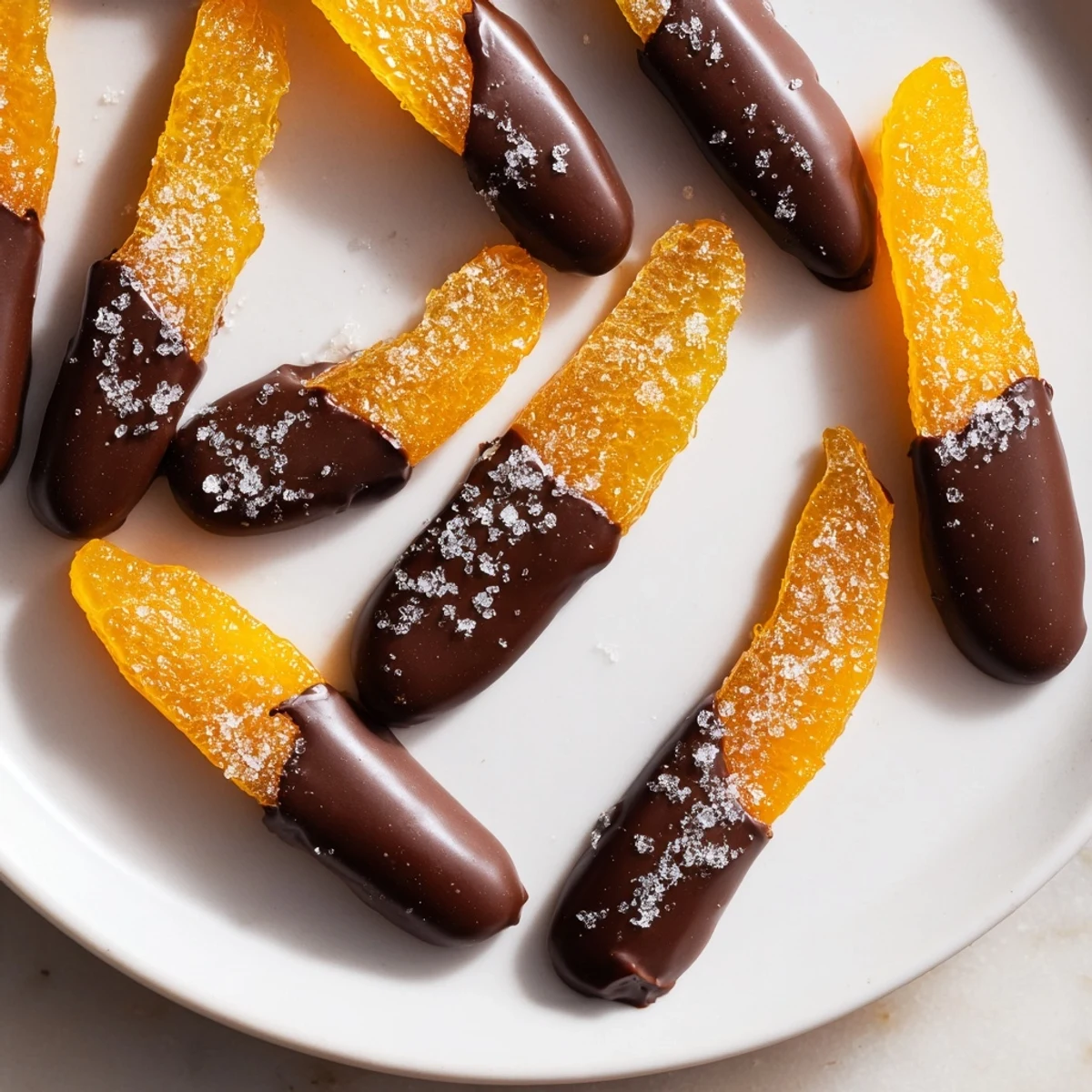
- Dip each peel halfway into the chocolate, let the extra drip back into the bowl, lay them on fresh parchment, and add a tiny pinch of flaky salt if you want before the chocolate sets.
 Save to Pinterest
 Packaging these in little kraft paper boxes with handwritten labels turned a quiet Sunday kitchen project into the most personal gift I have ever given anyone.
Chocolate Choices That Matter
Cheap chocolate refuses to coat evenly and leaves a waxy film on the roof of your mouth. I tested four different brands ranging from grocery store baking bars to a single origin bar from a local chocolatier, and the difference was striking. Anything above sixty percent cocoa works beautifully, but going too dark can overpower the delicate orange flavor.
What to Do With Leftover Oranges
After peeling you will have three naked oranges sitting there looking sad and practical solutions are easy. Segment them into a salad with fennel and olives, squeeze the juice into a cocktail, or freeze the segments for smoothies later in the week.
Storing and Gifting
Let the chocolate set completely at room temperature before you even think about stacking or storing them. Once firm, layer the peels between sheets of parchment in an airtight container and they will stay perfect for two weeks.
- Keep them out of the fridge because condensation will make the chocolate bloom and look dusty.
- A ribbon around a glass jar turns them into an instant gift.
- Label the container with the date so you remember when they were made.
 Save to Pinterest
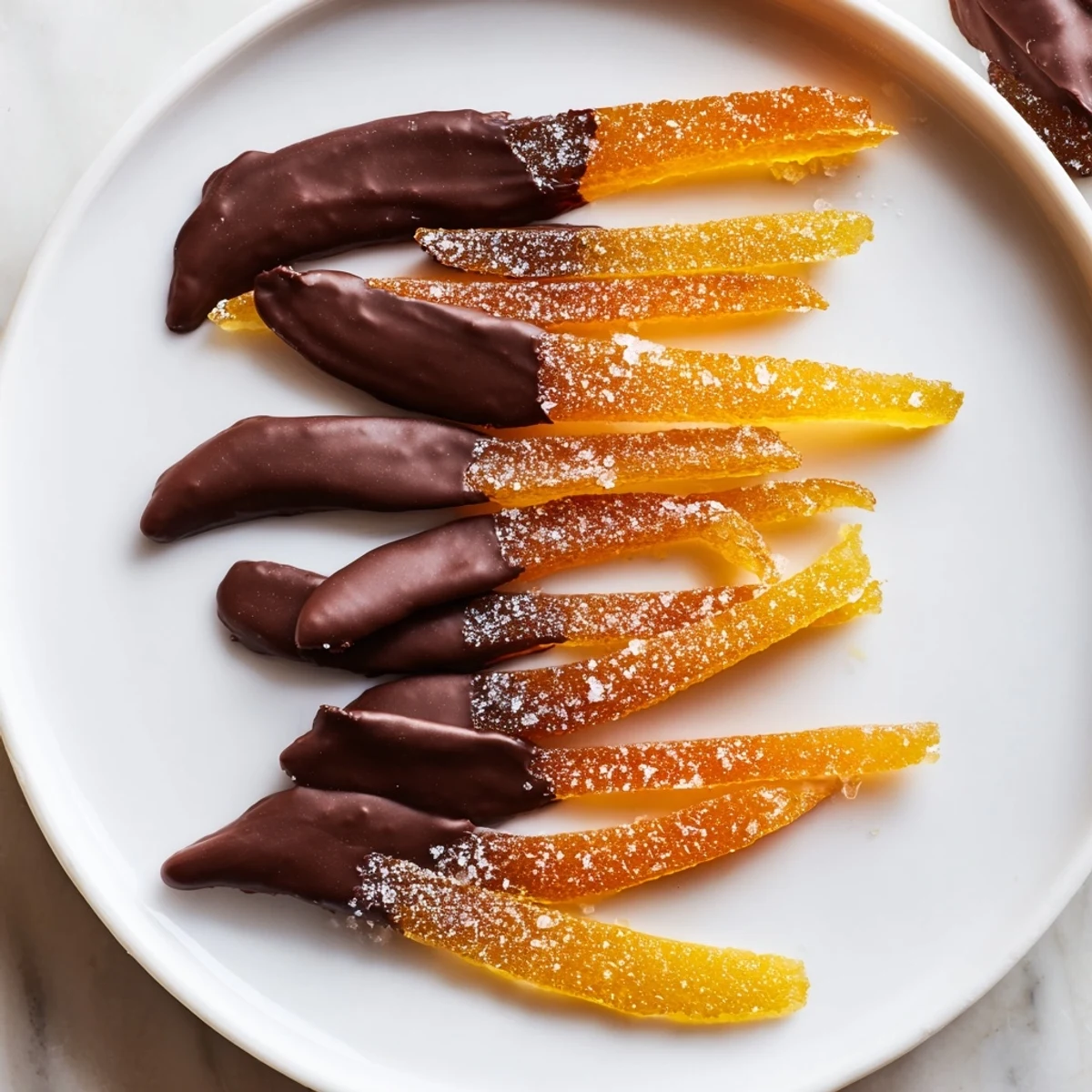
 Once you make these once you will find yourself buying extra oranges on purpose and looking forward to that quiet meditative hour of dipping peels into warm chocolate.
Recipe FAQs
- → Can I use milk or white chocolate instead of dark chocolate?
-
Yes, you can substitute milk or white chocolate, but dark chocolate (60% cocoa or higher) provides the best contrast against the sweet candied peels. If using white chocolate, reduce the sugar syrup concentration slightly to avoid excessive sweetness.
- → Why do I need to blanch the orange peels three times?
-
Repeated blanching draws out the bitter compounds from the white pith. Skipping this step will leave the peels unpleasantly bitter. Each two-minute boil softens the peels while progressively mellowing their flavor.
- → How should I store chocolate covered orange peels?
-
Store them in an airtight container at room temperature for up to two weeks. Avoid refrigerating them, as moisture can cause the chocolate to bloom and lose its glossy finish. If your kitchen is warm, a cool, dry cupboard works best.
- → Can I use other types of citrus for this confection?
-
Absolutely. Grapefruit, lemon, and Meyer lemon peels all work beautifully with the same candying and dipping method. Grapefruit peels offer a more robust bitterness, while Meyer lemon provides a delicate, floral sweetness.
- → Do I need to temper the chocolate before dipping?
-
Tempering isn't strictly necessary, but it gives the chocolate a professional snap and glossy appearance. If you skip tempering, the chocolate may appear slightly dull and soften more easily at room temperature, but the flavor remains excellent.
- → How thick should I slice the orange peel strips?
-
Aim for strips about 0.5 cm (roughly ¼ inch) wide. Thinner strips become too delicate after candying and may break during dipping, while thicker strips take longer to become translucent in the syrup and can be overly chewy.