
 Save to Pinterest
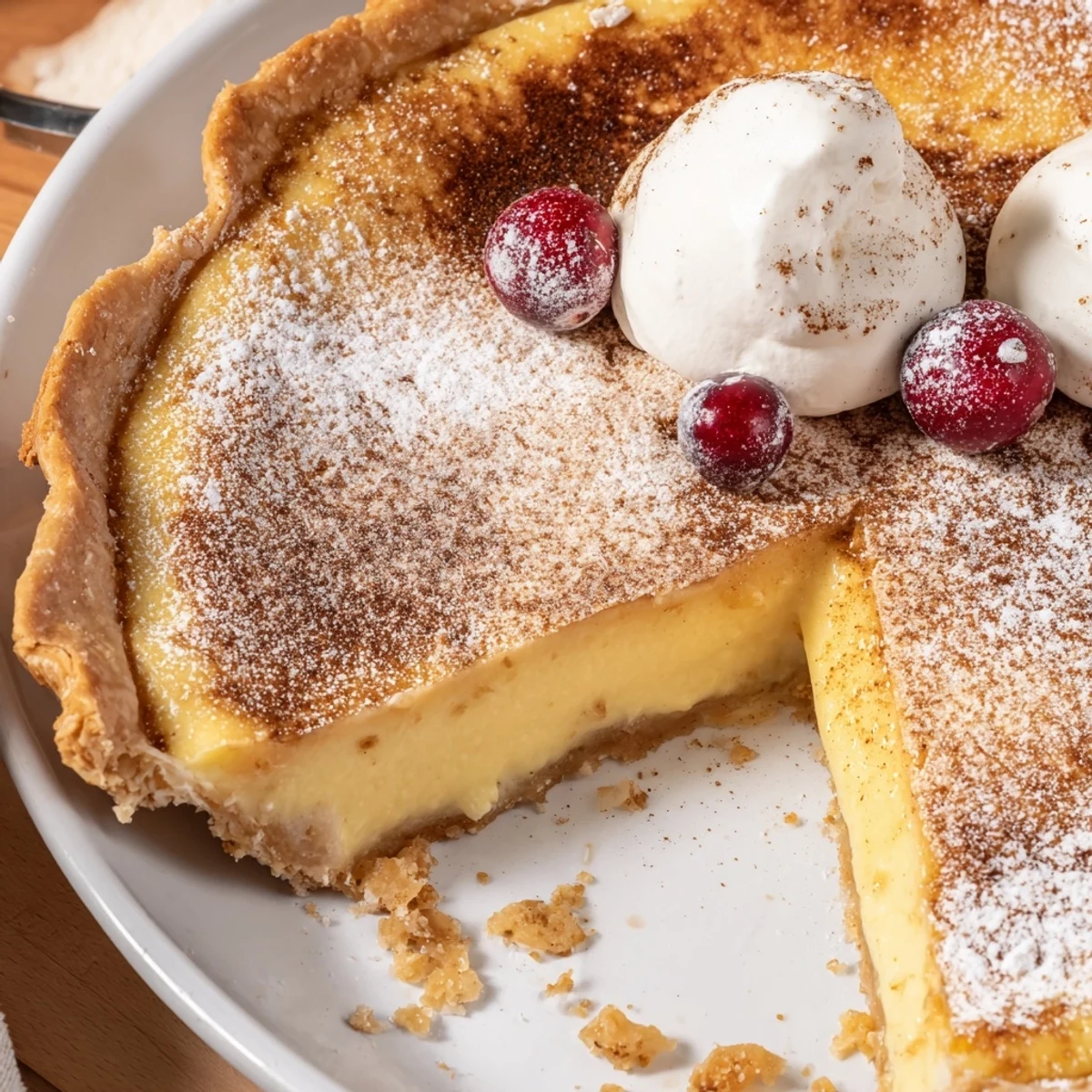
 Preheat oven to 350°F and press a 9-inch crust into a pan. Warm milk and cream, whisk eggs, sugar and cornstarch, then temper with hot dairy to avoid scrambling. Strain for a silky finish, pour into crust and bake 45–50 minutes until center is set but slightly wobbly. Cool on a rack, sprinkle cinnamon, chill at least 2 hours; garnish with sugared cranberries or whipped cream if desired.
The kitchen is somehow quieter on Christmas Eve, with only the soft thrum of the oven and the warm swirl of cinnamon in the air. One year, I impulsively made this custard pie after realizing our dessert table was missing something simple and classic, and the scent of vanilla settled over everything like a blanket. Watching the filling transform from pale liquid to wobbly gold was oddly satisfying, like unwrapping a secret. I always knew desserts could capture a mood, but this one somehow manages to taste like anticipation and comfort at the same time.
The first time I baked this pie for friends, it sparked laughter over who would get the last slice—someone even tried to barter with leftover mashed potatoes for a second helping. We cut it just before midnight, when everything felt extra magical, and a dusting of powdered sugar on top looked like fresh snow. It was passed around with hushed excitement, as if sharing a little secret between us all. To this day, someone always asks for it by name as soon as December rolls around.
Ingredients
- Pie crust: A sturdy 9-inch pie crust gives the custard something cozy to nestle into; I use store-bought in a pinch but homemade makes it extra special.
- Whole milk: The richness of whole milk keeps the custard tender and smooth; don’t substitute with lower fat or it may lack creaminess.
- Heavy cream: This turns the pie from merely good to truly luxurious—don’t be tempted to skimp.
- Eggs: Large eggs set the custard and give it body; crack them carefully to avoid any shell surprises.
- Granulated sugar: Adds subtle sweetness; I’ve found superfine sugar dissolves fastest if you want to avoid any graininess.
- Cornstarch: Just two tablespoons helps the filling thicken without being rubbery; sift it in to ward off lumps.
- Vanilla extract: The soul of the pie; real vanilla makes the flavor rounder and deeper.
- Ground cinnamon: Use fresh cinnamon for a punchier aroma—it makes the filling and topping pop with warm notes.
- Fine sea salt: Just a pinch brings out all the delicate custard flavors.
- Powdered sugar: This is optional for dusting but makes the pie look finished and festive.
Instructions
- Prepare the crust:
- Roll or unroll your crust into a 9-inch pan, pressing into every curve and crimp the edges however you like. This is the moment to fix any tears with a quick pinch—nobody will know once it’s baked.
- Warm the dairy:
- Pour the milk and cream into a saucepan and heat gently until you see barely-there wisps of steam; avoid letting it boil. Give it a swirl and enjoy the subtle sweet scent that fills the kitchen.
- Mix the base:
- In a big bowl, whisk eggs, sugar, cornstarch, vanilla, cinnamon, and salt until completely smooth. Listen for the gentle whisking sound—no need to rush this step, as thorough mixing makes for a silkier pie.
- Temper and combine:
- Slowly ladle the warm milk mixture into the egg mixture, whisking constantly so the eggs don’t scramble. The mixture will look glossy and pale golden, promising good things ahead.
- Strain for smoothness:
- Pour the custard through a fine-mesh sieve into a clean bowl, catching any stray egg bits for an ultra-smooth texture. Don’t skip this—it’s the secret to that flawless, almost glassy finish.
- Fill and bake:
- Gently pour the custard into your prepared crust—move slow to avoid any spills. Slide it into the oven and set the timer; before long, your kitchen will smell just like a cinnamon-scented holiday candle.
- Check for doneness:
- After around 45–50 minutes, look for edges that are set and a center with a slight jiggle. Tent the edges with foil if the crust gets too dark and use your nose—if it smells rich and toasty, it’s almost there.
- Cool it down:
- Let the pie cool on a wire rack; as it sits, the filling will settle and firm up for perfect slicing. Try not to rush—good things truly come to those who wait (and resist poking the center).
- Add finishing touches:
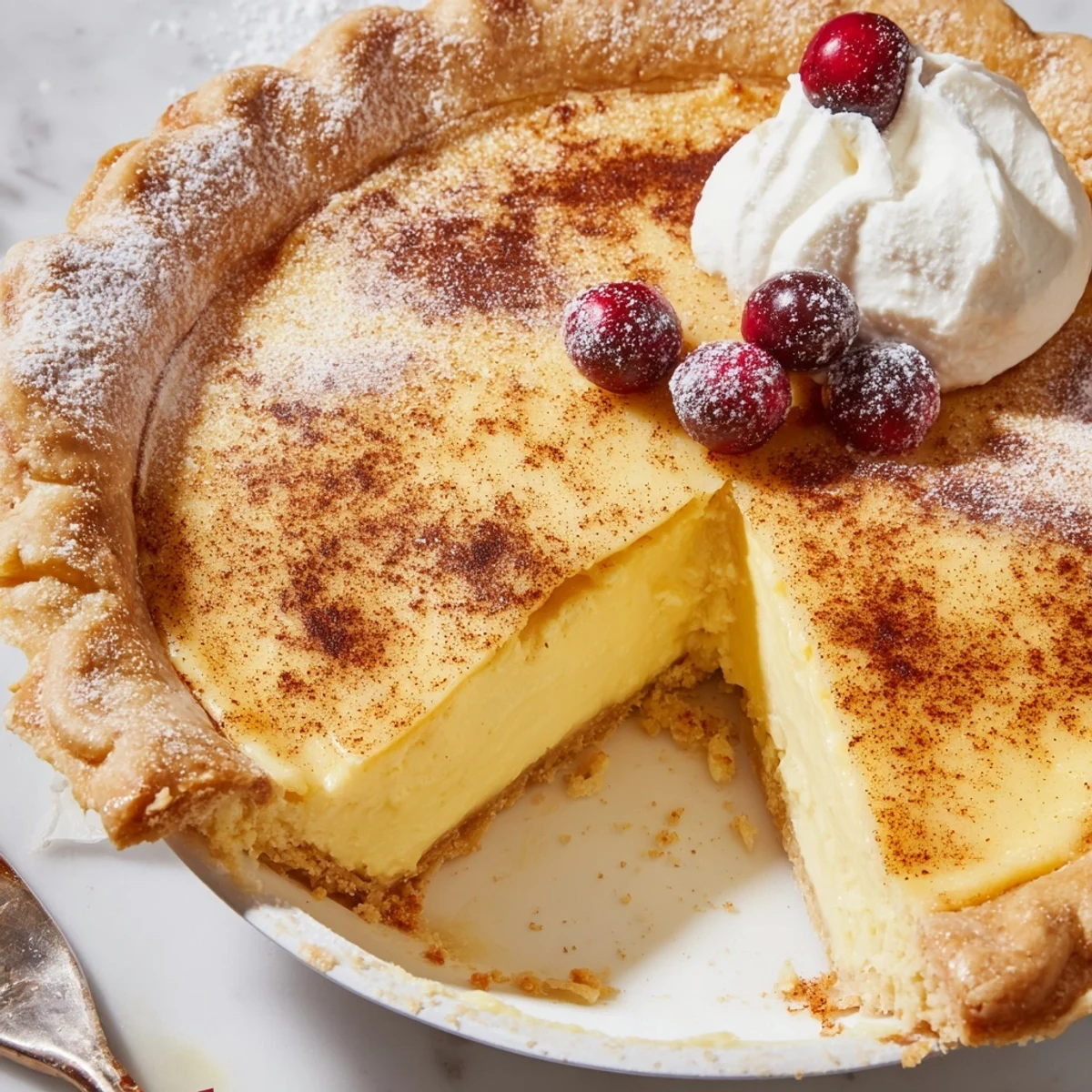
- Sprinkle with cinnamon and, if you’re feeling fancy, use a mesh strainer to dust on some powdered sugar. The swoosh you make is oddly satisfying.
- Chill before serving:
- Refrigerate the pie at least two hours; the flavor deepens and the slices stay picture-perfect. It’s hardest not to sneak a forkful straight away, but you’ll be glad you waited.
 Save to Pinterest
 One holiday I underestimated just how quickly this pie would vanish from the dessert table—my cousin tried to hide the last slice behind a vase, and someone else wrote 'custard pie' in the leftover spot on the fridge with a smily face. It was a small, funny battle, but somehow made the pie taste even better, like a little victory shared by everyone lucky enough to snag a forkful. There’s nothing like seeing crumbs and cinnamon smudges left behind as proof of how much people loved it.
Choosing Your Garnishes
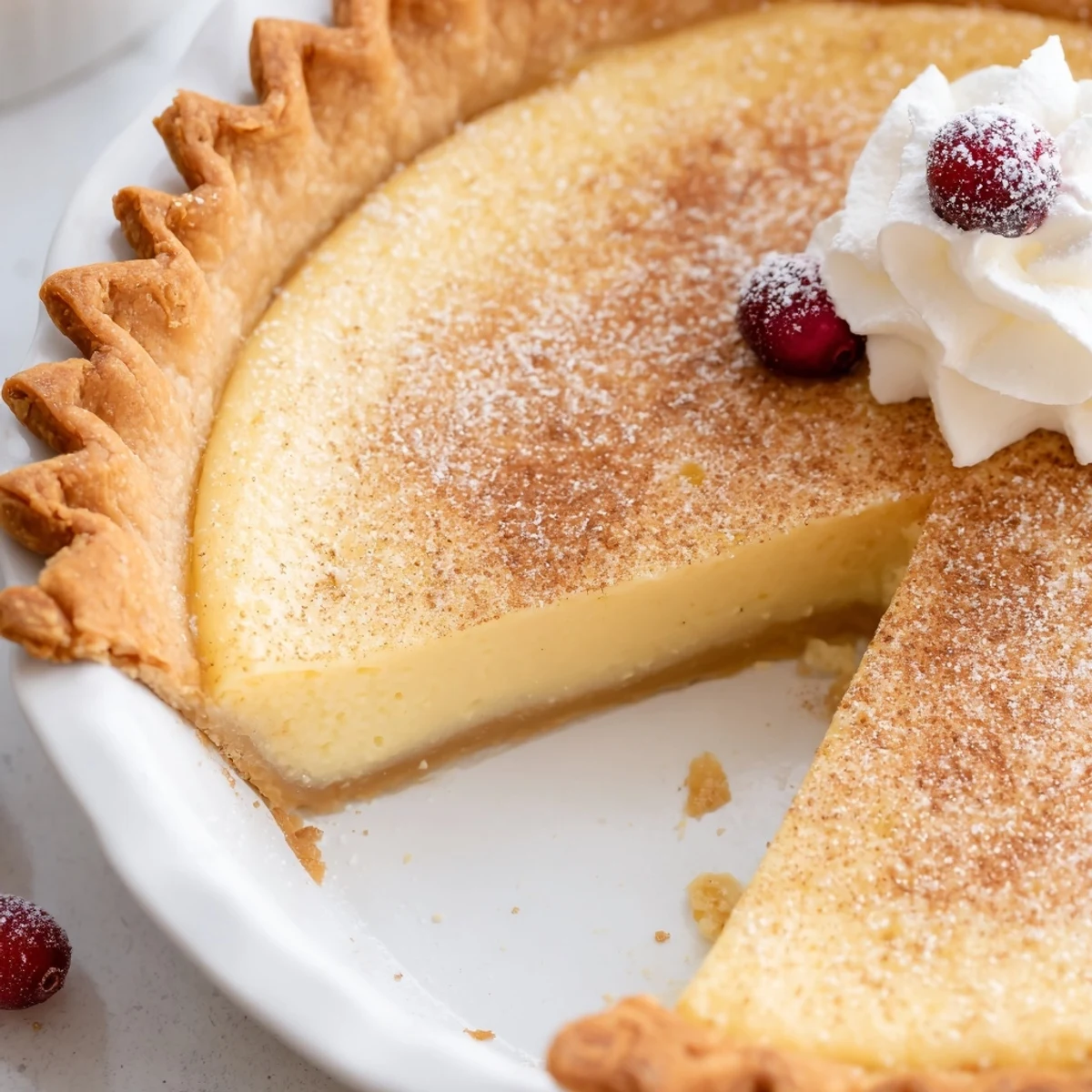
Adding a dusting of powdered sugar or a pile of sugared cranberries can turn a simple custard pie into the centerpiece of your table. Sometimes I like to add a dollop of whipped cream for that cloudlike effect. If you’re feeling adventurous, a drizzle of caramel or touch of orange zest won’t overpower the cinnamon but amplifies the holiday warmth.
Make-Ahead Magic
This custard pie is the type you can make the night before with even better results. Allowing it to cool and rest overnight in the fridge enhances the flavors and makes for perfect, tidy slices the next day. If you’re pressed for time, just be sure to chill for a full two hours minimum before serving to avoid runny centers.
Troubleshooting Holiday Pies
No two ovens behave the same, so keep an eye on the middle of the pie in the final minutes—it should look set at the edges but a bit wobbly in the center. If cracks happen, just cover them with powdered sugar or a flurry of cinnamon—nobody ever notices. Even a little over-baked, the flavors are too good to waste.
- Don’t overfill the crust or it may overflow in the oven.
- Line the rack below your pie with foil for easy cleanup, just in case.
- Let your pie cool completely before moving it to the fridge—it helps avoid condensation.
 Save to Pinterest
 Baking this custard pie feels like building in a little pause between all the holiday rush—each bite soothing and rich, cinnamon lingering in the air. I hope it creates just as many cozy, mischievous, and joy-filled moments at your table this year.
Recipe FAQs
- → How do I know when the custard is done?
-
The center should be set but still slightly wobbly — it will finish setting as it cools. A gentle jiggle indicates the ideal texture; avoid long baking that causes cracks.
- → How can I prevent the eggs from curdling when mixing?
-
Temper the eggs by slowly whisking some warm milk into the egg mixture before combining fully. This gradual temperature increase keeps the custard smooth and prevents scrambling.
- → Can I swap dairy for a lighter option?
-
Use a higher proportion of whole milk to reduce richness, or try a mix of milk and half-and-half. Note that lower-fat milks can affect silkiness and final set.
- → What causes a soggy bottom and how to avoid it?
-
Blind-baking or baking on a preheated baking sheet helps set the crust. If the edges brown too quickly, tent them with foil to ensure the filling cooks fully without burning the crust.
- → How should this be stored and how long does it keep?
-
Cover and refrigerate leftovers for up to 3 days. Keep chilled until serving to maintain the custard's texture; avoid freezing, which can break the custard's creaminess.
- → Any tips for adding festive flavor variations?
-
Stir in a splash of bourbon or brandy for warmth, or top with sugared cranberries and whipped cream for holiday flair. A light dusting of powdered sugar brightens presentation.