
 Save to Pinterest
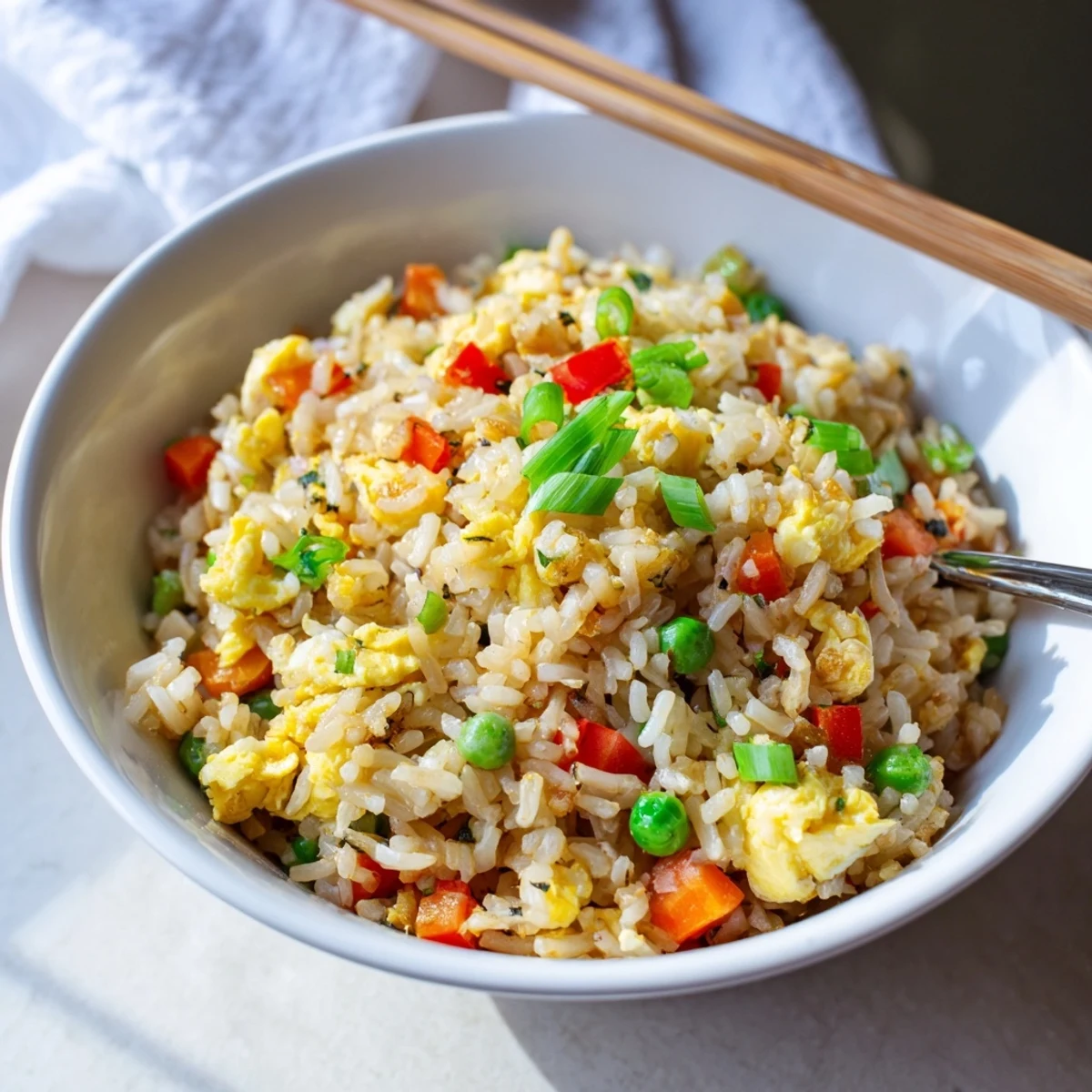
 This beloved Asian stir-fry transforms day-old jasmine rice into a fluffy, aromatic dish loaded with colorful vegetables. The key to perfect texture lies using cold, pre-cooked rice that's been chilled overnight, preventing clumping during high-heat cooking. Each grain absorbs the savory blend of soy sauce, sesame oil, and aromatic garlic-ginger base while maintaining distinct separation.
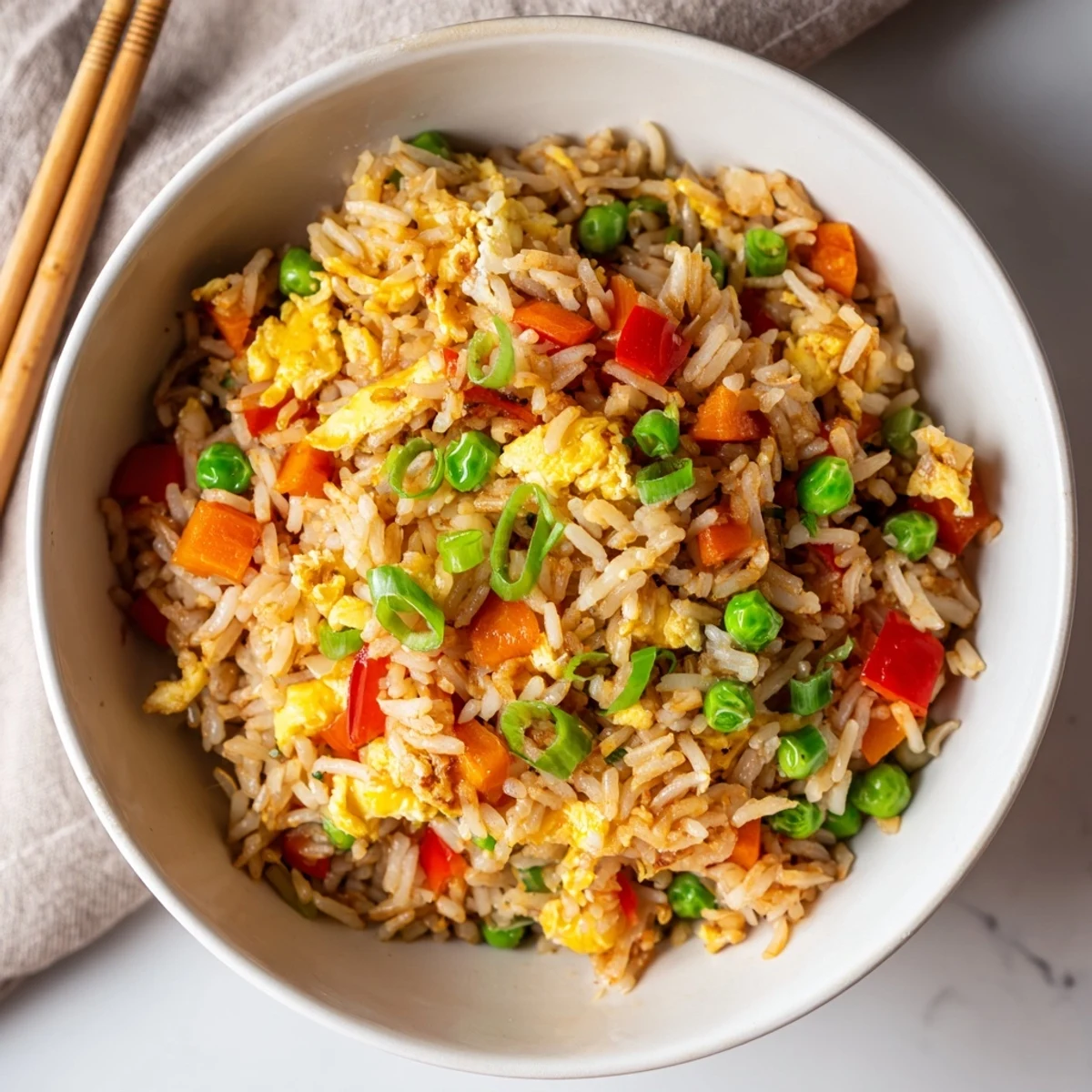
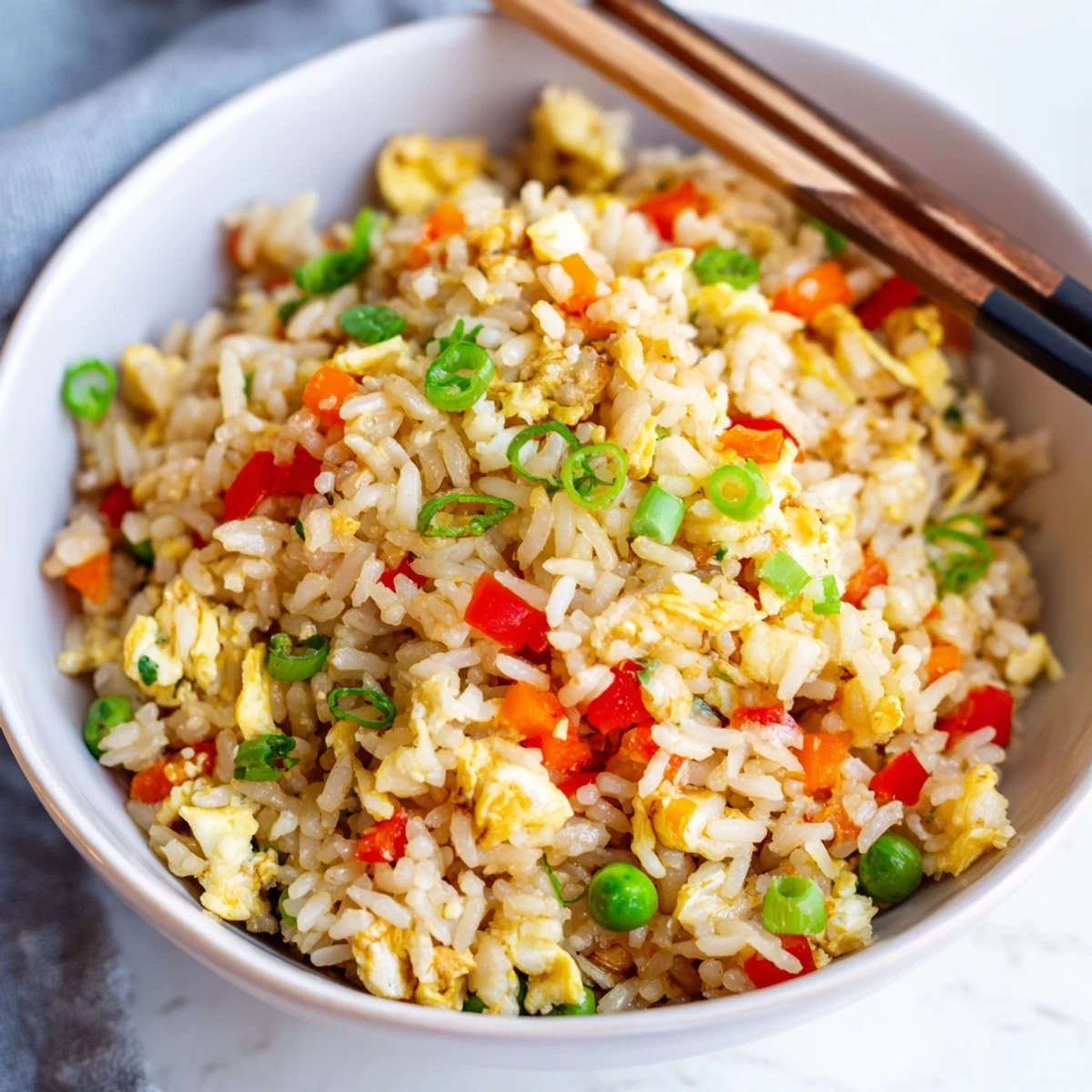
Whisked eggs create protein-rich ribbons throughout, while peas, carrots, bell peppers, and green onions provide crunch and vibrant color. The high-heat wok method develops subtle crispy edges on the rice grains, creating that signature restaurant-quality texture. Seasoned with white pepper and optional oyster sauce, every bite delivers umami richness.
Cooking takes just 15 minutes after prep, making this an excellent weeknight dinner that easily incorporates leftover proteins like chicken, shrimp, or tofu. The dish naturally accommodates dietary preferences—simply swap soy sauce for gluten-free tamari or omit eggs for vegan variations.
My tiny apartment kitchen became an accidental test lab for fried rice during college when I realized takeout was burning through my grocery budget faster than I could admit. One Tuesday night, staring at a container of leftover rice from the weekend, I decided to just go for it. The wok hissed and popped, vegetables flew everywhere, and what emerged was surprisingly delicious. That chaotic evening taught me more about wok cooking than any cookbook ever could.
Last summer, my friend Maya came over for dinner and watched me make this, genuinely fascinated by how simple the process actually was. She had always ordered fried rice, assuming it required some secret technique or hours of preparation. When I showed her the trick of using cold rice and cooking everything over high heat, she immediately texted her mom the recipe. Now she makes it every Sunday for meal prep.
Ingredients
- Cooked jasmine or long-grain rice: Day-old rice is non-negotiable here, it firms up in the fridge and separates into beautiful distinct grains instead of turning into mush
- Frozen peas and carrots: The frozen variety actually work better than fresh in fried rice, they hold their texture during high heat cooking
- Diced onion: Provides the aromatic base that builds layers of flavor from the very first minute of cooking
- Chopped green onions: Save some for garnish because that fresh pop of color and mild onion flavor makes the dish feel complete
- Red bell pepper: Adds sweetness and a gorgeous contrast color that makes the whole dish look vibrant and appetizing
- Large eggs: Scrambled separately first, they create fluffy curds throughout the rice instead of disappearing into the background
- Cooked diced protein: Completely optional but leftover rotisserie chicken or cooked tofu makes this a complete one bowl meal
- Soy sauce: The seasoning backbone, low sodium gives you more control over the final salt level
- Oyster sauce: Adds a subtle sweetness and depth that makes restaurant fried rice taste so much better than homemade
- Sesame oil: Just a teaspoon provides that unmistakable nutty aroma we associate with Asian stir-fries
- White or black pepper: Freshly ground black pepper or white pepper adds warmth without overpowering the delicate flavors
- Garlic and ginger: Mince them together because they are the power couple of Asian cooking, providing instant aroma and flavor
- Vegetable oil: A neutral oil with a high smoke point is essential for the high heat cooking method
Instructions
- Prep your mise en place:
- Dice all vegetables, beat the eggs in a small bowl, and break up any clumps in your cold rice with your fingers so every grain is separate and ready to mingle
- Scramble the eggs first:
- Heat one tablespoon of oil in your wok over medium-high heat, pour in the beaten eggs and scramble quickly until just set, then remove them immediately so they stay fluffy
- Build the aromatics:
- Add the remaining oil to the hot wok, toss in onions, garlic, and ginger, and stir-fry for one to two minutes until your kitchen fills with that incredible sizzling aroma
- Add hearty vegetables:
- Toss in the bell pepper and peas with carrots, stir-frying for two to three minutes until they are just tender but still have some crunch
- Crank up the heat:
- Turn your burner to high, add the cold rice, and stir-fry constantly for two to three minutes, letting the grains get slightly toasted and catching those delicious crispy bits at the bottom
- Bring it all together:
- Add your cooked protein if using and those fluffy scrambled eggs back into the wok, tossing everything together to heat through
- Season and finish:
- Pour in soy sauce, oyster sauce, sesame oil, and pepper, toss everything thoroughly so every grain is coated and glistening
- Add the final touch:
- Stir in most of the green onions, taste and adjust seasoning, then serve immediately in bowls topped with the reserved green onions
 Save to Pinterest
 This recipe became my go-to comfort food during a particularly stressful month at work. Something about the rhythm of chopping vegetables, the sound of the wok hissing, and the way my apartment filled with savory aromas made even the worst days feel manageable. My roommate started requesting it weekly, and it became our little ritual to catch up over steaming bowls.
Making It Your Own
The beauty of fried rice lies in its infinite adaptability. I have made countless variations depending on what is languishing in my crisper drawer. Corn, broccoli florets, sliced mushrooms, diced zucchini, even leftover roasted vegetables work beautifully here. The key is cutting everything into similar small pieces so everything cooks evenly and you get a bit of every flavor in each spoonful.
The Art of Wok Cooking
High heat is your best friend when making fried rice, but do not be afraid of the smoke. That slight char on the rice grains, called wok hei, is what gives restaurant fried rice its signature flavor and aroma. Let the rice sit undisturbed for thirty seconds at a time before tossing, allowing those crispy bits to form at the bottom of the pan. A well-seasoned wok or cast iron skillet develops natural non-stick properties over time, making this process easier and more successful.
Perfect Pairings
While fried rice stands alone perfectly as a complete meal, I love serving it alongside simple grilled proteins or Asian inspired dishes. The contrast between the hot, seasoned rice and something fresh and cool creates such a satisfying meal. Sometimes I will whip up a quick cucumber salad with rice vinegar dressing, or just serve it with steamed dumplings from the freezer section for an easy weeknight feast.
- Make extra rice specifically for fried rice by cooking a double batch and spreading the excess on a baking sheet to cool completely before refrigerating
- Invest in a good fish slice or metal spatula, the flat edge makes tossing and flipping rice much easier than a curved spoon
- Keep your bottle of sesame oil in the pantry rather than the fridge, it stays fluid and pours more easily at room temperature
 Save to Pinterest
 There is something deeply satisfying about transforming humble leftovers into a dish that feels special and complete. This recipe taught me that great cooking is not about expensive ingredients or complicated techniques, but about understanding simple principles and applying them with confidence.
Recipe FAQs
- → Why must I use day-old rice for stir-frying?
-
Cold, refrigerated rice has lower moisture content than freshly cooked grains, which prevents clumping and creates that signature fluffy texture. Fresh rice tends to become mushy during stir-frying. If you're in a pinch, spread hot cooked rice on a baking sheet and freeze for 15-20 minutes before using.
- → Can I make this without a wok?
-
Absolutely. Use a large, wide skillet or frying pan instead. The key is cooking over high heat and having enough surface area to spread the rice in a thin layer. Cast iron or stainless steel pans work beautifully for achieving those slightly crispy, toasted edges on the rice grains.
- → What proteins work best in this stir-fry?
-
Leftover cooked chicken, shrimp, pork, or beef all integrate seamlessly. For plant-based options, use cubed firm tofu, edamame, or cashews for protein. Cook raw proteins separately first, then add back when combining with rice to prevent overcooking or undercooking either component.
- → How do I prevent my rice from becoming soggy?
-
Avoid overcrowding the pan, which steams rather than stir-fries. Work in batches if necessary. Also, add sauces toward the end and toss quickly rather than letting rice simmer in liquid. The high-heat method should coat grains without softening them further.
- → Can I prepare this dish ahead for meal prep?
-
This is excellent for meal prep. Cook fully, cool completely, and store in airtight containers for up to 4 days. Reheat in a skillet with a splash of oil to restore texture, or microwave with a damp paper towel to prevent drying out. The flavors often improve after resting overnight.