
 Save to Pinterest
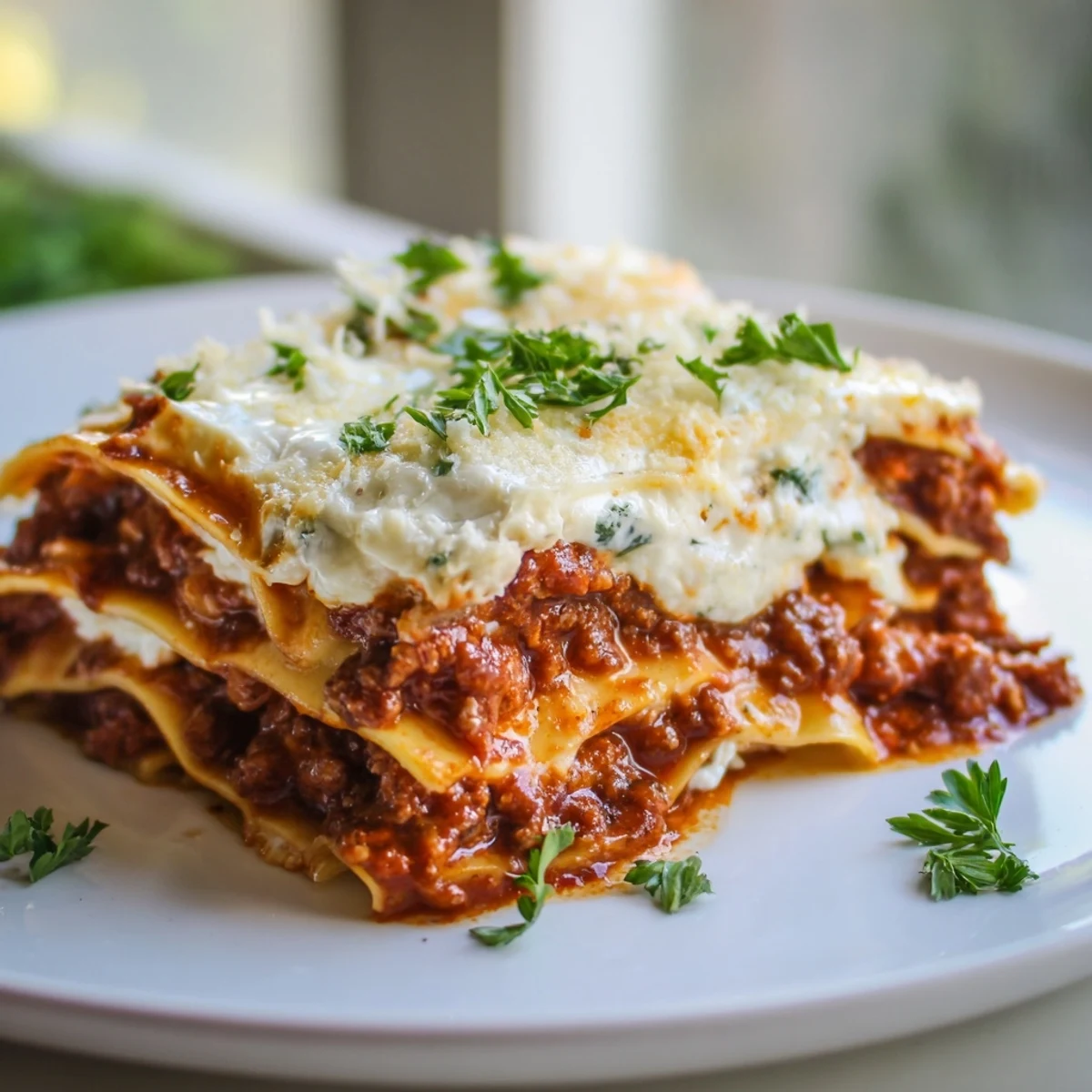
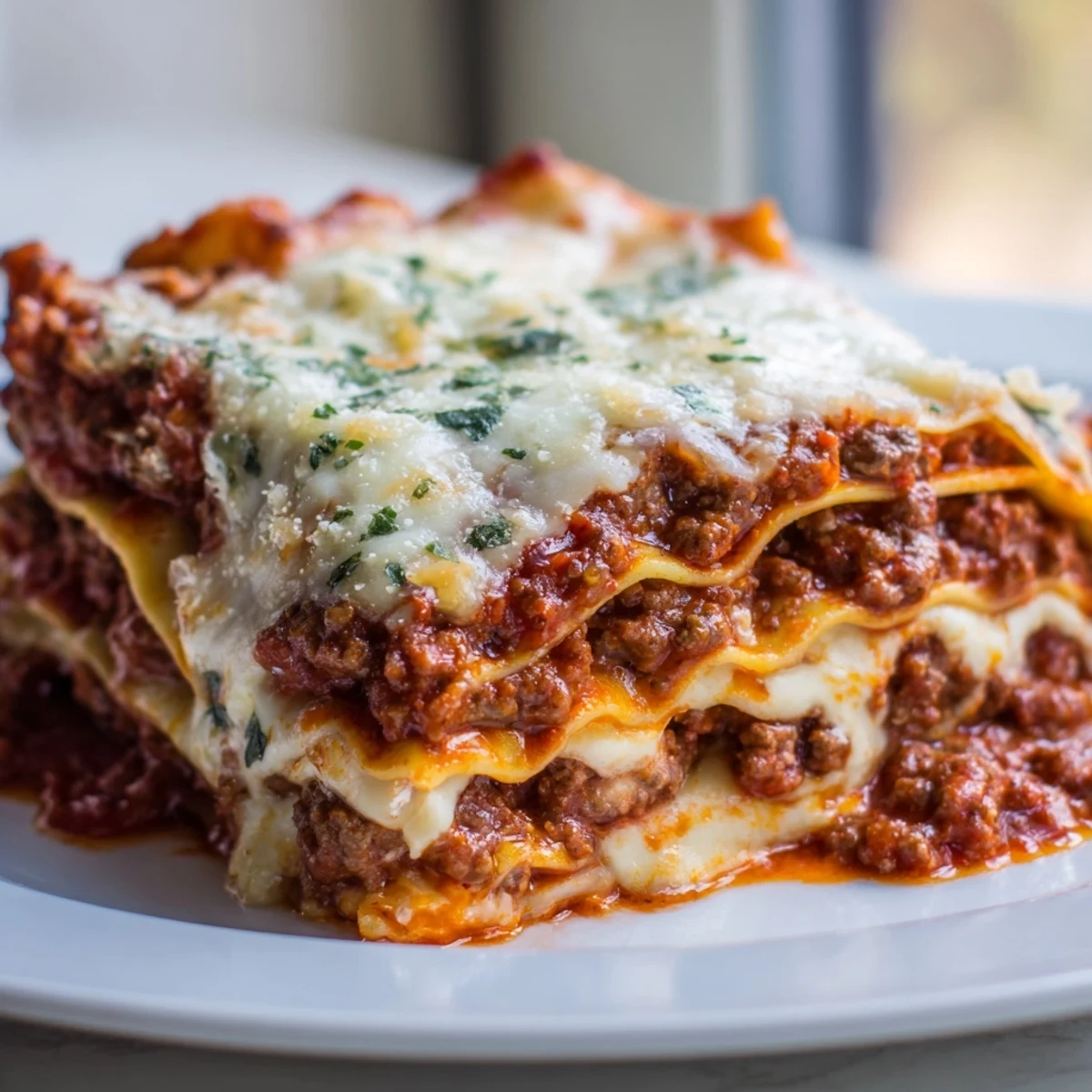
 This Italian layered dish features a savory beef sauce simmered with herbs and tomatoes, combined with creamy ricotta cheese mixed with Parmesan and fresh parsley. Tender noodles are layered alternately with meat sauce, ricotta mixture, and shredded mozzarella, baked until bubbly and golden. The dish rests briefly to meld flavors before serving, making it a hearty and comforting centerpiece perfect for gatherings or family meals.
The smell of simmering tomato sauce always pulls me back to a winter Sunday when I attempted lasagna for the first time, nervously layering noodles while my neighbor hummed opera through the kitchen window. I undercooked the noodles and oversalted the ricotta, but the moment I pulled that bubbling dish from the oven, golden and fragrant, I understood why people make this over and over. It forgives mistakes and rewards patience. Now it's my go-to when I want the house to smell like home.
I made this for my sister's birthday one year, and she cried a little when she tasted it, not because it was perfect, but because it reminded her of the lasagna our grandmother used to make on special occasions. I hadn't intended to recreate a memory, but food has a way of doing that on its own. Since then, I've made it for potlucks, weeknight dinners, and quiet Sundays when I just want to stand at the stove and stir something slowly. It's become a kind of ritual.
Ingredients
- Olive oil: A neutral base for building flavor, it keeps the onions from sticking and adds a hint of richness without overpowering the sauce.
- Onion and garlic: The foundation of the sauce, they soften and sweeten as they cook, filling the kitchen with a smell that makes you hungry before anything's even ready.
- Ground beef: Choose beef with a little fat for moisture and flavor, and break it up well so it blends into the sauce instead of forming clumps.
- Salt, pepper, oregano, basil, and red pepper flakes: These seasonings layer in warmth and depth, with the red pepper adding just a whisper of heat if you want it.
- Tomato paste: Concentrated and slightly caramelized when cooked, it darkens the sauce and gives it body.
- Crushed tomatoes and tomato sauce: The crushed tomatoes add texture, while the sauce smooths everything out and ties the flavors together.
- Sugar: A small amount balances the acidity of the tomatoes and rounds out the sauce without making it sweet.
- Ricotta cheese: Creamy and mild, it acts as a soft, cooling layer between the rich meat and sharp cheeses.
- Egg: Mixed into the ricotta, it helps the cheese layer set and hold its shape when you slice into the lasagna.
- Parmesan cheese: Sharp and salty, it adds a nutty depth that melts beautifully and crisps at the edges.
- Fresh parsley: A handful of green freshness that brightens the ricotta and cuts through the richness.
- Lasagna noodles: Whether you boil them or use no-boil, they soften into tender layers that soak up the sauce and hold everything together.
- Mozzarella cheese: The star of the bubbling, golden top, it melts into stretchy, satisfying strands that make every bite feel indulgent.
Instructions
- Preheat the oven:
- Set it to 375°F (190°C) so it's ready when you finish assembling, giving you time to clean up while the lasagna bakes.
- Start the meat sauce:
- Warm olive oil in a large skillet, then add the chopped onion and let it soften for a few minutes until it turns translucent and fragrant. Stir in the garlic and cook just until you can smell it, then add the ground beef, breaking it apart with a wooden spoon as it browns and mixing in the salt, pepper, oregano, basil, and red pepper flakes.
- Build the flavor:
- Once the beef is fully cooked, drain any excess fat, then stir in the tomato paste and let it cook for a minute to deepen its color and concentrate its flavor. Pour in the crushed tomatoes, tomato sauce, and sugar, then lower the heat and let the sauce simmer gently for 20 to 25 minutes, stirring now and then as it thickens and the flavors meld.
- Mix the ricotta:
- In a medium bowl, combine the ricotta, egg, Parmesan, parsley, salt, and pepper, stirring until everything is smooth and evenly blended.
- Prepare the noodles:
- If you're using regular lasagna noodles, cook them according to the package directions, then drain and lay them flat on a towel so they don't stick. If you're using no-boil noodles, skip this step and move straight to assembling.
- Layer the lasagna:
- Spread 1 cup of meat sauce across the bottom of a 9x13-inch baking dish, then lay down 4 noodles, spread one-third of the ricotta mixture over them, sprinkle with 1 cup of mozzarella, and spoon about 1 1/2 cups of meat sauce on top. Repeat this process two more times, finishing with a final layer of noodles topped with the remaining meat sauce, then sprinkle the last of the mozzarella and Parmesan over everything.
- Bake covered:
- Cover the dish tightly with foil, spraying the underside with a little oil so the cheese doesn't stick, and bake for 25 minutes. Remove the foil and continue baking for another 20 to 25 minutes, until the cheese on top is golden, bubbly, and irresistible.
- Rest before serving:
- Let the lasagna sit for 15 minutes after you pull it from the oven so the layers can settle and you can slice it cleanly without everything sliding apart.
 Save to Pinterest
 One evening, I served this to a group of friends who'd never tried homemade lasagna before, and they ate in near silence, too focused on their plates to talk much. Afterward, someone said it felt like being invited into a family tradition, even though we'd only known each other a few months. That's when I realized this dish does more than feed people, it makes them feel cared for, like they're sitting at a table where they belong.
Make It Your Own
Some nights I add half a pound of crumbled Italian sausage to the beef for a spicier, more complex sauce, and other times I tuck sautéed spinach or thin slices of roasted zucchini between the layers for a bit of green. If you're not a fan of ricotta, cottage cheese works surprisingly well, especially if you blend it smooth. The recipe is forgiving and welcomes your own touches, so don't be afraid to experiment.
Serving and Pairing
I like to serve this with a simple green salad dressed in lemon and olive oil, something crisp to balance the richness of the cheese and meat. A basket of warm, crusty bread for mopping up sauce never hurts, and a glass of Chianti or Sangiovese makes the whole meal feel a little more special. Leftovers reheat beautifully in the oven, covered with foil, and taste even better the next day when the flavors have had time to settle.
Storage and Reheating
Store leftover lasagna in an airtight container in the fridge for up to four days, or wrap individual portions in foil and freeze them for up to three months. To reheat, cover with foil and bake at 350°F (175°C) until warmed through, or microwave single servings with a damp paper towel on top to keep them from drying out. Frozen portions can go straight from freezer to oven, just add an extra 15 minutes to the baking time.
- Always let the lasagna cool completely before wrapping and freezing to prevent ice crystals from forming.
- Label your frozen portions with the date so you know when to use them before they lose their texture.
- Reheat gently to avoid drying out the noodles or making the cheese rubbery.
 Save to Pinterest
 This lasagna has become one of those recipes I make without thinking, the kind that feels like muscle memory and comfort all at once. I hope it finds a place in your kitchen the way it has in mine, filling your home with warmth and bringing people together over something simple, hearty, and made with care.
Recipe FAQs
- → What type of beef is best for the sauce?
-
Ground beef with moderate fat content works best, providing rich flavor and moist texture to the sauce.
- → Can I use no-boil noodles instead of regular lasagna noodles?
-
Yes, no-boil noodles save time and work well, absorbing moisture from the sauce during baking.
- → How is the ricotta mixture prepared?
-
Ricotta is combined with egg, grated Parmesan, parsley, salt, and pepper to create a creamy, flavorful layer.
- → What herbs enhance the meat sauce flavor?
-
Dried oregano, basil, and optional crushed red pepper flakes add depth and a touch of heat to the beef sauce.
- → Can I add vegetables to this dish?
-
Yes, adding sautéed spinach or roasted vegetables between layers adds variety and extra nutrients.