
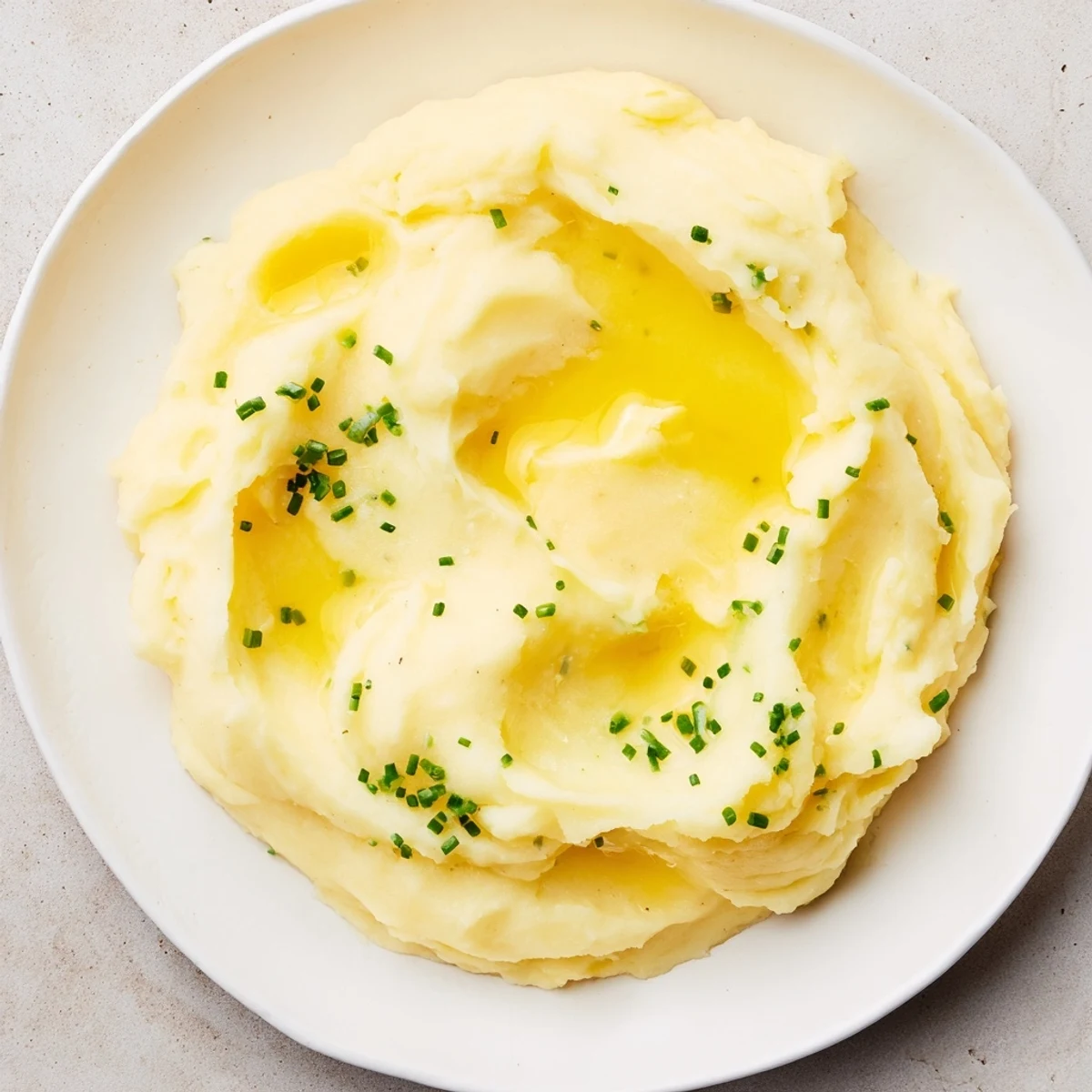
 Save to Pinterest
 This side features fluffy Yukon Gold or Russet potatoes boiled until tender, then mashed to a silky texture with warm milk, cream, and butter. Seasoned with sea salt and black pepper, the mixture is garnished with fresh chives or parsley for a delicate finish. Ideal alongside roasts or festive dinners, it offers a classic comforting addition with a rich, creamy mouthfeel. Variations include adding sour cream or roasted garlic for enhanced flavor. Preparation is straightforward, yielding a smooth, lightly seasoned dish that pairs perfectly with gravies and meats.
There's a particular Tuesday when my dad called asking for the mashed potato recipe my mom had finally written down—not because he couldn't make them, but because he wanted to know why mine tasted different. It took me a moment to realize the secret wasn't in some fancy technique but in the small patience of warming the dairy before stirring it in, and letting the potatoes steam dry for just long enough. That phone call made me understand that the best comfort foods aren't complicated; they're just made with intention.
I learned the steaming trick during a chaotic Thanksgiving when my sister nudged me aside at the stove and whispered that leaving the hot potatoes in the pot for a minute longer made all the difference. She was right—that small window of steam rising off the surface actually helps dry them out, which means the butter and cream don't get absorbed into watery potato mush. It's the kind of thing that sounds fussy but genuinely matters.
Ingredients
- Yukon Gold or Russet potatoes (2.6 lbs): Yukon Golds tend to be naturally creamier and hold their shape better, while Russets are starchier and fluffier—choose based on whether you want silky or light.
- Whole milk, warmed (½ cup): Cold milk will seize up the butter and make lumps; warming it first keeps everything smooth as you fold it in.
- Unsalted butter, room temperature (¼ cup): This is where the real flavor lives, and room temperature means it incorporates without clumping.
- Heavy cream, warmed (¼ cup): The secret to that velvety texture that makes people ask for seconds.
- Fine sea salt (1 tsp plus more): Taste as you go—you'll always need more salt than you think, especially in a big pot.
- Freshly ground black pepper (½ tsp): Fresh pepper adds a subtle sharpness that boxed stuff can't touch.
- Chives or parsley for garnish (optional): A small handful scattered on top wakes up the whole dish and makes it feel less plain.
Instructions
- Start with cold water:
- Drop your potato chunks into a large pot, cover with cold water, and add that teaspoon of salt right away. Starting cold means the potatoes cook more evenly from the outside in.
- Boil, then simmer gently:
- Bring it to a rolling boil over high heat, then pull it back to a gentle simmer and cook for 15 to 18 minutes—you're aiming for potatoes so tender a fork slides through with almost no resistance. Test early and often; overcooked potatoes get waterlogged.
- Drain and let them breathe:
- Pour them into a colander and let all that water drain completely. Return the hot potatoes to the pot and leave them for a minute or two—you'll actually see steam rising off them, which is exactly what you want.
- Mash smooth:
- Use a potato masher or ricer to break them down until they're completely lump-free. A ricer gives you the silkiest result, but a masher works perfectly fine if that's what you have.
- Fold in the dairy slowly:
- This is where patience pays off—add the warmed milk, cream, and butter a bit at a time, stirring gently until each addition is fully blended. Rushing this step or using cold dairy will give you lumpy results.
- Season and taste:
- Add that half teaspoon of pepper and then taste before adding more salt—you'll almost always need an extra pinch or two. Keep tasting until it makes you want to eat them straight from the pot.
- Serve hot with a finishing touch:
- Transfer to your serving bowl, scatter chives or parsley over the top if you're using them, and serve right away while they're still steaming.
 Save to Pinterest
 My neighbor once brought over a potato ricer she'd had for thirty years, and I remember thinking it was a waste of cabinet space until she showed me the difference it makes. The potatoes came out almost impossibly fluffy, like clouds that somehow tasted like butter and cream. It's one of those small kitchen tools that changes what's possible without making anything harder.
Make-Ahead Magic
You can absolutely make these the morning of your dinner—they actually taste just as good reheated, sometimes better because the flavors settle in. Spoon them into a buttered baking dish, cover with foil, and refrigerate until you're ready. When it's time, reheat gently in a 350°F oven for about 20 minutes, loosening them up with a splash of warm milk if they've tightened as they sat.
Flavor Riffs Worth Trying
The base recipe is perfect on its own, but these potatoes are also a beautiful canvas for whatever sounds good at the moment. Roasted garlic cloves folded in at the end taste incredible, sharp cheddar or gruyère transforms them into something fancier, and a touch of sour cream in place of some of the milk adds a subtle tang that pairs beautifully with rich roasts. Even a spoonful of Dijon mustard stirred in surprised me in the best way—it doesn't taste like mustard, just enhances everything else.
The Real Secret
The truth is that good mashed potatoes aren't about exotic ingredients or complicated steps; they're about respecting each piece of the process and not rushing.
- Start cold, finish hot, and taste constantly.
- Warm everything before it goes in so nothing seizes or gets lumpy.
- Remember that leftovers reheat beautifully with just a splash of extra milk and a little warmth.
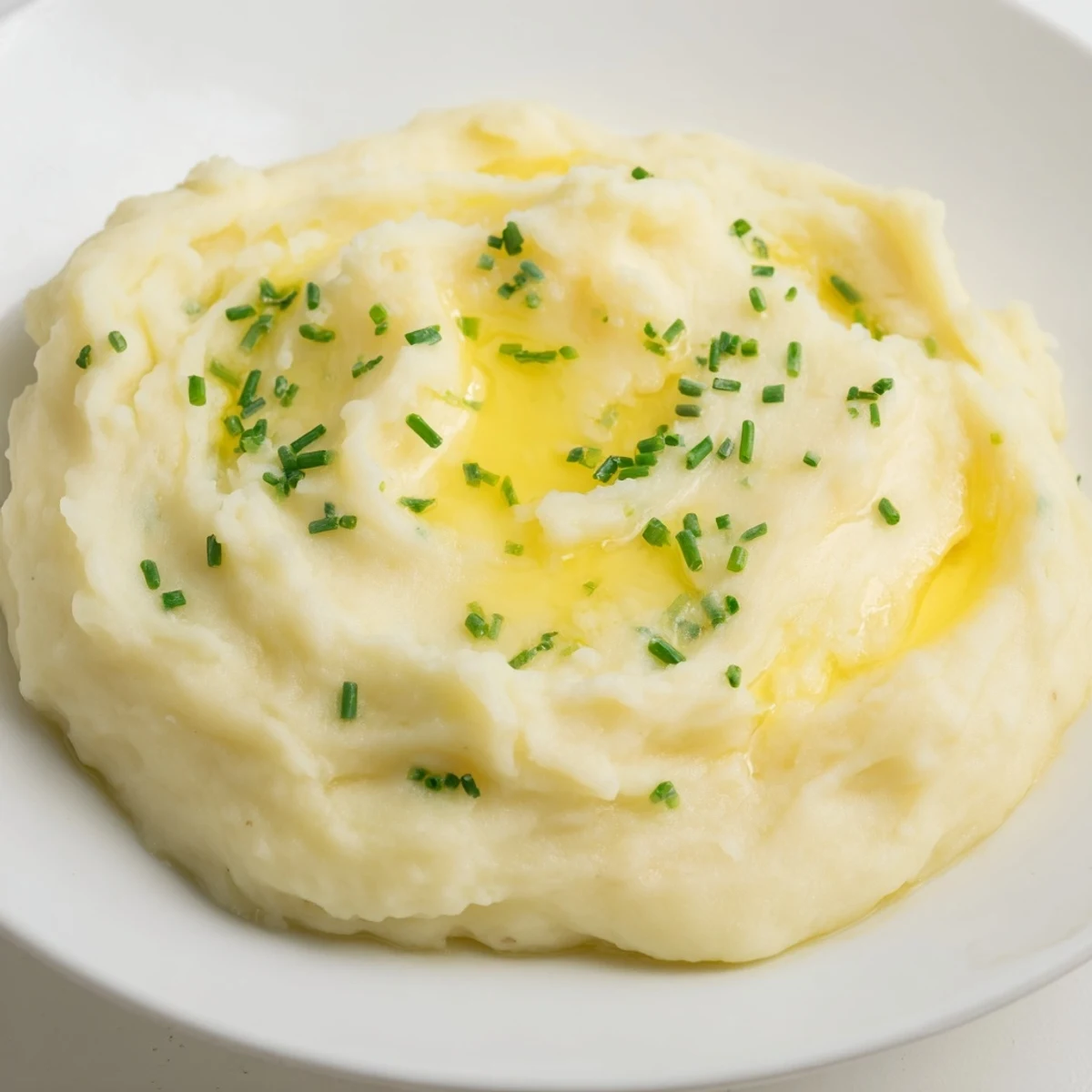 Save to Pinterest
 These potatoes have been on my table for every important dinner, every ordinary Thursday, every time someone needed comfort in food form. They're proof that some of the most meaningful dishes are the simplest ones, made better by small attentions and genuine care.
Recipe FAQs
- → What type of potatoes work best?
-
Yukon Gold or Russet potatoes are ideal for achieving a fluffy and creamy texture.
- → How do I avoid lumps in the mash?
-
Mash the potatoes while still hot using a ricer or masher, and mix gradually with warm dairy to ensure smoothness.
- → Can I prepare this ahead of time?
-
Yes, you can make it ahead and gently reheat with a splash of milk to restore creaminess.
- → What seasoning enhances the flavor?
-
Fine sea salt and freshly ground black pepper balance the creaminess; chopped chives or parsley add freshness.
- → Are there flavorful alternatives to butter and cream?
-
Substituting sour cream or adding roasted garlic or cream cheese can add depth to the dish.