
 Save to Pinterest
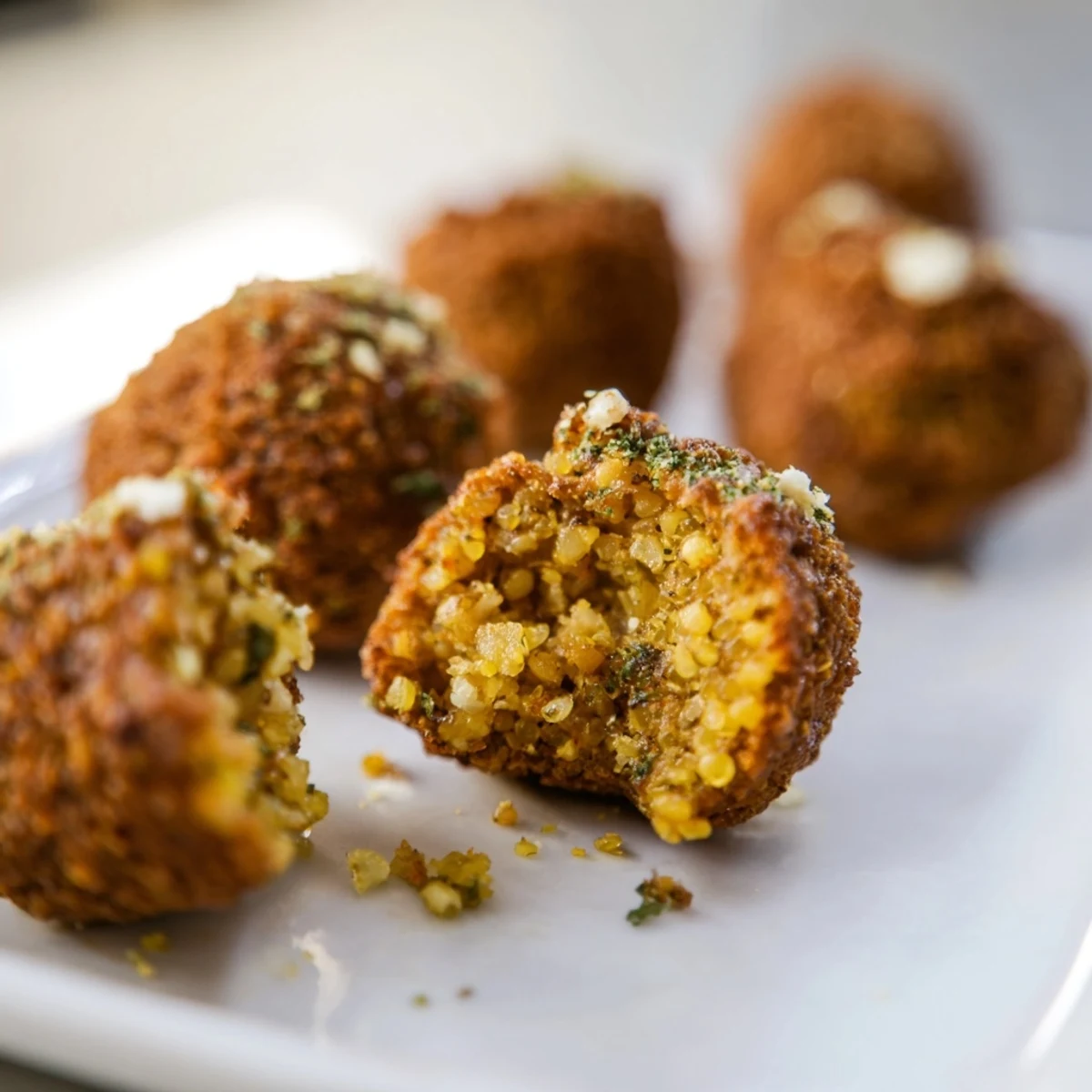
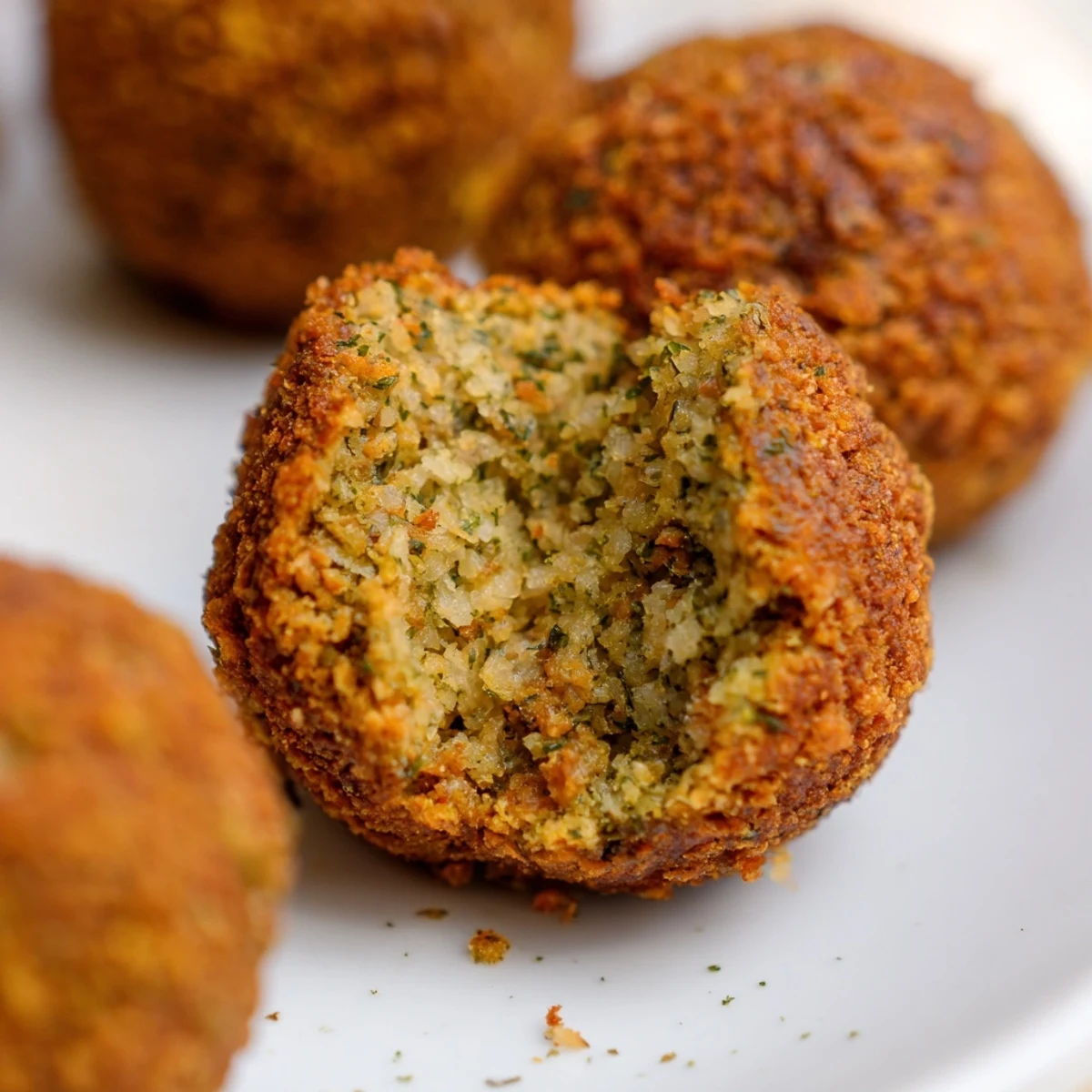
 Enjoy golden, crunchy falafel crafted from soaked chickpeas blended with fresh parsley, cilantro, onions, and aromatic spices. After chilling the mixture for easier shaping, these herb-infused patties are fried to a crisp exterior while remaining tender inside. They pair wonderfully with pita, tahini, and fresh veggies, offering a flavorful Middle Eastern touch that fits vegan and dairy-free preferences. Baking is also an option for a lighter finish, making these falafel versatile and delicious for any plant-based meal.
I still remember the first time I bit into a truly crispy falafel at a small family-run restaurant in Jerusalem, where the owner's grandmother had been making them the same way for decades. The outside shattered between my teeth while the inside remained impossibly tender, infused with fresh herbs that tasted like they'd been picked that morning. Years later, I finally cracked the code in my own kitchen—it's all about using dried chickpeas, never canned, and giving yourself the gift of patience. Now, whenever I make these golden patties, I'm transported back to that sun-drenched afternoon, and I get to share that magic with everyone I cook for.
I'll never forget the time I made these for my skeptical brother-in-law who claimed he didn't like Middle Eastern food—he ate four falafel before asking for the recipe, and now he makes them every other week. That's when I realized these aren't just snacks or meal components; they're small vehicles of joy that bring people together.
Ingredients
- Dried chickpeas (1 1/2 cups): This is non-negotiable—canned chickpeas are too wet and will give you dense, soggy falafel instead of that prized crispy exterior. Soak them overnight until they're tender but not mushy, and you'll understand why this one decision matters so much
- Fresh parsley and cilantro (1 cup each): These herbs are the heart of falafel, giving it that green fleck and fresh, almost grassy flavor that makes people ask what your secret is
- Onion and garlic (1 small onion, 4 cloves): They add depth and sweetness, becoming almost imperceptible once cooked but leaving behind a savory richness that makes you want more
- Ground cumin and coriander (1 1/2 tsp and 1 tsp): These warm spices are the signature of good falafel—they remind your palate that you're eating something with history and tradition
- Cayenne pepper (1/2 tsp optional): A whisper of heat that lingers pleasantly; add it if you like your food to have a little personality
- Baking powder and flour (1/2 tsp and 3 tbsp): The binding agents that help your mixture hold together and fry to that golden-brown perfection—the baking powder especially adds extra lift and airiness
- Vegetable oil for frying: Use oil with a high smoke point; it's worth seeking out quality here since it's your main cooking medium
Instructions
- Soak your chickpeas with intention:
- Cover them generously with cold water and let them sit overnight—at least 12 hours, though up to 24 hours is even better. They should be tender enough to break easily between your fingers but still hold their shape. Drain them thoroughly before moving forward; excess water is the enemy of crispiness
- Build your flavor base:
- Pulse your soaked chickpeas with the fresh parsley, cilantro, onion, and garlic in a food processor until everything is finely minced but still has some texture—not a smooth paste. You want tiny specks of herb throughout, creating flecks of green in every bite
- Season and bind:
- Add your cumin, coriander, cayenne, salt, pepper, baking powder, and flour, pulsing until everything is evenly distributed and the mixture holds together when you press it in your palm. This is when you'll notice the transformation from separate ingredients into something unified
- Let it rest and chill:
- Transfer everything to a bowl, cover it, and refrigerate for at least 30 minutes—this makes shaping infinitely easier and allows the flavors to deepen. Many cooks skip this step and regret it; trust the process
- Shape with confidence:
- Using slightly damp hands (or a falafel scoop if you have one), form the mixture into balls or patties about 1.5 inches wide. The dampness prevents sticking, and the slight cooling from the wet hands makes handling easier. Each one should feel compact and hold its shape
- Fry to golden glory:
- Heat 2 inches of oil to 350°F (175°C)—use a thermometer here; this temperature is the difference between crispy exterior and greasy interior. Working in batches so you don't crowd the pot, carefully slip your falafel in and fry for 3–4 minutes per side until they're deep golden brown and the exterior sounds crispy when you tap it. The kitchen will smell incredible
- Drain and serve immediately:
- Lift them out with a slotted spoon onto paper towels to absorb excess oil. Serve them hot with warm pita, tahini sauce, and crisp fresh vegetables—this is when they're at their absolute best
 Save to Pinterest
 I think the moment I truly mastered falafel was when my neighbor, who had grown up eating them in Lebanon, tasted mine and nodded approvingly without saying much—sometimes the highest compliment is just quiet respect. That's when food transcends recipe and becomes tradition.
Why Dried Chickpeas Matter
The difference between dried and canned chickpeas comes down to water content. Canned chickpeas are already cooked and saturated with moisture, which means your falafel mixture will be too wet to crisp properly. Dried chickpeas, once soaked, have just the right amount of moisture to bind together while frying to that ideal golden exterior. I learned this the hard way after my first batch came out dense and oil-logged, and switching to dried chickpeas was like someone had turned up the color contrast on my cooking.
The Science of the Crisp
What makes falafel crispy is a combination of factors working in harmony. The baking powder creates tiny air pockets that expand when heated, the flour provides structure, and the herbs and spices create a flavorful crust. But the real magic happens with proper oil temperature—at 350°F, the Maillard reaction creates that golden-brown exterior while the inside stays moist and tender. It's the same principle that makes a perfect steak crust or excellent fried chicken, just applied to these humble chickpea patties.
Making Them Your Own
Once you master the basic recipe, falafel becomes a canvas for your preferences and what's growing in your garden or sitting in your pantry. I've added sesame seeds for extra crunch, swapped cilantro for extra parsley when that's what I had, and played with the spice ratios depending on my mood. The base is forgiving as long as you respect the fundamental rules about chickpea type and oil temperature.
- Try adding a tablespoon of sesame seeds to the mixture for texture and nuttiness—it feels like discovering a hidden ingredient
- If you're not a cilantro person, use all parsley instead; the herb base is flexible once you understand what role it plays
- Bake them instead of frying by brushing with oil and baking at 400°F for 25–30 minutes, flipping halfway—they won't be quite as crispy but still satisfying for a lighter option
 Save to Pinterest
 There's something deeply satisfying about making falafel at home—it transforms a humble ingredient into something golden and special, and it tastes like you've traveled somewhere wonderful without leaving your kitchen. Every time you make them, you're honoring a centuries-old tradition while making it entirely your own.
Recipe FAQs
- → How should I prepare the chickpeas for best results?
-
Soak dried chickpeas in cold water overnight (at least 12 hours) without substituting canned chickpeas to ensure proper texture and binding.
- → Can falafel be baked instead of fried?
-
Yes, brush patties with oil and bake at 400°F (200°C) for 25–30 minutes, flipping halfway for a crispy outside.
- → What herbs enhance the flavor of these patties?
-
Fresh parsley and cilantro provide vibrant herbaceous notes that complement the spices beautifully.
- → How can I make the patties hold together better?
-
Chilling the mixture for at least 30 minutes helps firm up the mixture, making shaping easier and preventing crumbling during frying.
- → What sides or sauces pair well with falafel?
-
Serve with tahini sauce, fresh vegetables, pickles, or inside pita bread with shredded lettuce for a complete meal.
- → Is there a gluten-free option?
-
Use chickpea flour instead of all-purpose flour to keep the patties gluten-free.