
 Save to Pinterest
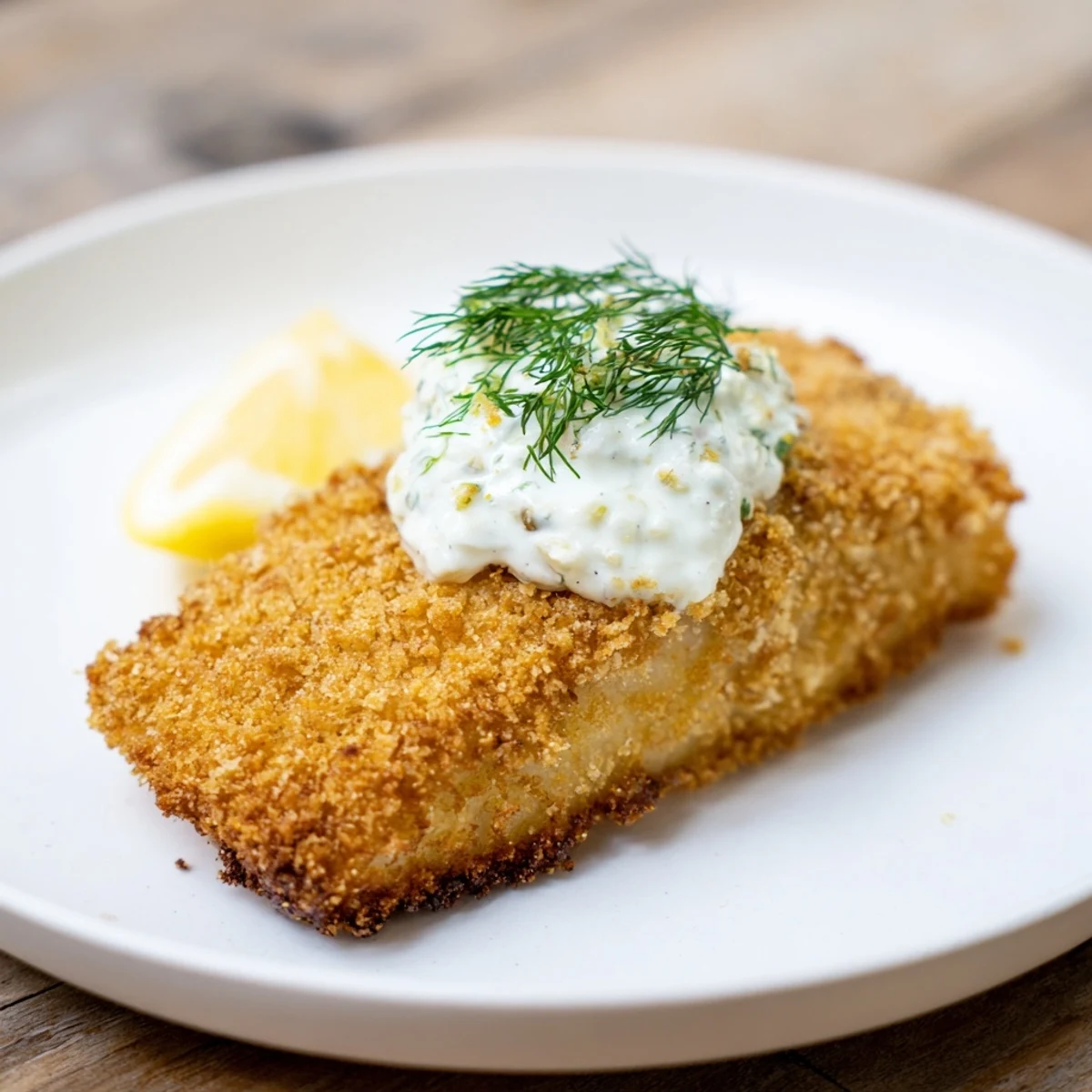
 Enjoy golden, crispy cod fillets seasoned with salt, pepper, and paprika, then coated in flour, eggs, and a mix of panko and plain breadcrumbs. Fried until crunchy and paired with a tangy tartar sauce made from mayonnaise, pickles, capers, lemon, and mustard, this dish offers a classic fish fry experience. Lemon wedges enhance the flavors, while the option to double-coat the fillets adds extra crunch. Perfect for those seeking a simple, flavorful main with British inspiration.
There's something magical about the smell of fish frying in hot oil that instantly transports me back to Friday nights at my grandmother's kitchen. She'd make crispy fried cod with tartar sauce, and the whole house would fill with this golden, comforting aroma. Now when I make this dish, I'm not just cooking—I'm recreating those cherished memories of gathering around her table with family, reaching for piece after piece of perfectly golden fish.
I'll never forget the first time I nailed this recipe. My partner had invited friends over with barely any notice, and I panicked. Then I remembered my grandmother's technique, and somehow everything just clicked. The fish came out impossibly crispy, the sauce tasted professional, and suddenly I wasn't stressed anymore—I was proud. That's when I realized this dish could be my signature move.
Ingredients
- Cod fillets (4, about 150 g each): Skinless and boneless is key because you want pure, delicate white fish that cooks quickly and evenly. Look for fillets that are roughly the same thickness so they cook at the same rate.
- All-purpose flour (1 cup/125 g): This is your first line of defense against moisture. It helps the egg adhere and creates the foundation for that shatteringly crispy crust.
- Large eggs (2): The binder that makes everything stick together. Make sure they're beaten well so you get an even coating.
- Panko breadcrumbs (1 cup/120 g): These are larger and crispier than regular breadcrumbs, which is why they're the secret to that golden, crunchy texture that doesn't get soggy.
- Plain breadcrumbs (1 cup/120 g): Combined with panko, these add substance and help create layers of texture.
- Salt (1 tsp), black pepper (½ tsp), paprika (½ tsp): Season generously because the fish is mild and needs flavor in every bite. The paprika gives a hint of warmth and color.
- Vegetable oil: For frying at a consistent temperature. I prefer this over olive oil because it has a higher smoke point and doesn't add competing flavors.
- Lemon wedges: The brightness cuts through the richness and is non-negotiable for serving.
- Mayonnaise (½ cup/120 g): The creamy base for your sauce. Don't skimp on quality here.
- Pickles or cornichons (2 tbsp, finely chopped): These add that signature tangy bite that makes tartar sauce what it is.
- Capers (1 tbsp, drained and chopped): Briny and punchy, they're the flavor that makes people ask what's in your sauce.
- Fresh lemon juice (1 tbsp): For brightness and to keep the sauce from being too heavy.
- Fresh dill (1 tbsp, optional): If you have it, add it. If you don't, the sauce is still perfect without it.
- Dijon mustard (1 tsp): Just a touch for complexity and slight heat.
Instructions
- Get Your Fish Ready:
- Pat those cod fillets completely dry with paper towels—this is crucial. Any moisture on the surface will create steam instead of crispiness. Now season both sides generously with salt, pepper, and paprika. You should be able to see the spices coating the fish. This isn't just about flavor; it's about creating a seasoned crust that tastes intentional.
- Set Up Your Breading Station:
- Arrange three shallow bowls in a line. The first gets your all-purpose flour, the second gets your beaten eggs (beat them well so they're uniform), and the third is your breadcrumb mixture. Mix the panko and plain breadcrumbs together in that third bowl—don't skip this step. Having everything ready before you start means you won't have breading-covered fingers fumbling around.
- The Coating Dance:
- Take each fillet and dredge it first in flour, shaking off the excess so it's just a light coating. Then dip it completely in the egg, making sure both sides are covered. Finally, press it into the breadcrumb mixture, turning it over and pressing gently so the crumbs adhere. You want a thick, even coating that looks golden even before it hits the oil. Don't rush this part.
- Heat Your Oil to Perfect Temperature:
- Pour about an inch of vegetable oil into a large skillet and turn the heat to medium-high. You're aiming for 350°F (175°C). If you don't have a thermometer, drop a small piece of bread into the oil. If it sizzles immediately and browns in about 60 seconds, you're there. The oil should shimmer and move easily, but it shouldn't be smoking. Smoking oil means it's too hot and will burn your coating before the fish cooks through.
- The Part Where Magic Happens:
- Gently place your breaded fillets into the hot oil, working in batches so you don't overcrowd the pan. You'll immediately hear that satisfying sizzle, and within seconds you'll see the coating begin to turn golden. Fry for 3 to 4 minutes on the first side without moving them around—let the oil do its work. Then flip carefully and give the other side another 3 to 4 minutes. The coating should be deep golden brown, almost caramelized, and when you cut into it, the fish inside should be opaque and flake easily with a fork.
- Drain and Rest:
- Transfer your crispy fillets to a paper towel-lined plate immediately. This absorbs excess oil and keeps them from getting soggy. Resist the urge to eat one immediately—they're molten inside and will burn your mouth, trust me.
- Make Your Tartar Sauce:
- In a small bowl, combine your mayo with the finely chopped pickles, capers, lemon juice, dill if you're using it, and mustard. Stir until everything is evenly distributed. Taste it and adjust the seasoning with salt and pepper. It should be tangy but creamy, with little bursts of pickle and caper in every spoonful. This sauce is what elevates simple fried fish into something memorable.
- Serve While It's Hot:
- Plate your golden fish immediately with a generous dollop of tartar sauce alongside, fresh lemon wedges, and whatever sides you're serving. The fish should still be steaming and the coating should still have that just-fried crispness.
 Save to Pinterest
 There was a moment during a family dinner when my dad took his first bite and immediately went silent. Then he looked at me with this knowing smile and said, 'This is exactly like your grandmother made it.' That's when I understood that cooking isn't just about feeding people—it's about carrying forward the dishes that matter, the ones that come wrapped in memory and love.
Keeping It Fresh
If you make this ahead, the good news is that your tartar sauce actually tastes better the next day once the flavors have had time to meld. Keep it in an airtight container in the fridge for up to three days. The less-good news is that fried fish is best eaten fresh, but if you have leftovers, you can reheat them in a 350°F oven for about 5 minutes to restore some crispiness. Cold leftover fried cod also makes a surprisingly delicious fish sandwich the next day if you want to be creative.
When You're Missing Something
If you don't have panko, regular breadcrumbs will work, though you'll lose some of that signature crunch. If you can't find fresh dill for the sauce, parsley is a fine substitute or you can leave it out entirely. Don't have capers? Chopped olives add a similar briny quality. The magic of this recipe is that it's forgiving enough to work with what you have in your kitchen, so don't let a missing ingredient stop you from making it.
Serving Ideas That Clicked
Crispy fried cod is the star, but the sides matter. Classic British fish and chips with thick-cut fries are obviously the way to go, but I've also fallen in love with serving this alongside creamy coleslaw for a textural contrast, or mushy peas if you want to go full traditional. Some nights I'll make it a lighter meal with a fresh green salad dressed simply with lemon and olive oil. The tartar sauce is rich enough that you don't need a heavy sauce on the fish, so let the fish be the hero of the plate.
- Pro move: make extra tartar sauce and use it on fries, in sandwiches, or with other seafood throughout the week
- Serve everything on warm plates so the fish stays hot from table to mouth
- Have extra lemon wedges ready because people always want more than you think
 Save to Pinterest
 This crispy fried cod is the kind of dish that reminds you why people love comfort food. It's uncomplicated, deeply satisfying, and always brings people back to the table for seconds.
Recipe FAQs
- → What type of fish works best for this dish?
-
Cod fillets are ideal due to their mild flavor and firm texture, but haddock or pollock can be good alternatives.
- → How can I achieve extra crunch on the fillets?
-
Double-coat the fillets by repeating the egg and breadcrumb coating steps before frying.
- → What oil is recommended for frying?
-
Vegetable oil works well, heated to about 350°F (175°C) for crispy, even frying.
- → Can the tartar sauce be customized?
-
Yes, adding fresh dill or adjusting pickles and capers can tailor the tanginess to your taste.
- → What sides pair well with this dish?
-
Classic options like fries, coleslaw, or mushy peas complement the flavors and textures beautifully.
- → How should I store leftovers?
-
Keep fried cod and tartar sauce refrigerated separately in airtight containers and consume within two days.