
 Save to Pinterest
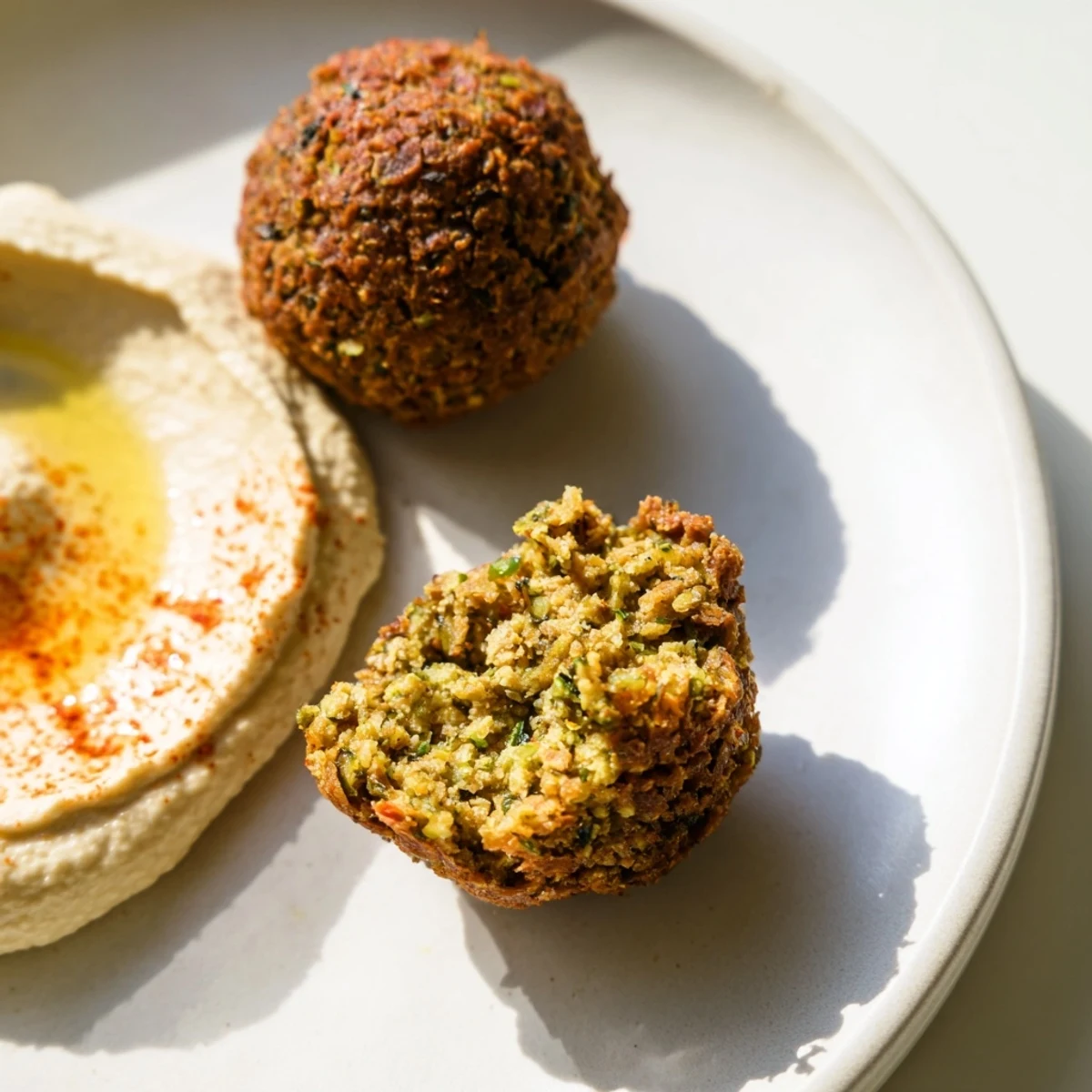
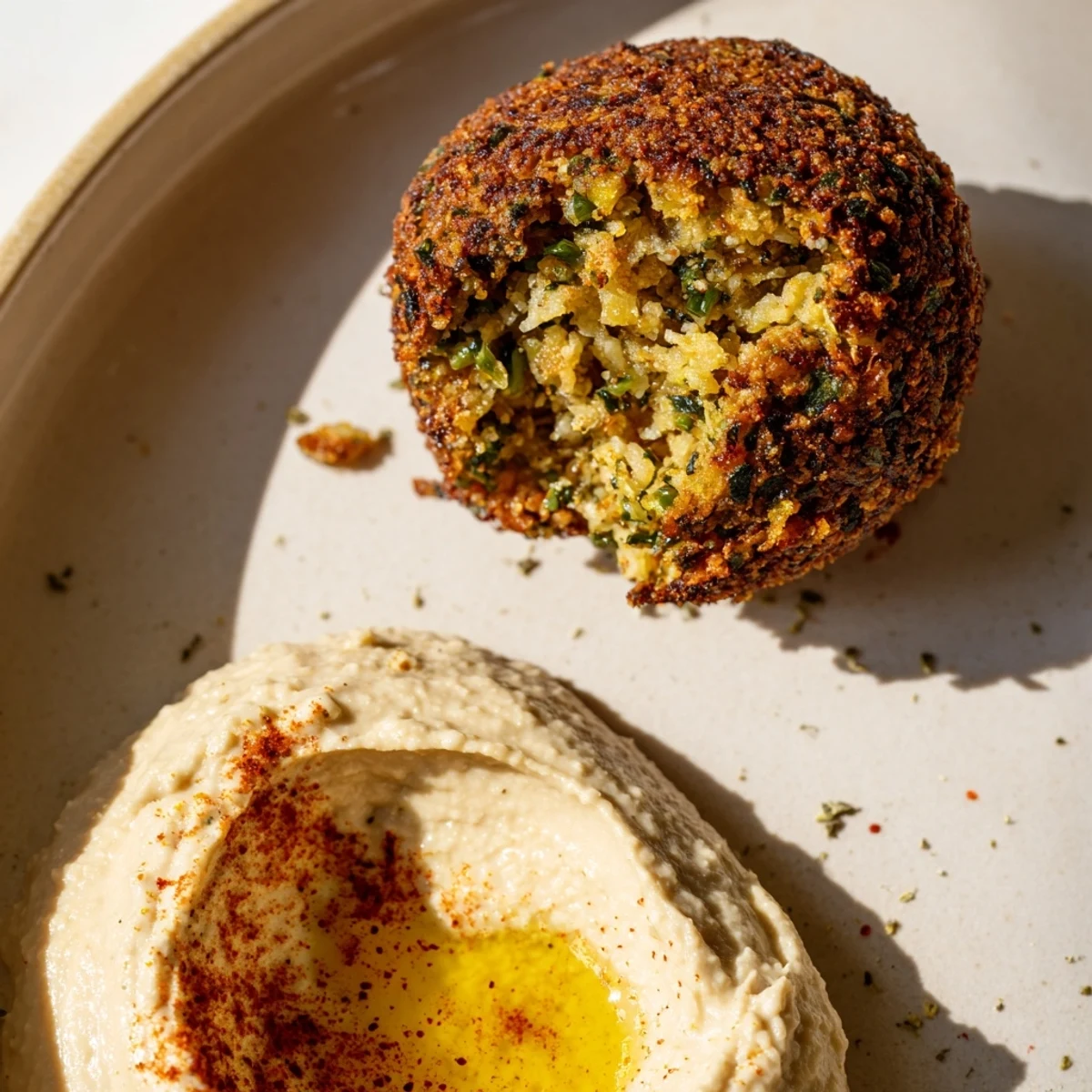
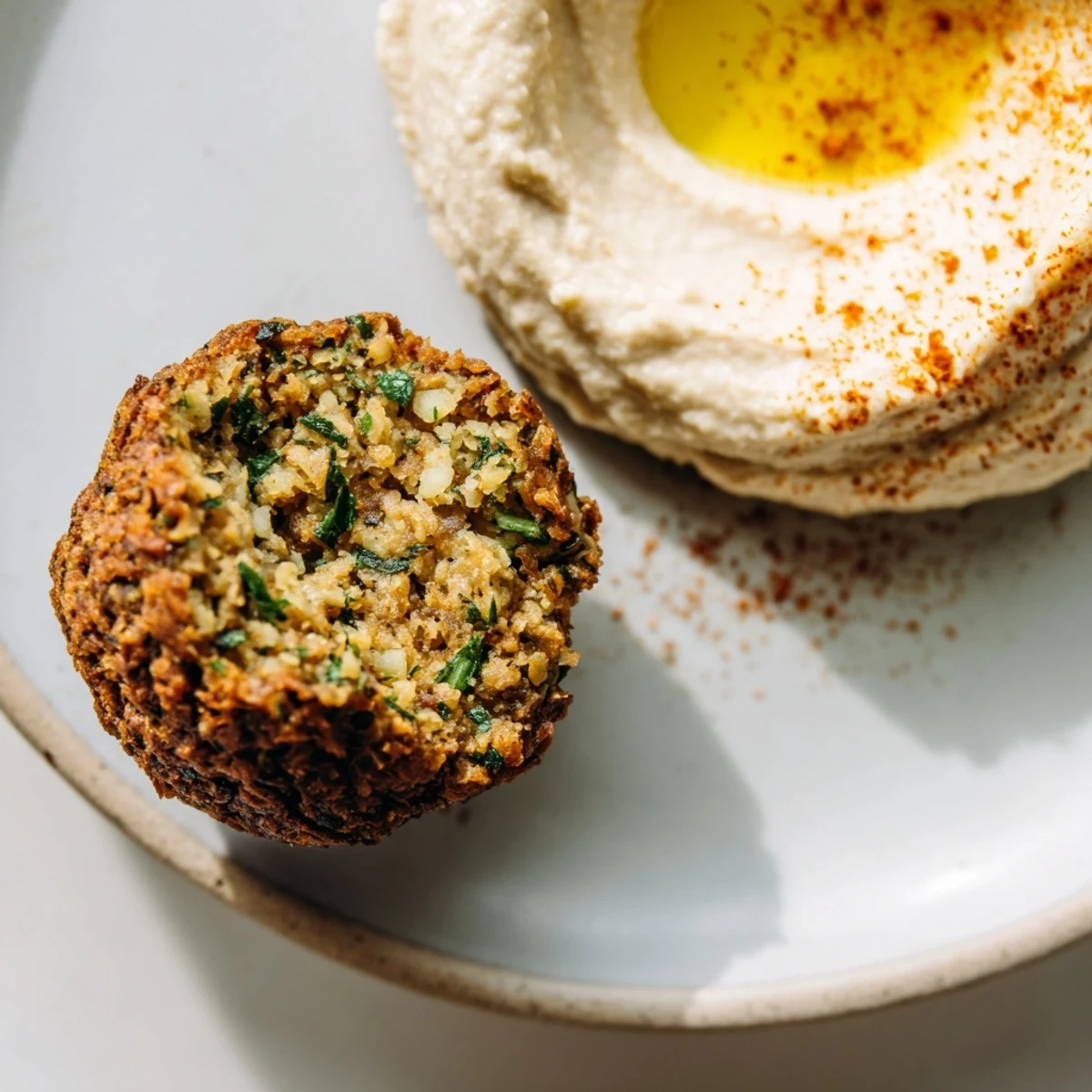
 This dish features golden, crunchy falafel made from soaked chickpeas blended with fresh parsley, cilantro, and mint. The falafel is seasoned with cumin, coriander, and a touch of cayenne, then fried until crisp. It’s served alongside a smooth and tangy hummus crafted from chickpeas, tahini, lemon juice, and garlic. Fresh vegetables and warm pita or flatbread complete this vibrant Middle Eastern main, offering a satisfying vegan and gluten-free friendly option.
For a lighter version, falafel can be baked instead of fried. Adding sumac or paprika over the hummus enhances its depth. This flavorful combination is perfect for sharing or a colorful meal that excites the palate with herbaceous freshness and creamy textures.
The first time I made falafel from scratch, I stood in my kitchen watching hot oil shimmer and thought about my neighbor who'd grown up in Beirut. She'd mentioned once, almost offhandedly, that real falafel was all about the herbs—so much green it looked impossible to hold together. I decided to test that theory, and the moment those golden spheres hit the oil and sizzled, I understood what she meant. The kitchen filled with this warm, herbaceous cloud that made everything feel like a small celebration.
I remember bringing these to a potluck and watching someone's face light up as they bit into one still warm from the paper towels. They expected something dense and dry, but instead found this bright, herby interior that actually tasted alive. That's when I realized falafel isn't a side dish—it's something meant to be the main event on the table.
Ingredients
- Dried chickpeas (soaked overnight, 1 1/2 cups): Soaked chickpeas stay firmer during frying than canned ones, giving you that signature crispy-creamy contrast.
- Fresh parsley, cilantro, and mint (1 cup each, packed): These aren't garnish—they're the soul of the falafel, so don't skimp or use dried herbs.
- Ground cumin and coriander (1 tsp each): Toast these in a dry pan for a minute before using if you want them to taste deeper and warmer.
- Tahini (1/3 cup): The creamy backbone of hummus; get good tahini and your hummus becomes something special.
- Lemon juice (2 tbsp for hummus, fresh squeezed): Bottled lemon juice tastes tinny—fresh juice makes all the difference in brightness.
- Chickpea flour (2-3 tbsp): This binds everything together without weighing it down like all-purpose flour might.
- Baking powder (1/2 tsp): The secret to that extra crispy exterior and light texture inside.
Instructions
- Pulse the base mixture until it looks like coarse breadcrumbs:
- Combine your soaked chickpeas with the onion, garlic, and all three fresh herbs in a food processor, then pulse until everything is finely chopped but still has texture. You want it to look crumbly, not like a paste—scrape the sides as you go to make sure nothing hides at the bottom.
- Fold in the binder and test the consistency:
- Mix in the baking powder and chickpea flour until the mixture holds together when you squeeze it in your palm. If it falls apart, add another tablespoon of flour, but be careful not to make it too wet or your falafel will be dense.
- Shape and chill the falafel:
- Roll the mixture into walnut-sized balls or press into small patties, then refrigerate for at least 30 minutes. This resting time lets everything bind properly and gives you crispier results.
- Heat your oil to exactly 350°F:
- Use a thermometer—this matters more than you'd think. Too hot and they brown before the inside cooks; too cool and they absorb oil and become greasy. Two inches of oil in your skillet should be about right.
- Fry in batches until golden and crisp:
- Work in small batches so you don't crowd the pan and drop the oil temperature. Fry for about 3 to 4 minutes, turning occasionally, until the outside is deep golden brown. Drain immediately on paper towels.
- Blend the hummus until it's silky:
- Add your chickpeas, tahini, lemon juice, olive oil, garlic, and salt to a food processor and blend until completely smooth. Slowly add cold water with the motor running until it's creamy and lighter in color—this usually takes just a few tablespoons.
 Save to Pinterest
 There's something magical about arranging a platter of warm falafel with creamy hummus and fresh vegetables, then watching people reach for it knowing they're about to taste something made with care. It's the kind of dish that makes you feel like you've invited people into something real, not just fed them dinner.
The Herb Balance That Changes Everything
Most falafel recipes call for dried herbs because they're convenient, but fresh herbs are what make this version sing. Parsley brings a clean brightness, cilantro adds something almost citrusy, and mint keeps everything from feeling heavy. The ratio matters too—use less mint than the other two, or it'll dominate everything else.
Crispy Versus Baked: Know Your Preference
Fried falafel is undeniably better—that shattering crust is part of what makes it worth making from scratch. But if you want something lighter, brush the shaped falafel with oil and bake at 400°F for 20 to 25 minutes, turning halfway through. It won't have that same crunch, but it'll still taste good and feel less heavy.
Making This Meal Feel Complete
Falafel tastes best when served warm with cool, crisp vegetables and soft pita still slightly warm from the oven. Set out bowls of sliced cucumber, tomatoes, and red onion, then let everyone build their own plate. A drizzle of good olive oil over the hummus and a sprinkle of fresh herbs feels like the final touch that makes people understand why this dish has endured for generations.
- Make the hummus first so it can chill while you fry the falafel, keeping everything fresh and contrasting.
- If your falafel seems dry after frying, they needed another tablespoon of chickpea flour in the mixture—remember this for next time.
- Leftover hummus keeps for a few days in the fridge and tastes even better as the flavors settle together.
 Save to Pinterest
 This is the kind of food that brings people together without trying too hard—crispy, green, tangy, and warm. Once you've made it once, you'll find yourself making it again.
Recipe FAQs
- → How do I achieve crispy falafel exterior?
-
Fry falafel in hot vegetable oil (350°F/175°C) for 3–4 minutes per batch until golden brown, turning occasionally for even crispness.
- → Can falafel be baked instead of fried?
-
Yes, brush falafel with oil and bake at 400°F (200°C) for 20–25 minutes, turning once halfway for a lighter texture.
- → What herbs enhance the falafel flavor?
-
Fresh parsley, cilantro, and mint add brightness and depth to the falafel's flavor profile.
- → How to make smooth, creamy hummus?
-
Blend chickpeas, tahini, lemon juice, olive oil, garlic, and salt until smooth. Slowly add cold water until light and creamy.
- → Are there gluten-free options available?
-
Use certified gluten-free chickpea flour and serve with gluten-free bread or flatbread to keep this dish gluten-free.
- → What optional spices can add flavor?
-
A pinch of sumac or paprika sprinkled over the hummus provides a subtle tangy or smoky note.