
 Save to Pinterest
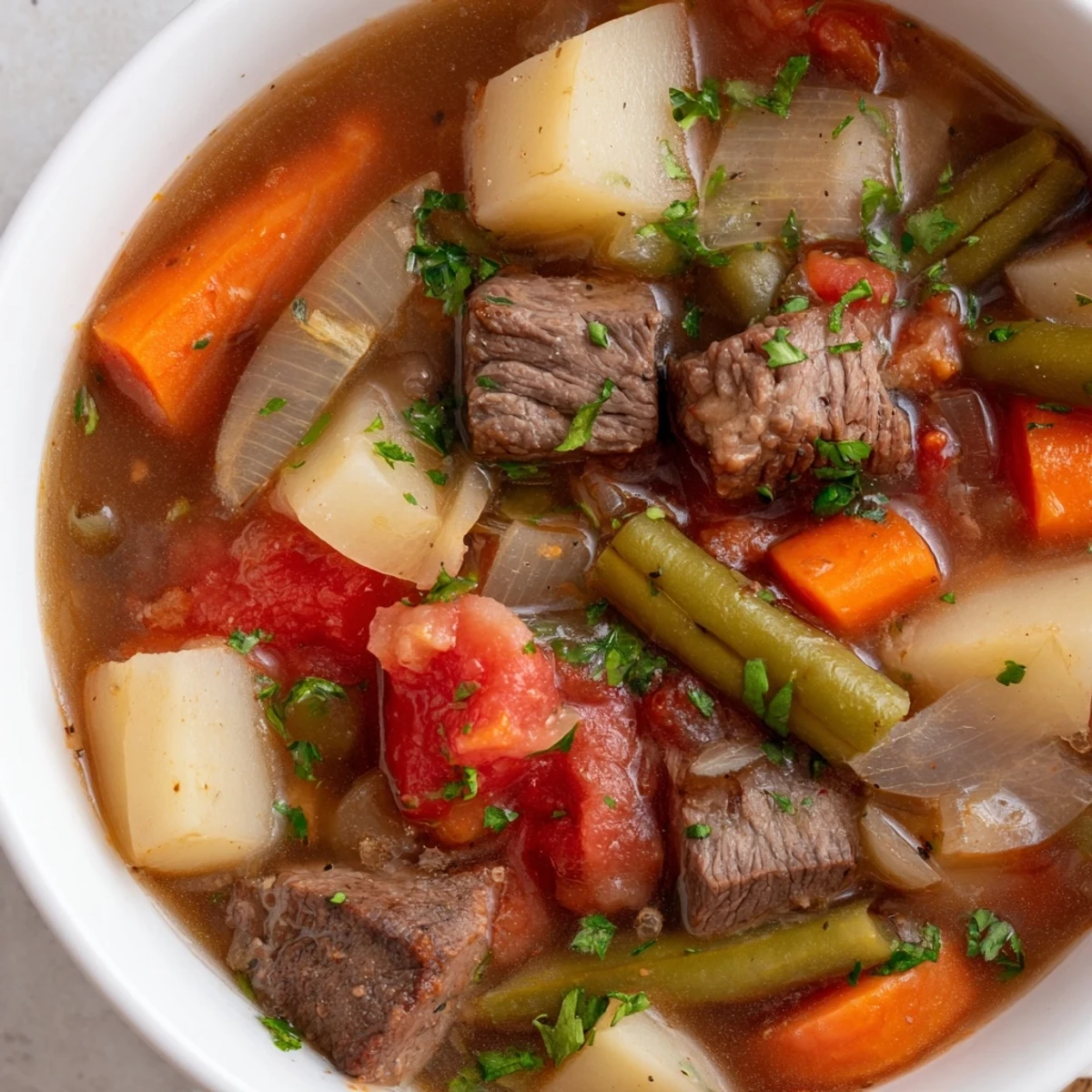
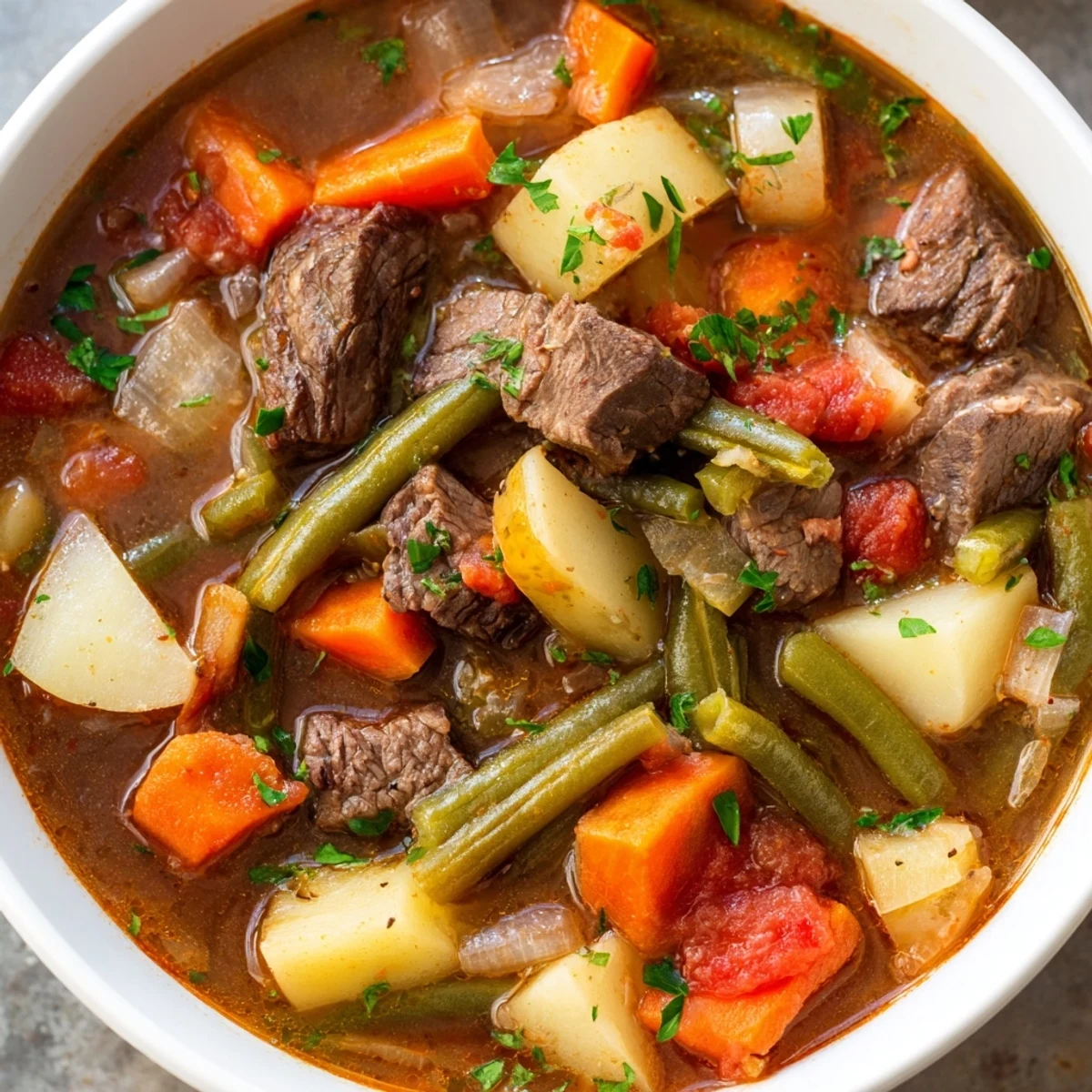
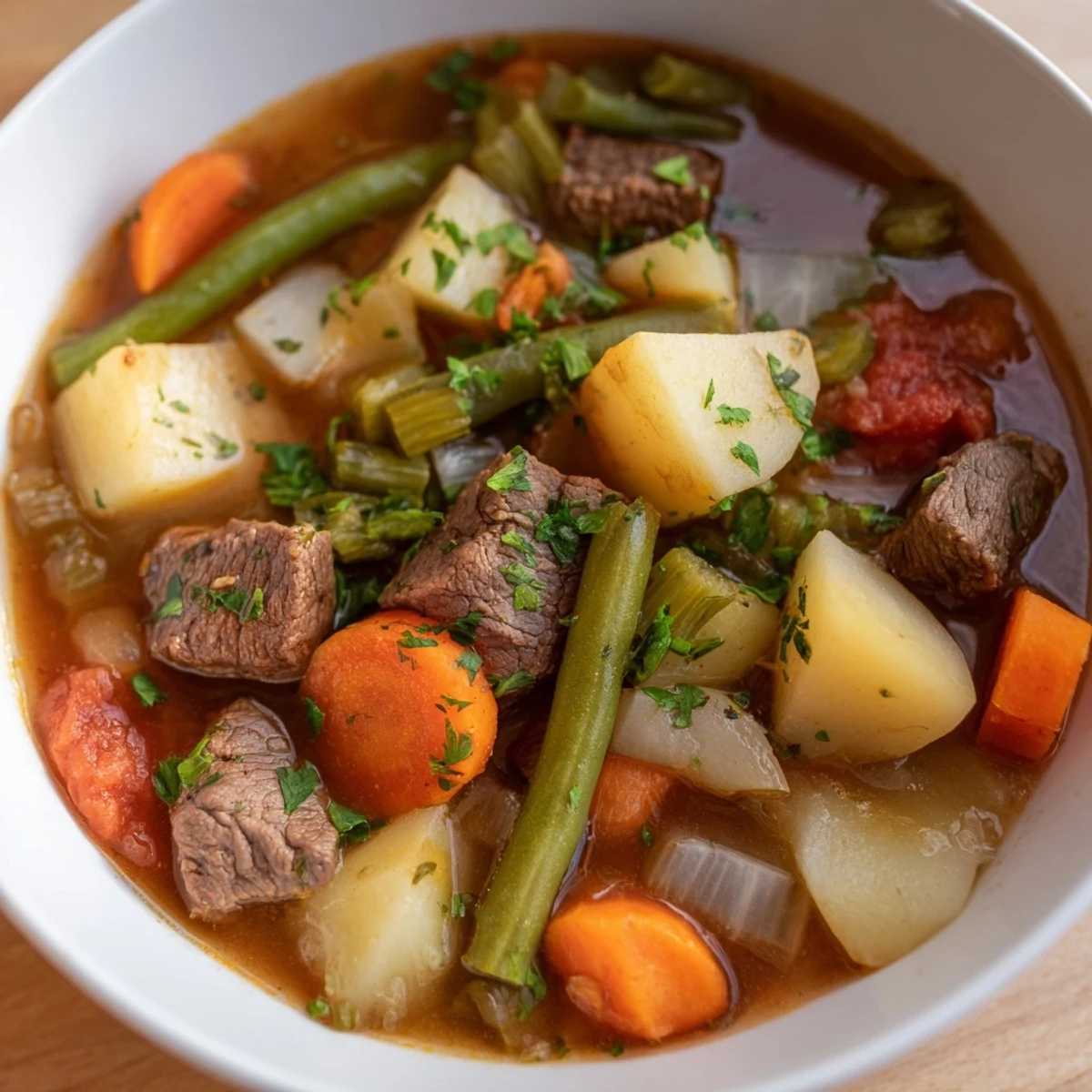
 This hearty beef soup combines tender cubes of beef stew meat with a medley of root vegetables and green beans, all simmered in a flavorful broth enriched with tomatoes, herbs, and spices. Slow-cooked for depth, it delivers a warm, comforting meal ideal for cold days. The blend of thyme, oregano, and fresh parsley lifts the rich taste, while potatoes and carrots add wholesome texture. Easy to customize with optional parsnip or a splash of red wine to deepen flavors.
This soup is naturally dairy-free and perfect as a satisfying main dish served alongside crusty bread. Cooking involves searing beef for richness, sautéing aromatics for depth, and a long simmer to meld all flavors beautifully.
There's something about the smell of beef browning in a pot that makes everything else fade away. My grandmother used to make a version of this soup on the first genuinely cold day of autumn, and I'd find myself hovering near the stove, drawn in by the warmth and those deep, savory aromas. Years later, I realized I was chasing not just the flavors but that feeling of being taken care of through a bowl of something real. This soup has become my own version of that memory—straightforward, nourishing, and exactly what you want when the world feels a little too much.
I made this for my partner on a night when neither of us had spoken much all day—work had worn us both down. By the time we sat down with two steaming bowls and some crusty bread, the conversation started flowing again in that easy, unhurried way it does when you're not thinking about anything else. That's when I knew this recipe had become more than just food; it was my way of saying, 'Let's slow down together.'
Ingredients
- Beef stew meat (700 g): The key is cutting it into roughly equal pieces so everything cooks at the same rate; don't skimp on browning it properly.
- Carrots and celery (2 each): These create the flavor foundation, and it's worth using fresh rather than frozen for the best texture.
- Potatoes (2 medium): Waxy varieties hold their shape better than starchy ones, but either works if you're gentle with your stirring.
- Onion and garlic (1 large, 2 cloves): Mincing the garlic fine ensures it dissolves into the broth rather than leaving harsh bites.
- Parsnip (1, optional): If you use it, peel it carefully as the skin can be bitter; it adds an earthy sweetness that elevates the whole pot.
- Green beans (1 cup): Add these toward the end so they stay slightly crisp instead of turning to mush.
- Beef broth (1.5 L): The quality of your broth makes a real difference; homemade is wonderful, but a good quality store-bought works too.
- Canned tomatoes (400 g) and tomato paste (2 tbsp): Together they create depth and a subtle sweetness that balances the savory beef.
- Bay leaves, thyme, and oregano: Don't skip the bay leaves—they're easy to forget about but add an understated elegance.
- Fresh parsley: This is your finishing touch; it brightens the whole soup and reminds you it's alive and fresh.
Instructions
- Sear the beef until deeply golden:
- Heat your pot until it's properly hot—when you add oil, it should shimmer immediately. Working in batches if needed, let each piece of beef sit undisturbed for a minute or two before turning; this creates that caramelized crust that makes everything taste richer. Don't rush this step, even though it's tempting.
- Build your flavor base with the aromatics:
- Once the beef is set aside, the same pot still holds all those browned bits, which are liquid gold. Add your onion, garlic, carrots, celery, and parsnip to the heat, and let them soften and take on a little color of their own—about 5 minutes. You'll notice the kitchen starting to smell completely different, more complex.
- Toast the tomato paste:
- Return the beef and stir in the tomato paste, letting it cook for just a minute. This small step deepens the flavor considerably, making the final soup taste like it simmered for hours.
- Bring everything together:
- Pour in the broth and canned tomatoes with all their juice, then add the potatoes, green beans, and all your herbs and seasonings. Stir everything to combine, and bring it to a rolling boil.
- Let time do the work:
- Once it boils, drop the heat to low, cover the pot, and let it simmer gently for 1.5 to 2 hours. The beef will gradually become fork-tender, and the vegetables will soften into the broth. Resist the urge to fidget with it; patience is what transforms separate ingredients into one harmonious dish.
- Finish with intention:
- Fish out the bay leaves, taste the broth, and adjust salt and pepper to your liking. The last thing is fresh parsley—stir it in right before serving so it keeps its bright green color and fresh flavor.
 Save to Pinterest
 The first time I served this soup to my family, my young niece surprised me by asking for seconds—and thirds. She's usually a picky eater, but something about the simplicity and the fact that each spoonful was different (a bit of beef here, a creamy potato there) made her keep coming back. That's when I realized the best recipes aren't the most complicated ones; they're the ones that somehow speak to everyone at the table, no matter their age or preferences.
When to Make This Soup
This is the kind of soup that makes sense when the weather turns cold, but I've learned it's just as comforting on a rainy spring day or when you're recovering from something difficult. It doesn't demand a special occasion; it just asks that you have about two hours and the willingness to let something simmer quietly while you go about your day. The passive cooking time is part of its gift.
Making It Your Own
Over time, I've learned that this soup is a canvas. I've added red wine (which deepens the beef flavor beautifully), swapped sweet potatoes for regular ones when I had them, and once threw in pearl barley for extra substance. The core of the recipe—the seared beef, the aromatic vegetables, the gentle simmer—stays the same, but the details bend to what you have on hand or what you're craving. Trust your instincts; they're usually right.
Serving and Storage
Ladle this into deep bowls and serve with something crusty to soak up the broth—honestly, that's when the soup becomes transcendent. It keeps beautifully in the refrigerator for up to four days, and the flavors actually improve as everything melds overnight. You can also freeze it in portions for up to three months, making it an excellent option when you need comfort but don't have the time to cook.
- For reheating, thaw overnight in the fridge, then warm gently on the stove with a splash of broth if needed.
- If you're serving guests and want it to look polished, chop your vegetables a little smaller so each bite feels refined.
- Always taste and adjust seasoning after reheating, as flavors can fade slightly in storage.
 Save to Pinterest
 This soup has quietly become one of my most reliable recipes because it asks very little and gives a lot back. It's the kind of dish that makes people feel cared for, whether you're making it for yourself on a quiet evening or for a crowd on a winter afternoon.
Recipe FAQs
- → Can I use other cuts of beef for this soup?
-
Yes, tougher cuts like chuck or brisket work well as they become tender during slow cooking, enriching the broth’s flavor.
- → How can I make the soup more flavorful?
-
Searing the beef cubes well before simmering adds depth. Adding a splash of red wine during searing enhances richness and complexity.
- → Are there good vegetable substitutions?
-
Sweet potatoes can replace regular potatoes for a subtle sweetness, and additional root vegetables like parsnips can boost aroma and texture.
- → What herbs complement this soup best?
-
Thyme, oregano, bay leaves, and fresh parsley provide a balanced herbal aroma that complements the beef and vegetables perfectly.
- → How do I ensure the soup remains thick and hearty?
-
Use starchy vegetables like potatoes and carrots, and allow the broth to reduce slightly during simmering for a richer texture.
- → Can this soup be made gluten-free easily?
-
Yes, ensure the beef broth and canned tomatoes are certified gluten-free to keep the soup safe for gluten-sensitive diets.