
 Save to Pinterest
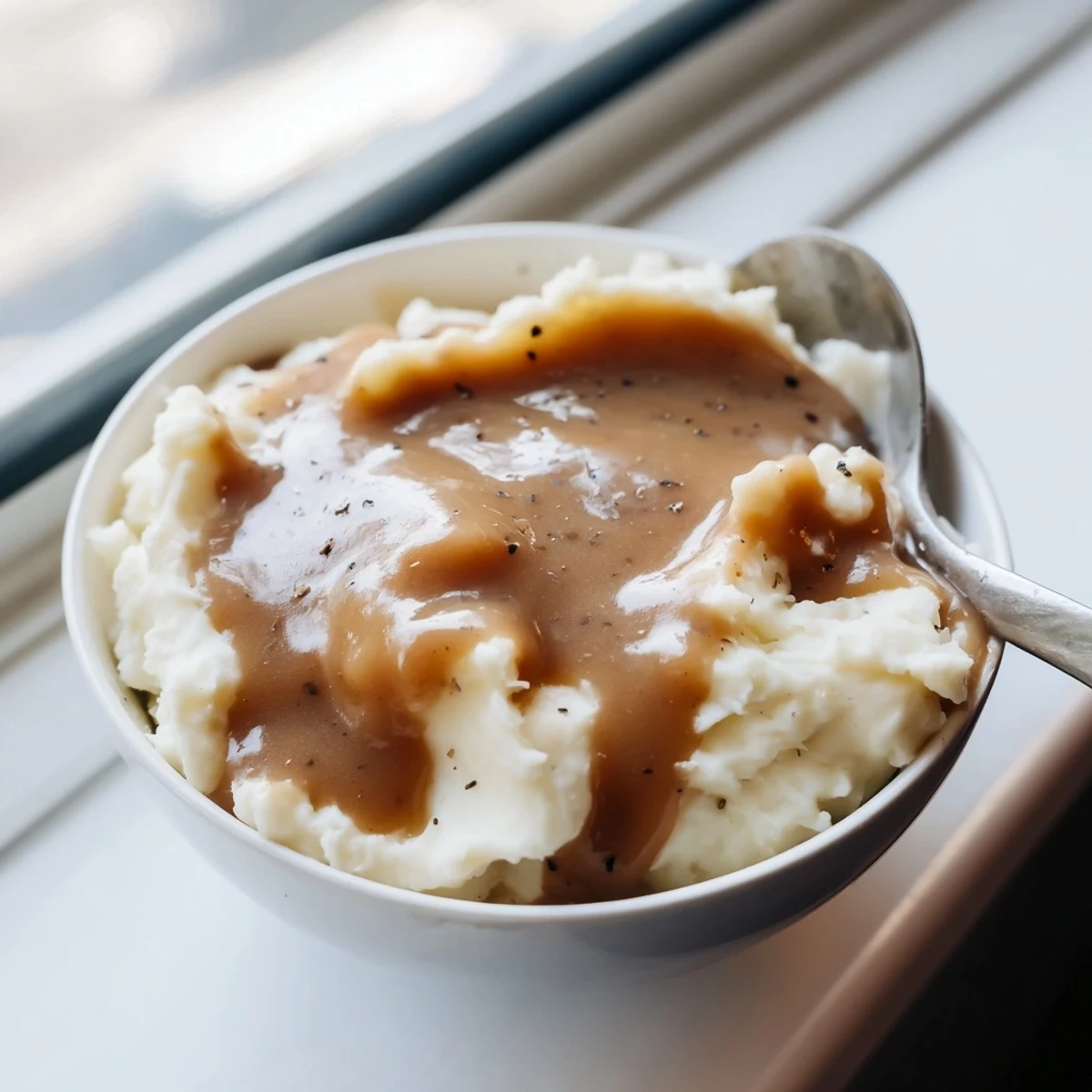
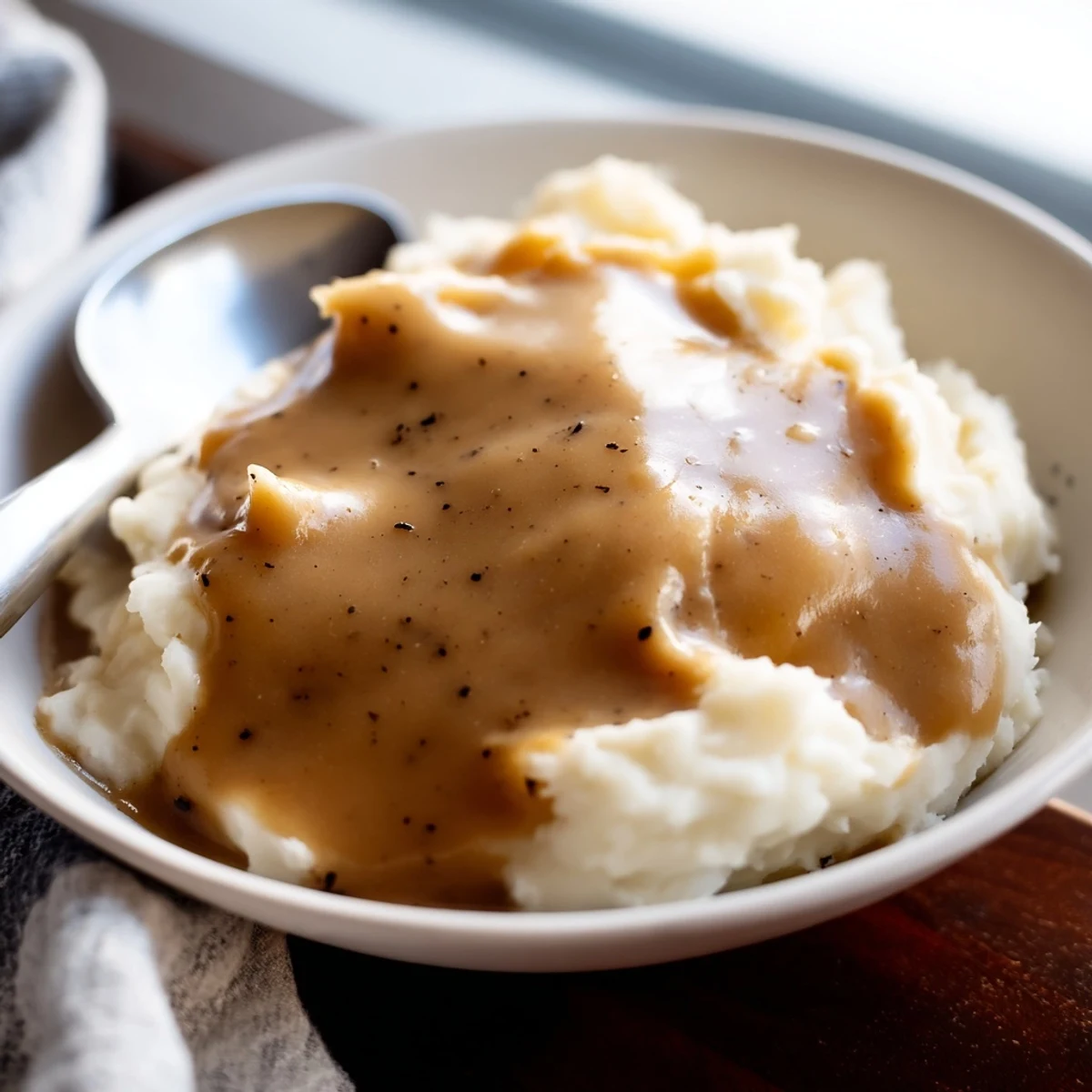
 Master the art of classic homemade gravy with this simple method. Start by creating a roux with butter and flour, then gradually whisk in warm stock for a silky smooth consistency. The key is continuous whisking to prevent lumps while the sauce thickens. Ready in just 20 minutes, this versatile sauce delivers deep savory flavor perfect for elevating roast meats, mashed potatoes, and holiday stuffing.
My grandmother stood at her stove every Sunday, whisking what looked like magic in a chipped white saucepan. The smell would hit me first—that nutty, toasty aroma of flour dancing in melted butter. She never measured anything, just knew by the color when the roux was ready.
Last Thanksgiving, I made three batches because my cousin kept sneaking into the kitchen with a spoon. My brother actually said he'd skip the turkey if it meant more gravy. That's when I knew this recipe was worth perfecting.
Ingredients
- Unsalted butter: The foundation of everything good. I keep extra in the freezer specifically for gravy emergencies.
- All-purpose flour: Creates that silky smooth texture. Shake it through a strainer first to prevent any stubborn lumps.
- Low-sodium chicken stock: Control the salt yourself. Homemade stock is amazing but store-bought works perfectly fine.
- Kosher salt and black pepper: Season gradually. You can always add more but you cannot take it back.
- Dried thyme or sage: Totally optional but adds that little something that makes people ask what your secret is.
Instructions
- Build your roux base:
- Melt butter over medium heat until it stops foaming. Whisk in flour and cook until it smells like toast and turns golden, about 2-3 minutes.
- Add the liquid:
- Pour in stock gradually while whisking constantly. Think of it as introducing old friends at a party—slow and steady prevents awkward lumps.
- Simmer and thicken:
- Let it bubble gently for about 10 minutes, whisking occasionally. The gravy is ready when it coats the back of a spoon.
- Season and serve:
- Taste first, then add salt, pepper, and herbs. Strain through a sieve if you want it restaurant smooth.
 Save to Pinterest
 My sister called me at midnight once, crying because her gravy had separated. We walked through it together over the phone, and now it is her thing she brings to every family gathering. Food does that—connects us across distances and disasters.
Making It Your Own
Sauté a minced shallot in the butter before adding flour. The sweetness creates layers of flavor that make people pause and ask what is different.
Saving Broken Gravy
If yours separates or gets too thick, whisk in a splash of warm water or cream. Almost any gravy disaster can be fixed with patience and a little liquid.
The Make-Ahead Secret
Cool gravy completely and store it in the refrigerator. When you reheat it, whisk in a splash of milk or water to bring it back to life.
- Warm it slowly over low heat to prevent separating
- Never boil vigorously or the texture changes completely
- Make extra because it reheats beautifully for leftovers
 Save to Pinterest
 Great gravy is forgiving. It teaches patience and rewards attention to detail—lessons that extend far beyond the kitchen.
Recipe FAQs
- → How do I prevent lumps in my gravy?
-
Whisk constantly while gradually adding the stock to the roux. Start with a small amount of liquid to create a smooth paste before incorporating the remaining stock. Keep whisking throughout the cooking process to maintain silky texture.
- → Can I make gravy ahead of time?
-
Yes, prepare gravy up to 2 days in advance and store in the refrigerator. Reheat gently over low heat, adding a splash of stock or water to thin if needed. Whisk well while reheating to restore smooth consistency.
- → What's the best way to thicken gravy?
-
The roux method of cooking equal parts butter and flour provides the most reliable thickening. Cook the roux for 2-3 minutes to remove raw flour taste, then gradually whisk in warm stock. Simmer until desired consistency is reached.
- → Can I use pan drippings instead of butter?
-
Absolutely. Pan drippings from roasted meat add incredible depth of flavor. Simply strain the drippings and use in place of butter, adjusting the flour ratio slightly if needed to achieve proper consistency.
- → How do I fix salty gravy?
-
If gravy becomes too salty, add a peeled potato and simmer for 15 minutes—the potato will absorb excess salt. Alternatively, increase the amount of unsalted stock or add a splash of cream to balance flavors.
- → What's the difference between using stock vs broth?
-
Stock made from bones provides richer flavor and better body due to natural gelatin. Broth works well too, though the gravy may be slightly lighter. Both create delicious results—choose based on preference and dietary needs.