
 Save to Pinterest
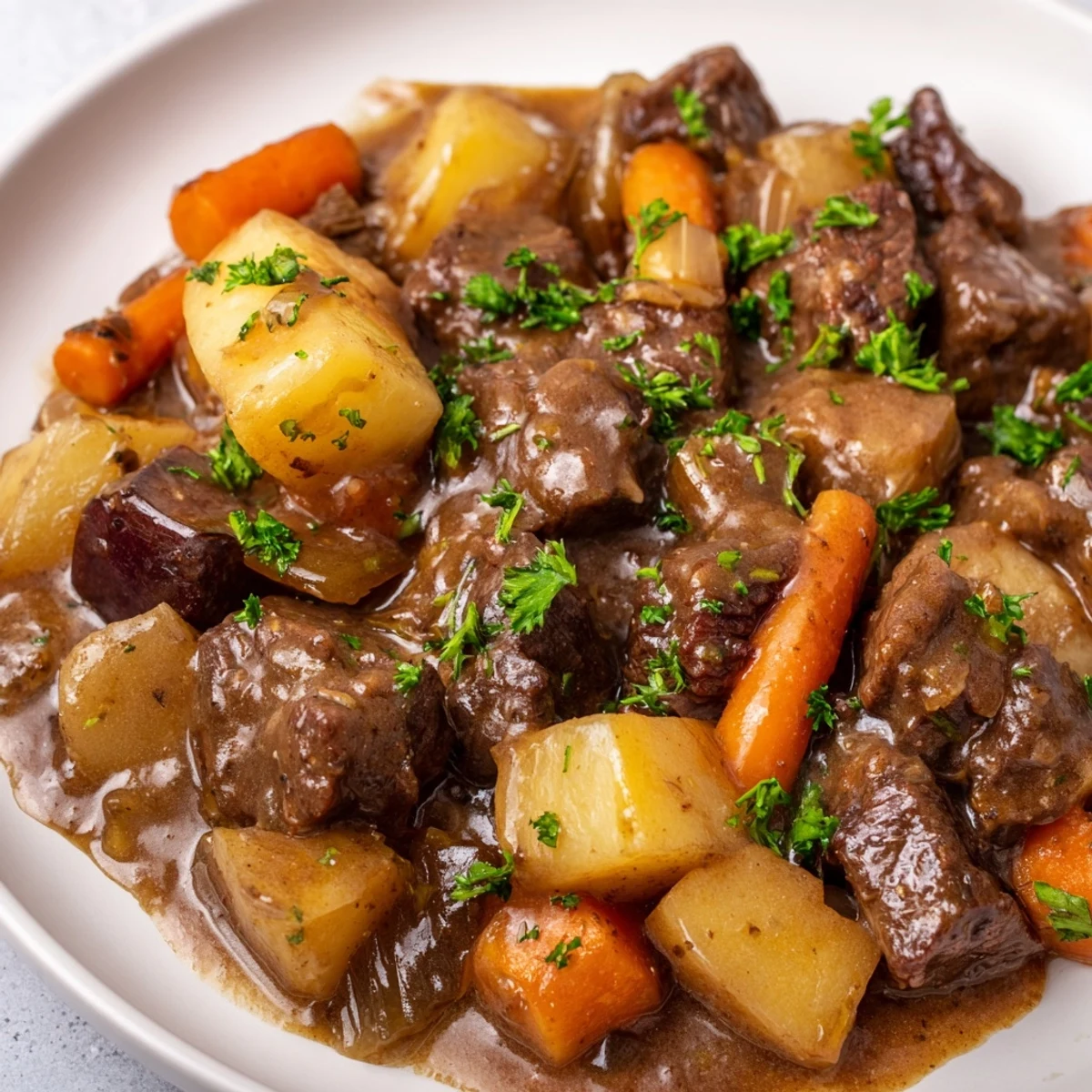
 This Irish dish combines tender beef cubes with a medley of root vegetables — carrots, parsnips, potatoes, and turnip — gently simmered in a savory broth infused with rosemary, thyme, and bay leaves. The beef is first browned for depth of flavor, while onions, celery, and garlic add aromatic layers. Slow cooking creates a thick, hearty meal perfect for a cozy gathering. Garnished with fresh parsley, it offers a naturally gluten- and dairy-free option when prepared with appropriate stock.
The smell of this stew bubbling away on my stove takes me back to a tiny apartment in Chicago, where I first learned that patience is the real secret ingredient. My neighbor Mrs. O'Malley would lean over the railing whenever she caught the scent, insisting I'd inherited some Irish cooking instinct I never knew I had. She taught me that stew isn't rushed—it's coaxed into tenderness, hour by hour, until the beef surrenders and the vegetables collapse into each other. Now whenever rain taps against my windows, this is exactly what finds its way into my heaviest pot.
Last March, my sister came over nursing a heartbreak I couldn't fix with words. We sat at the kitchen table while this stew simmered, talking about everything and nothing until the house smelled like comfort itself. When we finally sat down to eat, she took one bite and told me this was exactly what she needed—food that felt like a hug. We've made it together every month since, not because she's sad anymore, but because it became our thing.
Ingredients
- Beef stew meat: Chuck is your best friend here, with just enough marbling to keep everything tender as it breaks down during those long hours
- Carrots and parsnips: The parsnips add this subtle sweetness that balances the rich beef, and they both hold their shape beautifully
- Potatoes: I like Yukon Golds for their buttery flavor, and they release just enough starch to slightly thicken the broth naturally
- Turnip or rutabaga: This is the secret Irish touch, adding a slight bitterness that keeps the stew from being too one-note sweet
- Onion and celery: The foundation that gives depth, building that aromatic base that makes people ask what's in the pot
- Garlic: Three cloves might feel bold, but they mellow into the broth and become subtle rather than sharp
- Beef stock: Low-sodium is crucial here since the liquid reduces and concentrates—you want control over the salt level
- Tomato paste: Just two tablespoons add body and a touch of acidity that brightens the whole pot
- Bay leaves and herbs: The classic trio that makes everything taste like it's been simmering all day even if you just started
- Olive oil: For the initial sear, creating those caramelized bits that dissolve into the broth later
- Fresh parsley: Added at the very end for a hit of freshness that cuts through the richness
Instructions
- Give the beef a good sear:
- Pat those cubes completely dry with paper towels, then season generously with salt and pepper. Heat a splash of olive oil in your Dutch oven until it's shimmering hot, then brown the beef in batches—don't crowd the pot or you'll steam instead of sear. About two to three minutes per side, until you've got a gorgeous caramelized crust going.
- Build your flavor base:
- Add another drizzle of oil to the same pot and toss in the onion and celery. Let them soften and turn translucent, about three to four minutes, then stir in the garlic for just a minute—you want it fragrant, not burned. Add the tomato paste and let it cook for another minute, stirring constantly until it deepens in color and smells slightly sweet.
- Let it all come together:
- Return the beef to the pot along with all your vegetables, then pour in the stock. Tuck in the bay leaves and sprinkle the thyme and rosemary over everything. Bring it to a gentle simmer, then drop the heat to low, cover, and walk away for at least an hour and a half.
- The final touches:
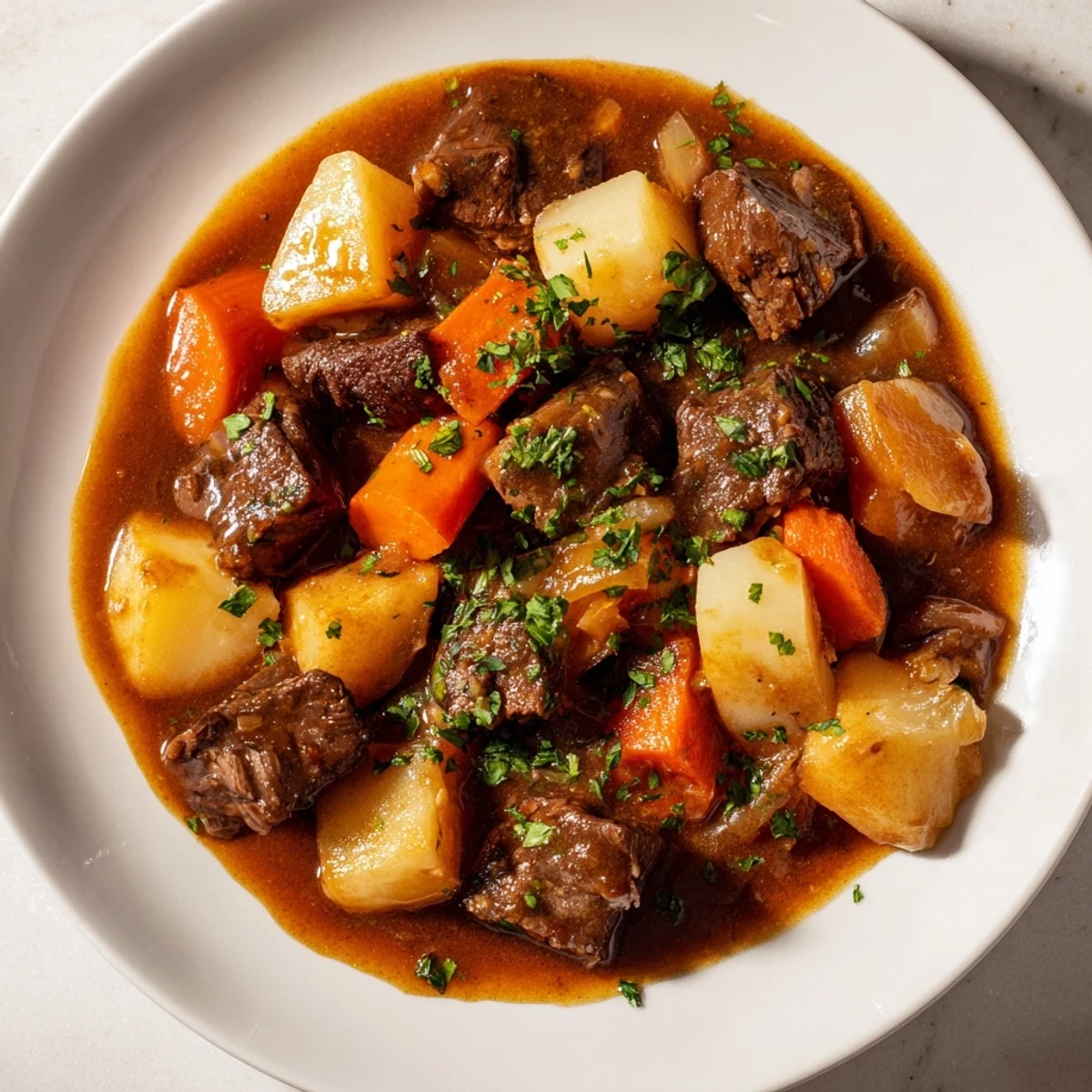
- After about two hours, the beef should be fork-tender and the vegetables should be meltingly soft. Fish out the bay leaves, taste the broth, and adjust the salt and pepper if needed. Ladle into warmed bowls and scatter fresh parsley on top like confetti.
 Save to Pinterest
 This stew became a tradition at our annual Friendsgiving, showing up alongside the turkey every November. Last year, my friend Sarah requested it for her birthday dinner instead of cake, which felt like the ultimate compliment. Now it's the meal I make when I want people to stay at the table longer, talking and eating until the bowls are empty and the bread basket is just crumbs.
Making It Your Own
I've added pearl onions in the last twenty minutes before, letting them cook just until tender and sweet. Sometimes I throw in a handful of frozen peas right at the end for pops of color. The beauty of this recipe is how forgiving it is—root vegetables are essentially interchangeable based on what looks good at the market or what's hiding in your crisper drawer.
The Bread Question
My husband insists this stew needs nothing more than a hunk of crusty sourdough for sopping up every drop. I've found that a simple Irish soda bread, warm from the oven, is somehow perfect—the slight tang works beautifully with the earthy root vegetables. Either way, bread isn't optional here, it's essential.
Leftovers And Make-Ahead Magic
This stew somehow tastes better the next day, after all the flavors have had time to really get to know each other in the fridge. I make a double batch and portion it into containers for those weeks when cooking feels like too much. Sometimes I'll make it on Sunday and eat it all week long for lunch, each bowl feeling more comforting than the last.
- The potatoes will continue to soften as leftovers, so if you prefer them with more structure, add them during the last hour of cooking
- Reheat gently with a splash of water or extra stock if the broth has thickened too much
- This freezes beautifully for up to three months, making it perfect for those emergency comfort-food nights
 Save to Pinterest
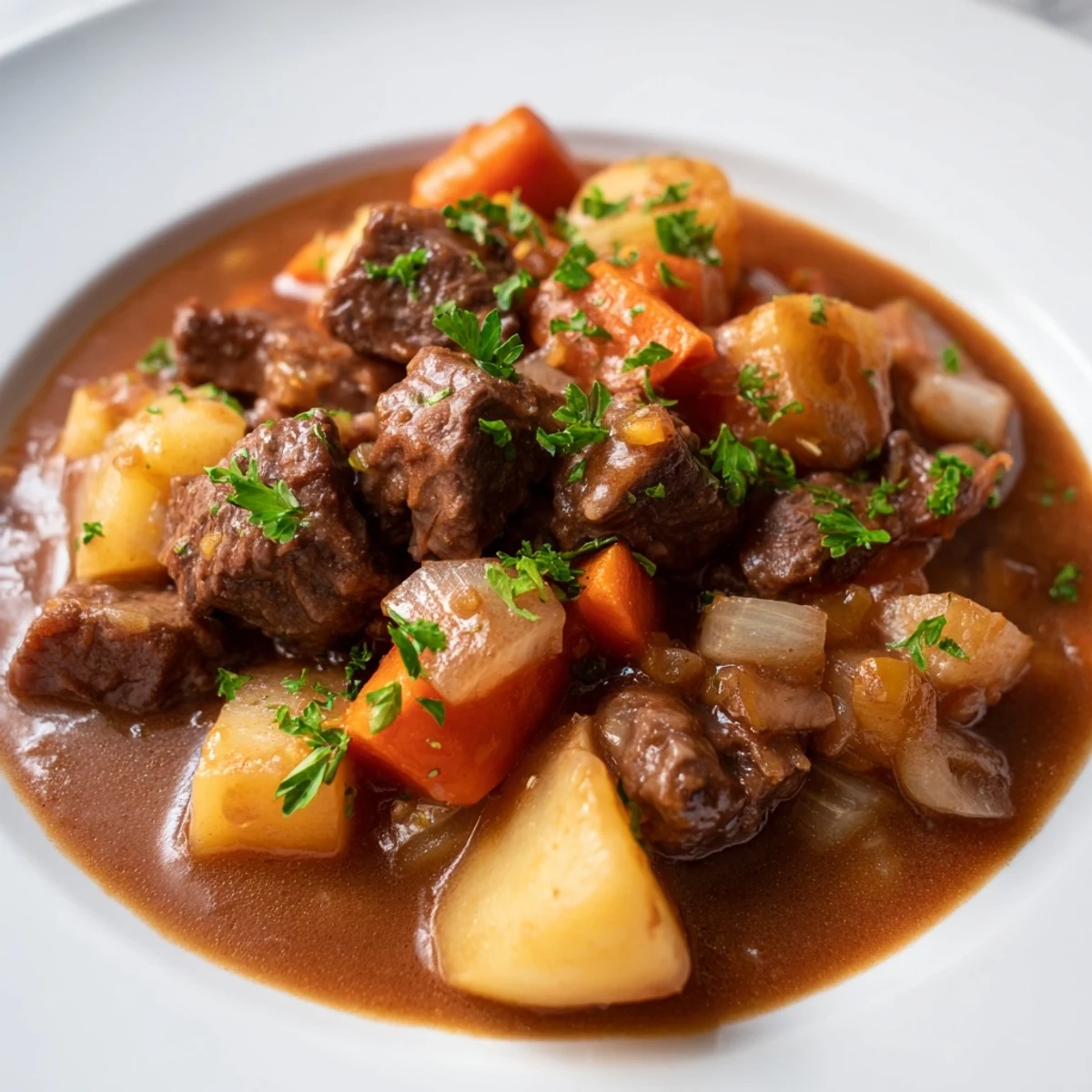
 There's something profoundly satisfying about a meal that asks so little of you but gives so much in return. This stew is the culinary equivalent of a warm blanket on a cold day—simple, unfussy, and exactly what you need.
Recipe FAQs
- → How do I ensure the beef stays tender?
-
Brown the beef in batches over medium-high heat to lock in juices, then simmer gently for 1.5 to 2 hours until fork-tender.
- → Can I use different root vegetables?
-
Yes, feel free to add celeriac, sweet potato, or other root veggies to vary the flavor and texture.
- → What’s the best way to thicken the stew?
-
Mash a few potato pieces against the side of the pot and stir them in to naturally thicken the broth.
- → Is it important to remove bay leaves?
-
Yes, removing bay leaves before serving prevents any bitter or sharp taste and improves eating experience.
- → How can I make this dish gluten-free?
-
Use certified gluten-free beef stock to keep the entire dish free from gluten contamination.