
 Save to Pinterest
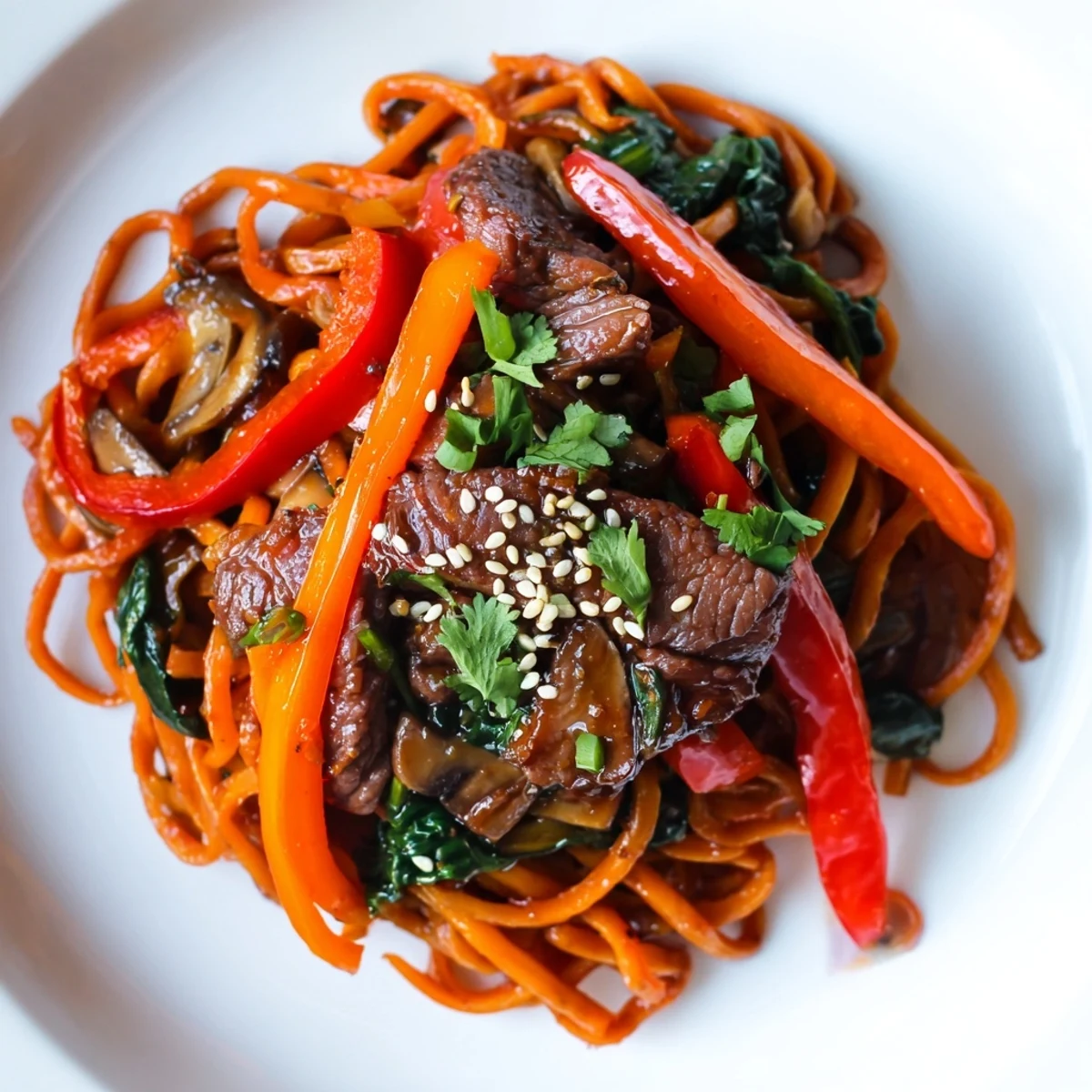
 Enjoy tender marinated beef stir-fried with colorful vegetables and chewy sweet potato noodles, all coated in a rich Korean-inspired sauce. The savory-sweet glaze combines gochujang, soy sauce, brown sugar, and sesame oil for authentic depth of flavor.
This comforting bowl comes together in just 40 minutes, making it perfect for busy weeknights. The chewy dangmyeon noodles absorb the bold sauce beautifully, while crisp vegetables add fresh texture and vibrant color to every bite.
The first time I made these Korean beef noodles, my kitchen filled with this incredible aroma of sesame and garlic that had my roommate wandering in from her room with big curious eyes. We ended up eating standing up at the counter, too impatient to bother with proper plates, and both agreed it tasted like something from a tiny Seoul restaurant tucked into a side street.
Last winter, when my sister was recovering from surgery and needed comfort food that actually nourished, I made a double batch of these noodles. She called me two days later to admit she had hidden the last portion in the back of the fridge so her husband would not find it.
Ingredients
- Beef sirloin or ribeye: Thinly slicing against the grain makes all the difference between tender bites and chewy disappointment
- Sweet potato noodles: These chewy glass noodles are what give the dish its authentic texture, though udon works beautifully in a pinch
- Gochujang: This Korean chili paste brings depth and gentle heat that soy sauce alone could never achieve
- Fresh vegetables: Quick cooking veggies like bell pepper and mushrooms maintain their crunch while soaking up that incredible sauce
Instructions
- Prep your beef:
- Toss the sliced beef with soy sauce, sesame oil, sugar, and minced garlic, then let it hang out for at least 10 minutes to absorb all those flavors.
- Cook the noodles:
- Boil them until just tender, give them a quick rinse under cold water to stop the cooking, and set them aside.
- Whisk up the sauce:
- Combine soy sauce, brown sugar, gochujang, rice vinegar, sesame oil, water, and grated ginger until everything dissolves into this glossy, fragrant mixture.
- Sauté your vegetables:
- Heat your wok until it is nice and hot, then quickly stir fry the carrot, bell pepper, and mushrooms until just tender before adding the spinach and spring onions.
- Cook the beef:
- Throw that marinated meat into the hot wok and let it sear for just 2 or 3 minutes until it is beautifully browned and cooked through.
- Bring it all together:
- Return everything to the wok, pour in that sauce you made, and toss it all together for a few minutes until every single strand is coated and fragrant.
- Finish and serve:
- Divide into bowls and sprinkle with toasted sesame seeds and maybe some fresh herbs if you have them handy.
 Save to Pinterest
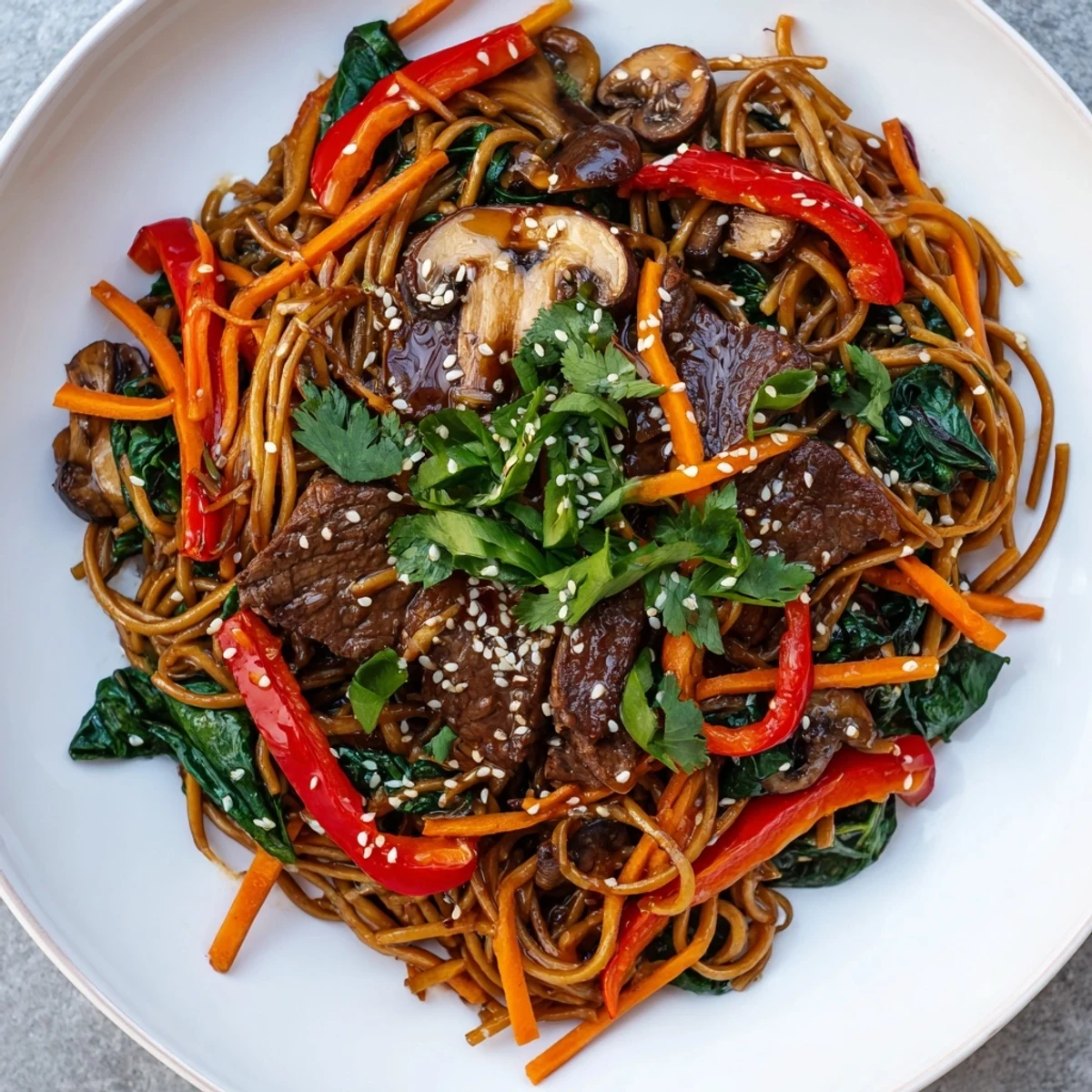
 These noodles became my go to for rainy Sunday evenings when I want something cozy but do not have the energy for an all day cooking project. The way the sauce clings to each strand of noodle makes every bite feel like a tiny reward.
Getting the Right Noodle Texture
I have learned that the key to perfect chewy noodles is pulling them from the water just before they feel completely done. That residual heat finishes the job without leaving you with mush, and the cold water rinse shocks them into maintaining their bounce.
Vegetable Variations That Work
Sometimes I swap in whatever is in the crisper drawer, and the dish still comes out fantastic. Zucchini, snap peas, or even shredded cabbage all work beautifully as long as you keep the cooking time short and maintain that fresh crunch.
Make Ahead Strategy
The sauce can be whisked together up to three days in advance and stored in the fridge, which makes weeknight dinners almost effortless. The vegetables can also be prepped and kept in separate containers, ready to hit the hot wok the moment you walk through the door.
- Double the sauce recipe and keep half in the freezer for emergency meals
- Cook the beef slightly less if you plan to reheat it, so it does not toughen up
- These noodles reheat beautifully with a splash of water in the microwave
 Save to Pinterest
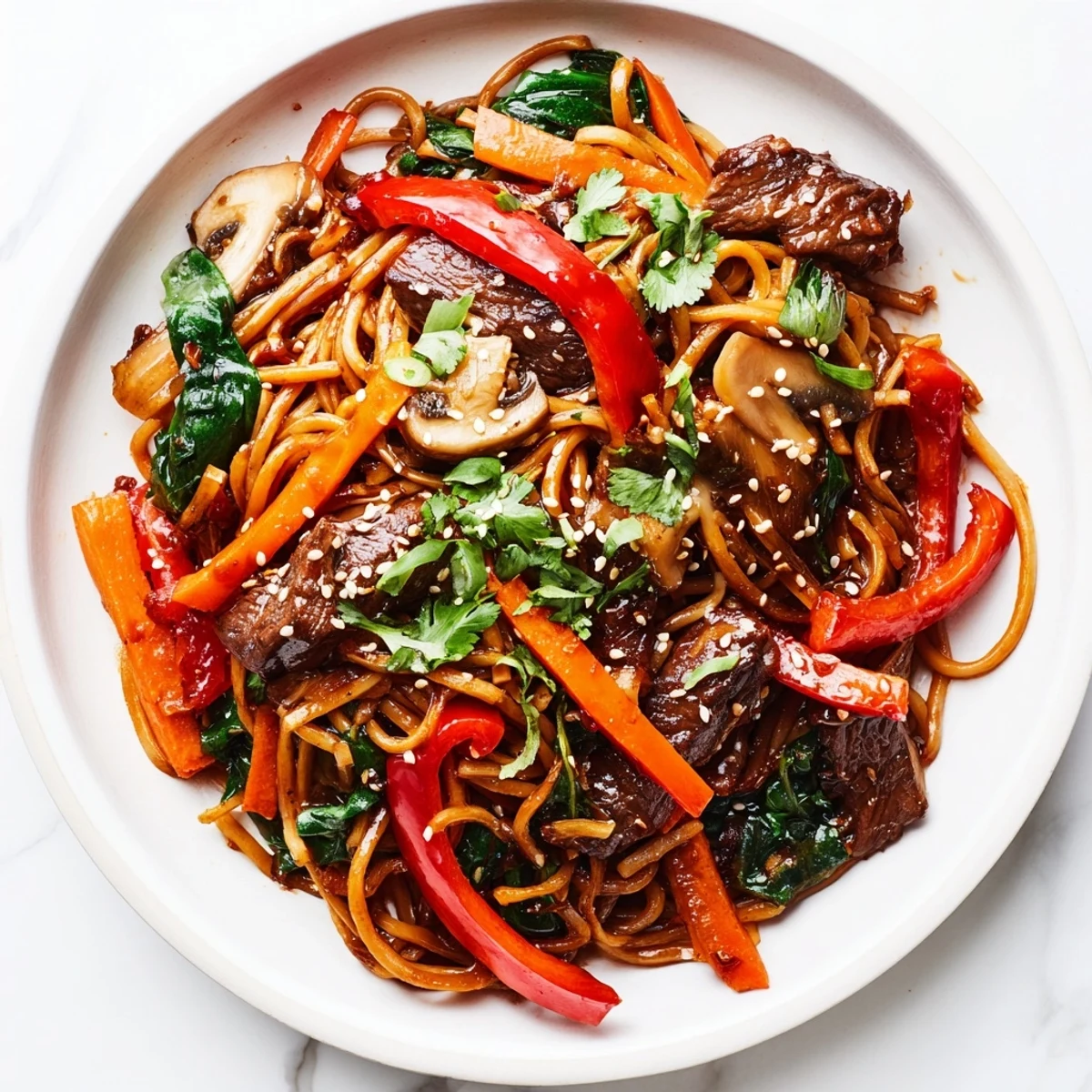
 There is something so satisfying about a dish that comes together this quickly yet tastes this complex. Hope you find your own moment of kitchen joy with these noodles.
Recipe FAQs
- → What type of noodles work best?
-
Korean sweet potato noodles (dangmyeon) are traditional and provide the perfect chewy texture. Dried udon noodles make an excellent substitute with similar thickness and bite.
- → Can I make this dish spicier?
-
Increase the gochujang to 2 tablespoons for more heat, or add Korean chili flakes (gochugaru). Adjust gradually to reach your preferred spice level.
- → What cut of beef is ideal?
-
Beef sirloin or ribeye sliced thinly against the grain works best. Flank steak is another tender option that cooks quickly in stir-fries.
- → How do I store leftovers?
-
Store in an airtight container in the refrigerator for up to 3 days. Reheat gently in a skillet with a splash of water to refresh the sauce.
- → Can I make this vegetarian?
-
Firm tofu or seitan replaces the beef beautifully. Press and cube the tofu, then marinate and stir-fry just as you would the beef.
- → What vegetables can I add?
-
Zucchini, broccoli florets, snap peas, or bok choy complement the flavors well. Add hearty vegetables earlier and delicate greens like spinach toward the end.