
 Save to Pinterest
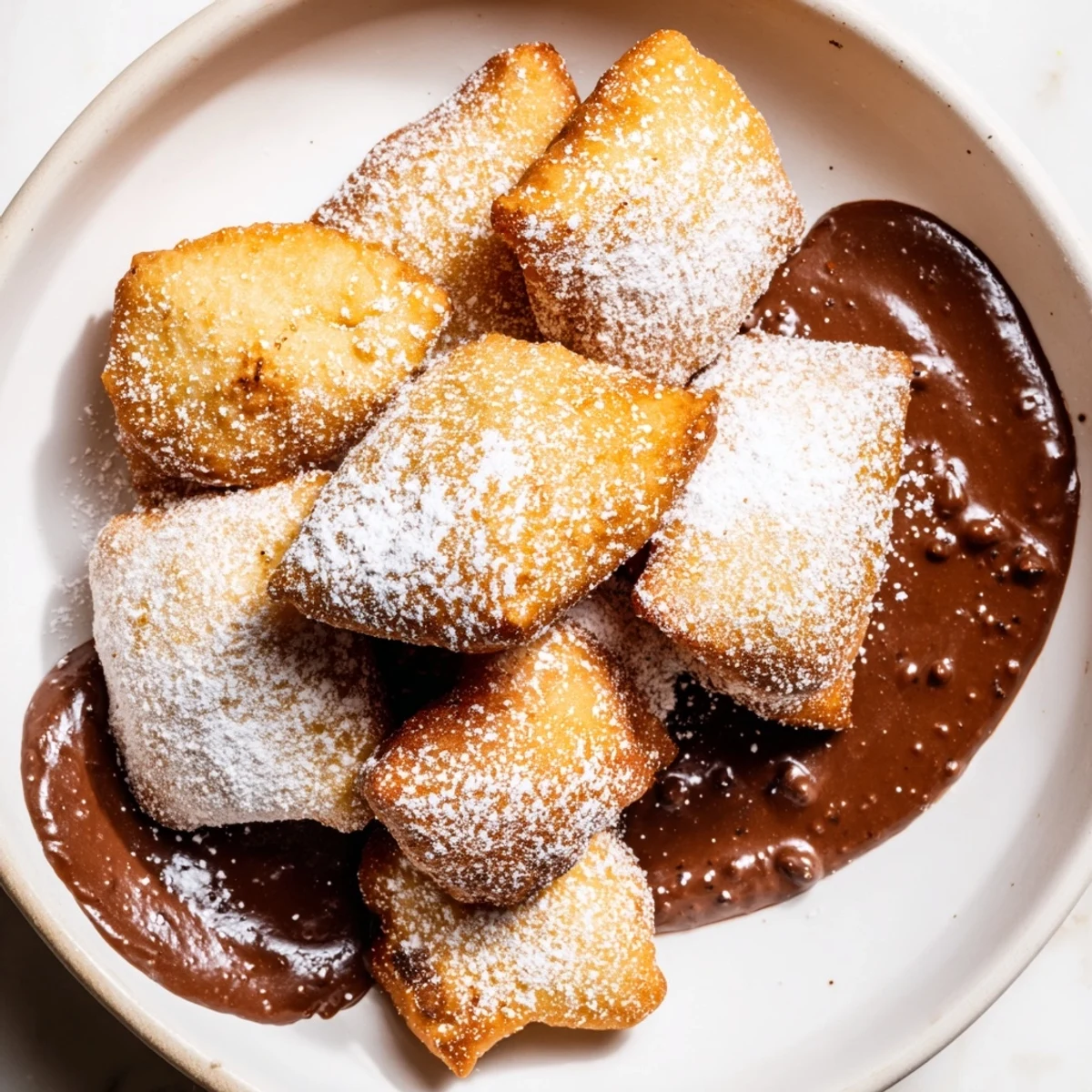
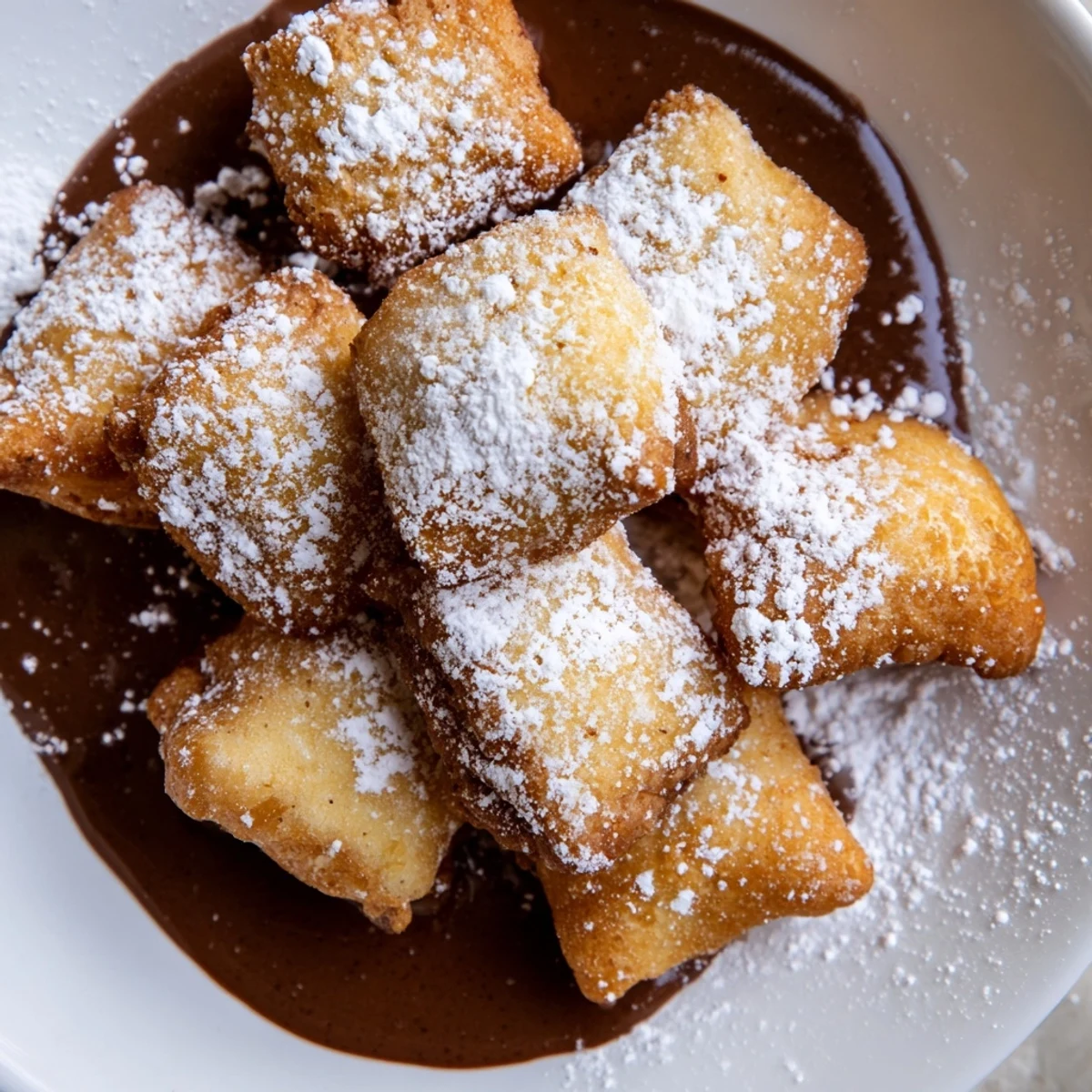
 These Mardi Gras beignets are tender, golden pillows fried to perfection and coated with a light dusting of powdered sugar. Accompanied by a smooth, velvety chocolate sauce made from semisweet chocolate and cream, this delight captures the spirit of New Orleans flavors. The dough's gentle rise and frying technique creates a fluffy texture that balances beautifully with the sweet finishing touches. Ideal for celebratory moments and cozy indulgences alike.
The smell of yeasted dough frying in oil still takes me back to a tiny apartment kitchen where I first attempted beignets after returning from New Orleans. I had gotten powdered sugar everywhere—on the counters, in my hair, somehow even on the cat—who looked mildly offended but kept trying to sneak closer to the frying pot anyway. Those first attempts were irregularly shaped and slightly dense, but something about the process felt like pure magic, turning simple ingredients into puffs of golden joy.
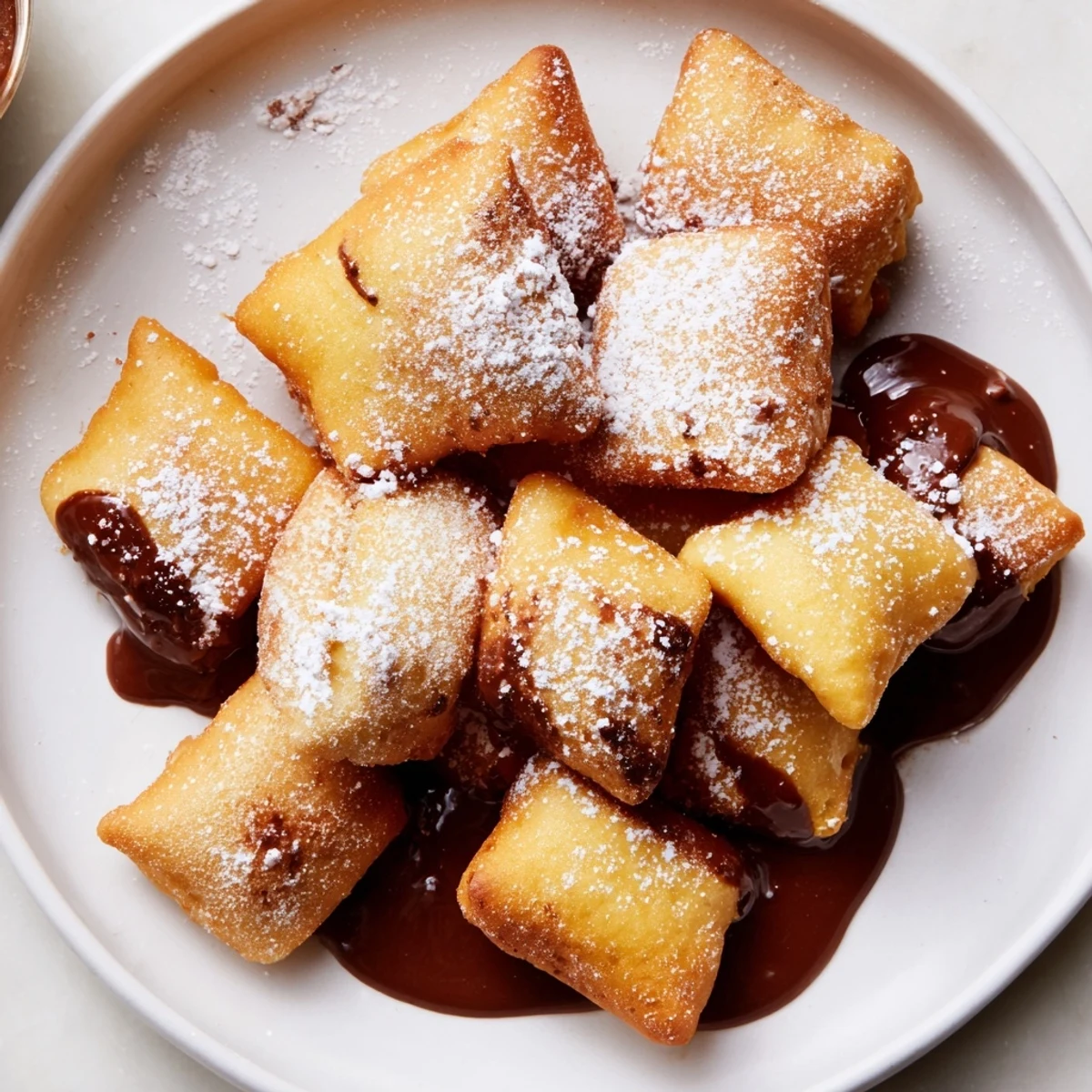
Last year I made these for a Mardi Gras brunch and watched my normally skeptical father-in-law eat three in a row without saying a word, just closing his eyes between bites. The powdered sugar dusting had created little clouds around the serving platter and someone snapped a photo that still makes me smile every time it pops up in my memories.
Ingredients
- Active dry yeast: Make sure your water is warm to the touch but not hot, or youll kill the yeast before it even gets started
- Whole milk: Room temperature milk blends better into the dough than cold milk straight from the fridge
- All-purpose flour: You might need slightly more or less depending on humidity, so trust your hands
- Semisweet chocolate: Good quality chocolate makes all the difference in the sauce, so skip the baking chips if you can
- Heavy cream: This creates that luxurious texture that clings perfectly to each warm beignet
Instructions
- Wake up the yeast:
- Dissolve the yeast in warm water with a pinch of sugar and watch for tiny bubbles to form on the surface after about 5 minutes
- Mix the dough:
- Whisk in the remaining sugar, milk, egg, melted butter, and vanilla until combined, then stir in flour and salt until sticky dough forms
- Knead and rest:
- Turn onto a floured surface and knead for 5 minutes until smooth, then place in a greased bowl, cover, and let rise until doubled
- Shape and rise again:
- Punch down the dough, roll to half-inch thickness, cut into 2-inch squares, and let rest for 10 minutes while you heat the oil
- Fry to golden:
- Carefully fry beignets in batches for 1 to 2 minutes per side until puffed and deeply golden, then drain on paper towels
- Make the chocolate sauce:
- Heat cream until just simmering, remove from heat, add chopped chocolate, butter, vanilla, and salt, let stand 2 minutes, then whisk until glossy
 Save to Pinterest
 My daughter now asks for beignets on snow days, claiming that fried dough is basically required weather protocol. We stand at the stove together, watching them bob and brown in the oil, powdered sugar at the ready like were preparing for our own tiny parade.
Getting The Rise Right
Ive learned that finding a warm spot for dough rising is sometimes the hardest part of baking, especially in drafty winter kitchens. The inside of a turned-off oven with just the pilot light on, or even on top of a running dryer, can create that perfect cozy environment yeast needs to do its work.
Frying Without Fear
The first few times I fried beignets, I stood back from the pot like it might explode, which is ridiculous but also strangely common among new fryers. Once you find your rhythm and understand that gentle bubbling is exactly what should happen, youll wonder why you ever hesitated.
Serving Suggestions
These are absolutely meant to be eaten immediately while still warm, hands covered in sugar, possibly while standing in the kitchen. Something about waiting for them to cool changes the experience entirely. That said, having everything ready before you start frying—plates lined with paper towels, powdered sugar in a shaker or sieve, chocolate sauce kept warm in a small bowl—makes the whole process feel like a smooth dance rather than a frantic race.
- Set up your dipping station before turning on the stove
- Keep a damp paper towel nearby for inevitable sugar disasters
- That chocolate sauce is also divine over vanilla ice cream
 Save to Pinterest
 Theres something profoundly satisfying about making something that brings such immediate joy to people. Life could always use more moments like that.
Recipe FAQs
- → What is the best oil for frying beignets?
-
Vegetable oil is preferred for frying beignets because it has a high smoke point and neutral flavor, ensuring a golden crisp exterior without overpowering the dough’s taste.
- → How can I tell when the dough has risen enough?
-
The dough should roughly double in size and appear puffed and airy. Gently pressing a finger into the dough should leave a slight indentation that doesn’t spring back immediately.
- → Is it necessary to use warm water with yeast?
-
Yes, warm water around 110°F (43°C) activates the yeast effectively, promoting proper fermentation and rise in the dough.
- → Can I prepare the chocolate sauce ahead of time?
-
Chocolate sauce is best served fresh and warm, but it can be made ahead and gently reheated while whisking to restore its smooth texture.
- → How do I keep beignets from becoming soggy after frying?
-
Drain fried beignets on paper towels immediately to remove excess oil and dust with powdered sugar while warm to maintain crispness.