
 Save to Pinterest
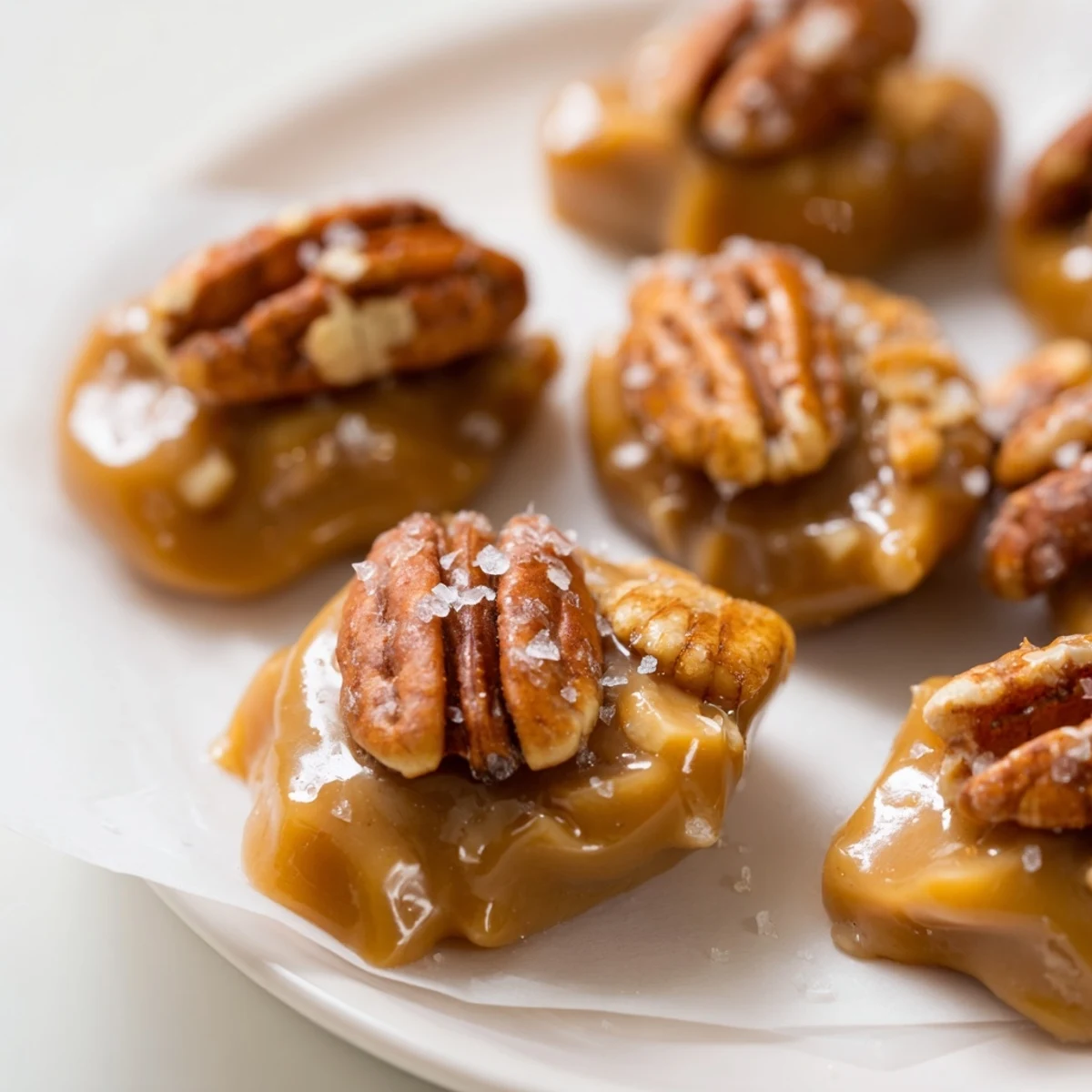
 Indulge in a classic Southern sweet crafted by toasting pecans and enveloping them in a luscious, creamy caramel. Using a blend of granulated and light brown sugars cooked to the soft-ball stage with milk and butter, this confection achieves a perfect balance of creamy texture and rich flavor. Vanilla adds depth while careful stirring ensures a smooth, pourable mixture. Dropped onto lined sheets, these pralines set to a delicious finish perfect for celebrations.
The air in my grandmother's kitchen always carried this unmistakable buttery sweetness during carnival season, and I'd hover by the stove watching her wooden spoon make those rhythmic circles in the bubbling sugar. She never measured anything precisely, yet every batch emerged perfectly glossy and studded with toasted pecans. Years later when I attempted to recreate her magic without a candy thermometer, I ended up with a grainy mess that taught me respect for the chemistry behind this Southern staple. Now I keep that thermometer clipped to the pan like a trusted friend, and somehow the pralines taste even better knowing I've finally earned my way to them.
Last year I made triple batches for a Fat Tuesday party and wound up hiding a dozen in the back of the pantry just to ensure they'd survive until the actual celebration. My cousin caught me tucking them away and pretended not to notice, but later I found her doing the exact same thing with the stash she'd discovered. There's something about these buttery pecan disks that brings out the protective instinct in everyone who tastes them.
Ingredients
- 1 1/2 cups granulated sugar: This provides the crystalline structure that gives pralines their characteristic bite and helps the mixture set properly
- 3/4 cup packed light brown sugar: The molasses here creates that deep caramel flavor and keeps the texture creamy rather than hard
- 1/2 cup whole milk: Whole milk prevents the sugar from seizing and contributes to the luscious mouthfeel
- 6 tablespoons unsalted butter: Butter is the backbone of Southern candy making, adding richness and helping the mixture coat the pecans beautifully
- 1/4 teaspoon fine sea salt: Just enough salt makes all those buttery notes sing and balances the intense sweetness
- 1 1/2 cups pecan halves, toasted: Toasting the pecans first amplifies their natural nuttiness and prevents them from getting lost in the caramel
- 1 teaspoon pure vanilla extract: Vanilla adds that warm aromatic finish that rounds out the caramel flavors
Instructions
- Prepare your workstation:
- Line two baking sheets with parchment paper or silicone mats before you start cooking, because once that sugar reaches temperature, you'll need to move fast
- Combine the base:
- In a heavy-bottomed saucepan over medium heat, stir together granulated sugar, brown sugar, milk, butter, and salt until the butter melts and everything comes to a gentle boil
- Watch the temperature:
- Clip your candy thermometer to the pan and keep stirring as the mixture climbs to 238°F, which takes about 8 to 10 minutes of patient attention
- Add the flavor:
- Pull the pan from heat immediately when it hits temperature, then stir in those toasted pecans and vanilla extract until fully incorporated
- Work quickly:
- Keep stirring vigorously by hand for 2 to 3 minutes until the mixture thickens into a creamy consistency that's still loose enough to scoop
- Form the pralines:
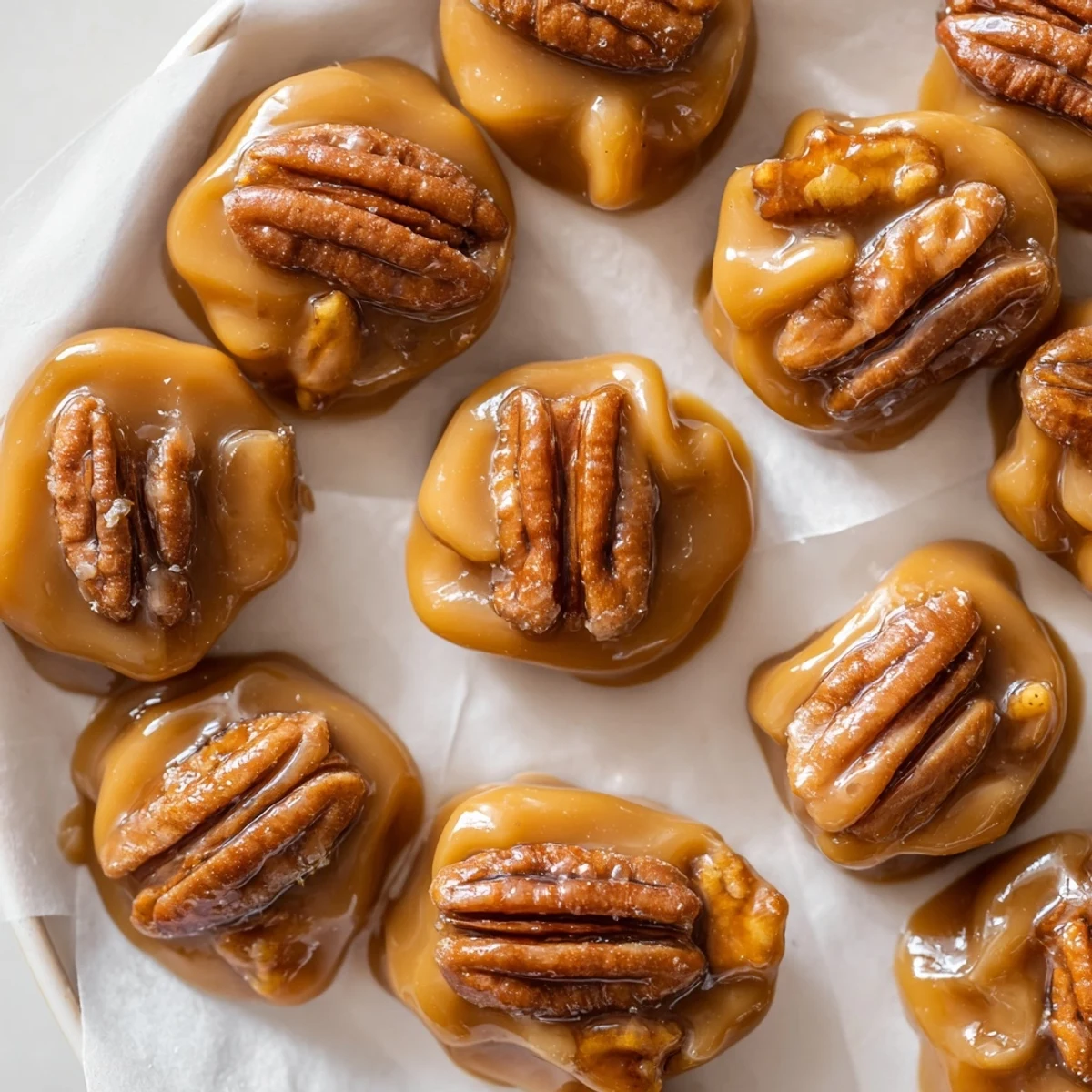
- Drop tablespoon-sized mounds onto your prepared baking sheets, spacing them apart so they don't merge as they set
- Let them cool:
- Leave the pralines undisturbed at room temperature for about 20 minutes until they're completely firm before serving or storing
 Save to Pinterest
 My most memorable batch came together during a thunderstorm that knocked out power just as the sugar reached temperature. We finished stirring by flashlight light, and something about that chaotic moment made those pralines taste like pure magic. Now whenever the weather turns wild while I'm making candy, I smile and think of that perfect imperfect batch.
Getting The Right Temperature
A candy thermometer takes the guesswork out of praline making, but I've learned to trust my other senses too. The mixture transforms from a thin syrup to something with gorgeous glossy sheen, and tiny bubbles start forming around the edges when it's getting close. That soft-ball stage at 238°F is non-negotiable though, because going even a few degrees higher means you'll end up with hard candy instead of creamy pralines.
Working With The Sugar
Sugar has a mind of its own, and patience during that initial boiling phase makes all the difference. I used to rush this step and wonder why my pralines turned out grainy or inconsistent. Now I treat those 8 to 10 minutes of stirring as meditation time, keeping the heat steady and the motion constant. The sugar rewards this attention by developing that smooth, caramel complexity that defines a great praline.
Serving And Storage
These pralines make excellent gifts layered in wax paper inside decorative tins, and they actually develop deeper flavor after a day or two. I've learned to package them immediately because leaving them out on the counter during a humid day can make them sticky. Store them in an airtight container at room temperature and they'll stay perfect for up to a week, assuming they last that long.
- Tuck a small piece of parchment paper between layers if you're stacking them in a gift container
- For gifting, aim for uniform sizing so each praline looks picture perfect
- If you're making these for a crowd, consider preparing double batches because they disappear fast
 Save to Pinterest
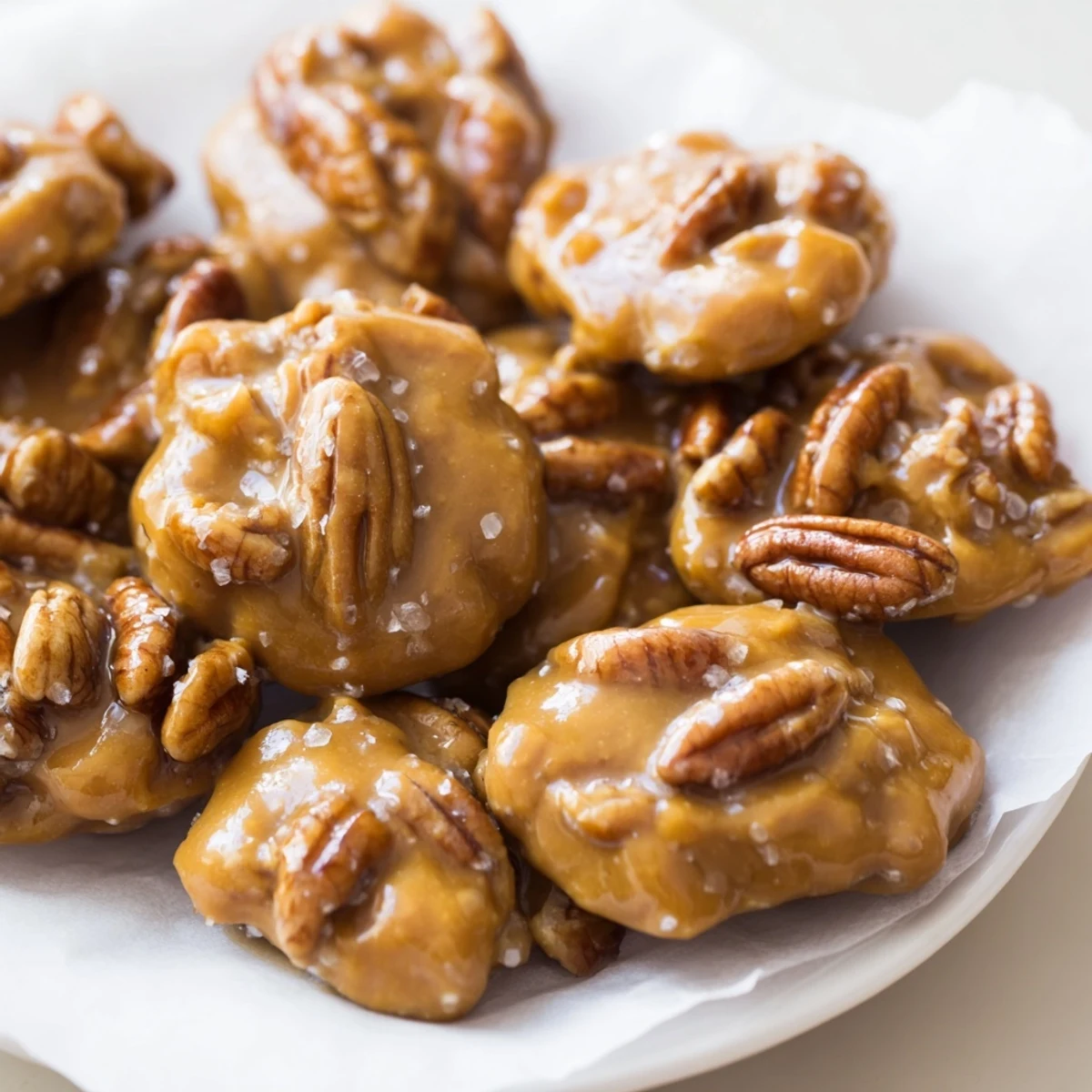
 There's something deeply satisfying about making candy at home, and these pralines capture the playful spirit of Mardi Gras in every buttery bite. Whether you're sharing them at a party or savoring one with afternoon coffee, they bring a little bit of Southern joy right into your kitchen.
Recipe FAQs
- → How do I ensure the caramel reaches the perfect consistency?
-
Use a candy thermometer to cook the sugar mixture to 238°F, known as the soft-ball stage, for ideal texture and creaminess.
- → Can I substitute the pecans with other nuts?
-
Yes, walnuts or almonds work well, but pecans are traditional for authentic flavor and texture.
- → What is the best way to toast pecans evenly?
-
Toast pecan halves in a dry skillet over medium heat or in the oven at 350°F for 5-8 minutes until fragrant.
- → How should these confections be stored for freshness?
-
Place pralines in an airtight container at room temperature to keep them fresh for up to one week.
- → What causes the mixture to seize or become grainy?
-
Rapid cooling or crystallization causes graininess; adding hot water and stirring vigorously can loosen the mixture.