
 Save to Pinterest
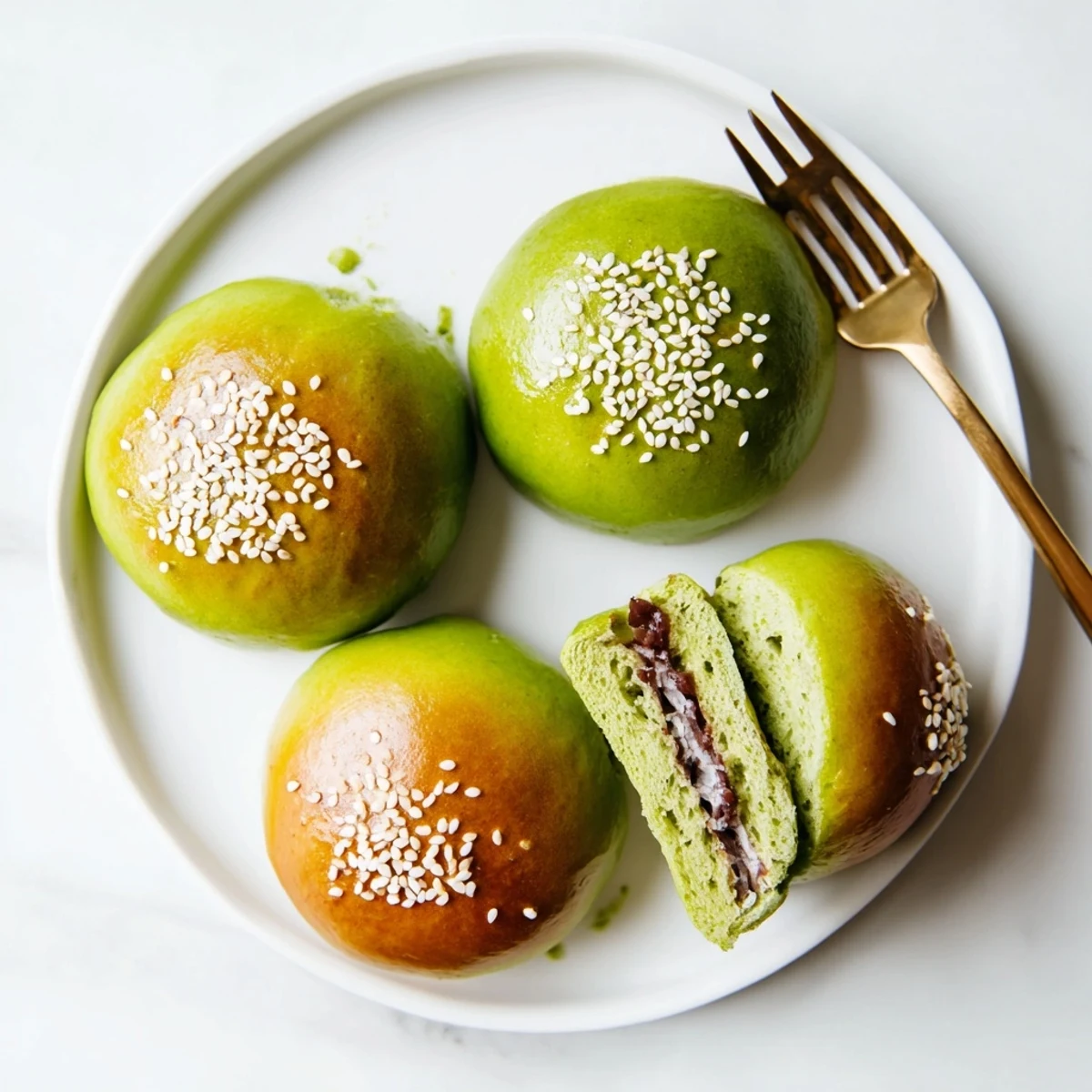
 These soft, pillowy buns combine the earthy notes of matcha green tea with the natural sweetness of red bean paste, creating a beloved Japanese bakery staple at home. The dough incorporates matcha powder directly into the flour mixture, giving each bun a vibrant green color and subtle tea flavor that perfectly balances the sweet anko filling.
The process involves mixing a simple enriched dough, letting it rise until doubled, then wrapping portions of red bean paste inside flattened discs of dough. A second rise ensures the buns become light and airy, while an egg wash creates a beautifully golden finish. The result is a delightful fusion of textures—slightly crispy exterior, fluffy interior, and smooth, sweet filling throughout.
Perfect for weekend breakfast, afternoon tea, or as an impressive homemade snack, these buns capture the essence of Japanese wagashi traditions in an approachable, bakeable format. They reheat beautifully and stay fresh for days when stored properly.
The first time I walked into a Japanese bakery, the display case stopped me cold—rows of jade green buns speckled with black sesame seeds, looking like something from a dream. I bought three on impulse, eating one still warm from the bag as I walked home, sweet red bean oozing out with each bite. Those buns became my weekend obsession for months until I finally convinced myself to attempt them in my tiny apartment kitchen.
My sister visited during matcha bun experiment week, and we sat on my kitchen floor eating rejects while the final batch proofed on the counter. She took a bite, closed her eyes, and said something about how food memories work on you without permission. Now whenever I smell matcha blooming in warm milk, Im back in that kitchen with flour dust in my hair and someone I love nearby.
Ingredients
- Bread flour: The higher protein content creates structure that holds up beautifully to the weight of the filling
- Matcha powder: Culinary grade works perfectly here—ceremonial grade is too precious to bake with
- Instant yeast: Skip the proofing step and add it directly with your dry ingredients
- Lukewarm milk: Test it on your wrist like baby formula—too hot kills yeast, too cold slows everything down
- Red bean paste: Homemade is lovely but store bought anko works perfectly if you find a good brand
- Butter: Room temperature butter incorporates seamlessly into the dough for that tender crumb
Instructions
- whisk your dry foundation:
- Combine bread flour, vibrant matcha powder, sugar, instant yeast, and salt in a large bowl until everything is evenly distributed and the flour takes on that gorgeous green hue
- bring the dough together:
- Pour in your lukewarm milk and crack in the egg, mixing until shaggy dough forms and no dry patches remain
- knead until transformation:
- Work in softened butter by hand for ten minutes or let your stand mixer do the heavy lifting for six minutes until the dough feels smooth, elastic, and slightly tacky but not sticky
- let it rise:
- Shape into a ball, place in a greased bowl, cover, and let rest in a warm spot until doubled—about an hour of patience
- portion and fill:
- Punch down gently, divide into twelve equal pieces, flatten each into a disc, and nestle a generous tablespoon of red bean paste in the center before gathering edges and pinching tight
- second rise:
- Place seam side down on a lined baking sheet, cover loosely, and let puff up again for about forty minutes until they look pillowy and slightly jiggly
- finish and bake:
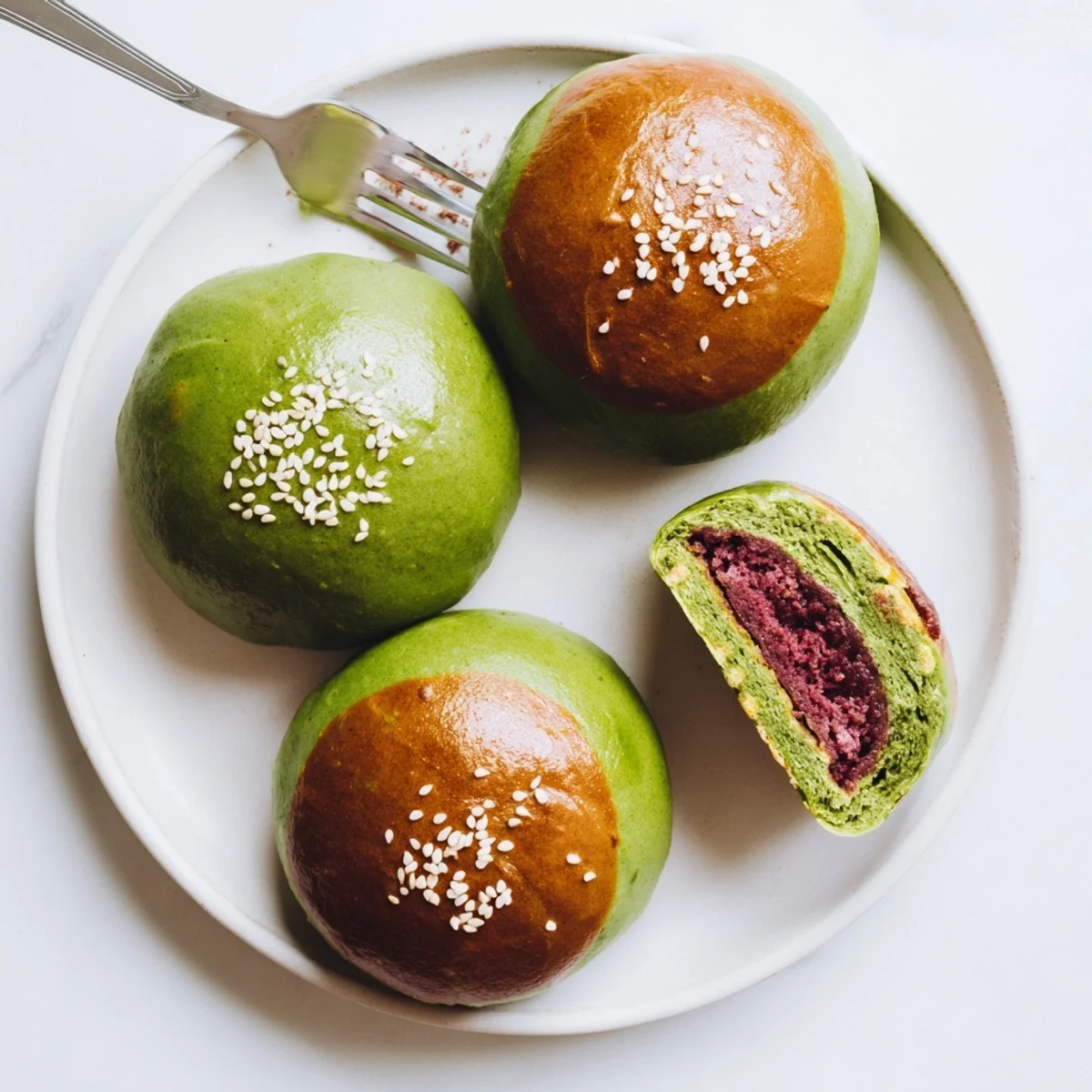
- Whisk egg yolk with milk, brush tops gently, scatter sesame seeds if you like, then bake at 350°F for eighteen to twenty minutes until lightly golden and the kitchen smells like green tea heaven
 Save to Pinterest
 These became my go to comfort food during a lonely winter, filling my apartment with warmth and green tea steam. Something about the ritual of shaping each bun by hand makes them feel more like medicine than food.
Making Them Ahead
The dough can be made the night before and left to slow rise in the refrigerator, which actually develops better flavor. In the morning, let it come to room temperature for about thirty minutes before shaping and filling as usual.
Matcha Matters
Not all matcha is created equal—bright green powder indicates freshness while dull yellowish green means its past its prime. Store yours in the freezer in an airtight container away from light to preserve that vivid color and grassy sweetness.
Filling Variations
Red bean is traditional but not your only option. Once you master the dough technique, these buns become a canvas for whatever flavors move you.
- White bean paste with fresh yuzu zest cuts through the richness beautifully
- Nutella transforms them into something completely different but equally beloved
- Sweetened black sesame paste makes them look dramatic and taste even better
 Save to Pinterest
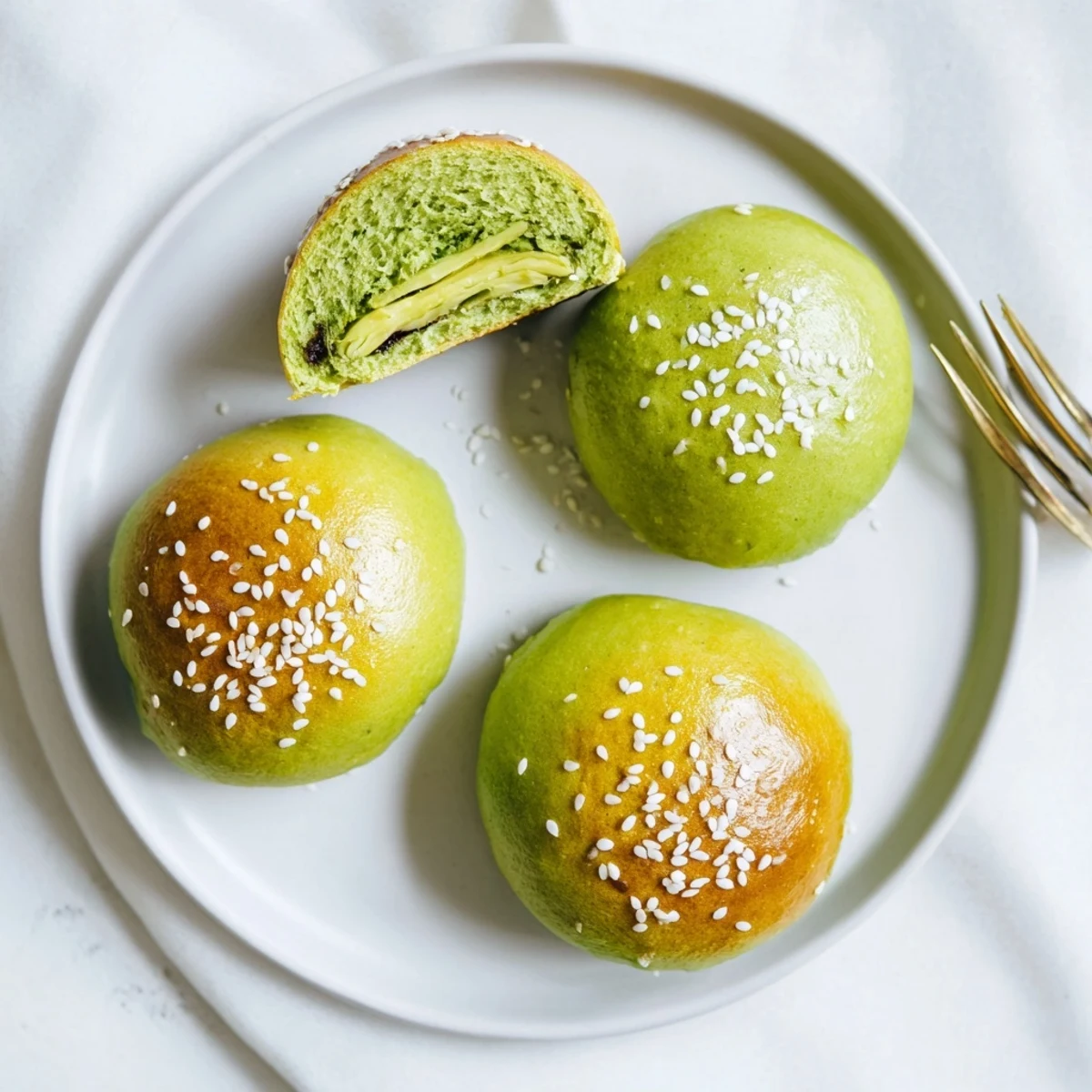
 There is something profoundly satisfying about pulling warm buns from the oven, your kitchen filled with green tea and butter, knowing you made something beautiful with your own hands.
Recipe FAQs
- → Can I make the dough ahead of time?
-
Yes, you can prepare the dough and let it complete its first rise, then refrigerate it overnight. The cold fermentation actually develops flavor. Bring the dough to room temperature before shaping and filling.
- → Where can I find red bean paste?
-
Sweetened red bean paste (anko) is available in Asian grocery stores, typically in cans or vacuum-sealed packages. You can also make it from scratch by simmering adzuki beans with sugar until they break down into a smooth paste.
- → Why did my buns turn out dense?
-
Dense buns usually result from not letting the dough rise sufficiently, overworking the dough during shaping, or under-kneading initially. Ensure the dough doubles in size during each rise period and avoid adding too much extra flour when working with it.
- → Can I use matcha culinary grade instead of ceremonial?
-
Culinary grade matcha works perfectly fine in this application since the flavor will be baked and blended with other ingredients. Ceremonial grade is more expensive and intended for drinking, so save it for that purpose.
- → How do I prevent the red bean filling from leaking?
-
Make sure to seal the edges of the dough thoroughly by pinching them together firmly. Place the buns seam-side down on the baking sheet, and avoid overfilling—about one tablespoon of paste per bun is ideal.