
 Save to Pinterest
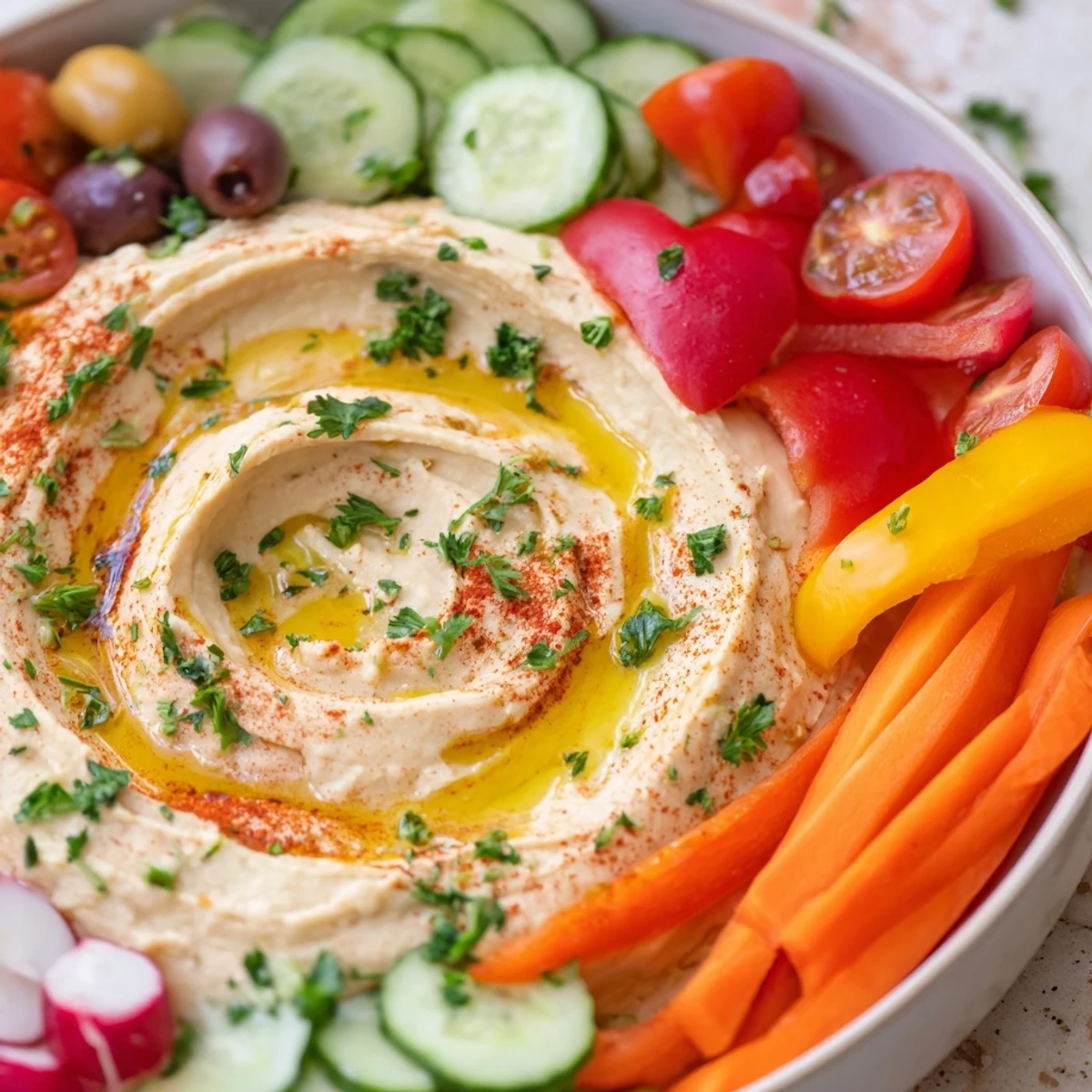
 This Mediterranean hummus platter features creamy, blended chickpeas with tahini, olive oil, and spices. Fresh, crisp vegetables like tomatoes, cucumbers, bell peppers, carrots, radishes, and sugar snap peas create a lively contrast. Garnished with Kalamata olives, chopped parsley, and smoked paprika, the platter offers a blend of vibrant flavors and textures. Serve with pita or gluten-free crackers for an easy, flavorful dish that suits vegan and gluten-free preferences.
There's something about the moment when you realize hummus doesn't have to come from a store. I was standing in a friend's kitchen in Athens, watching her blend chickpeas with tahini and lemon like it was the simplest magic trick, and suddenly everything clicked. That platter she arranged—the hummus swirled in the center, vegetables radiating outward like edible rays of sun—became my template for every casual gathering since. It's become my thing now, the dish people text me about before they even arrive.
I made this for my mom's book club once, unsure if a hummus platter would register as real food or just appetizer filler. By the time everyone left, the hummus bowl was bare, the vegetables picked down to stems, and someone asked for the recipe with the kind of earnestness that made me feel like I'd cracked some secret code. Turns out people want simple, beautiful food they can eat with their hands while talking.
Ingredients
- Chickpeas: Canned works perfectly fine—drain and rinse them well so you're not blending musty liquid into your hummus.
- Tahini: This is where the magic happens; don't skip it or substitute it with peanut butter no matter how tempted you are.
- Extra-virgin olive oil: Use actual good olive oil here because you'll taste the difference, especially in the final drizzle.
- Lemon juice: Fresh squeezed makes a sharp, bright difference that bottled juice simply can't replicate.
- Garlic: Mince it fine so it blends smooth instead of leaving little pockets of harshness.
- Cumin: The secret warmth that makes people wonder what you did differently.
- Sea salt: Start with less than you think you need; you can always add more, but you can't take it out.
- Cold water: The patience play—add it slowly and watch the hummus transform from thick paste to cloud-like texture.
- Cherry tomatoes: Halved so they catch on the spoon and don't roll off the platter.
- Cucumber: Sliced into sticks that feel refreshing and substantial in your hand.
- Bell peppers: Red and yellow because they taste sweeter than green, and this is meant to feel celebratory.
- Carrots: Peel them so they gleam and taste fresher than raw.
- Radishes: The peppery surprise that keeps the platter from feeling one-dimensional.
- Sugar snap peas: Eat them raw straight off the platter because they're sweet and crisp that way.
- Kalamata olives: Pitted so nobody bites down on a stone and ruins the mood.
- Feta cheese: Crumbled coarsely, adding salty tang and texture, or left out entirely if you're keeping it vegan.
- Fresh parsley: Chopped just before serving so it stays bright green and fragrant.
- Smoked paprika: The finishing touch that looks beautiful and tastes warm.
- Pita or crackers: Optional but recommended for scooping—it transforms hummus from a dip into something you can actually eat.
Instructions
- Blend the hummus:
- Combine chickpeas, tahini, olive oil, lemon juice, garlic, cumin, and salt in your food processor. Pulse until it's smooth, then add cold water one tablespoon at a time while the machine runs, watching it transform from grainy to silky. Taste it and adjust—maybe it needs more lemon, maybe more salt, maybe another tablespoon of tahini for richness.
- Plate it with intention:
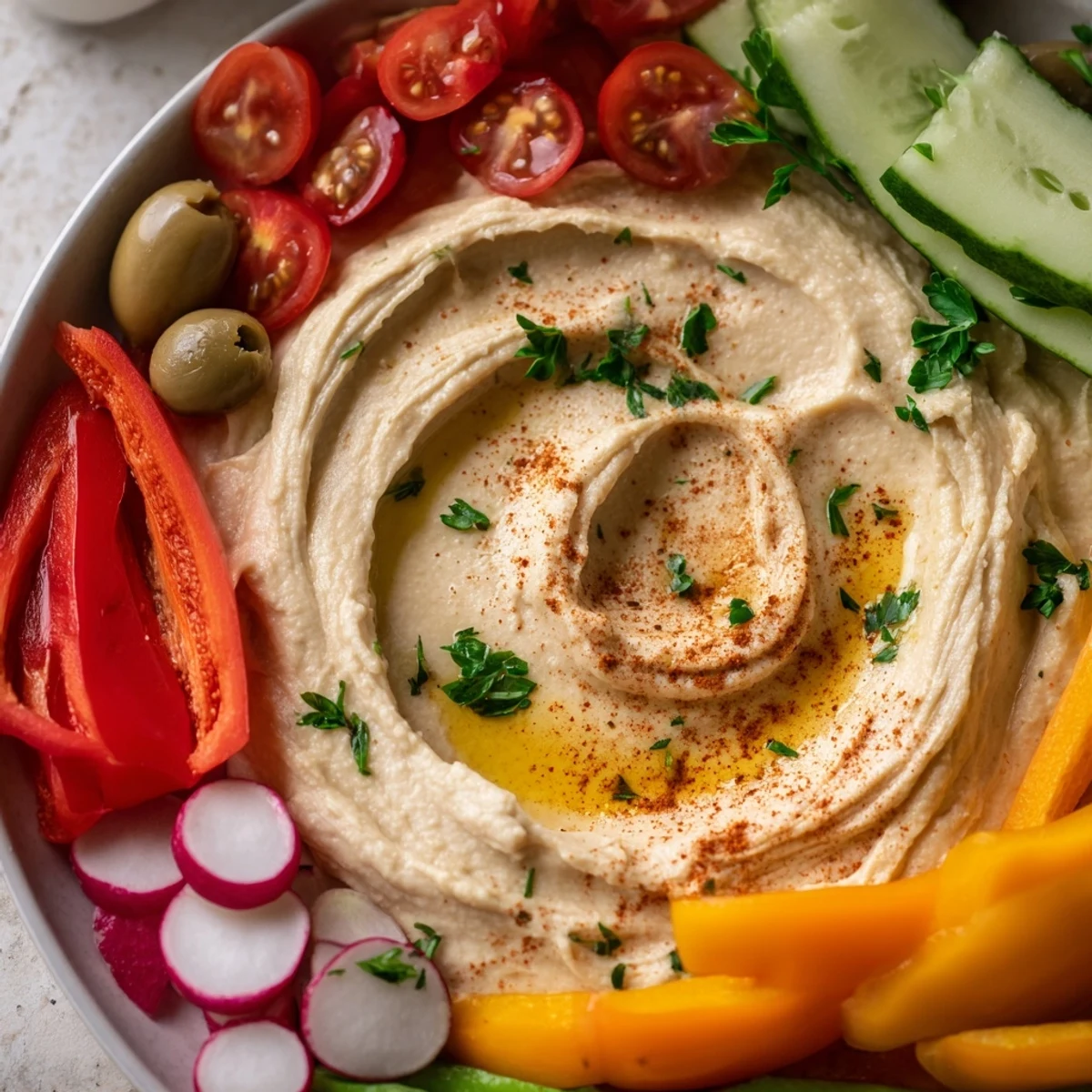
- Transfer that cloud of hummus to a shallow serving bowl and make a gentle swirl with the back of your spoon, creating little wells that catch olive oil and paprika. Drizzle generously with olive oil, sprinkle the smoked paprika and fresh parsley, and step back to look at it because this moment of beauty before chaos is worth savoring.
- Arrange the vegetables:
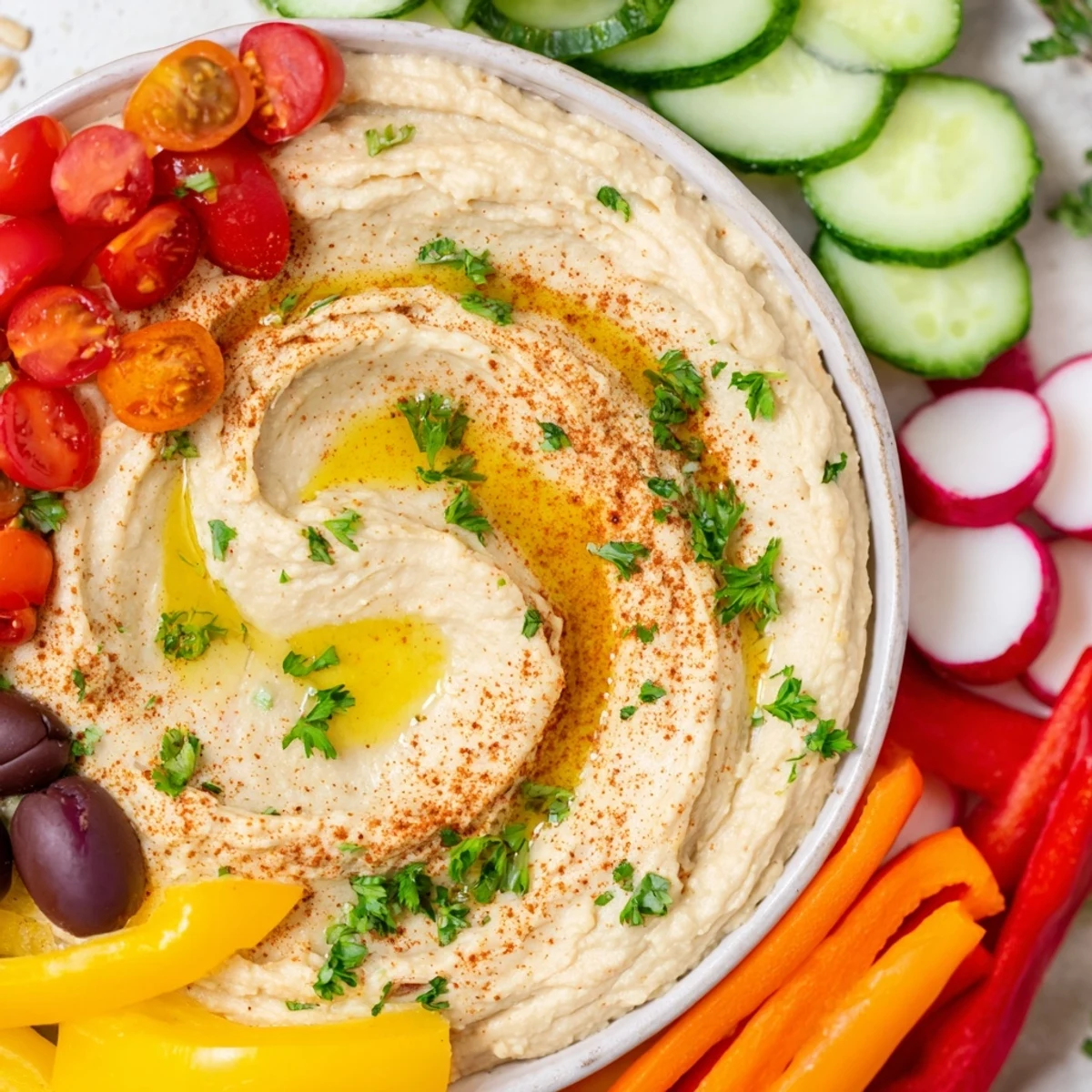
- On a large platter around the hummus bowl, arrange all your vegetables in loose groups—tomatoes together, cucumbers together, peppers together. Scatter the olives and feta around, letting colors and shapes create natural rhythm without looking too planned.
- Serve and watch it disappear:
- Set it out with pita or crackers nearby and let people dive in, standing back to enjoy the sound of conversation and the satisfaction of watching something you made get genuinely enjoyed.
 Save to Pinterest
 What I love most about this platter is that it works as both the meal and the moment—people gather around it, pick at it, linger over it, and suddenly you've created a reason for connection. It's taught me that sometimes the best entertaining happens when you're not stressed about a hot stove.
The Beauty of Simple Ingredients
Every ingredient here does something specific, and nothing is wasted. The richness comes from tahini and olive oil, the brightness from lemon and parsley, the intrigue from cumin and paprika. This isn't a recipe built on technique as much as on understanding how flavors balance each other. Once you've made it once, you'll know exactly which element needs adjustment next time.
Making It Your Own
This platter thrives on improvisation. Spring asparagus, summer zucchini, fall roasted beets, winter endive—whatever your market has that looks good. I've added pomegranate seeds for sparkle, sliced fennel for licorice notes, roasted chickpeas for crunch. The structure stays the same; the details shift with the seasons and your mood. One time I drizzled chili oil over everything and suddenly it felt dangerous and exciting.
Timing and Presentation
There's no cooking, just assembly, which means you can make this 10 minutes before people arrive and it'll feel fresh. The vegetables stay crisp, the hummus stays smooth, and you're not stressed. That ease shows up in how you move around your kitchen, and your guests feel it the moment they walk in. Confidence is the best seasoning.
- Cut vegetables just before serving to preserve their crispness and color.
- Make the hummus ahead if you want, but wait to drizzle the final olive oil and paprika until the last moment.
- If you're transporting this somewhere, keep the hummus and vegetables separate and assemble at the destination.
 Save to Pinterest
 This platter has taught me that entertaining doesn't require complexity, just ingredients you care about arranged with intention. Make it once and it becomes part of your repertoire forever.
Recipe FAQs
- → What ingredients create the creamy base of the hummus?
-
The creamy base is made from chickpeas, tahini, extra-virgin olive oil, lemon juice, garlic, cumin, sea salt, and cold water for texture.
- → Which vegetables complement the hummus on this platter?
-
Fresh cherry tomatoes, cucumber sticks, red and yellow bell peppers, carrots, radishes, and sugar snap peas add crispness and color.
- → How can the platter be adjusted for vegan diets?
-
Simply omit the feta cheese or substitute with a plant-based alternative to keep the platter vegan-friendly.
- → What garnishes enhance the flavor and presentation?
-
Kalamata olives, fresh parsley, smoked paprika, and a drizzle of olive oil provide bold, Mediterranean touches.
- → What serving options pair well with this platter?
-
Serve alongside pita bread or gluten-free crackers to complement the creamy hummus and crunchy vegetables.