
 Save to Pinterest
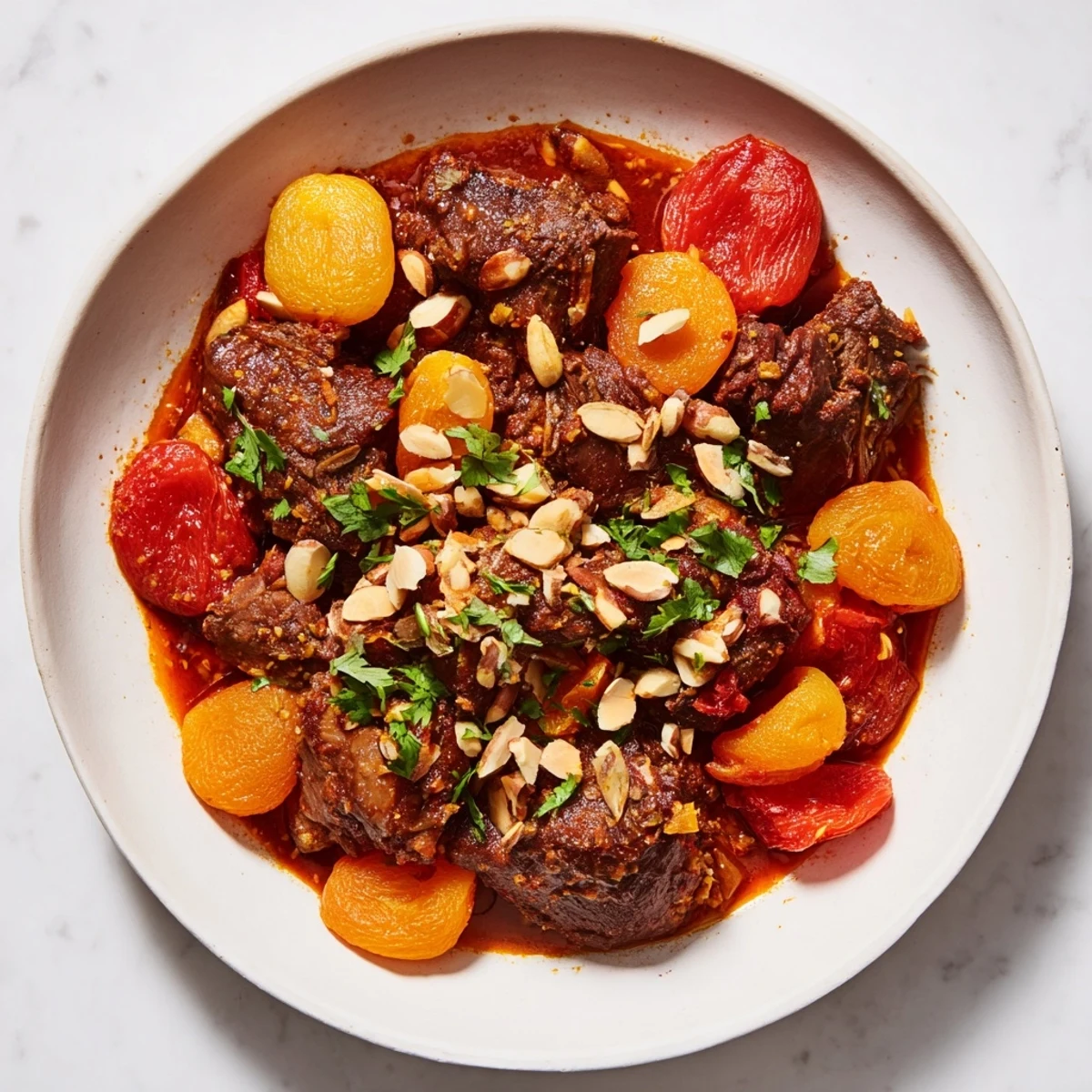
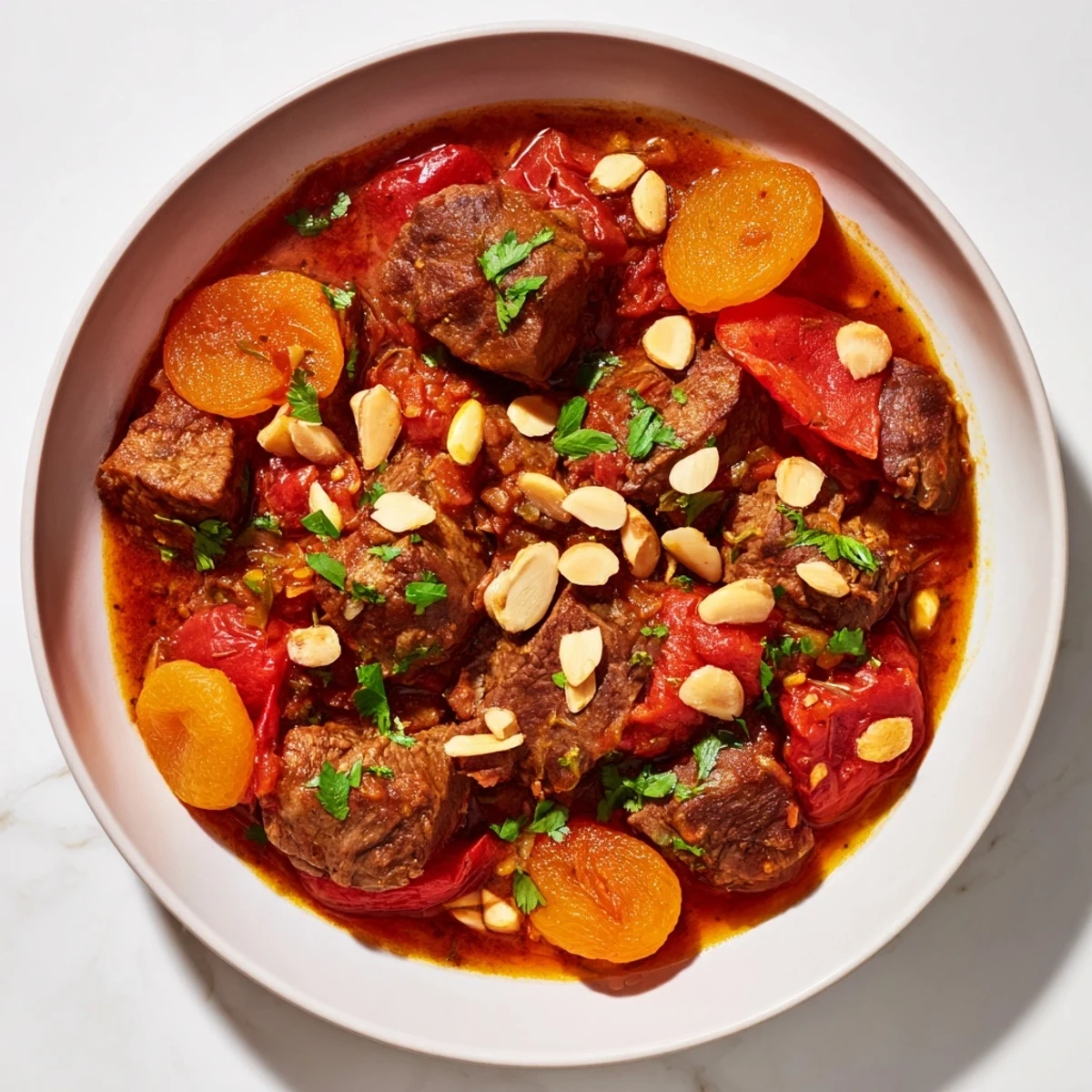
 This Moroccan lamb tagine offers tender lamb shoulder slowly simmered with onions, garlic, and a blend of warm spices like cinnamon, cumin, and coriander. The addition of dried apricots and golden raisins creates a subtle sweetness balancing the savory richness. Toasted almonds add crunch while honey and lemon zest brighten the flavors. Served best with couscous or warm bread, it’s a flavorful meal perfect for a cozy dinner.
I'll never forget the first time I tasted a proper Moroccan lamb tagine—it was at a small riad in Marrakech on a cool evening, the air thick with the scent of cinnamon and cumin. The lamb was so tender it melted on my tongue, and the sweet apricots against the warm spices created this perfect balance I'd never experienced before. That night, I promised myself I'd recreate that magic at home, and after years of experimenting in my own kitchen, I finally nailed it. This recipe is the result of those late-night cooking adventures and countless adjustments to get that authentic, soul-warming flavor just right.
I remember cooking this for my sister's birthday dinner a few years back, and she walked into the kitchen just as I was stirring in the apricots and raisins. The aroma hit her and she immediately said, "Where are we, Morocco?" That's when I knew this recipe had transcended just being dinner—it transported people somewhere special, and that's been the most rewarding part of perfecting it.
Ingredients
- 1.2 kg lamb shoulder, cut into 5 cm cubes: This is the heart of the dish—shoulder has just enough marbling to become gorgeously tender during the long braise. I learned the hard way that cutting it into uniform pieces matters; smaller chunks cook faster but lose that satisfying bite.
- 2 medium onions, finely chopped: They dissolve into the sauce and create a subtle sweetness that balances the spices. The finer you chop them, the better they integrate.
- 3 garlic cloves, minced: Fresh garlic is non-negotiable here; it should be fragrant but not overpowering, so mince it just before cooking.
- 2 medium carrots, sliced: These add natural sweetness and body to the sauce. I slice them rather than cube because they soften beautifully and look lovely in the finished dish.
- 2 tsp ground cumin and 2 tsp ground coriander: These two are the backbone of the flavor profile—they should be relatively fresh because stale spices will make everything taste flat and dusty.
- 1½ tsp ground cinnamon: This is what makes people pause and ask what that warmth is they're tasting. Don't skimp on quality here.
- 1½ tsp ground ginger, 1 tsp paprika, ½ tsp turmeric, ½ tsp cayenne: Together, these create depth and gentle heat. The paprika gives a slight color and earthiness that's essential.
- 400 g canned chopped tomatoes: Use good quality canned tomatoes; they provide acidity to balance the sweetness and body to the sauce.
- 500 ml lamb or beef stock: This should be the best quality you can find—it becomes the foundation of the sauce, so taste it first to make sure it's good on its own.
- 100 g dried apricots and 50 g golden raisins: These soften during cooking and create bursts of natural sweetness. I prefer apricots for their slight tang, but the raisins add a deeper sweetness.
- 50 g blanched almonds, toasted: Toasting them yourself brings out their nuttiness. This adds texture and a subtle richness at the end.
- 2 tbsp olive oil, 2 tbsp honey, and zest of 1 lemon: The honey mellows the spices and adds body to the sauce, while the lemon zest adds brightness that prevents everything from feeling too heavy.
- Fresh coriander or parsley for garnish: This final touch adds freshness and color—don't skip it, as it really completes the dish.
Instructions
- Brown the lamb like you mean it:
- Heat your olive oil until it shimmers, then work in batches—if you crowd the pan, you'll steam the meat instead of browning it. You want a deep golden crust on each piece. This takes patience, maybe 10 minutes total, but it's where so much flavor comes from. Listen for that satisfying sizzle as each cube hits the hot oil.
- Build the aromatic base:
- Once the lamb is set aside, soften your onions and carrots in the same pot, scraping up all those browned bits. This takes about 5 minutes, and you'll know they're ready when the onions turn translucent and the whole kitchen smells warm and inviting.
- Wake up the spices:
- Add your minced garlic and all those spices, stirring constantly for just about a minute. This is crucial—you're blooming the spices in the hot oil so they release their essential oils and perfume. If you smell something slightly toasted and fragrant, you're there.
- Bring everything together:
- Return the lamb to the pot, then add your tomatoes, stock, honey, and lemon zest. Stir everything together gently, making sure nothing sticks to the bottom. Bring it to a gentle simmer—you want little bubbles breaking the surface, not a rolling boil.
- Let time do the work:
- Cover the pot and lower the heat. This is where the magic happens. Stir occasionally, maybe every 20 minutes or so, just to keep things moving. After 1½ hours, the lamb should be getting tender, and the sauce should be developing that rich, deep color.
- Add the sweet finale:
- Scatter in your apricots and raisins, which will plump up and soften as they cook. Simmer for another 30 minutes with the lid still on. This is when you taste and adjust—maybe a pinch more salt, a touch more honey if you want extra sweetness, or a squeeze of fresh lemon if you want brightness.
- Finish with the almonds and garnish:
- Stir in your toasted almonds just before serving. They'll add a subtle crunch that contrasts beautifully with the tender meat. Scatter fresh coriander or parsley on top, and you're done.
 Save to Pinterest
 There's something almost spiritual about serving a tagine. I've watched normally quiet dinner tables become animated, people asking for seconds, and kids trying the spices for the first time and discovering that food doesn't have to fit into a box of flavors they already know. That's when I realized this dish isn't just sustenance—it's a conversation starter, a way to say, "Let me take you on a little journey tonight."
The Story Behind the Spices
What makes a Moroccan tagine different from other stewed meats is the careful orchestration of spices—each one has a reason to be there. Cinnamon might seem unusual in a savory dish, but in North African cooking, it's the spice that connects sweet and savory, creating something that feels almost floral and complex. Coriander adds a subtle citrus note without being obvious about it, while cumin brings earthiness. Ginger gives warmth without heat, and just a hint of turmeric brings color and an almost medicinal earthiness that grounds the whole thing. When these spices are bloomed in hot oil before adding the meat, they transform from individual flavors into a unified, rounded taste that feels like home, even if it's your first time tasting it.
Serving Suggestions and Pairings
I've learned that the best way to serve a tagine is with something that can soak up the beautiful sauce. Steamed couscous is traditional and works perfectly—the fluffy grains absorb the sauce without competing with the flavors. Basmati rice is wonderful too, more fragrant and elegant. Warm flatbread is my personal favorite for casual dinners because you can actually use it to scoop and share, turning the meal into something interactive and intimate. The beauty of this dish is that it works alongside almost any grain or bread, so serve it however feels right for your table.
Make It Your Own
One of my favorite things about this recipe is how flexible it is once you understand the fundamentals. I've made it with dried figs instead of apricots when that's what I had on hand, and the deeper, almost chocolate-like sweetness was stunning. A friend added green olives and preserved lemon when her Moroccan grandmother came to visit, and I've been making it that way ever since. Another time, I threw in some dried cherries and it had this bright tartness that completely changed the character—still delicious, just different.
- Try adding a pinch of saffron threads steeped in warm stock for a luxury version that tastes even more special.
- If you have pomegranate molasses on hand, a splash of it will add tartness and complexity that makes people sit back and really taste.
- Don't be afraid to add a handful of fresh spinach at the very end—it wilts into the sauce and adds a layer of earthiness.
 Save to Pinterest
 This recipe has become my answer when someone asks what I make when I want to feel connected to somewhere beautiful, or when I want to create a moment that sticks with people long after dinner is over. It's uncomplicated, deeply flavorful, and somehow manages to feel both comforting and adventurous.
Recipe FAQs
- → What cut of lamb is best for this dish?
-
Lamb shoulder is ideal due to its marbling and tenderness after slow cooking.
- → Can I substitute dried apricots?
-
Yes, dried figs or prunes offer a similar sweetness and work well as alternatives.
- → How long should the tagine simmer?
-
Simmer on low heat for about 2 hours total, allowing the lamb to become tender and flavors to meld.
- → What can I serve alongside this dish?
-
Traditional sides include steamed couscous, rice, or warm flatbread to soak up the sauce.
- → Is it possible to adjust the heat level?
-
Yes, cayenne pepper is optional and can be omitted or increased based on preferred spiciness.