
 Save to Pinterest
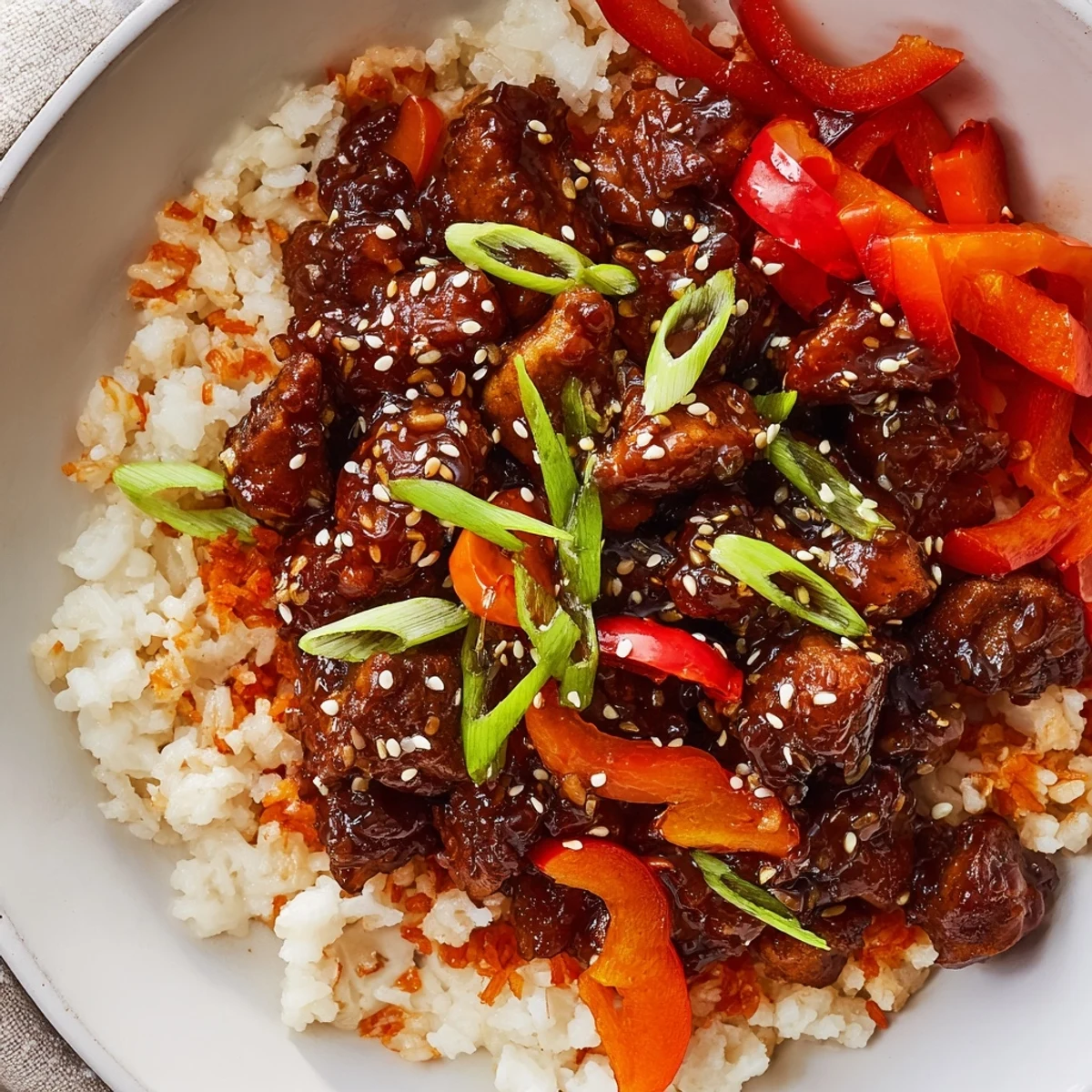
 This Korean-inspired skillet combines tender chicken thighs marinated in sweet and savory BBQ sauce with aromatic vegetables and fluffy rice. Everything cooks together in one pan, making cleanup effortless while the rice absorbs all those delicious Korean flavors.
The marinade features gochujang-style Korean BBQ sauce blended with soy sauce, sesame oil, honey, garlic, and ginger, creating that perfect balance of sweet, salty, and umami. The chicken browns beautifully before vegetables join the pan, followed by rice that steams in chicken broth until perfectly tender.
Ready in just 50 minutes with only 15 minutes of active prep, this skillet meal serves four people generously. Top with fresh green onions and toasted sesame seeds for that restaurant-style finish at home.
The first time I made this Korean BBQ chicken and rice, my kitchen smelled like my favorite takeout spot but with that cozy home-cooked feeling that takeout never quite captures. I was running late on a Tuesday evening and threw everything into one pan, hoping for the best. When I lifted the lid after 25 minutes, the rice had absorbed all those sweet and savory flavors, and the chicken was impossibly tender. Now it's the meal I make when I want something impressive but absolutely effortless.
Last month my roommate walked in while this was simmering and immediately asked what restaurant I ordered from. The look on her face when I told her I made it myself was priceless. We ate straight from the pan, standing over the stove, because neither of us could wait to sit down properly.
Ingredients
- 500 g boneless skinless chicken thighs: Thighs stay juicy during the longer cooking time much better than breast meat ever could
- 4 tbsp Korean BBQ sauce: This is your flavor foundation so choose one you really love tasting
- 2 tbsp soy sauce: Adds that essential umami depth that balances the sweetness
- 1 tbsp sesame oil: Toasted sesame oil gives an incredible aroma you will notice immediately
- 1 tbsp honey: Helps the chicken caramelize beautifully while cooking
- 2 cloves garlic minced: Fresh garlic makes such a difference here do not use the jarred stuff
- 1 tsp grated fresh ginger: Grating releases more oils than mincing and distributes the flavor better
- 1 small onion diced: Red onion works great too if that is what you have in the pantry
- 1 red bell pepper sliced: Adds sweetness and a pop of color that makes the dish look gorgeous
- 1 cup carrots julienned: Thin slices cook through evenly and add the perfect crunch
- 1 cup jasmine or short grain rice rinsed: Rinsing removes excess starch so the rice stays fluffy not gummy
- 2 cups chicken broth: Low sodium is crucial because the marinade is already well seasoned
- 2 green onions sliced: Fresh onion on top brightens the whole dish
- 1 tbsp toasted sesame seeds: These add such a satisfying nutty crunch in every bite
Instructions
- Marinate the chicken:
- Combine chicken with Korean BBQ sauce soy sauce sesame oil honey garlic and ginger in a bowl. Let it sit for at least 10 minutes while you prep the vegetables.
- Sear the chicken:
- Heat a splash of oil in a large deep skillet over medium high heat. Add the chicken and cook for 3 to 4 minutes until it develops a nice golden brown color.
- Add the vegetables:
- Toss in the onion bell pepper and carrots. Sauté for 2 to 3 minutes until they start to soften and smell amazing.
- Coat the rice:
- Stir in the rinsed rice making sure every grain gets coated in the flavorful cooking liquid.
- Simmer everything together:
- Pour in the chicken broth and bring it to a boil. Lower the heat cover tightly and let it simmer for 20 to 25 minutes.
- Let it rest:
- Remove from heat and keep the lid on for 5 full minutes. This step is what makes the rice perfectly fluffy.
- Finish and serve:
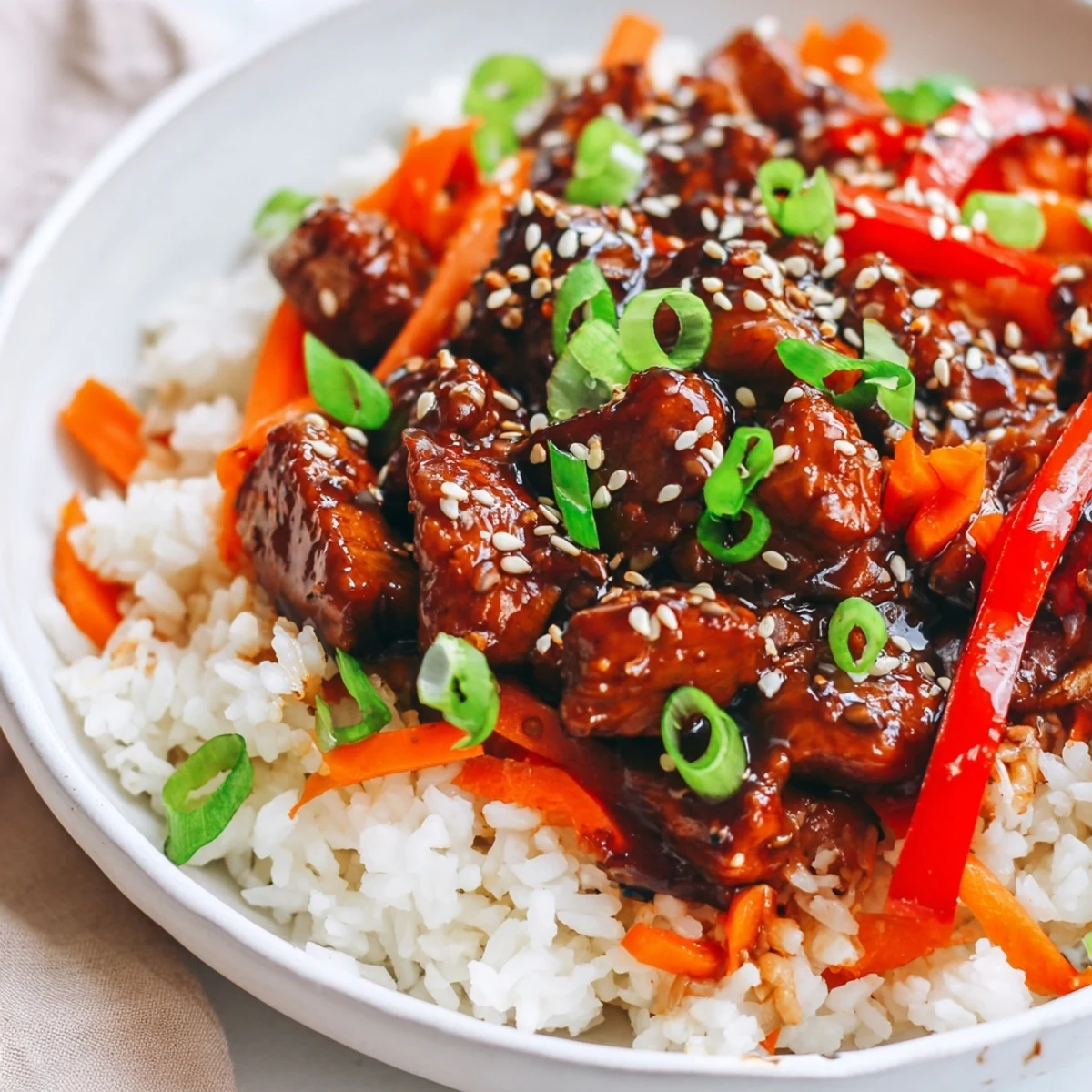
- Fluff everything with a fork and top with green onions and sesame seeds. Serve it steaming hot.
 Save to Pinterest
 This recipe became my go to for potlucks after I brought it to a friends dinner party and everyone asked for the recipe before we even finished eating. Something about the combination of sweet savory and nutty flavors makes people instantly comfortable and happy.
Making It Your Own
Sometimes I add baby spinach or frozen peas during the last 5 minutes of cooking for extra color and nutrition. You can also swap the chicken for tofu or shrimp just adjust the cooking time accordingly.
Perfect Rice Every Time
The secret to fluffy rice in one pan meals is using the right ratio of liquid to grain and absolutely not peeking while it simmers. Trust the process and let the steam do its work undisturbed.
Serving Suggestions
I love setting out small bowls of kimchi pickled radishes and a simple cucumber salad on the side. These fresh and tangy elements cut through the richness of the BBQ sauce perfectly.
- Make extra for lunch the next day because it reheats beautifully
- Keep a jar of gochujang on hand if you like extra heat
- A fried egg on top turns this into an incredible breakfast
 Save to Pinterest
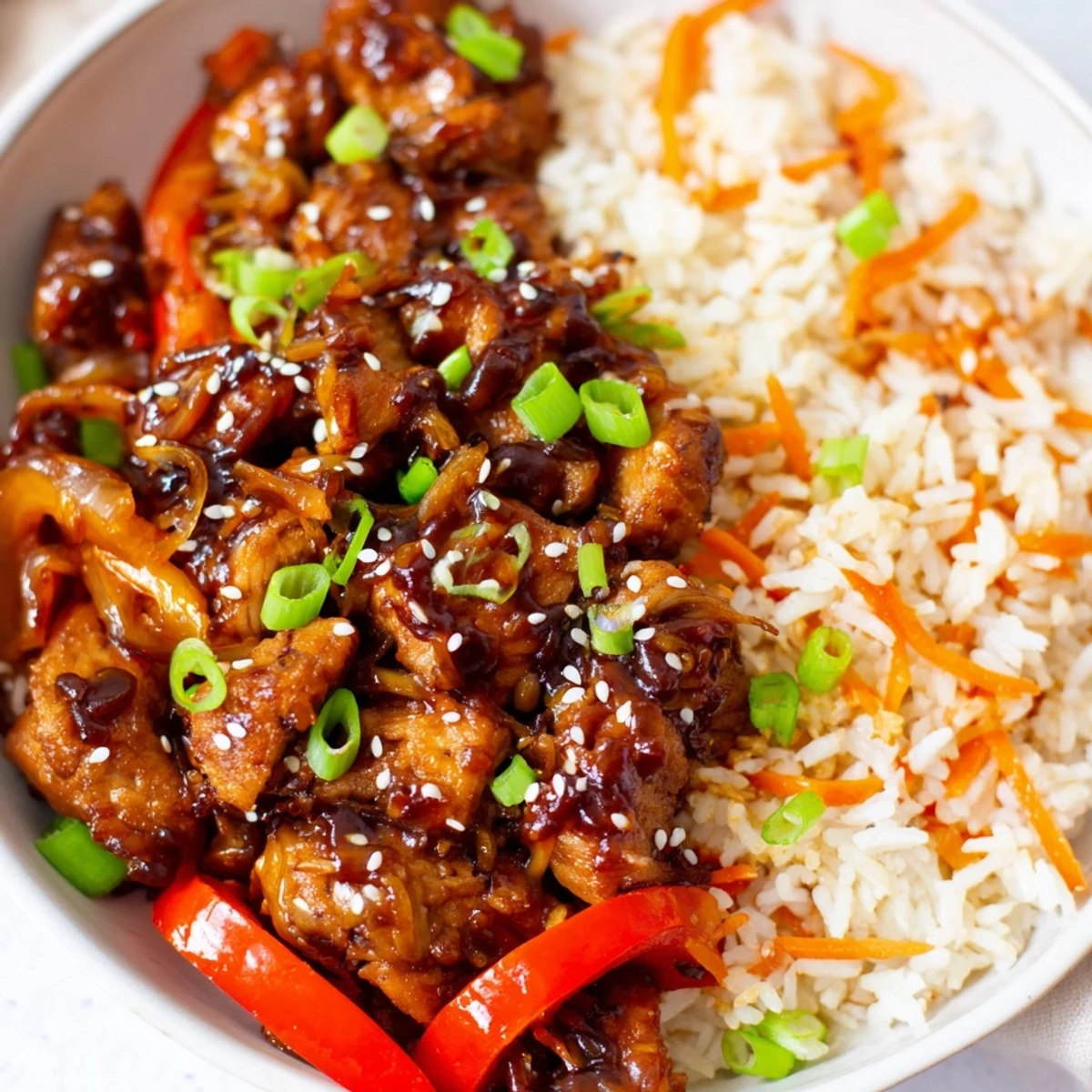
 There is something so satisfying about a complete meal that comes together in one pan but tastes like you spent hours over the stove. This is the kind of recipe that makes weeknight cooking feel like a small victory.
Recipe FAQs
- → What makes this Korean-style?
-
The combination of Korean BBQ sauce, soy sauce, sesame oil, garlic, and ginger creates the signature sweet-savory-umami profile of Korean cuisine. These ingredients form a traditional bulgogi-inspired marinade that flavors both the chicken and the rice as it cooks.
- → Can I use different rice?
-
Short-grain white rice or jasmine rice works best for this dish as they absorb the cooking liquid well. Brown rice can be used but will require additional liquid and longer cooking time—about 45 minutes instead of 20-25 minutes.
- → How spicy is this dish?
-
As written, this skillet has mild heat from the Korean BBQ sauce. For more spice, add gochujang paste to the marinade or serve with kimchi. You can easily adjust the heat level to your preference.
- → Can I make this gluten-free?
-
Yes! Substitute the soy sauce with tamari and verify that your Korean BBQ sauce is gluten-free. Many Asian markets carry gluten-free bulgogi sauce, or you can make your own with gluten-free ingredients.
- → Why let it rest covered?
-
Resting allows the rice to finish absorbing any remaining liquid and redistributes moisture evenly throughout the dish. This step ensures fluffy, separate grains rather than gummy or sticky rice.
- → What vegetables work best?
-
Onion, bell pepper, and carrots are traditional, but you can add or substitute with sugar snap peas, zucchini, baby corn, or bok choy. Choose vegetables that cook in roughly the same time as the rice.