
 Save to Pinterest
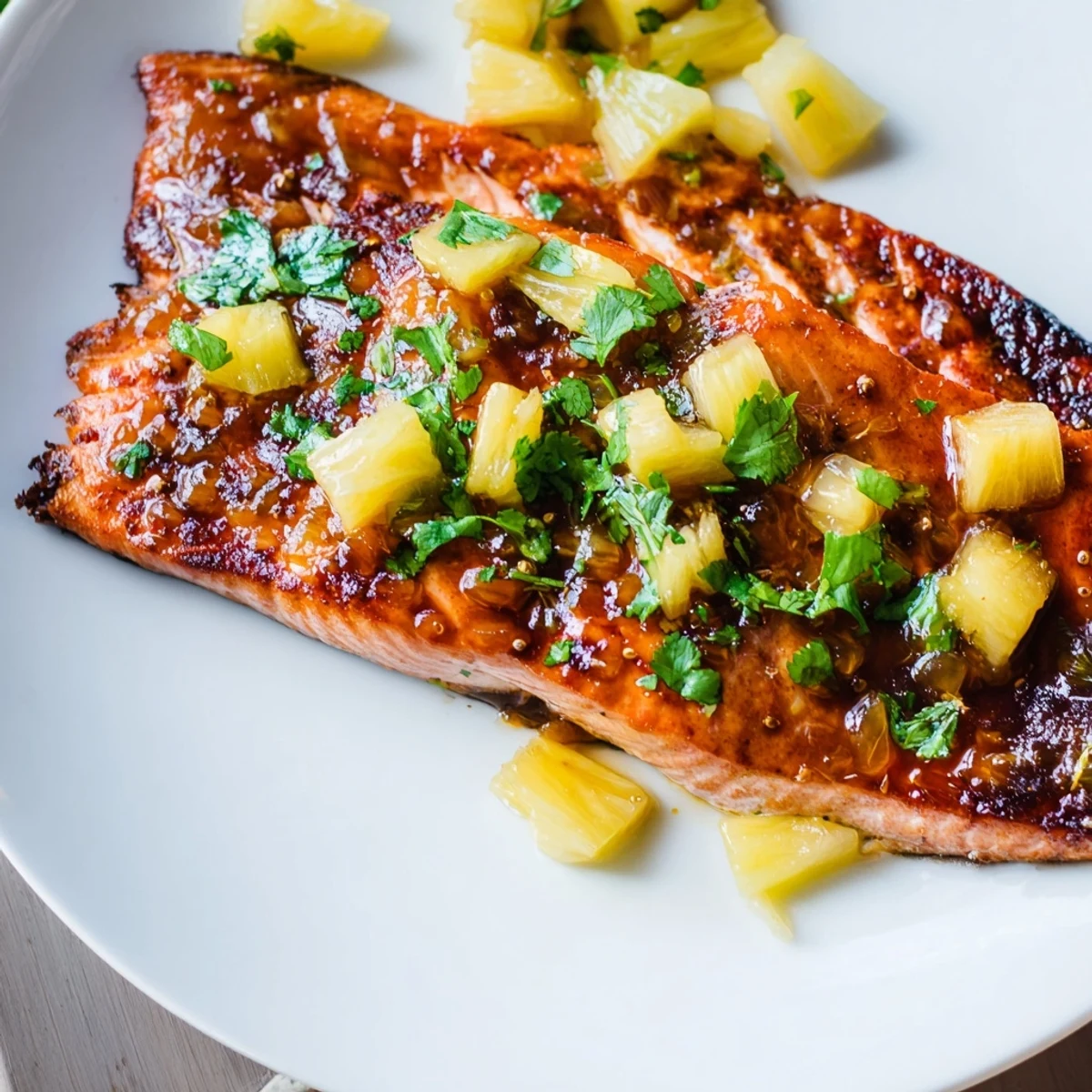
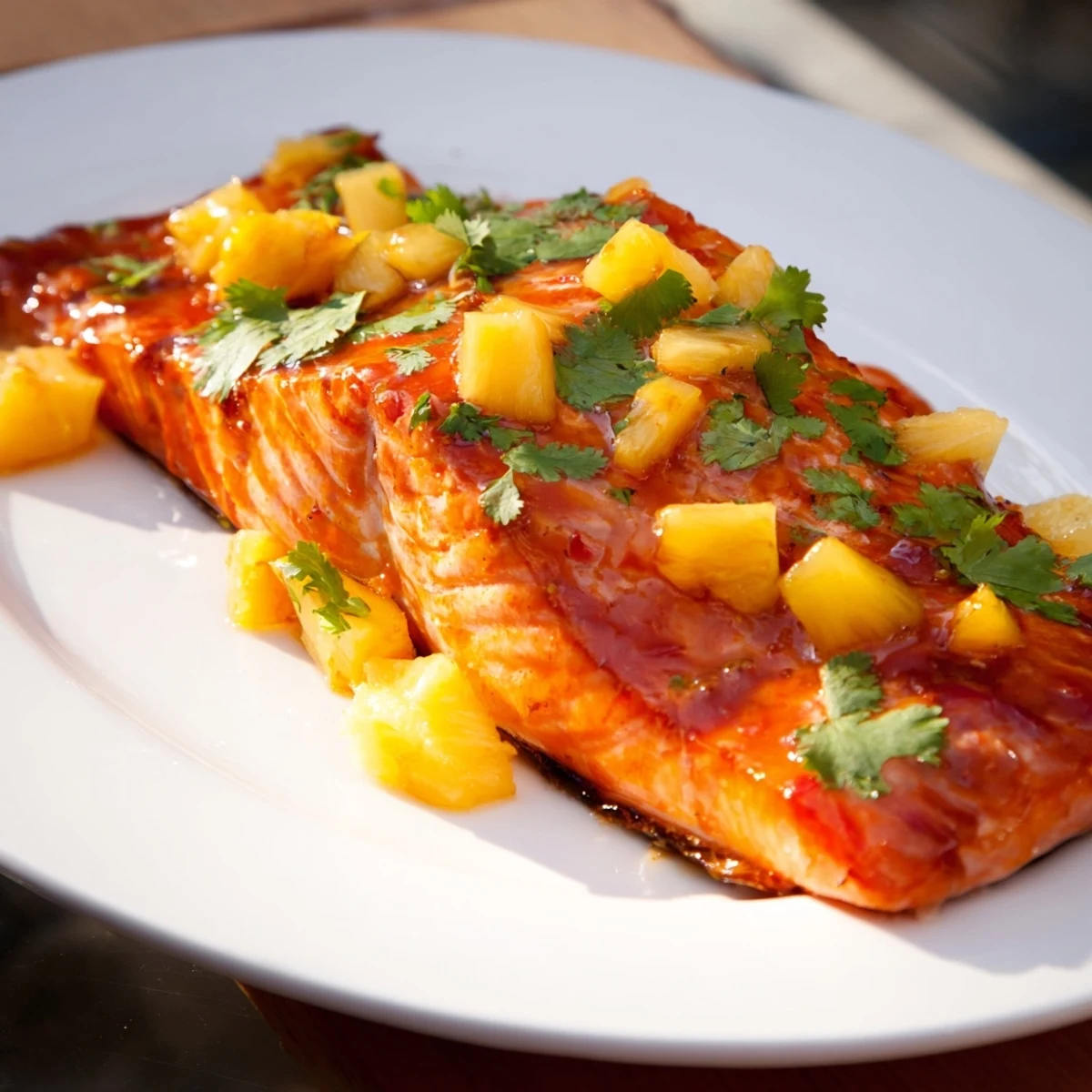
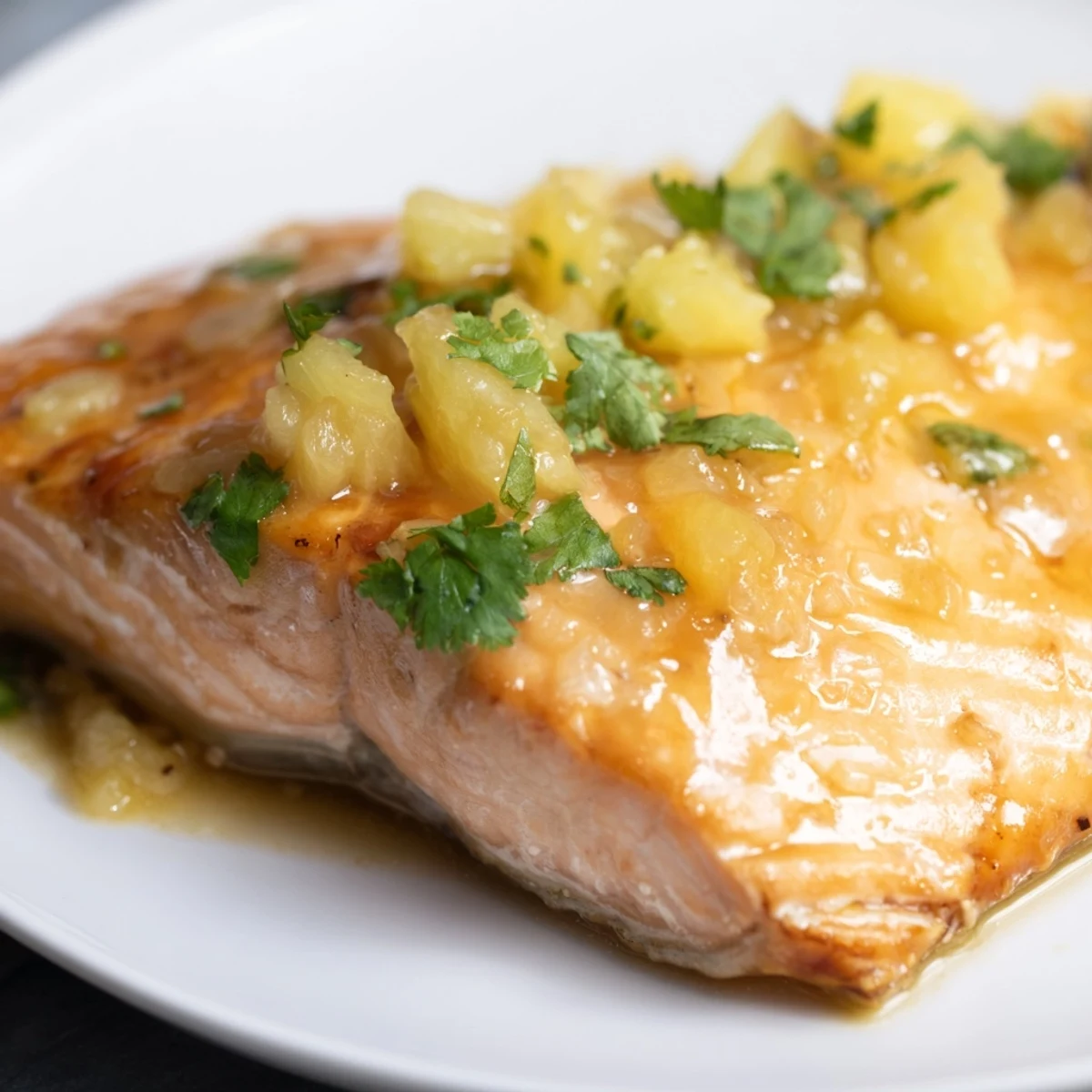
 Salmon fillets are brushed generously with a flavorful pineapple glaze made from juice, soy sauce, honey, vinegar, ginger, and garlic. After simmering to thicken, the glaze is applied before roasting the salmon to juicy perfection. This dish balances sweet and tangy notes with fresh herbs and diced pineapple garnishes, creating a tropical flavor profile that pairs beautifully with rice or steamed vegetables. Quick and simple, it’s ideal for an easy weeknight or elegant gathering.
The first time pineapple juice splattered across my stovetop, I was chasing a craving for something that felt like vacation without leaving my kitchen. I had grabbed the wrong lid for the saucepan, and the sticky spray caught the backsplash, the counter, even my cat who sat watching from a safe distance. That mess taught me more about patience than any cooking class ever could.
My neighbor knocked on my door during the third attempt, drawn by the smell of caramelizing sugar and ginger. She left with the recipe scribbled on a grocery receipt and a promise to bring me mangoes from her cousin's tree.
Ingredients
- Salmon fillets: Skin-on protects the flesh from drying out, though I have burned the skin enough times to respect its stubbornness.
- Pineapple juice: Unsweetened lets you control the final sweetness, and the good stuff smells like actual fruit not candy.
- Low-sodium soy sauce: Regular soy sauce will overwhelm the pineapple, a mistake I made once and tasted for hours.
- Honey or brown sugar: Honey gives a floral note, brown sugar brings molasses depth, choose based on your mood.
- Rice vinegar: The acidity cuts through the richness and keeps the glaze from cloying.
- Fresh ginger and garlic: Pre-minced jars exist but the difference in brightness is worth the extra sixty seconds.
- Cornstarch slurry: This is your insurance policy against runny glaze that slides off the fish.
- Cilantro or parsley: Optional but the green against the gold makes the plate feel finished.
Instructions
- Heat the oven and prepare your station:
- Set your oven to 400°F and line a baking sheet with parchment. The parchment catches the glaze that drips and caramelizes into the best sticky bits.
- Build your glaze:
- Combine pineapple juice, soy sauce, honey, vinegar, ginger, and garlic in a small saucepan. Bring to a simmer and watch the bubbles change from frantic to lazy.
- Thicken with intention:
- Stir in the cornstarch mixture and keep stirring for two to three minutes. The glaze will turn glossy and coat the back of your spoon.
- Glaze the salmon:
- Set aside two tablespoons of glaze for later, then brush the rest generously over the fillets. Do not be timid here.
- Roast until just done:
- Bake for twelve to fifteen minutes. The fish should flake but still look slightly translucent in the center. Overcooked salmon is a tragedy.
- Finish and serve:
- Brush with reserved glaze, scatter herbs and fresh pineapple if using, and get it to the table while it glistens.
 Save to Pinterest
 This dish became my default for apologies and celebrations alike. I made it the night I told my sister I was moving across the country, and she asked for the recipe through tears that were not entirely about the salmon.
What to Serve Alongside
Jasmine rice soaks up the extra glaze beautifully, and I have been known to scrape the parchment paper with a spoon when no one is watching. A simple cucumber salad with rice vinegar and sesame provides crunch and contrast.
Reading Your Salmon
The center should still have a faint line of darker pink when you pull it from the oven. Carryover cooking will finish the job while you garnish. If you wait for it to look fully opaque in the oven, you have already lost.
Making It Your Own
Chili flakes wake everything up, and I add them when I need to feel something. Maple syrup works in place of honey for a deeper, more autumnal profile. The glaze also plays well with chicken thighs or firm tofu if salmon feels too precious for a Tuesday.
- Double the glaze recipe and keep half for stir-fry later in the week.
- A microplane makes quick work of the ginger and saves your knuckles.
- The reserved glaze is not optional, it is the difference between good and memorable.
 Save to Pinterest
 Some recipes become part of your vocabulary, and this one lives in my muscle memory now. I hope it finds a place in yours.
Recipe FAQs
- → What type of salmon works best for this dish?
-
Both skin-on and skinless salmon fillets can be used; skin-on helps retain moisture and adds texture when oven-roasted.
- → Can I prepare the pineapple glaze in advance?
-
Yes, the glaze can be made ahead and refrigerated for up to 2 days. Reheat gently before applying to the salmon.
- → How can I adjust the sweetness of the glaze?
-
Modify the amount of honey or brown sugar according to taste, or substitute maple syrup for a different sweetness profile.
- → What side dishes complement this salmon preparation?
-
Jasmine rice, quinoa, or sautéed greens pair wonderfully, enhancing the tropical and savory flavors of the dish.
- → Is there a way to add a spicy kick to the glaze?
-
Yes, adding a pinch of chili flakes to the glaze during simmering introduces a pleasant heat that complements the sweet and tangy elements.