
 Save to Pinterest
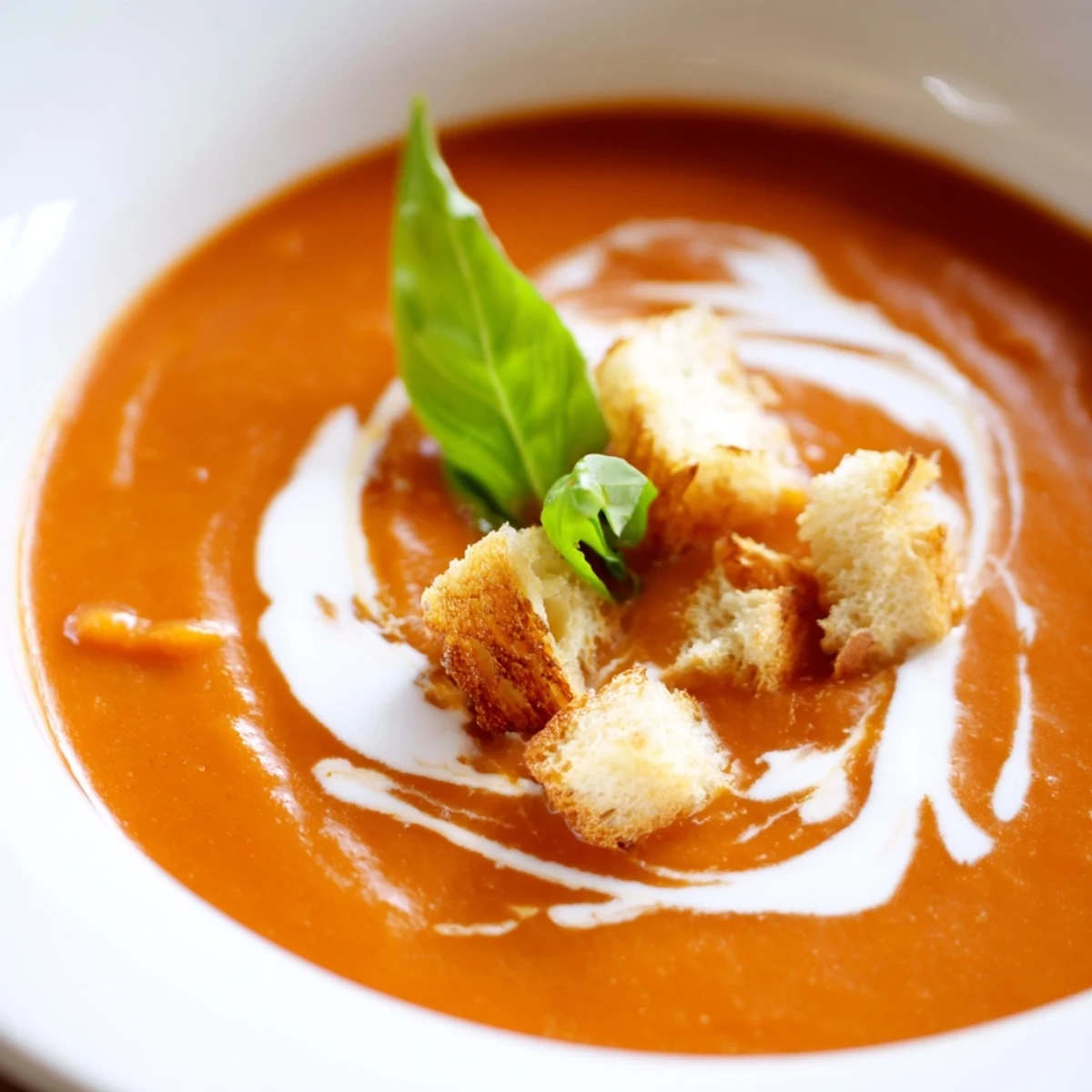
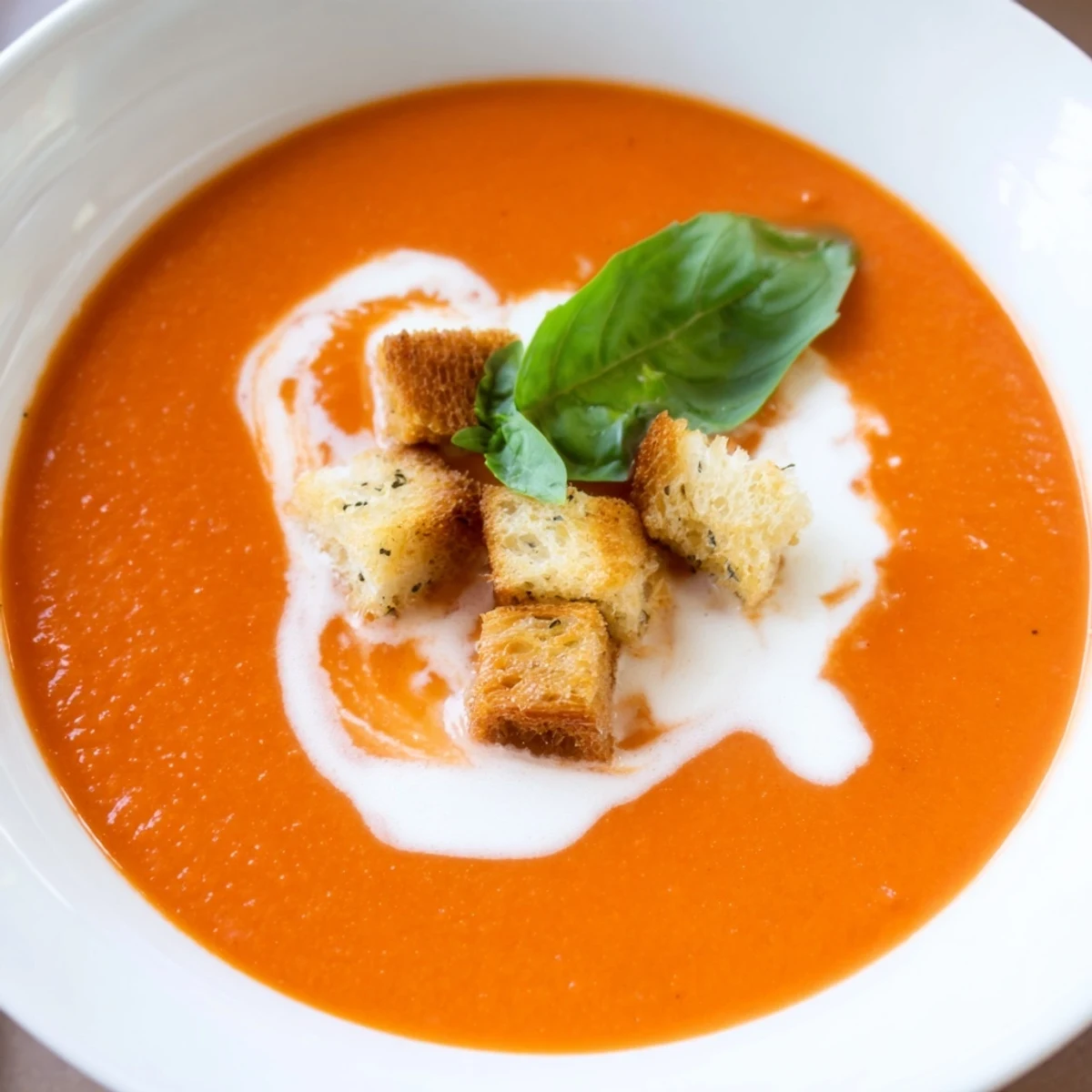
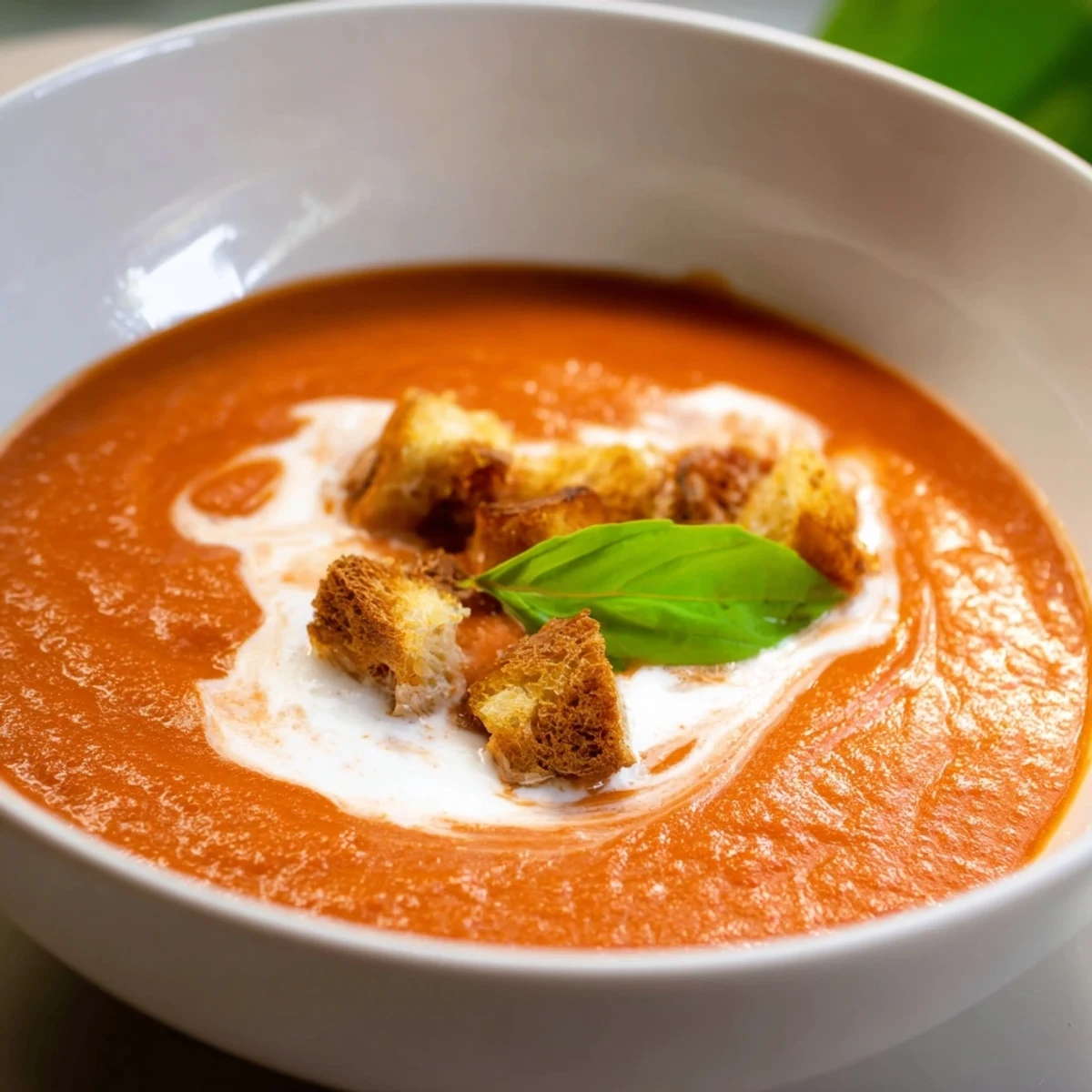
 This dish highlights the deep flavors of slow-roasted garlic and juicy ripe tomatoes, brought together with fresh basil for a fragrant and smooth texture. Onions are sautéed to add sweetness before combining with the roasted ingredients and vegetable broth. A gentle blend and optional cream enrich the consistency, while golden, crisp croutons provide a satisfying crunch as a topping. Lightly seasoned and ideal for a cozy meal, this Mediterranean-style preparation suits vegetarian preferences and can adapt to vegan needs by substituting coconut milk.
The first time I understood the magic of slow-roasted garlic was on a gray autumn afternoon when my neighbor dropped off a head of garlic she'd been experimenting with. I roasted it alongside some tomatoes out of curiosity, and the kitchen filled with this honeyed, almost buttery aroma that made everything else smell ordinary by comparison. That's when I realized garlic wasn't supposed to be sharp or assertive—it could be sweet, creamy, almost caramelized. This soup became my love letter to that discovery.
I made this for my partner on a night when neither of us had energy to think about dinner. He took one spoonful and asked what restaurant I'd ordered from. That moment—when a simple soup became proof that you care—is why I make it again and again.
Ingredients
- Ripe tomatoes (8, about 1.5 lbs): They're the backbone here, so choose ones that smell like summer even in winter—the ones that give slightly when you press them. Roasting concentrates their sweetness and softens their acidity.
- Garlic head (1 large): Buy it fresh from a market if you can; those papery layers protect cloves that will turn golden and almost creamy when roasted slowly. You'll squeeze them out like butter.
- Onion (1 large, chopped): This isn't glamorous, but it builds the foundation that makes people ask for the recipe. The slower you sauté it, the sweeter it becomes.
- Olive oil (2 tbsp for soup, 2 tbsp for croutons): Don't use your expensive bottle for roasting—save it for drizzling at the end where people can actually taste it.
- Vegetable broth (3 cups): Use the kind that tastes like it was made from actual vegetables, not a sodium bomb. This is your liquid backbone.
- Fresh basil leaves (1/2 cup, loosely packed): Add it at the very end so it stays bright green and alive-tasting. If you add it too early, it turns gray and sad.
- Sugar (1 tsp, optional): Only if your tomatoes are being stubborn and sour. One teaspoon changes everything; two is too much.
- Salt and pepper: Taste as you go because shop-bought broth is already salted, and you can always add more.
- Heavy cream or coconut milk (1/2 cup, optional): This makes it luxurious, but honestly, the roasted garlic does most of that work. Use it only if you want the soup to feel like velvet.
- Day-old bread (2 cups, cut into cubes): Stale bread soaks up oil better and crisps faster. Day-old is perfect; day-old bread that's been sitting in your freezer works too.
- Dried Italian herbs (1/2 tsp, optional): For the croutons—optional because honestly, just salt and oil is enough.
Instructions
- Set up the roast:
- Preheat your oven to 400°F while you slice the top quarter off the garlic head and set it cut-side up on a baking sheet. Drizzle that exposed garlic with a teaspoon of olive oil, wrap the whole thing loosely in foil, and surround it with your quartered tomatoes. This matters: drizzle the tomatoes with a tablespoon of olive oil and scatter salt and pepper over them.
- Let everything turn golden:
- Roast for 35 to 40 minutes—you're waiting for the tomato skins to split and wrinkle and the garlic to smell so good you can barely stand it. The garlic cloves should be soft enough to squeeze out of their skins.
- Start building flavor:
- While the oven works, heat a tablespoon of olive oil in a large pot over medium heat and sauté your chopped onion for five to seven minutes until it's softened and just starting to turn translucent. This is the quiet part where nothing looks impressive but everything tastes better.
- Make the croutons while you have space:
- Toss your bread cubes with olive oil, dried herbs if you're using them, and salt. Spread them on a second baking sheet and bake for ten to twelve minutes, stirring once halfway through, until they're golden and make a sound like actual croutons when you bite them. Set them aside to cool.
- Bring everything together:
- When the roasted garlic is cool enough to handle, squeeze the cloves out of their papery skins—they slide out like butter. Add them to your pot along with the roasted tomatoes and all their caramelized juices, then pour in your vegetable broth. Let this simmer gently for about ten minutes.
- Add the basil and adjust sweetness:
- Tear in your fresh basil leaves and add a teaspoon of sugar only if you need to soften the tomato acidity. Remove from heat and let it cool for a minute—this protects the basil's color.
- Blend until smooth:
- Use an immersion blender to puree the soup right in the pot, or carefully transfer it in batches to a regular blender if you prefer. If you want it silky instead of just smooth, strain it through a fine mesh sieve afterward—it takes five minutes and changes the texture completely.
- Add cream if you want it:
- Stir in cream or coconut milk if you're using it, and taste everything once more. You're the only one who knows what your broth tasted like, so season with additional salt and pepper until it tastes the way it should.
- Finish and serve:
- Ladle into bowls, scatter the crispy croutons on top, and tear a few basil leaves over everything. A drizzle of really good olive oil on top makes it look intentional.
 Save to Pinterest
 Someone once told me that the best soups taste like someone cared, and I think that's this one. There's nothing complicated happening, just thoughtful timing and the patience to let garlic become something it wasn't before.
Why Roasting Changes Everything
Roasting tomatoes and garlic doesn't just cook them—it transforms them. The high heat caramelizes their natural sugars, deepening flavors that might taste sharp or one-note raw. Garlic goes from pungent to almost nutty, and tomatoes become concentrated and honeyed instead of watery. This is why thirty-five minutes in the oven matters more than an hour simmering on the stove.
The Texture Question
Some people love a silky, almost velvety soup you can drink from a mug. Others want to feel the texture of something they chewed. If you strain the soup through a fine mesh sieve after blending, you get the velvet version—it's an extra step but worth it on days when you want something that feels luxurious. Without straining, it's still smooth and satisfying, just with a touch more body.
Variations That Actually Work
This soup is patient with your additions and changes. A pinch of red pepper flakes wakes it up if it feels sleepy. A dash of balsamic vinegar adds a woody depth that doesn't announce itself. Some people add a handful of spinach just before blending, turning it a sunset color and sneaking in something green. If you want it vegan, coconut milk swaps in for cream and honestly tastes better in my opinion—it has a sweetness that complements the roasted garlic without dairy's richness.
- A small splash of white wine before adding the broth adds brightness.
- Toasted pine nuts scattered on top instead of (or alongside) croutons bring a buttery crunch.
- A dollop of pesto on each bowl makes it feel like a restaurant version of itself.
 Save to Pinterest
 Make this soup when you want to feel like you've done something special without actually having to do anything complicated. It's the kind of meal that makes people grateful they came over.
Recipe FAQs
- → How do I get the best flavor from the garlic?
-
Slow roasting garlic until golden caramelizes its natural sugars, softening its bite and bringing out a rich, sweet taste that enhances the soup's depth.
- → Can I make the croutons ahead of time?
-
Yes, prepare the croutons in advance and store them in an airtight container to keep them crisp until serving.
- → What can I use instead of heavy cream?
-
Full-fat coconut milk is a great alternative that adds creaminess without dairy, perfect for vegan or dairy-free options.
- → Should I peel the tomatoes before cooking?
-
Peeling is optional; roasting softens the skin, and blending results in a smooth texture regardless of peeling.
- → How can I adjust the soup's acidity?
-
A teaspoon of sugar balances the tomatoes' natural acidity, creating a smoother, well-rounded flavor profile.
- → What herbs complement the flavor?
-
Fresh basil is key, but dried Italian herbs in the croutons add subtle aromatic notes enhancing the overall taste.