
 Save to Pinterest
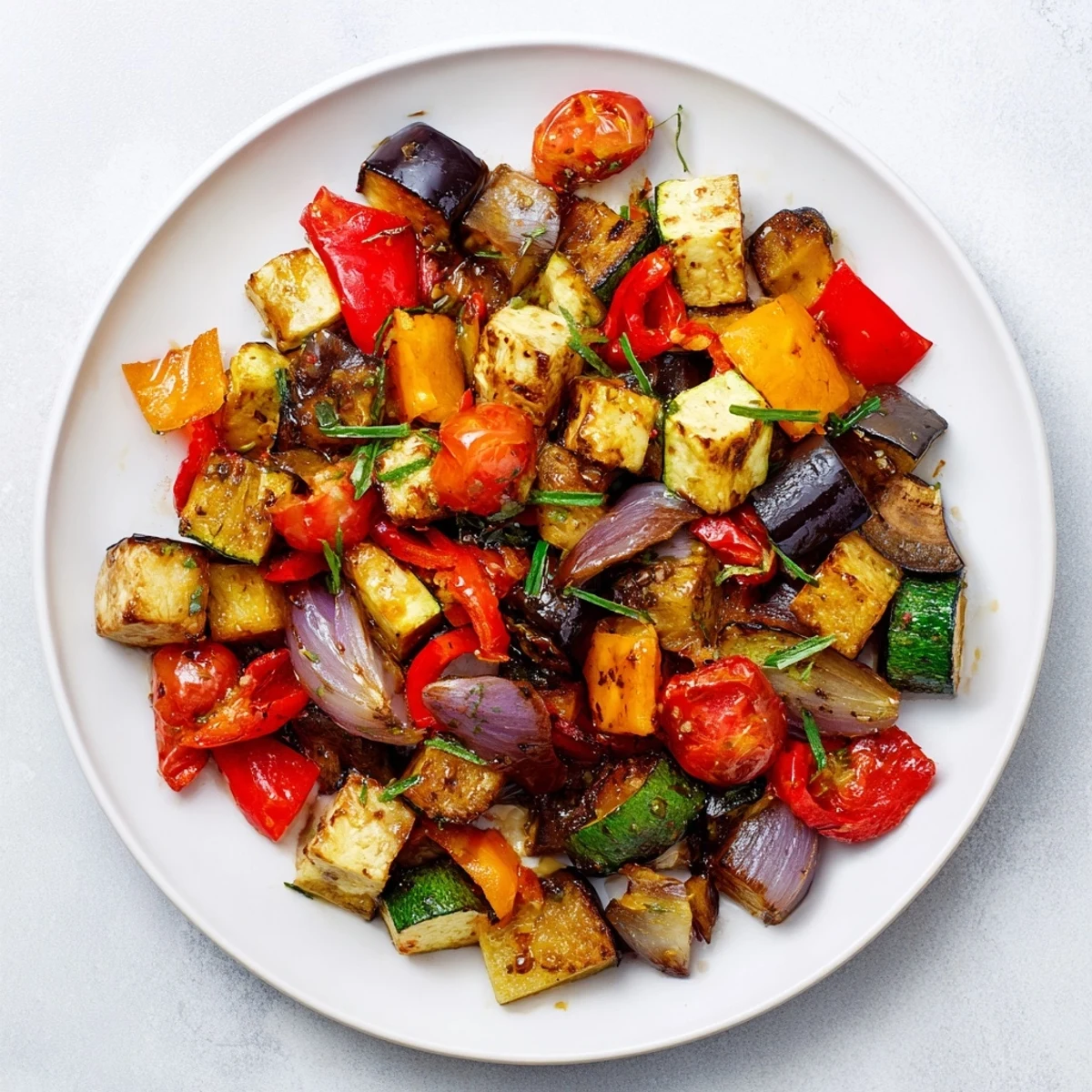
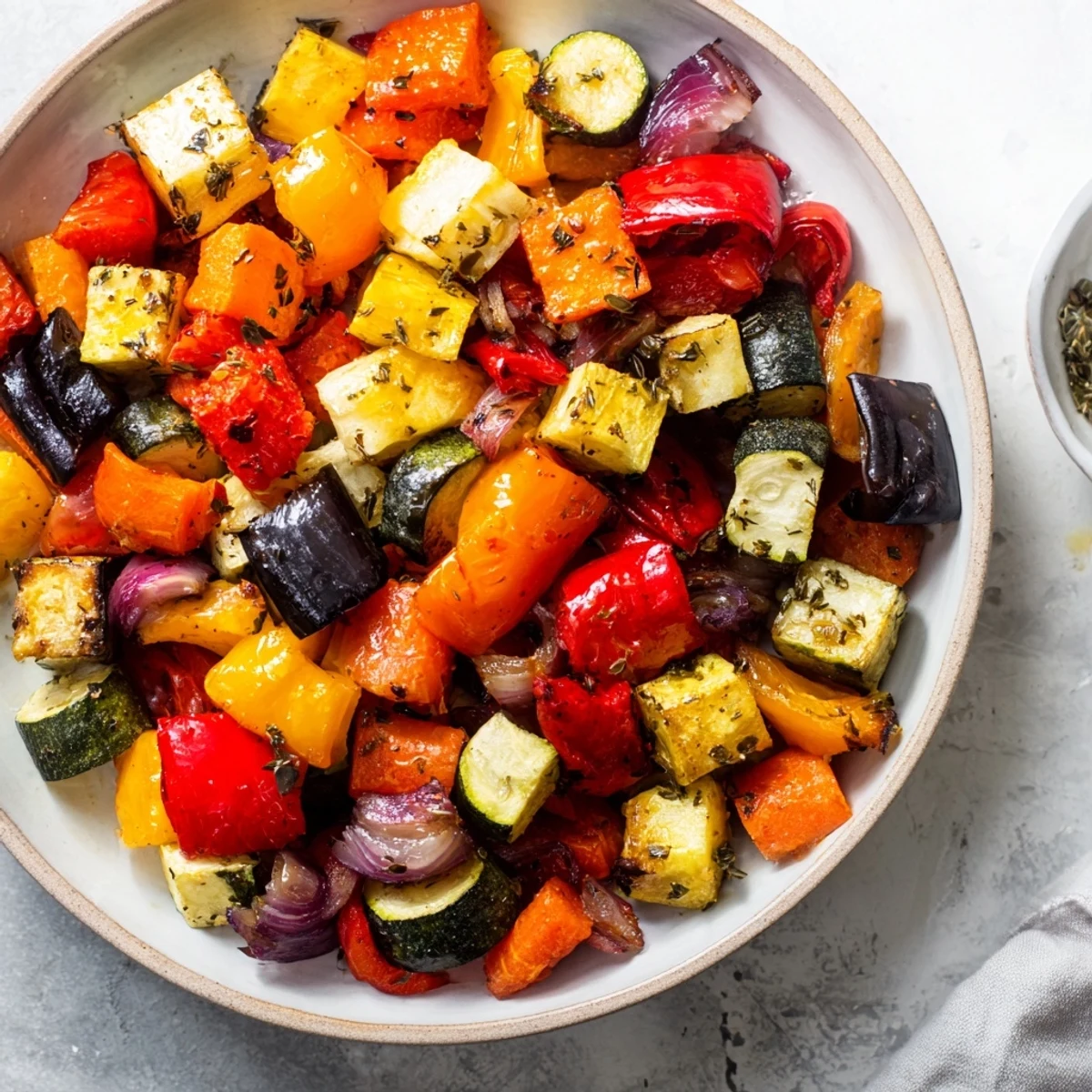
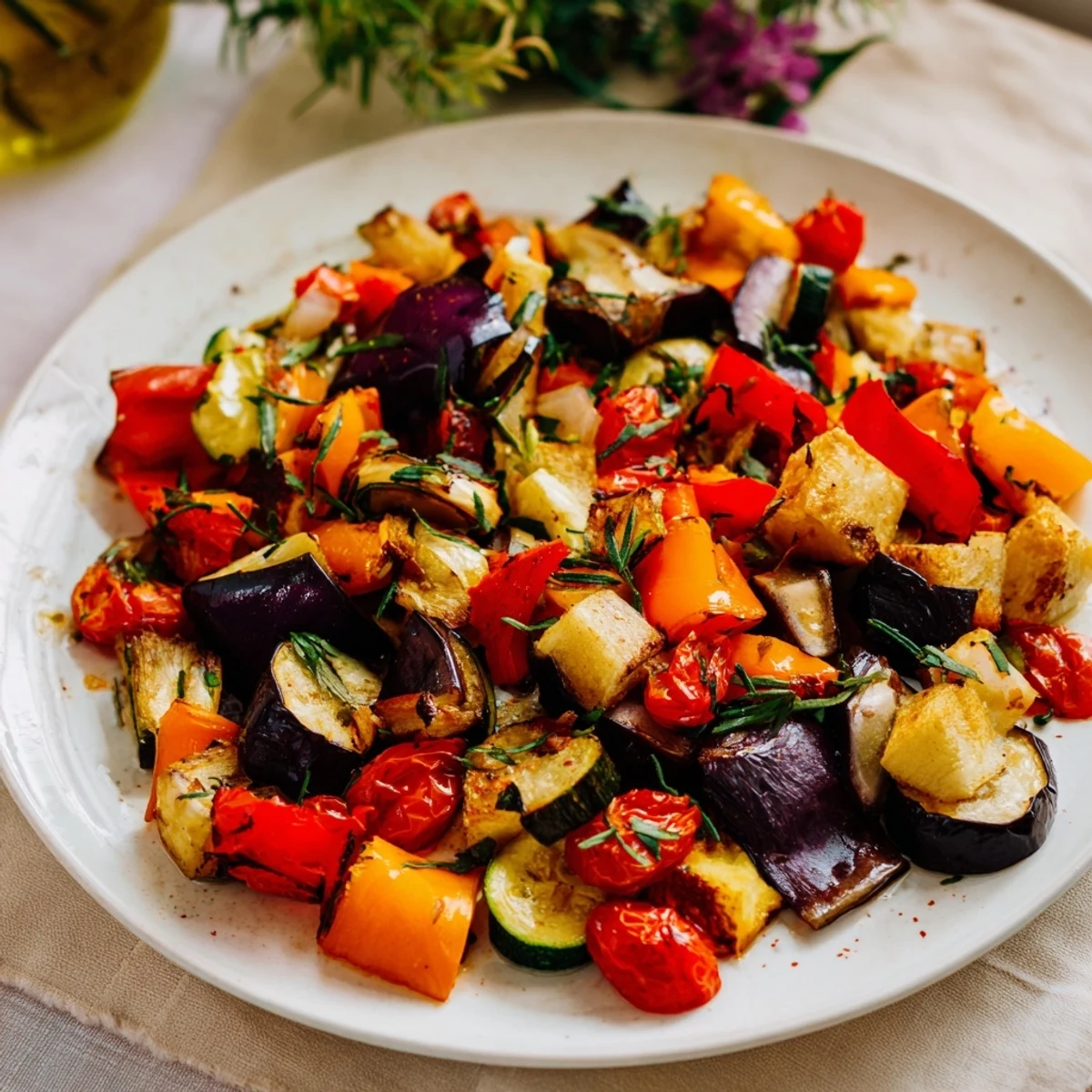
 This vibrant blend of seasonal vegetables is roasted to tender perfection, enhancing their natural sweetness and deep flavors. Tossed with olive oil, garlic, and dried Italian herbs, the vegetables caramelize beautifully in the oven, creating a savory, aromatic side or light option. Garnished with fresh parsley and a balsamic glaze drizzle, this dish highlights the essence of Mediterranean cooking and pairs well with grains or salads.
I still remember the first time I roasted vegetables instead of steaming them—my kitchen filled with this incredible caramelized aroma that made everything taste like summer. It was a Tuesday evening when a friend mentioned how roasting brings out the sweetness hiding in ordinary bell peppers and zucchini. That simple suggestion changed how I cook vegetables forever. Now, whenever I need something vibrant and nourishing on the table, this medley is my go-to answer.
I made this for a dinner party once when my garden was overflowing with summer produce, and I'll never forget how my neighbor went back for seconds, surprised that something so simple could taste so complete. She asked for the recipe right there at the table, and when I told her the only secret was patience and good olive oil, her face lit up. That's when I realized roasted vegetables aren't just food—they're an invitation to slow down and taste what nature actually tastes like.
Ingredients
- Red and yellow bell peppers: These are your sweetness—roasting concentrates their natural sugars and softens their raw edge. Cut them into roughly equal pieces so they cook at the same pace
- Zucchini: Slice them into thin rounds so they get tender and slightly crispy at the edges. This is where the texture magic happens
- Eggplant: Cut into cubes and don't worry if it seems to absorb a lot of oil at first—it'll release it back as it roasts, creating these tender, almost creamy bites
- Red onion: Those wedges will caramelize into something completely different from raw onion. Cut them thick enough to hold together during roasting
- Cherry tomatoes: Halve them so they concentrate their juices instead of drying out completely. They add pops of brightness throughout
- Carrots: Slice them thin enough to cook through in 35 minutes, but thick enough to maintain a little firmness if you prefer
- Extra-virgin olive oil: This is your base flavor—use something you actually like tasting on its own, because you will taste it here
- Kosher salt and freshly ground black pepper: Season generously but taste as you go. The vegetables will shrink slightly as they cook, so the seasoning becomes more concentrated
- Dried Italian herbs: This blend of thyme, oregano, and basil is traditional, but feel free to use whatever dried herbs you have. Rosemary works beautifully if that's what's in your cabinet
- Garlic: Mince it fine so it scatters throughout and roasts until it's golden and sweet, not harsh
Instructions
- Heat your oven and prepare:
- Set your oven to 425°F and let it come fully to temperature. Line your baking sheet with parchment paper—this prevents sticking and makes cleanup effortless. A hot oven is essential because it creates that beautiful caramelization on the vegetable edges.
- Combine and toss:
- In a large bowl, gather all your chopped vegetables. Pour the olive oil over them, then scatter the salt, pepper, dried herbs, and minced garlic across the top. Using your hands or a wooden spoon, toss everything until each piece is lightly coated. This step might feel generous with the oil, but trust it—the vegetables will drink it up and transform it into flavor.
- Arrange in a single layer:
- Spread everything out on your baking sheet in one layer. Don't overcrowd—if pieces overlap, they'll steam instead of roast. If you need more space, use two baking sheets. This is where patience pays off.
- Roast and stir:
- Slide into the oven for 30 to 35 minutes. About halfway through, stir the vegetables so they brown evenly. You're listening for a gentle sizzle and watching for the edges to turn deep golden and slightly darkened. That's caramelization, and it's where the magic happens.
- Finish and serve:
- Remove from the oven when the vegetables are tender when pierced with a fork and the edges have turned a beautiful amber. Transfer to a serving platter. If you like, scatter fresh parsley over the top for color and a fresh note, and drizzle with balsamic glaze for a little sweet-tart punch. Serve hot, warm, or even chilled—this dish is forgiving and delicious at any temperature.
 Save to Pinterest
 Years ago, a cooking teacher told me that the sound of vegetables roasting—that gentle, steady sizzle—is how you know they're happy. I laughed at the time, but now I find myself listening for it, and somehow the food always turns out better when I pay attention. There's something grounding about standing in front of a hot oven, watching vegetables transform from raw and ordinary into something warm and caramelized.
Seasonal Variations That Keep Things Interesting
The beauty of this recipe is that it adapts to whatever your farmer's market or garden is offering. In spring, try adding asparagus spears and toss in some fresh lemon zest at the end. Summer is the time for mushrooms, snap peas, and even halved peaches if you're feeling adventurous. Fall calls for sweet potato cubes and Brussels sprouts halved lengthwise. Winter welcomes butternut squash chunks and Brussels sprouts. Every season tastes completely different, yet the method stays exactly the same. I keep this recipe in my head as a formula rather than a fixed list, and it never gets boring.
Ways to Serve and Enjoy Leftovers
Roasted vegetables are one of those dishes that often taste better the next day, after the flavors have had time to meld. I pile them over quinoa or couscous for a complete grain bowl, toss them into salads for warmth and substance, or even fold them into pasta with a little of the pan's oil and some fresh basil. Some mornings, I've reheated them and tucked them into a wrap with hummus and fresh greens. Cold vegetables straight from the refrigerator become a different kind of snack entirely—more like a salad that's been kissed by heat. There's really no wrong way to enjoy them once they're roasted.
The Small Details That Transform This Dish
Temperature and timing are your two best friends here. A 425°F oven is hot enough to create real caramelization without burning the garlic, and 35 minutes respects the vegetables' texture while coaxing out their sweetness. Some home cooks swear by stirring at the 15-minute mark and again at 30, giving everything three chances to brown beautifully. The balsamic glaze at the end isn't strictly necessary, but it adds a sophisticated note that makes people think you spent hours on this. When someone asks what your secret is, you'll know it's just attention and time.
- If you add fresh Parmesan cheese, do it right after the vegetables come out of the oven while everything is still hot—the cheese will melt slightly and distribute throughout
- Keep leftover roasted vegetables in an airtight container in the refrigerator for up to four days
- This recipe doubles easily if you're feeding a crowd—just use two baking sheets and extend the roasting time by a few minutes if needed
 Save to Pinterest
 This recipe has taught me that sometimes the most nourishing meals are the simplest ones—just good vegetables, good oil, salt, and heat. It's the kind of dish that brings people together without any fuss, and that's exactly why it keeps coming back to my table.
Recipe FAQs
- → What vegetables work best for roasting in this medley?
-
Bell peppers, zucchini, eggplant, red onion, cherry tomatoes, and carrots all roast evenly and develop rich flavors.
- → How can I achieve a caramelized texture on the vegetables?
-
Roasting at 425°F and stirring halfway helps vegetables caramelize at the edges while remaining tender inside.
- → Can I customize the herbs used for seasoning?
-
Yes, a mix of thyme, oregano, and basil is traditional, but feel free to use your favorite dried herbs for flavor variation.
- → Is this dish suitable for special diets?
-
It is naturally vegetarian, vegan, gluten-free, and dairy-free unless you add optional Parmesan before serving.
- → What are ideal serving suggestions for this vegetable medley?
-
Serve warm or room temperature, alongside grains like quinoa or couscous, or as a topping on salads for added flavor.