
 Save to Pinterest
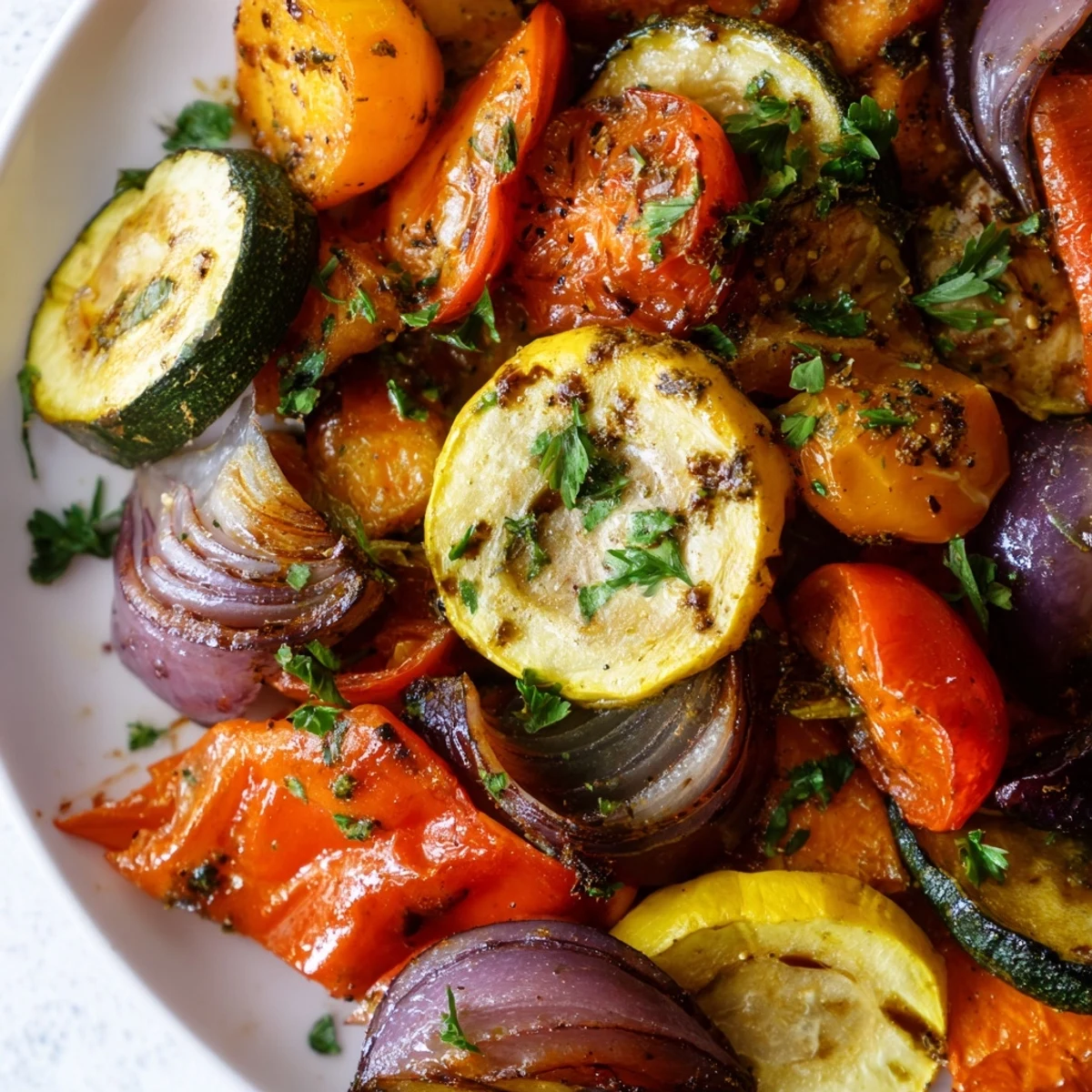
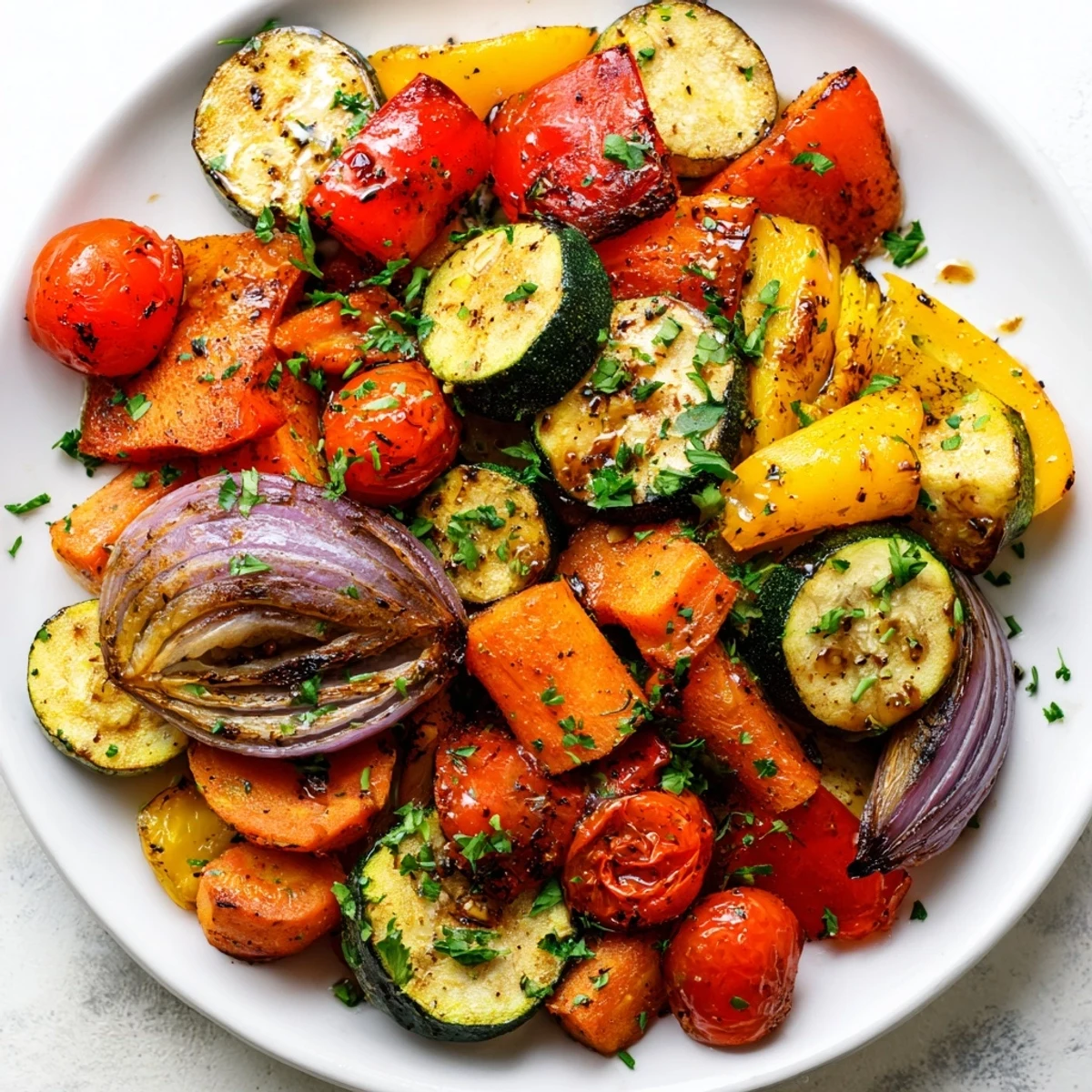
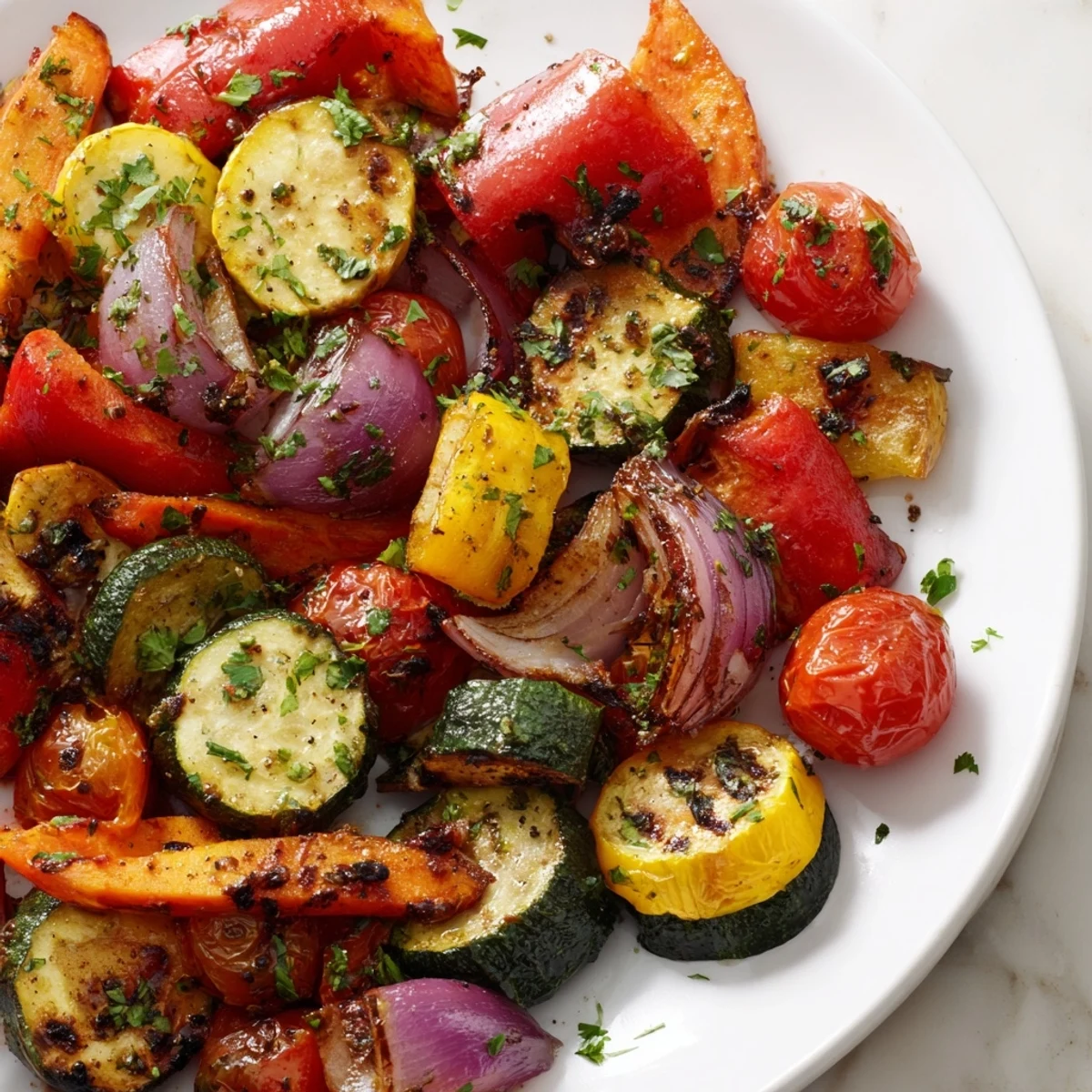
 This vibrant mix features a colorful assortment of red bell pepper, zucchini, yellow squash, red onion, cherry tomatoes, and carrot, seasoned with olive oil, sea salt, black pepper, Italian herbs, and garlic. Roasted at 425°F until tender and caramelized, the vegetables develop natural sweetness and depth. Finished optionally with balsamic vinegar and fresh herbs, this dish offers a flavorful, easy-to-prepare option perfect for pairing with grains or enjoying as a side. Adaptable with seasonal veggies to suit your taste.
One afternoon, my kitchen filled with the smell of charring vegetables and I realized I'd been overthinking dinner. I grabbed whatever looked fresh from the market—peppers still warm from the sun, zucchini with their delicate skin—tossed them in oil, and let the oven do the magic. That simple roasted pan became the dish I make when I want everything to taste like itself, just better. Now it's the first thing I reach for when someone asks what's easy but still feels special.
I made this for a friend who'd just moved into her first apartment with barely a functioning kitchen. She was nervous about cooking for guests, so I brought the ingredients over and we roasted them together while catching up. Thirty minutes later, her whole place smelled incredible and she had a dish that looked far more impressive than the effort it took. She's been making it ever since, which felt like the highest compliment.
Ingredients
- Red bell pepper: Cut into generous 1-inch pieces so they stay intact while roasting and develop those caramelized edges.
- Zucchini: Slice into half-inch rounds to balance quick cooking with enough substance to caramelize.
- Yellow squash: Cut the same size as your zucchini so everything finishes at the same time.
- Red onion: Cut into wedges that hold together, not thin slices that'll turn to ash.
- Cherry tomatoes: Halve them so they don't split apart from the heat.
- Carrot: Slice thin enough to cook through in 30 minutes but thick enough to stay tender, not mushy.
- Olive oil: Good quality matters here since it's one of the few things doing the seasoning work—use something you'd actually drizzle on bread.
- Sea salt and black pepper: Coarse salt sticks to the vegetables better than fine, and freshly ground pepper makes a real difference.
- Dried Italian herbs: A simple blend or your own mix of oregano, thyme, and basil brings the Mediterranean flavor without being heavy.
- Garlic: Mince it fine so it distributes evenly and doesn't burn into bitter bits.
- Fresh basil or parsley: Optional but they brighten everything at the end with color and a fresh note.
- Balsamic vinegar: A small splash after roasting adds a subtle tang that makes people wonder what your secret is.
Instructions
- Get your oven ready:
- Preheat to 425°F and line your baking sheet with parchment paper so nothing sticks and cleanup is painless. The heat needs to be high enough to actually caramelize the vegetables, not just soften them.
- Prepare the vegetables:
- Cut everything into pieces that are roughly the same size—this is the detail that matters most for even cooking. Don't worry about perfection; vegetables don't care if your pieces are rustic.
- Season generously:
- In a large bowl, toss the vegetables with olive oil, salt, pepper, herbs, and garlic until everything glistens and is coated evenly. This is where the flavor happens, so don't be shy.
- Spread and roast:
- Arrange the vegetables in a single layer on your baking sheet—they should be crowded but not piled on top of each other. Roast for 25–30 minutes, stirring halfway through, until the edges are lightly browned and crispy and the vegetables are tender when you pierce them with a fork.
- Finish with flourish:
- If you're using balsamic vinegar or fresh herbs, add them right after the pan comes out of the oven when everything is still hot and will absorb the flavors.
 Save to Pinterest
 The turning point came when I stopped thinking of this as just a side dish. Someone served it over a bed of quinoa with a dollop of yogurt, and suddenly it was dinner—complete, satisfying, and completely different from how I'd been eating it. That shift made me realize how flexible vegetables really are once they're roasted well.
Building Flavor
The real magic happens in that interval between 425°F and time. As the water in the vegetables evaporates, their natural sugars concentrate and caramelize against the hot pan, creating flavors that taste almost sweet. The herbs and garlic mellow into the background rather than shouting, especially if they're dried instead of fresh—they become part of the whole rather than a separate accent. It's why this works with just oil and salt if you're in a pinch, though the herbs really do take it somewhere better.
Adapting With the Seasons
Summer calls for zucchini and cherry tomatoes because they're at their peak sweetness. In fall, I add cubed sweet potato and mushrooms, which take on a deeper caramelization. Winter feels right with root vegetables like parsnips and Brussels sprouts halved to show their flat sides to the heat. Spring arrives and I lighten it with fresh asparagus added for just the last ten minutes so it doesn't lose its snap. The basic technique stays the same while the personality shifts with what the market has to offer.
Storage and Making It Last
Roasted vegetables keep beautifully for three to four days in the refrigerator in a covered container, which makes them perfect for planning ahead. You can eat them cold straight from the container like a salad, or warm them gently in a low oven so they soften again without losing their texture. I've even crumbled cold roasted vegetables into a grain bowl at lunch and wondered why I don't do that every day.
- Warm them gently before serving to bring back some of their roasted character.
- Toss cold leftovers into pasta, grain bowls, or a wrap for lunch.
- Add them to soups or grain dishes where they'll be eaten cold or heated through.
 Save to Pinterest
 This is the kind of dish that proves you don't need complicated techniques or long ingredient lists to make something genuinely delicious. It's become my quiet answer to the question of what's for dinner.
Recipe FAQs
- → What vegetables are included in the mix?
-
The mix contains red bell pepper, zucchini, yellow squash, red onion, cherry tomatoes, and carrot, all cut into appropriate sizes for even roasting.
- → How is the vegetable mix seasoned before roasting?
-
The vegetables are tossed in olive oil, sea salt, freshly ground black pepper, dried Italian herbs, and minced garlic to enhance flavor and aroma.
- → What is the recommended roasting temperature and time?
-
Roast at 425°F (220°C) for 25–30 minutes, stirring once halfway through to ensure even cooking and caramelization.
- → Can I substitute other vegetables in the mix?
-
Yes, seasonal vegetables like eggplant, sweet potato, or mushrooms can be used as alternatives to suit preferences and availability.
- → Are there any serving suggestions for the roasted vegetables?
-
Serve warm as a side dish alongside grilled meats or fish, or place over grains like quinoa or couscous for a light main option.
- → How can I add extra flavor after roasting?
-
Drizzle with balsamic vinegar and sprinkle with fresh parsley or basil, or add a squeeze of lemon juice for brightness before serving.