
 Save to Pinterest
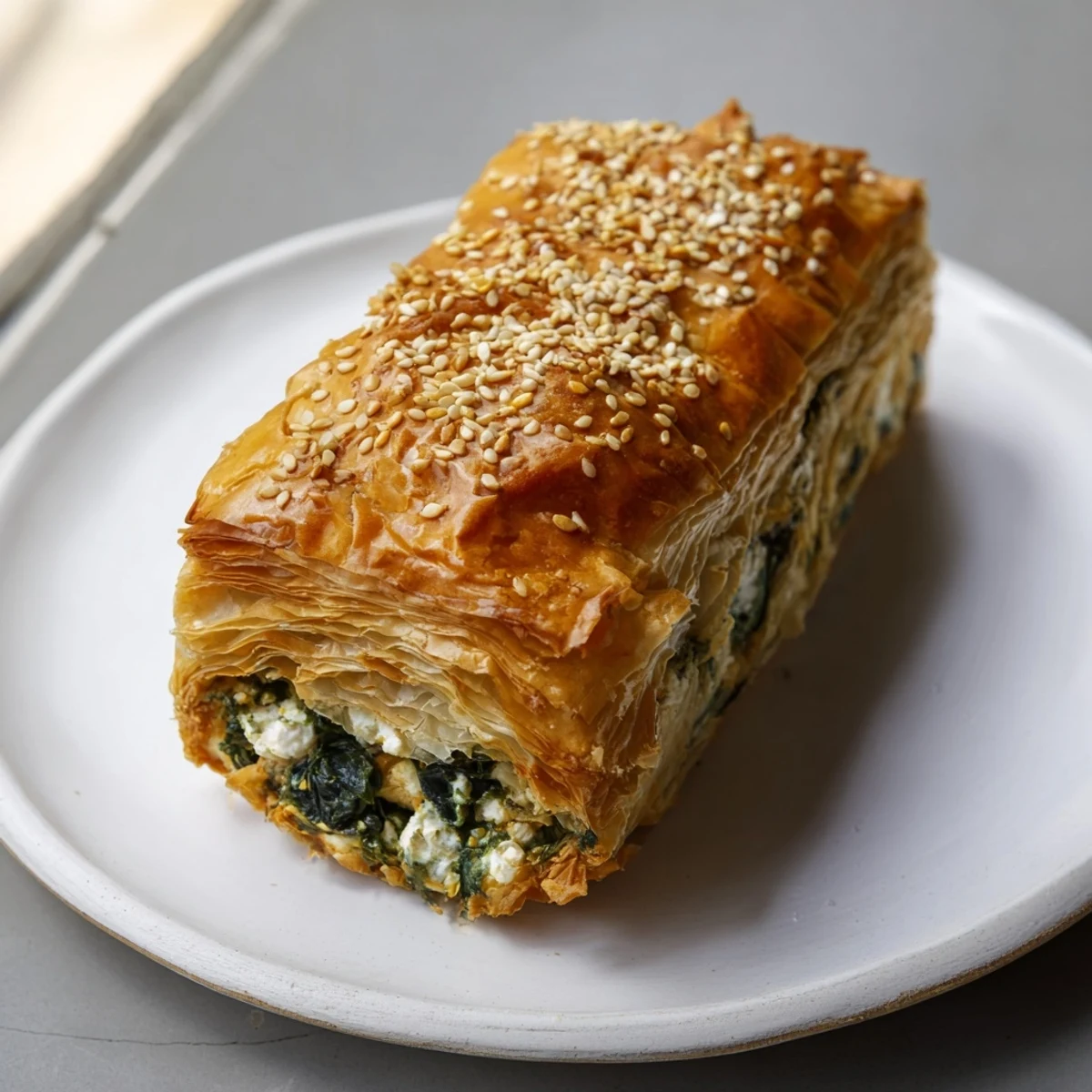
 This dish features a golden, flaky pastry enveloping a vibrant mixture of sautéed spinach and a blend of creamy cheeses including ricotta, feta, and Parmesan. Aromatic herbs and a touch of nutmeg enhance the filling, creating a balanced taste perfect for any meal. Brushed with an egg wash and sprinkled with seeds, the baked strudel offers a crisp, inviting texture. Serve warm, sliced thick, and enjoy with a simple salad or herbed yogurt sauce for a fulfilling experience.
I first discovered this spinach and cheese strudel during a visit to Vienna, where I watched a baker's hands move with practiced grace, rolling out paper-thin sheets of pastry. The flaky golden exterior gave way to a creamy, herbaceous filling that felt like autumn itself on a plate. Years later, when I recreated it in my own kitchen, that same magic happened—and now it's become my go-to when I want something that feels both elegant and deeply comforting.
I remember making this for unexpected guests on a Wednesday evening—I had spinach wilting in my crisper drawer and some cheese that needed using. My daughter watched from the kitchen counter as I rolled out that pastry, skeptical but hopeful. When we pulled it from the oven and the aroma filled every corner of our home, even the skeptics became believers. That moment when everyone went quiet after the first bite told me everything I needed to know.
Ingredients
- Puff pastry (1 sheet, about 250 g): I always keep a box in my freezer because it transforms into something magical with just a little planning. Thaw it completely before rolling, or it'll crack and frustrate you mid-fold.
- Fresh spinach leaves (300 g, washed and chopped): This is where you notice the difference. Fresh spinach gives you that bright, clean flavor that frozen can't quite match. Wash it well and spin it dry so you're not fighting excess moisture in your filling.
- Onion (1 small, finely diced): The humble onion becomes sweet and mellow as it sautés. Don't rush this part—those few minutes of patient cooking transform everything.
- Garlic (2 cloves, minced): Two cloves is exactly right. You want to know the garlic is there, not have it overpower the delicate cheeses.
- Olive oil (2 tbsp): Good quality matters here since you'll taste it in every bite. I reach for something I'd drizzle on bread.
- Ricotta cheese (150 g): This is the creamy backbone of your filling. It's mild and luxurious without being heavy.
- Feta cheese (100 g, crumbled): The feta brings tang and character. Don't skip it—it's what makes people say 'what is that flavor?' in the best way.
- Parmesan cheese (50 g, grated): A little goes a long way. This adds that umami depth that makes you reach for another slice.
- Large egg (1): This binds everything together and gives the filling a slight lift when it bakes.
- Ground nutmeg (¼ tsp): Just a whisper, barely there but essential. It's one of those ingredients that you won't consciously taste but will notice if it's missing.
- Salt and freshly ground black pepper: Taste as you go. You want seasoning that makes each bite sing without tasting salty.
- Egg yolk mixed with milk or cream (for brushing): This creates that gorgeous golden-brown finish that catches the light. A pastry brush is your friend here.
- Sesame or poppy seeds (1 tbsp, optional): These add a gentle nuttiness and visual appeal. I use them more for decoration than flavor, but either way works beautifully.
Instructions
- Get Your Oven Ready:
- Preheat to 200°C (400°F) and line your baking sheet with parchment paper. This step matters because you want even, consistent heat around your strudel, and parchment keeps the bottom from sticking while it crisps.
- Build the Flavor Base:
- Heat olive oil in a large skillet over medium heat. When it's shimmering slightly, add your diced onion and let it cook until it turns translucent and soft, about 3 minutes. You'll notice the aroma shift—that's the sweetness developing. Then add your minced garlic and cook for just 1 minute more. Don't let it brown; you want it to release its fragrance into the oil, not turn bitter.
- Wilt That Spinach:
- Add your chopped spinach to the skillet and stir constantly as it releases its moisture. This takes about 4 to 5 minutes. Keep going until you see the liquid completely evaporate—this is crucial because excess moisture will make your pastry soggy instead of gloriously crispy. You're not just cooking spinach; you're concentrating its flavor. Let it cool slightly in the pan before you touch it.
- Create the Cheese Mixture:
- In a large bowl, combine your ricotta, crumbled feta, grated Parmesan, one whole egg, the nutmeg, salt, and pepper. Stir until smooth and well combined. The cheeses will blend into something creamy and cohesive. Now fold in your cooled spinach mixture gently but thoroughly. You want every bite to have the perfect balance of cheese and spinach.
- Prepare Your Canvas:
- On a lightly floured surface, roll out your thawed puff pastry into a rectangle roughly 30 by 40 centimeters (12 by 16 inches). Work gently—puff pastry wants to cooperate if you don't fight it. If it springs back, let it rest for a minute and try again.
- The Part Where Magic Happens:
- Spread your spinach and cheese filling evenly along one long side of the pastry, leaving a 3-centimeter (1-inch) border all around. This border is what seals everything in and keeps the filling from escaping during baking. Don't overstuff—that's the mistake that separates good strudels from great ones.
- Roll It Up:
- Carefully roll the pastry around the filling, starting from the filled side and rolling toward the empty edge. Work slowly, making sure the filling stays distributed. When you reach the end, press to seal the seam. Fold the ends in and press them closed too. Transfer it seam-side down onto your prepared baking sheet. The parchment paper is your insurance policy here.
- The Golden Finish:
- Mix your egg yolk with milk or cream and brush it generously over the entire strudel. If you're using sesame or poppy seeds, sprinkle them on now—they'll catch during baking and turn gorgeously toasted.
- Let It Bake:
- Bake for 30 to 35 minutes until the pastry is golden brown and crisp. You'll know it's done when the color is deep golden and the pastry sounds hollow if you tap it. Let it rest on the baking sheet for 5 minutes—this lets the structure set so it doesn't fall apart when you slice it.
- Serve with Pride:
- Slice into thick pieces and serve warm. The warmth brings out every flavor, and the contrast between the crispy pastry and creamy filling is at its peak right now.
 Save to Pinterest
 This dish became my secret weapon for those moments when I needed to feed people something that felt special without stress. The first time my mother-in-law asked for the recipe, that's when I knew I'd created something worth keeping. Now whenever someone bites through that golden crust, I see the same surprised delight on their face that I felt in that Vienna kitchen all those years ago.
Keeping It Fresh
Strudel is at its absolute best served warm on the day you make it, when that pastry is still crisp and the filling is creamy. But life happens, and leftovers happen too. I've learned that storing it in an airtight container works fine, and reheating in a 160°C (320°F) oven for about 10 minutes restores most of that crispness. The microwave is tempting but resist—it'll turn your golden pastry into something chewy and defeated. If you know you won't eat it all, consider slicing and freezing individual pieces before any storage. They reheat beautifully and satisfy those midnight cravings for something with serious flavor.
When You're Missing Something
One of my favorite discoveries is that this recipe is remarkably flexible. Don't have feta? Cottage cheese works beautifully in place of ricotta if that's what you have. Missing fresh spinach? Frozen spinach (thawed and squeezed absolutely dry) gets you 90% of the way there. I've even added sautéed mushrooms or sun-dried tomatoes on nights when I wanted to stretch the filling a different direction. The core magic—crispy pastry with creamy, savory filling—stays intact no matter what you adjust.
Serving Ideas That Clicked
This strudel doesn't need much. I usually serve it with a simple green salad dressed in lemon vinaigrette to cut through the richness, or a dollop of herbed yogurt sauce for dipping. It also works beautifully as part of a larger spread—I've made it for brunch alongside fresh fruit and good bread, and I've served it as the centerpiece of a light dinner. It's equally at home on a weeknight table as it is at a dinner party. My one non-negotiable is always serving it warm and never straight from the fridge. Temperature matters more than you'd expect with strudel.
- Pair with a crisp white wine if you're feeling fancy—a Sauvignon Blanc or Riesling complements the herbs and cheese beautifully
- Make the filling a day ahead and keep it covered in the fridge. Just assemble and bake when you're ready for dinner
- Double the recipe and freeze one strudel unbaked. Bake from frozen, just add a few extra minutes to the cooking time
 Save to Pinterest
 This strudel taught me that sometimes the most impressive dishes come from the simplest combination of good ingredients treated with care. Make this when you want to feel connected to your kitchen and proud of what you've created.
Recipe FAQs
- → Can I substitute the cheeses used in the filling?
-
Yes, ricotta can be swapped for cottage cheese, and you may adjust feta or Parmesan to suit your taste preferences.
- → What is the best way to prepare the spinach for the filling?
-
Wilt the spinach in olive oil with onions and garlic, then allow it to cool before mixing with the cheeses to prevent excess moisture.
- → How do I achieve a crisp, golden crust?
-
Brush the strudel with a mixture of egg yolk and milk or cream before baking and optionally sprinkle with sesame or poppy seeds.
- → Can this dish be served as a main course or appetizer?
-
Absolutely, its hearty filling and savory crust make it versatile for either a main dish or a substantial starter.
- → Are there recommended additions to enhance the flavor?
-
Sautéed mushrooms or sun-dried tomatoes can be added to the filling for extra depth and richness.