
 Save to Pinterest
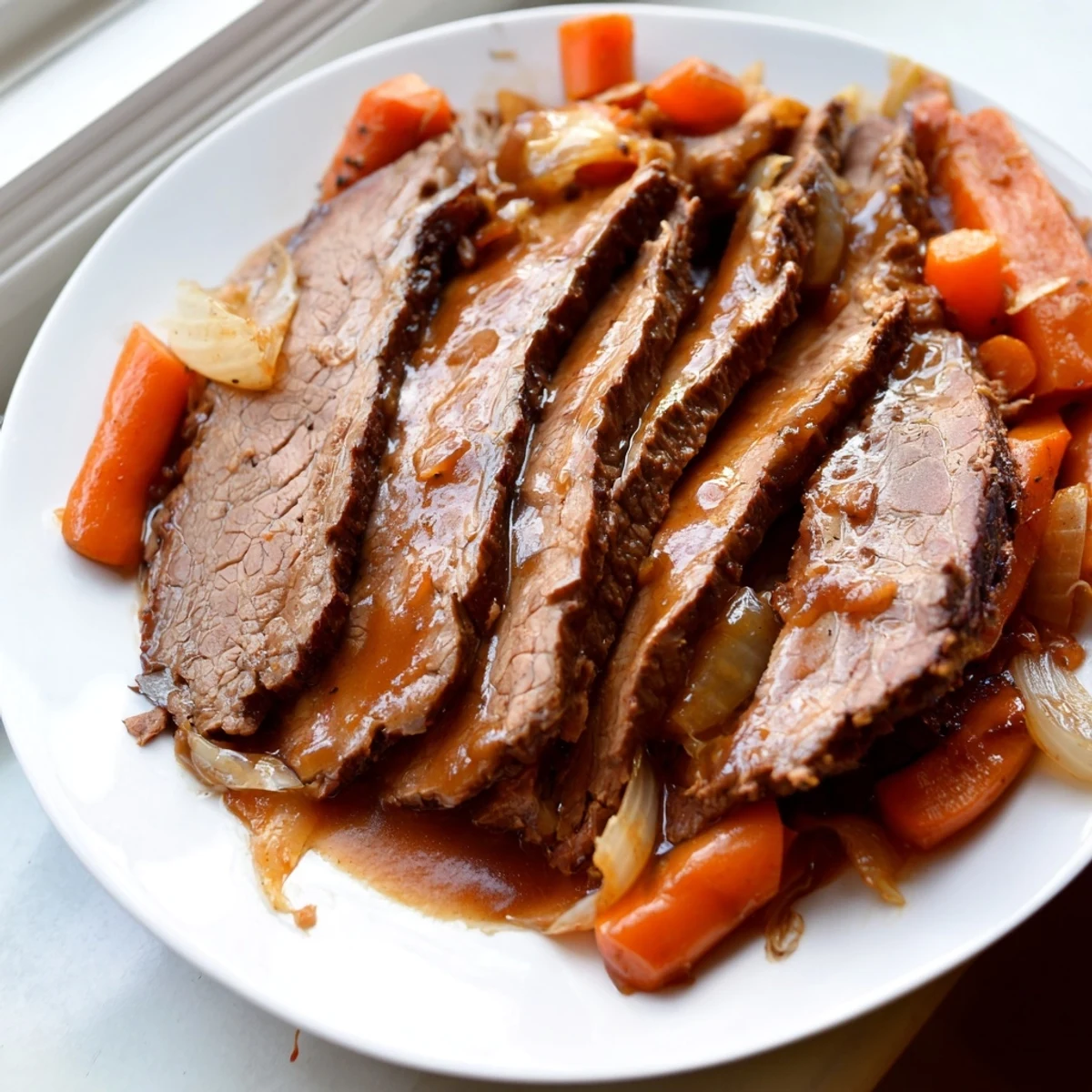
 This foolproof method delivers fork-tender brisket with minimal effort. The meat sears first for deep flavor, then slow-cooks alongside onions, carrots, and celery in a tangy, smoky sauce. After 8 hours, you'll have succulent slices perfect for pairing with mashed potatoes or piling onto sandwiches.
The first time I made brisket, I completely forgot about it until midnight, when I wandered into the kitchen wondering what smelled incredible. That happy accident taught me that this cut of meat rewards patience above everything else. Now I plan those forgetful moments on purpose.
My dad used to make brisket for every special occasion, and I remember hovering around the oven door as a kid, watching the surface transform through the glass. He claimed his secret was love, but I've since discovered it's actually low heat and plenty of time. Though I suspect he was right about the love part too.
Ingredients
- 3 lbs beef brisket, trimmed: Look for good marbling throughout the flat cut for the most tender result without excessive fat
- 1 tsp kosher salt: Season generously but carefully since the sauce will also contribute saltiness
- 1/2 tsp black pepper: Freshly cracked pepper adds a subtle warmth that complements the smoky paprika
- 2 large onions, sliced: These will melt down into the sauce, creating a natural sweetness and body
- 4 cloves garlic, minced: Dont be shy with garlic it mellows beautifully during the long cooking time
- 3 carrots, cut into large pieces: Cut them substantial so they dont dissolve completely into the sauce
- 2 celery stalks, chopped: This adds a subtle aromatic base note that rounds out all the flavors
- 1 cup beef broth: Use a good quality broth or stock since it forms the backbone of your cooking liquid
- 1/2 cup ketchup: Provides both sweetness and tomato depth without overpowering the beef flavor
- 1/4 cup Worcestershire sauce: This umami bomb is what gives the sauce its deep savory complexity
- 2 tbsp brown sugar: Just enough to balance the acidity and help with caramelization
- 2 tbsp apple cider vinegar: Cuts through the richness and helps tenderize the meat as it cooks
- 2 tsp smoked paprika: Adds that subtle smoky flavor that usually requires hours of smoking
- 1 tsp dried thyme: Earthy and aromatic without competing with the other spices
Instructions
- Season and sear the meat:
- Pat the brisket dry with paper towels, then rub it all over with salt and pepper. Heat a large skillet over medium-high heat until it's ripping hot, then sear the brisket for 3-4 minutes per side until it develops a deep brown crust. This step creates flavor compounds that you cant get any other way.
- Build the base layer:
- Scatter the onions, garlic, carrots, and celery across the bottom of your slow cooker. This creates a natural roasting rack that keeps the brisket elevated and infuses the vegetables with all those delicious beef drippings.
- Whisk up the sauce:
- In a medium bowl, combine the beef broth, ketchup, Worcestershire sauce, brown sugar, apple cider vinegar, smoked paprika, and thyme. Whisk until the brown sugar completely dissolves and everything is well incorporated.
- Bring it all together:
- Nestle the seared brisket on top of the bed of vegetables. Pour the sauce mixture over everything, making sure some of it gets under the meat so the underside basks in all that flavor.
- Let time work its magic:
- Cover the slow cooker and cook on LOW for 8 hours. The brisket is done when it offers zero resistance to a fork and you can easily pull it apart with two fingers.
- Rest and carve:
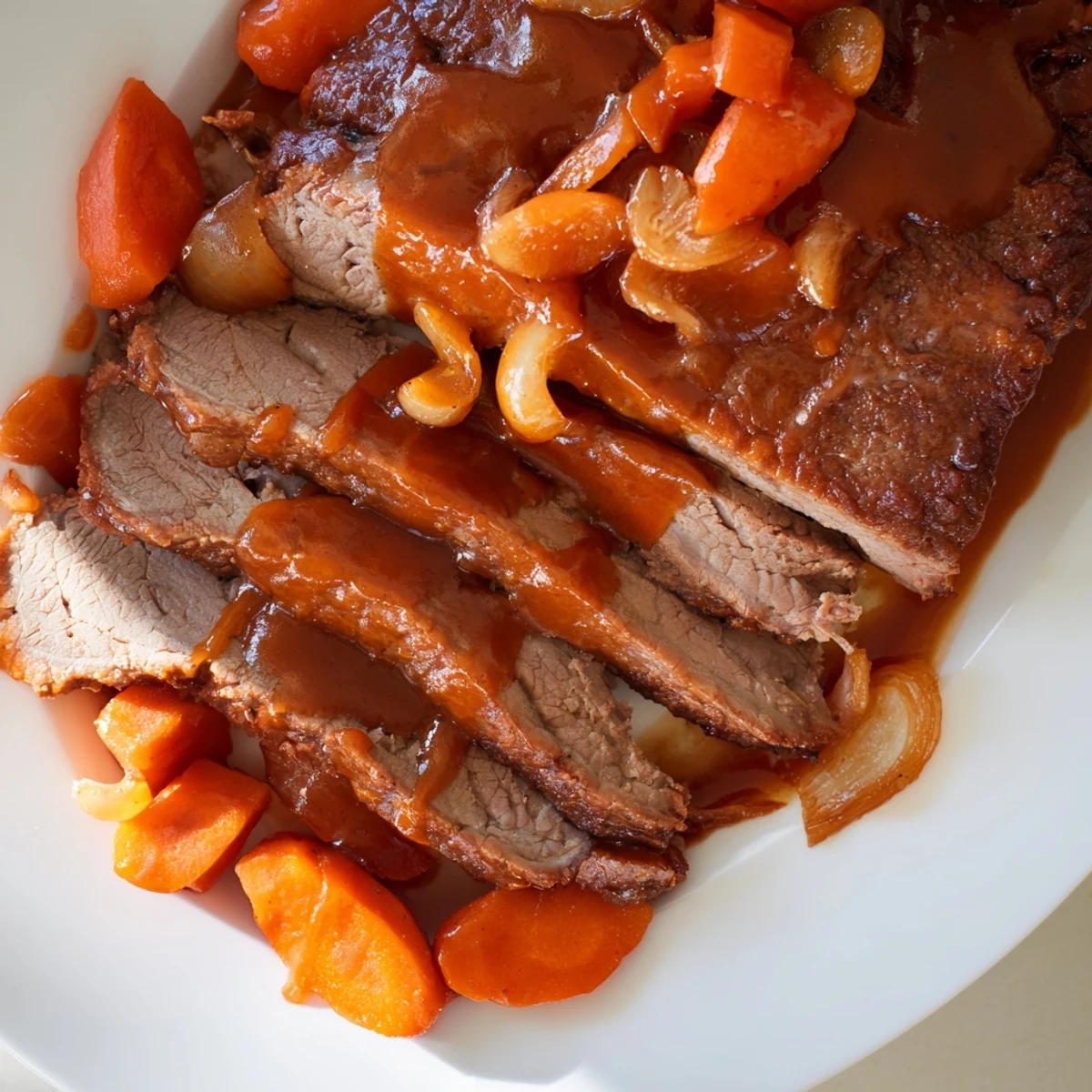
- Carefully transfer the brisket to a cutting board and let it rest for 10 minutes. This crucial step lets the juices redistribute so they dont run out the moment you slice. Slice against the grain for maximum tenderness.
- Finish and serve:
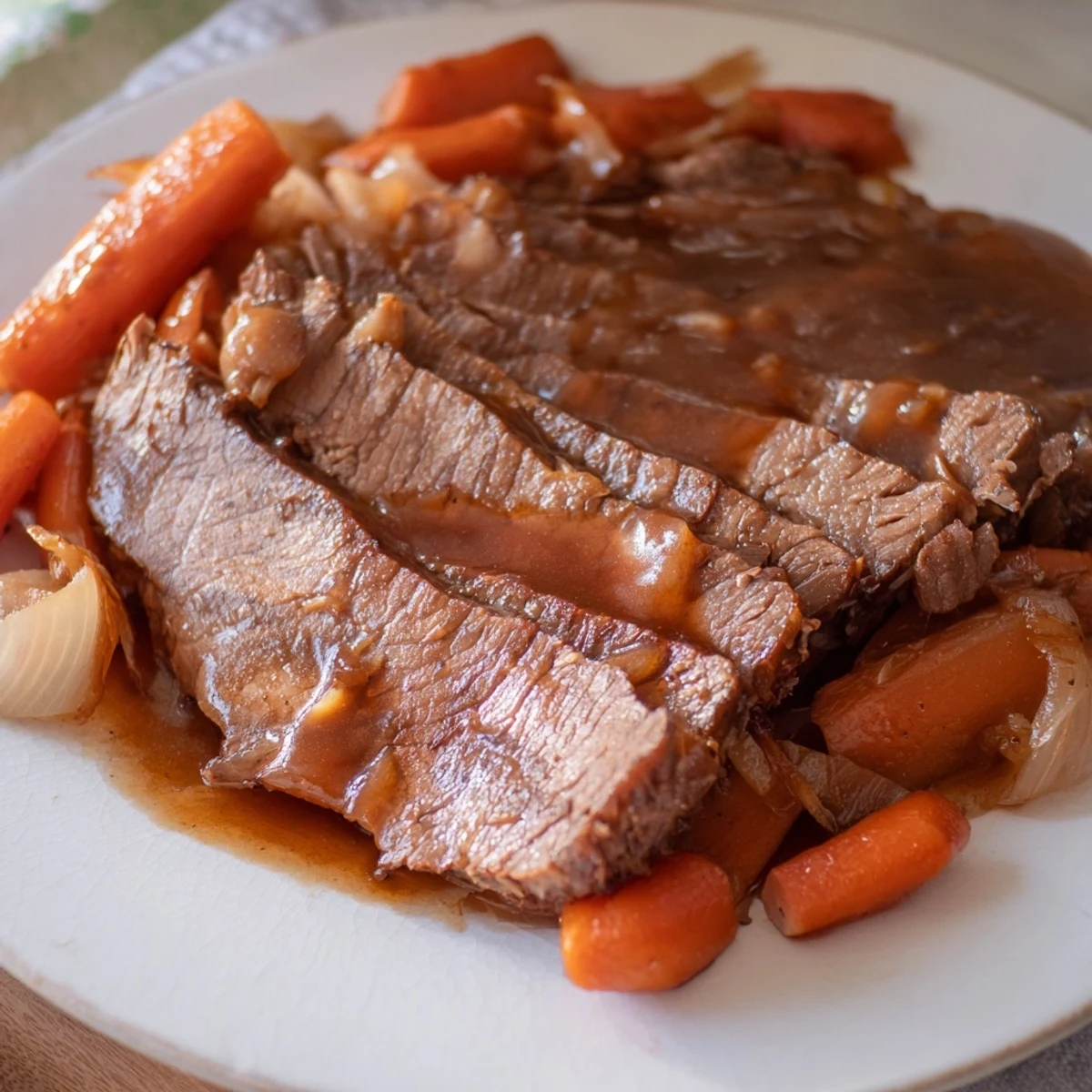
- Skim any excess fat from the sauce in the slow cooker. Serve the sliced brisket alongside the tender vegetables, spooning that rich, glossy sauce over everything.
 Save to Pinterest
 Last winter, my sister came over during a snowstorm and we spent the entire afternoon watching movies while the brisket bubbled away. Something about knowing dinner was already handled made the snow falling outside feel cozy instead of inconvenient.
Making It Ahead
Brisket actually improves after a night in the refrigerator, as the flavors have time to meld and the fat renders further. I often cook it a day ahead, then reheat it gently in the sauce. The only downside is resisting the urge to snack on it cold straight from the container.
Choosing The Right Brisket
I've learned through plenty of trial and error that the flat cut is more foolproof for home cooks. It's leaner and more uniform in shape, which means even cooking. The point cut has more fat marbling but can be tricky to find in supermarkets and cooks up less predictably.
Serving Ideas
Mashed potatoes are classic for a reason they catch every drop of that incredible sauce. Sometimes I skip the potatoes and serve it over buttered egg noodles or alongside roasted root vegetables. Whatever you choose, make sure you have plenty of crusty bread.
- A simple green salad with vinaigrette cuts through the richness beautifully
- Cornbread or buttermilk biscuits soak up extra sauce like nothing else
- Pickled vegetables or a crisp slaw add bright contrast to each bite
 Save to Pinterest
 There's something profoundly satisfying about a meal that takes care of itself while you go about your day. This brisket is the ultimate reward for minimal effort, delivering restaurant-quality results that make everyone feel special.
Recipe FAQs
- → Why do I need to sear the brisket first?
-
Searing creates a caramelized crust that adds depth and richness to the final dish. This step locks in juices and enhances the beef's natural flavors.
- → Can I cook on HIGH instead of LOW?
-
Yes, cook for approximately 4-5 hours on HIGH. However, the longer, gentler LOW heat produces more tender results and allows flavors to develop fully.
- → How do I know when the brisket is done?
-
Insert a fork into the thickest part—it should slide in easily with no resistance. The meat should shred effortlessly and have reached an internal temperature of 205°F.
- → Should I trim the fat cap before cooking?
-
Leave most of the fat cap intact during cooking to keep the meat moist and flavorful. Trim it away after cooking if you prefer leaner servings.
- → Can I freeze leftovers?
-
Slice cooled brisket and store in freezer bags with sauce for up to 3 months. Thaw overnight in the refrigerator and reheat gently with additional beef broth.