
 Save to Pinterest
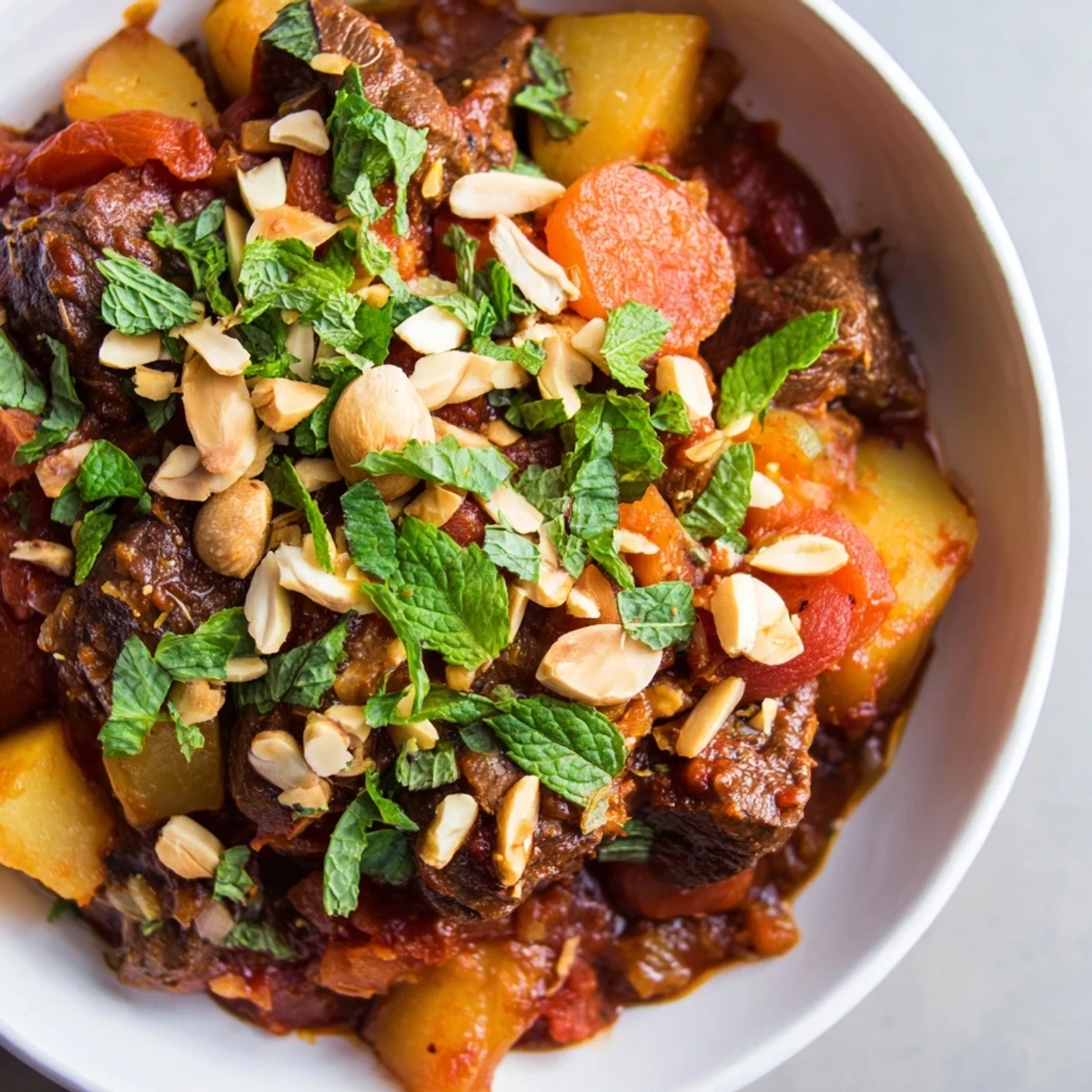
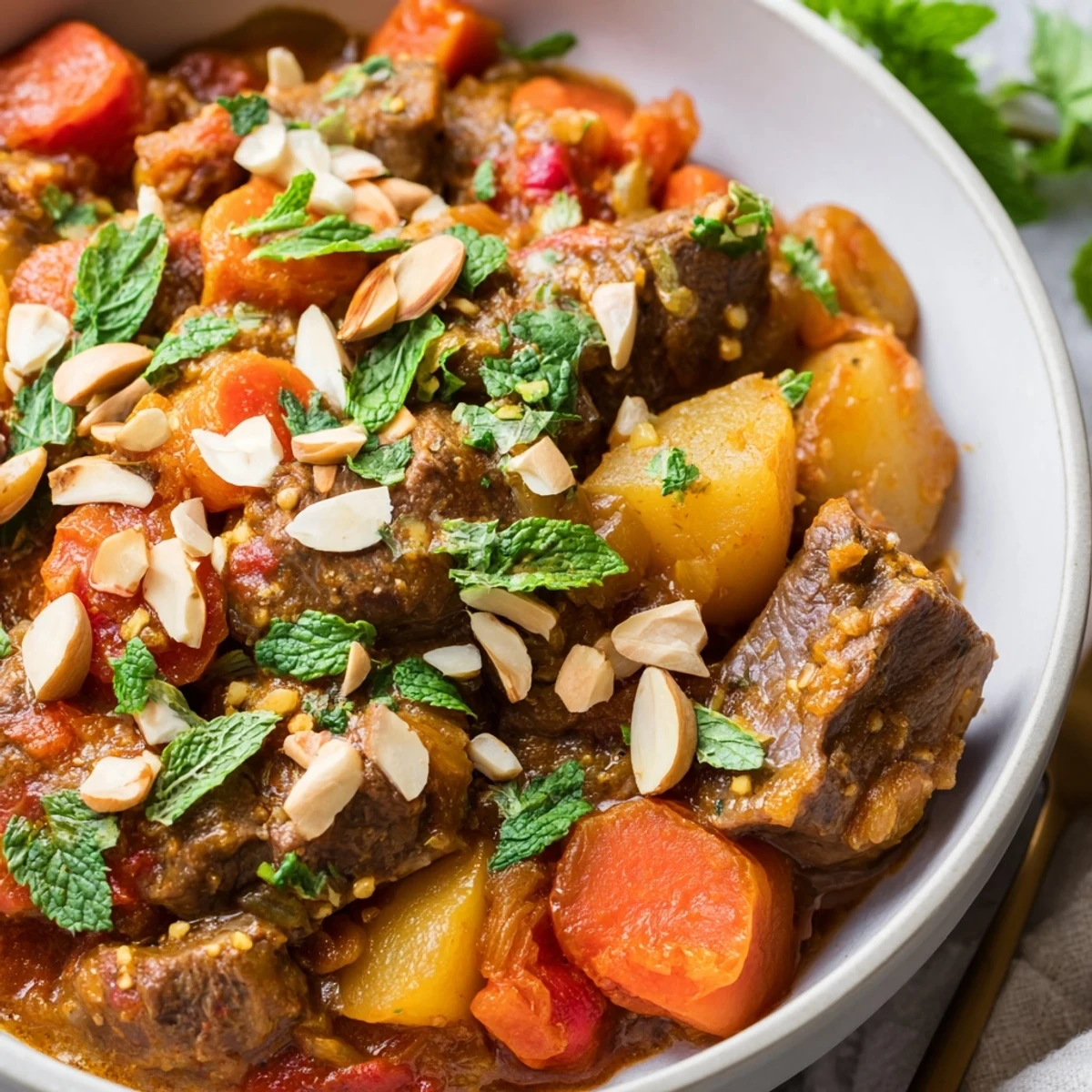
 This Moroccan lamb dish features succulent lamb shoulder cubes slow-cooked alongside dried apricots, fragrant spices like cinnamon, cumin, and coriander, and a touch of preserved lemon for brightness. The combination of tender meat and sweet fruit creates a rich, comforting flavor ideal for family meals or festive occasions. Garnished with fresh cilantro, mint, and toasted almonds, it delivers a perfect balance of savory, sweet, and aromatic notes. Cooking low and slow allows the flavors to meld beautifully, making it a satisfying and hearty option for gluten-free diets.
The first time I made this tagine was on a gray November afternoon when my kitchen felt too quiet. I'd found a jar of preserved lemons at a market I wandered into by accident, and something about their perfumed brine made me want to cook something slow and intentional. Six hours later, my whole apartment smelled like cinnamon and apricots, and I understood why this dish has endured for centuries.
I made this for my sister's book club once, not because it was fancy, but because I wanted people to linger at my table and talk for hours. Someone asked if it was from a restaurant, and I realized that's when food truly wins: when it tastes like care instead of effort.
Ingredients
- Lamb shoulder: Buy it in one piece and cut it yourself if you can; the texture matters more than perfect cubes, and you'll develop a feel for the grain of the meat.
- Cumin, coriander, cinnamon, ginger, turmeric: Toast these spices briefly in the pan before adding the onions to wake up their oils and deepen their flavor.
- Dried apricots: Look for unsulfured if you can find them; they're less bright but taste more naturally sweet, and they plump up beautifully in the stew.
- Preserved lemon: If you can't find it, regular lemon zest works, but preserved lemon brings a fermented, salty complexity that zest alone cannot replicate.
- Chicken or beef stock: Make sure it's gluten-free if that matters to you, and taste it first; if it's salty, use a bit less than the recipe calls for.
- Honey: Use it to balance the spices and add subtle caramel notes; don't skip it even though it seems small.
- Fresh cilantro and mint: Buy these as close to serving time as possible, and chop them loosely so they retain their volatile oils.
- Toasted almonds: Toast them yourself in a dry pan for three to four minutes; store-bought toasted ones go stale faster than you'd think.
Instructions
- Brown the lamb first:
- Heat olive oil until it shimmers, then add the lamb in batches without crowding the pan. You're looking for a deep golden crust on each piece, not cooked meat; the slow cooker will finish the job. Don't rush this step, even though it takes fifteen minutes.
- Build your flavor base:
- In the same skillet, soften the onion and garlic, scraping up every browned bit stuck to the bottom. Those crusty bits are pure umami and will dissolve into your stew.
- Toast the spices:
- Stir cumin, coriander, cinnamon, ginger, turmeric, allspice, and cayenne into the pan and cook for exactly one minute until the kitchen fills with their aroma. This blooming step is why the dish tastes alive instead of flat.
- Layer everything in the slow cooker:
- Transfer the spiced onion mixture, then add salt, apricots, tomatoes, carrots, potatoes, preserved lemon, stock, and honey. Stir until the lamb is mostly submerged, making sure nothing gets stuck on the bottom.
- Cook low and slow:
- Cover and cook on low for six hours, resisting the urge to open the lid. The gentle, consistent heat will transform the toughest lamb shoulder into something silken and forgiving.
- Finish and taste:
- Skim any fat that has risen to the surface, then taste carefully. Adjust salt or add a splash more stock if needed; the flavors should feel balanced and complex, not one-note.
- Garnish generously:
- Serve hot in deep bowls, scattering cilantro, mint, and toasted almonds on top. The fresh herbs cut through the richness perfectly and add a brightness that makes the whole dish sing.
 Save to Pinterest
 I learned something important the first time I served this to my father: he asked for the recipe not because it was impressive, but because it reminded him of something warm from his own childhood. That's when I understood that the best recipes are the ones that make people feel like they're coming home.
Preserved Lemon Versus Fresh Zest
Preserved lemons are worth hunting for because they bring a fermented, salty complexity that fresh zest simply cannot match. If you use regular lemon zest instead, reduce the salt slightly and add an extra squeeze of juice just before serving to approximate that tangy intensity. Neither is wrong, but they create noticeably different moods in the same dish.
Thickness and Sauce Management
Some slow cookers run hotter or cooler than others, which means your sauce might be thin or thick depending on the appliance. If you prefer a thicker sauce, remove the lid for the final thirty minutes of cooking and let some liquid evaporate; if it's too thick, add stock a little at a time near the end. The stew should be brothy enough to soak into couscous but rich enough to coat the spoon.
Serving and Pairing Ideas
This tagine is forgiving enough to serve with almost any grain, though couscous feels most natural and absorbs the sauce beautifully. Rice works wonderfully too, and if you want to keep it gluten-free, quinoa or millet add an unexpected nuttiness.
- Serve with warm flatbread or crusty sourdough to wipe every drop from your bowl.
- A glass of spicy Moroccan red wine or fresh mint tea balances the sweetness and richness.
- Leftovers taste even better the next day, and the flavors deepen as the stew sits.
 Save to Pinterest
 There's something about a slow cooker that feels like magic, turning humble ingredients into something memorable while you live your life. This tagine is proof that the best cooking is patient cooking.