
 Save to Pinterest
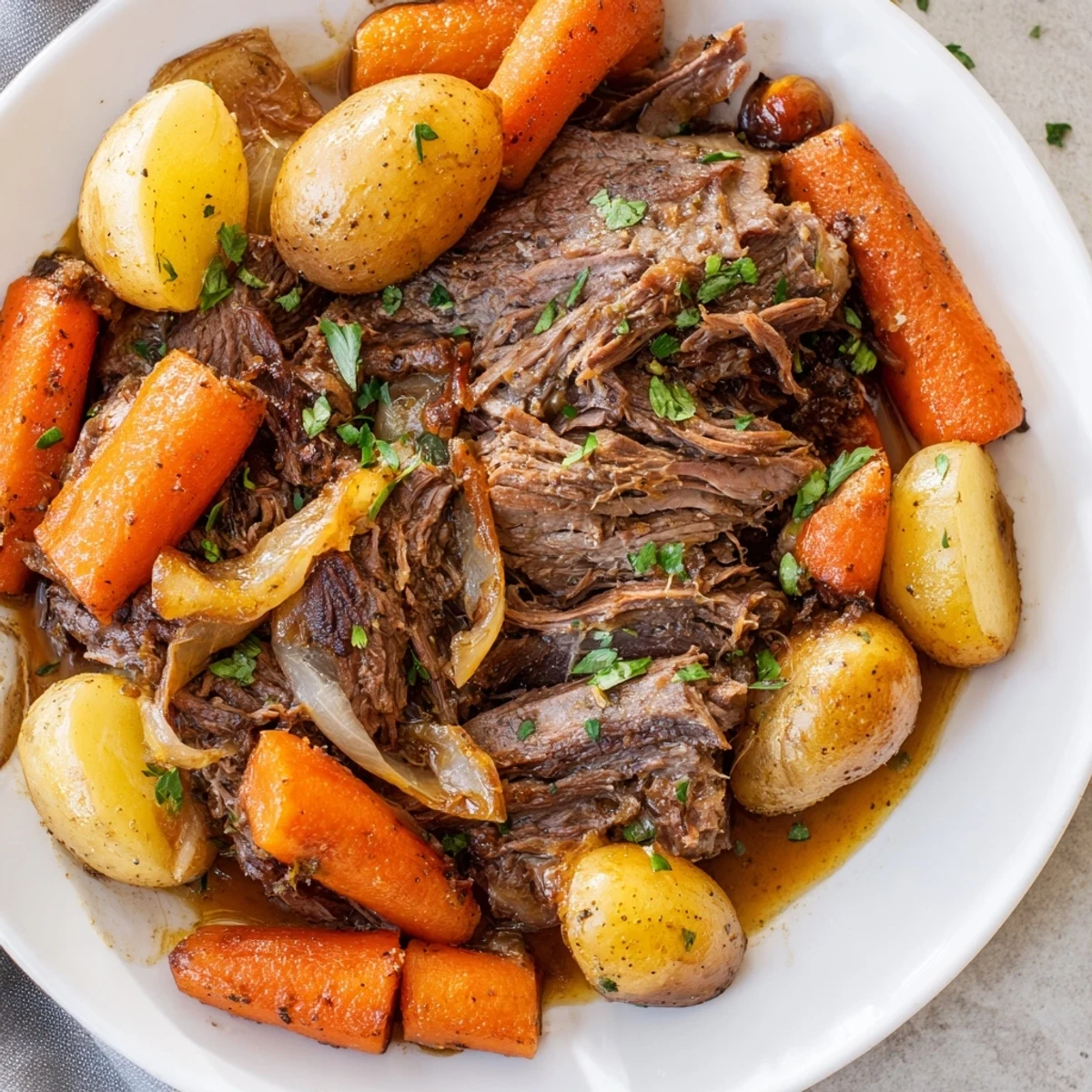
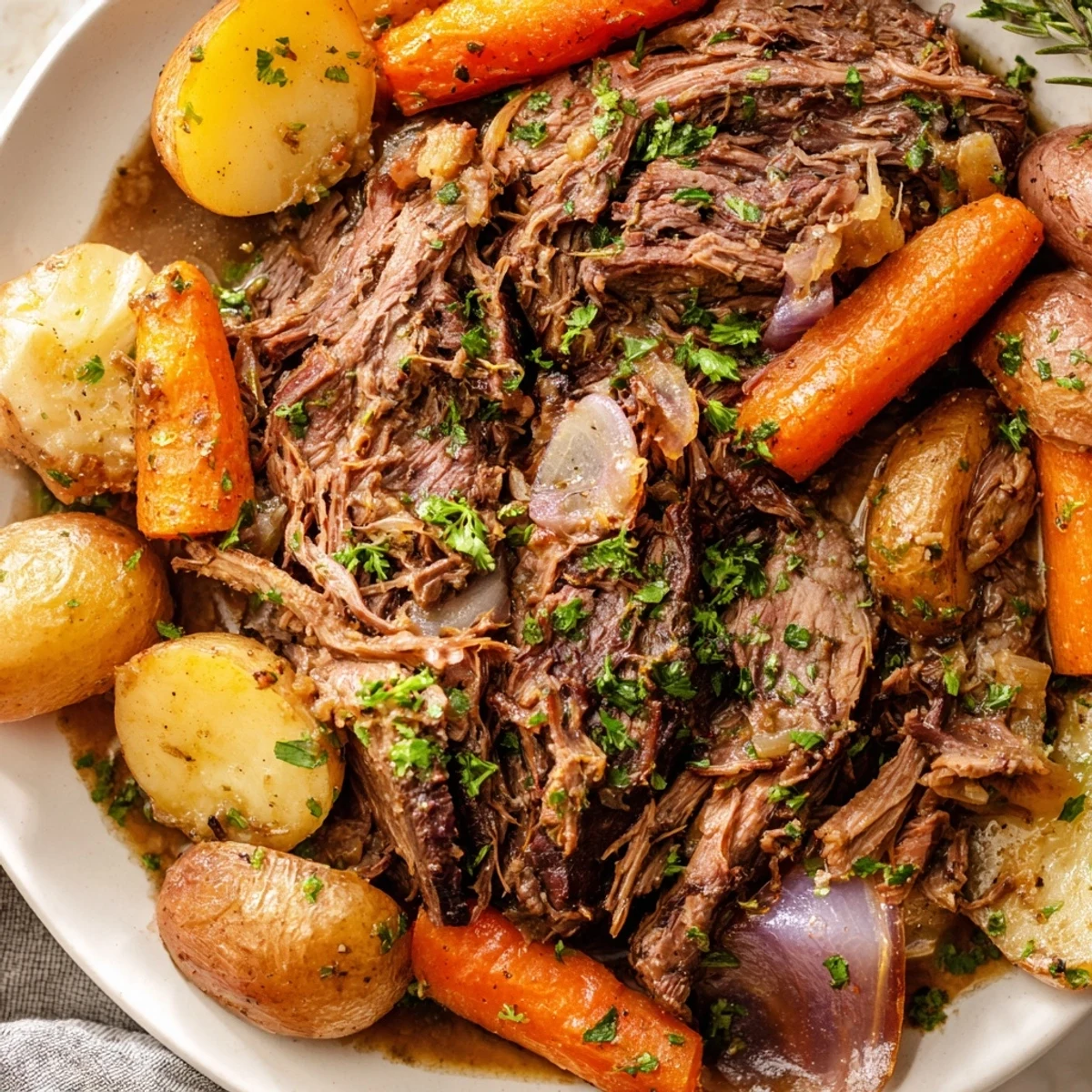
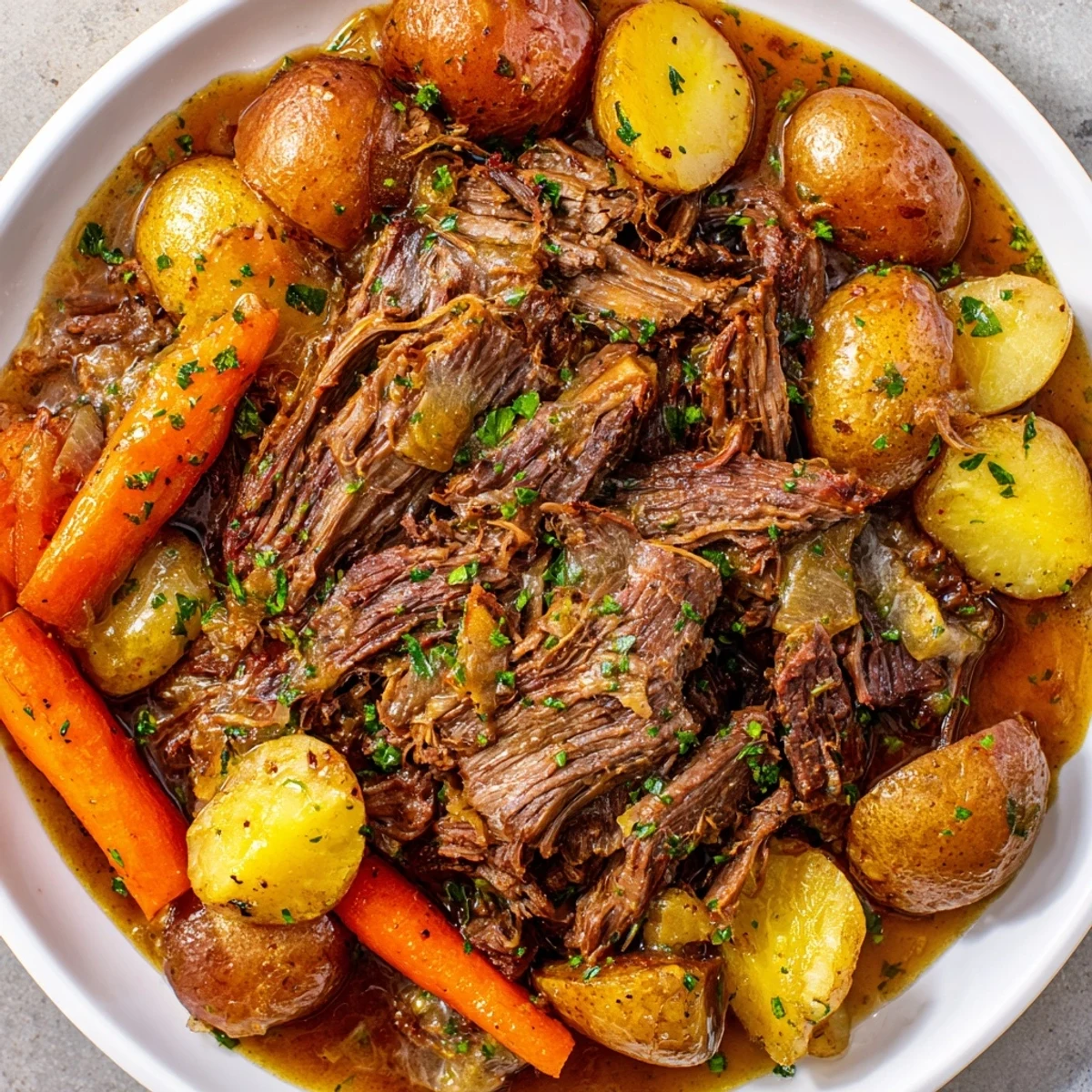
 This dish features a chuck roast gently cooked alongside carrots, potatoes, onions, and garlic. The meat is seasoned with salt, pepper, thyme, and rosemary, then simmered slowly in beef broth combined with tomato paste, Worcestershire sauce, and optional red wine. After hours of low heat cooking, the beef becomes tender and infused with rich flavors. Serve garnished with fresh parsley for a satisfying, wholesome main course perfect for family dinners and gatherings.
There's something about the smell of a pot roast slowly braising that makes a Sunday feel less like a chore and more like a gift to yourself. I discovered this recipe on a gray afternoon when I was tired of the usual weeknight scramble and decided to give my slow cooker a real job. Eight hours later, the house smelled like a home, and dinner practically finished itself while I went about my day. That's when I understood why this dish has stayed on tables for generations.
I made this for my sister's birthday dinner, and her kitchen filled with this rich, savory aroma about halfway through cooking. When I lifted the lid to check on it, the steam hit my face and I knew right then it was going to be perfect. She walked in, took one breath, and said, 'you're staying for dinner,' which meant I'd nailed it.
Ingredients
- Chuck roast (3 lb): This cut has just enough fat to become buttery tender and deeply flavorful during the long, slow braise. Pat it very dry before seasoning so it browns properly and keeps its shape.
- Carrots (1 lb, cut into chunks): Large pieces hold their shape and develop a sweet, caramelized edge that contrasts beautifully with the savory meat.
- Baby potatoes (1 lb, halved): They soften without turning to mush and soak up all the braising liquid like little flavor sponges.
- Yellow onion (1 large): Cut into wedges so they stay intact and sweet throughout the long cooking time.
- Garlic (3 cloves, minced): It dissolves into the broth and creates an invisible layer of depth you can taste but not quite name.
- Beef broth (2 cups): Use good quality broth; it's the foundation of the entire dish and deserves respect.
- Dry red wine (1/4 cup, optional): A splash adds complexity and richness that makes people ask what your secret ingredient is.
- Tomato paste (2 tbsp): This small amount adds body and a subtle sweetness that rounds out the savory notes.
- Worcestershire sauce (2 tbsp): Check the label if you're avoiding gluten; it's the umami backbone of the braising liquid.
- Salt and pepper: Don't shy away from these; the long cooking time mellows them into balance.
- Dried thyme and rosemary (1 tsp each): These woody herbs infuse the broth with something almost earthy and comforting.
- Bay leaves (2): They quietly add a subtle herbal note that's impossible to replicate with anything else.
- Fresh parsley (2 tbsp): A bright garnish at the end that cuts through the richness and reminds you that something green exists.
Instructions
- Prep and dry the roast:
- Pat the chuck roast completely dry with paper towels and season generously all over with salt and pepper. This step takes two minutes but changes everything about the final texture and color.
- Sear for depth (optional but recommended):
- Heat oil in a skillet over medium-high heat and sear the roast on all sides until deeply browned, about 3-4 minutes per side. You'll hear it sizzle and smell something almost caramelized—that's the flavor developing.
- Build the slow cooker bed:
- Scatter carrots, potatoes, onion, and garlic into the bottom of the slow cooker. They'll cushion the roast and infuse it with their sweetness as they soften.
- Nestle in the roast:
- Place the seared roast on top of the vegetables. It doesn't need to be submerged, just surrounded by flavor.
- Make the braising liquid:
- Whisk together broth, tomato paste, Worcestershire sauce, wine if using, thyme, and rosemary in a bowl. Pour it over the roast and nestle in the bay leaves.
- Let time do the work:
- Cover the slow cooker and cook on LOW for 8 hours. Resist the urge to peek too often; each time you lift the lid, you release heat and extend the cooking time.
- Release and rest:
- Remove the bay leaves and carefully transfer the roast and vegetables to a platter, letting any juices drip back into the pot.
- Finish the sauce (optional):
- If you want a thicker gravy, skim any excess fat from the top of the cooking liquid and simmer it in a saucepan over medium heat for a few minutes until it reduces and concentrates.
- Garnish and serve:
- Scatter fresh parsley over the finished dish. It's the final touch that makes it feel intentional and restaurant-worthy.
 Save to Pinterest
 The moment I served this to my family and watched my dad cut into the meat with just the side of his fork, barely needing a knife, I knew why this recipe had survived so many decades. Food doesn't have to be complicated to be meaningful.
Why Searing Makes All the Difference
The first time I skipped searing the roast to save time, I ended up with something that tasted pale and one-dimensional. The second time, I seared it properly and understood immediately why every old recipe insists on this step. That caramelized crust isn't just for looks; it's where the deep, savory complexity comes from, and it's worth the extra ten minutes.
Timing and Temperature Mastery
Eight hours on low is the sweet spot where the collagen in the chuck roast breaks down into gelatin and the meat becomes impossibly tender without drying out. I've tried six hours and the texture wasn't quite there; I've tried ten hours and it started to shred too aggressively. Eight hours is where patience and physics meet perfectly.
Variations That Work
Once you understand how this dish works, you can play with it endlessly. I've swapped in parsnips for a different sweetness, added mushrooms for earthiness, even tried switching out some of the broth for apple cider. The key is respecting the balance between the meat, the vegetables, and the braising liquid.
- Parsnips or turnips create a lower-carb version with their own subtle sweetness.
- A splash of apple cider vinegar at the end brightens everything if it feels too heavy.
- Beef bone broth instead of regular broth deepens the flavor even more.
 Save to Pinterest
 This pot roast isn't fancy, but it's honest food that fills both the kitchen and the heart. Make it when you want to feed people something that says, 'I care,' without saying it out loud.
Recipe FAQs
- → How long should the pot roast cook in the slow cooker?
-
Cook on low for about 8 hours until the beef is tender and easily shredded with a fork.
- → Is it necessary to sear the roast before slow cooking?
-
Searing adds a richer flavor by browning the meat but can be skipped for convenience.
- → Can I substitute the vegetables used in the dish?
-
Yes, parsnips or turnips can replace potatoes for a lower-carb option without altering the core flavors.
- → What liquids enhance the flavor of the pot roast?
-
Beef broth combined with tomato paste, Worcestershire sauce, and optionally dry red wine creates a savory, rich base.
- → How can I thicken the cooking juices for gravy?
-
Skim the fat and reduce the juices in a saucepan over medium heat until desired consistency is reached.
- → Is this dish suitable for gluten-free diets?
-
Use gluten-free beef broth and Worcestershire sauce to ensure the dish remains gluten-free.