
 Save to Pinterest
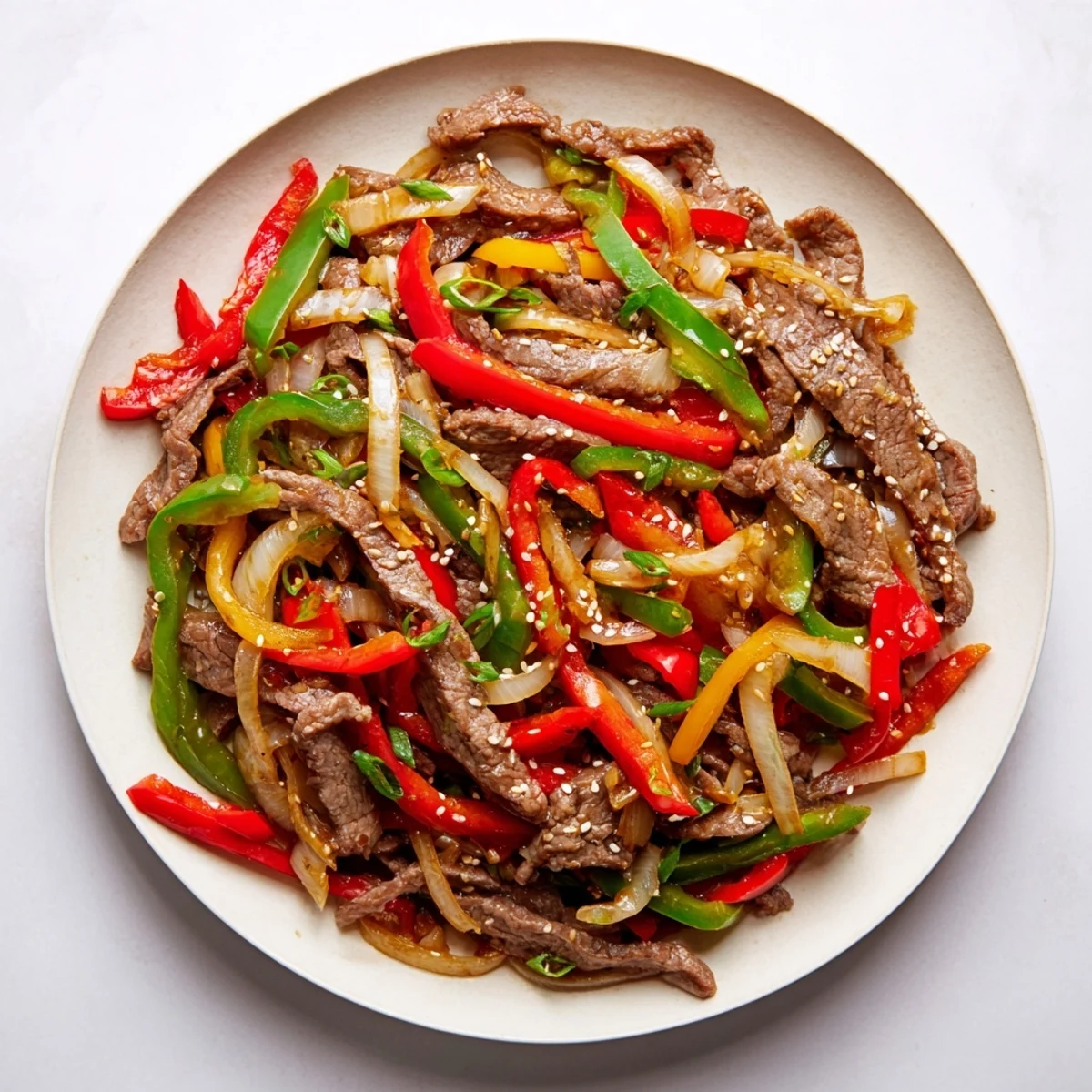
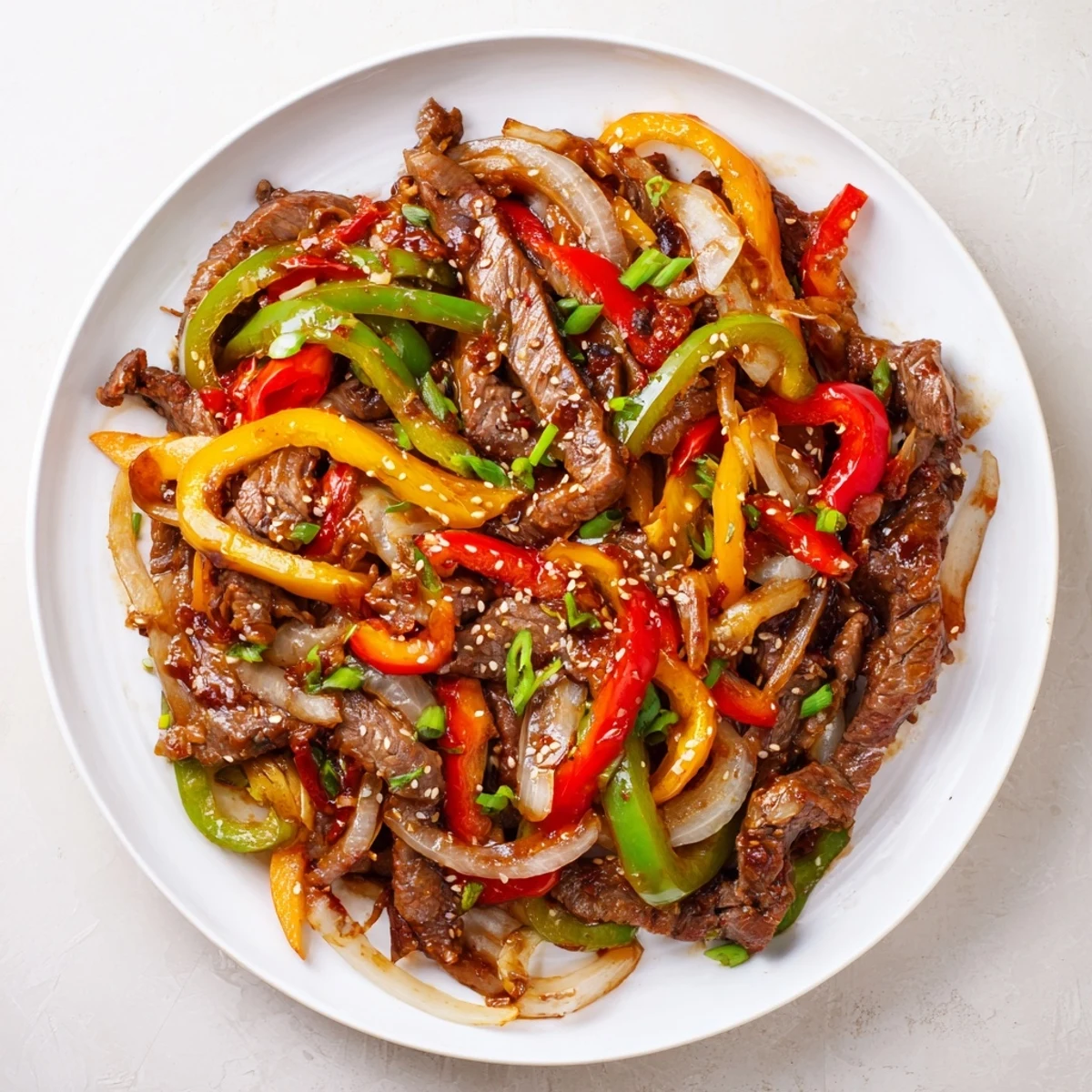
 This vibrant stir fry highlights tender beef strips cooked with crisp red, green, and yellow bell peppers. Aromatic garlic, fresh ginger, and sliced onions add depth, while a spicy, savory sauce blends soy, oyster sauce, and chili garlic for bold flavor. The dish cooks quickly in a hot wok, delivering a satisfying balance of spice and freshness. Garnished with spring onions and toasted sesame seeds, it pairs perfectly with steamed rice or noodles for a quick weeknight meal.
One Tuesday evening, I was standing in my kitchen with barely fifteen minutes before my partner got home, staring at a package of flank steak and wondering if I could pull off something impressive. I'd watched someone toss a wok on their cooking show that morning and thought, why not try? The sizzle that came when I hit that hot pan with beef strips felt like pure kitchen magic, and by the time the peppers went in—all three colors catching the light—I knew I'd stumbled onto something special.
I made this for a small dinner party last spring, and someone asked for the recipe before they'd even finished eating. What got me was how simple it felt to pull off, but how much it impressed people who expected me to have spent hours cooking. I remember thinking: this is the kind of dish that makes you look like you have your life together, even when you're just winging it with good ingredients and a hot pan.
Ingredients
- Flank steak, thinly sliced against the grain: This cut has natural striations that break apart when sliced correctly, giving you tender pieces instead of chewy ones—it's worth the two minutes it takes to slice it right.
- Soy sauce (for marinade and sauce): The saltiness is what carries flavor here, but it also helps tenderize the beef if you let it sit those ten minutes.
- Cornstarch: This creates a silky coating on the beef that helps it brown beautifully and traps moisture so every piece stays juicy.
- Sesame oil: Just a teaspoon adds an aroma that tells you you're cooking something real—don't skip it, and don't use the cheap stuff.
- Red, green, and yellow bell peppers: The variety of colors matters here not just for looks, but because they each have slightly different flavor profiles; the red ones are sweetest if you're curious.
- Fresh ginger and garlic: These two are the backbone of the flavor—minced fine so they distribute evenly and bloom in that hot oil.
- Oyster sauce and chili garlic sauce: Oyster sauce adds umami depth that transforms the whole dish, while the chili sauce gives you heat and texture without overwhelming.
- Rice vinegar: A touch of acid keeps the sauce bright instead of one-note and heavy.
- Brown sugar: Just enough to round out the spice and balance the salty-savory elements.
- Vegetable oil: Use something neutral that can handle high heat without smoking—canola works perfectly.
- Spring onions and sesame seeds: These are your finishing touches that add freshness and crunch to what might otherwise feel heavy.
Instructions
- Prep your beef with confidence:
- Toss your sliced beef with soy sauce, cornstarch, and sesame oil in a bowl and let it sit while you prep everything else. This ten minutes transforms the beef from raw to ready—you're essentially jump-starting the cooking process and making sure every piece will be tender.
- Build your sauce station:
- Whisk together soy sauce, oyster sauce, rice vinegar, chili garlic sauce, brown sugar, and water in a small bowl. Having this ready means you won't scramble when everything's hot and moving fast in the pan.
- Sear the beef hard and fast:
- Heat oil in a wok or large skillet until it's shimmering and barely smoking, then add beef and let it sit for a moment before stirring—this creates a golden crust. Pull it out after two to three minutes while it's still slightly pink; it'll finish cooking later and stay tender.
- Bloom your aromatics:
- With fresh oil in the pan, add onions first (they take longest), then garlic and ginger. Let them hit that heat for about a minute until the smell fills your kitchen—you'll know it's right.
- Get your peppers just right:
- Toss in all three bell peppers and keep the heat high and the motion constant. You want them softened at the edges but still with a snap when you bite them, which takes about two to three minutes depending on your heat.
- Bring it all together:
- Return the beef to the pan, pour in that sauce you made, and stir everything until it's coated and combined. The cornstarch in the beef coating plus the sauce will thicken slightly and cling to every piece.
- Finish with heat and timing:
- Keep stirring for two to three more minutes so the beef finishes cooking and the sauce reduces just enough to coat everything without being soupy. You'll see it go from thin liquid to glossy and clingy.
- Taste and adjust before serving:
- Pull it off heat, sprinkle with spring onions and sesame seeds if you have them, and get it to the table while it's still steaming. Serve over jasmine rice or noodles.
 Save to Pinterest
 I remember serving this to a friend who had just moved to the neighborhood, and the whole ritual of it—the sizzle, the aroma, the speed of it coming together—turned into a conversation about cooking and where food comes from. That's when I realized this dish isn't just about eating well; it's about the moment in your kitchen where everything aligns and feels easy.
The Heat Question
Spice is personal, and I've learned that the hard way after making this for people with wildly different tolerances. The chili garlic sauce is your dial—start with a tablespoon and taste as you go, adding more if you want that sharp kick to build. What feels mild to someone who grew up eating spicy food might take your breath away if you don't usually cook with heat, so taste before you serve and keep some extra sauce on the side for people to adjust their own plate.
Beyond Beef
This recipe is infinitely flexible, which is partly why I make it so often. Chicken thighs work beautifully and stay moist, tofu (pressed well and cubed) becomes crispy and soaks up that sauce like nothing else, and shrimp cooks so fast you barely need to step away from the pan. I once made it with a mix of mushrooms and chickpeas for a friend who didn't eat meat, and the umami from the oyster sauce and mushrooms somehow made it even more satisfying.
The Sides That Matter
Jasmine rice is my default because the gentle floral notes don't compete with the bold sauce, but noodles—especially something like egg noodles or crispy chow mein—turn this into a different kind of meal entirely. I once served it over cauliflower rice for a friend watching their carbs, and honestly, the crispness of the cauliflower against the tender beef was its own kind of delicious. Steamed or fried, hot or room temperature, the stir fry adapts to whatever grain or base you have on hand.
- Add snow peas or water chestnuts in step five if you want extra crunch and don't mind a slightly longer cook time.
- Serve with a squeeze of fresh lime juice on the side for anyone who wants to brighten up their plate.
- Keep some extra chili garlic sauce at the table so people can customize their heat level without you having to remake the whole dish.
 Save to Pinterest
 This is the kind of dish that reminds me why cooking matters—not because it's complicated or time-consuming, but because it transforms an ordinary Tuesday into something worth gathering around. Make it tonight, and you'll understand why it's become my go-to move when I want to feel like I've got this.
Recipe FAQs
- → How long should the beef marinate?
-
Marinate the beef with soy sauce, cornstarch, and sesame oil for about 10 minutes to enhance tenderness and flavor.
- → Can I adjust the spice level?
-
Yes, modify the amount of chili garlic sauce in the sauce mix to make it milder or spicier according to your preference.
- → What vegetables can I add for extra crunch?
-
Snow peas or water chestnuts are great additions that add an extra crunch and complement the peppers well.
- → Which cooking oil is best for stir frying?
-
Use vegetable oils with high smoke points like canola or sunflower oil for a clean flavor and effective stir frying.
- → Can I substitute the beef with other proteins?
-
Yes, chicken or tofu can be used instead of beef, adjusting cooking times as needed to ensure proper doneness.