
 Save to Pinterest
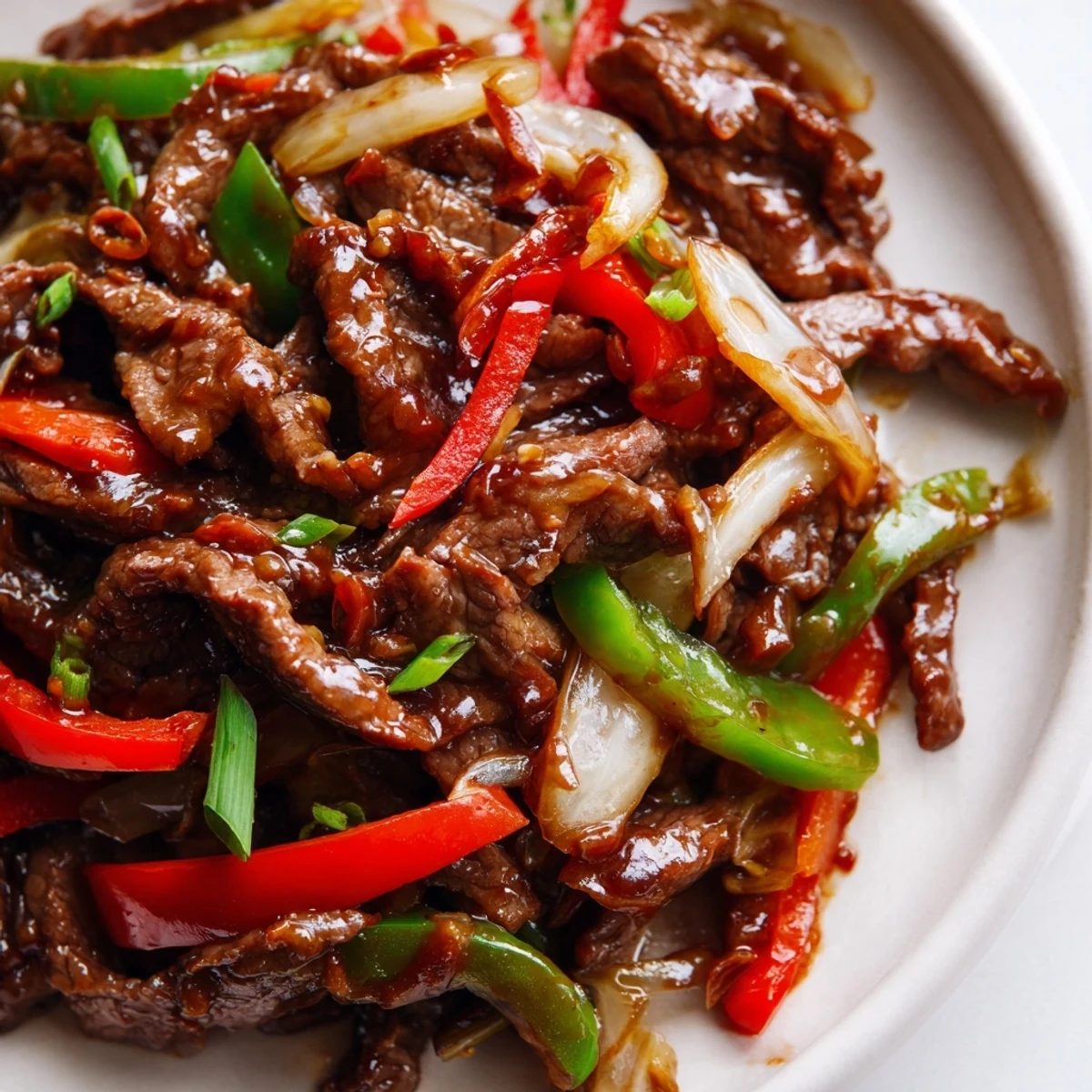
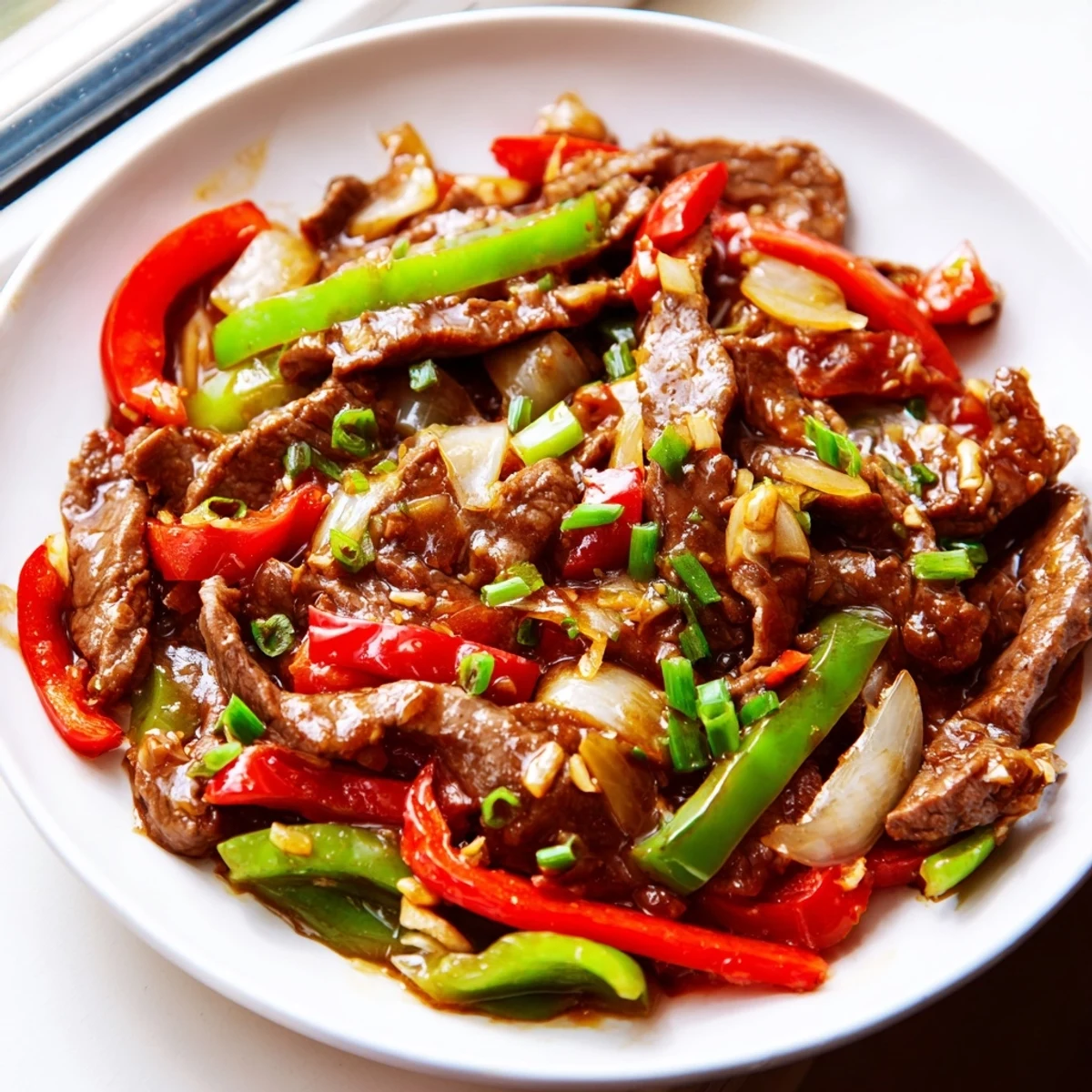
 This dish features thinly sliced beef marinated in soy and oyster sauces, stir-fried rapidly with fresh bell peppers, onion, garlic, and ginger. A rich spicy sauce binds the ingredients, delivering a bold and savory flavor. Ready in just 25 minutes, it offers a perfect balance of tender meat and crisp vegetables, ideal for a fast and satisfying dinner. Garnished with spring onions and served with steamed rice or noodles, it’s a delightful, vibrant dish that suits a variety of diets.
There's something about the sizzle of beef hitting a hot wok that makes weeknight cooking feel like you're doing something special. I learned to make this stir fry on a rainy Tuesday when I was craving takeout but refused to order in again, and honestly, I've never looked back. The sauce comes together in seconds, the meat cooks faster than you'd think, and somehow it tastes even better than what I used to pay for. Now it's become the dish I make when I want to feel accomplished without spending half my evening in the kitchen.
I made this for my sister last month when she was stressed about work, and watching her face light up at that first bite reminded me that sometimes the simplest meals are the most comforting. She asked for the recipe before she'd even finished eating, which is basically a compliment I'll take any day. The whole apartment smelled incredible, and that smell alone seemed to change the mood of the evening. By the time dessert came around, she was already planning when she'd make it herself.
Ingredients
- Flank steak or sirloin, thinly sliced: Slicing against the grain keeps each bite tender, which makes all the difference when the meat cooks this fast.
- Soy sauce: The backbone of the flavor, appearing in both the marinade and sauce because it's just that essential.
- Oyster sauce: This adds umami depth that makes people ask what your secret ingredient is.
- Rice vinegar: A touch of brightness that keeps the sauce from feeling one-note.
- Cornstarch: The magic that makes the marinade cling to the beef and helps the sauce thicken just right.
- Sesame oil: A small amount goes a long way, adding that toasted, aromatic quality that signals you know what you're doing.
- Red and green bell peppers: They stay crisp and sweet, balancing the savory sauce beautifully.
- Onion, garlic, and ginger: This trio builds the flavor foundation—don't skip the fresh ginger, it makes a real difference.
- Hoisin sauce: Sweet and savory, it rounds out the sauce with subtle complexity.
- Chili garlic sauce: The heat level is entirely up to you, so adjust without guilt.
- Brown sugar: Just enough to balance the spice and salt.
- Vegetable oil: High-heat cooking demands oil with a high smoke point.
Instructions
- Coat the beef with flavor:
- Toss your sliced meat with soy sauce, oyster sauce, rice vinegar, cornstarch, and sesame oil, then let it rest for 10 minutes so it actually absorbs everything instead of just sitting on the surface.
- Mix your sauce ahead:
- Combine soy sauce, oyster sauce, hoisin, chili garlic sauce, brown sugar, and water in a small bowl and set it nearby—you won't have time to do this once the cooking starts.
- Sear the beef until golden:
- Heat 1 tablespoon of oil in your wok over high heat until it shimmers slightly, then add the beef in a single layer and let it sit for about a minute before stirring so it actually browns instead of steaming. Remove it to a clean plate after about 2 minutes when the edges are caramelized.
- Build the vegetable base:
- Add the remaining oil to the wok, then add onion, bell peppers, garlic, and ginger all at once and stir constantly for 2-3 minutes until they're softened but still have some snap to them.
- Bring it all together:
- Return the beef to the wok, pour in that sauce you prepared, and toss everything for another 1-2 minutes until the sauce thickens slightly and coats everything beautifully.
- Finish and serve:
- Scatter the spring onions on top right before serving over hot rice or noodles, because that's when they stay bright and fresh instead of wilting into oblivion.
 Save to Pinterest
 I remember the first time I got the timing right on this dish—when the beef was still juicy, the vegetables had that perfect textural contrast, and the sauce was silky instead of watery. That's when it stopped being a recipe I was following and started being a dish I understood. Now every time I make it, I feel that little moment of satisfaction when everything hits the plate at exactly the right moment.
The Secret to Crisp Vegetables
The biggest mistake I made early on was cooking the vegetables until they were soft and limp, thinking that meant they were done. Turns out you want them to still have some resistance when you bite down, and the residual heat from the sauce keeps them cooking after you plate everything. If your wok is hot enough and you keep the vegetables moving, you'll nail that balance without even trying. It's the kind of thing that sounds complicated until you realize it's actually just about confidence and high heat.
Heat Levels and Adjusting Spice
This recipe starts with a gentle heat that builds slowly, but I've served it to friends with completely different spice tolerances, which means it needs to work for everyone. If you love heat like I do, add fresh sliced chilies to the vegetables or double the chili garlic sauce and taste as you go. If you're cooking for someone who prefers milder flavors, use just a teaspoon of the chili garlic sauce and let people add their own at the table instead of making that decision for them.
Making It Your Own
This stir fry is forgiving in the best ways, which is why it's become my go-to recipe to improvise around. I've made it with chicken on nights when beef is too expensive, and with tofu when I'm craving something lighter, and both versions have their own kind of magic. The sauce carries the whole dish, so as long as you respect the core balance of savory, sweet, and spicy, you can swap ingredients based on what you have or what you're in the mood for. Sometimes the best cooking happens when you stop following the recipe exactly and start trusting your instincts instead.
- Chicken thighs cook in about the same time and stay incredibly moist if you don't overcook them.
- Tofu works best if you press it first to remove moisture, then cut it into bite-sized cubes for maximum sauce contact.
- You can add broccoli, snap peas, or mushrooms without changing any timing, just keep the heat high and don't overcrowd the wok.
 Save to Pinterest
 This is the recipe I reach for when I want to prove to myself that restaurant-quality cooking doesn't require hours or fancy equipment. It's quick, it's flavorful, and it works every single time.
Recipe FAQs
- → How do you keep the beef tender in this stir fry?
-
Marinate the beef with soy sauce, oyster sauce, vinegar, and cornstarch for at least 10 minutes before cooking. This helps to tenderize and coat the meat evenly.
- → Can I adjust the spice level?
-
Yes, increase or reduce the chili garlic sauce according to taste or add fresh sliced chilies for more heat.
- → What vegetables work best in this dish?
-
Red and green bell peppers, onions, garlic, ginger, and spring onions provide a great combination of flavor and crunch. Feel free to add other crisp vegetables.
- → What is the best cooking method for this dish?
-
High-heat stir-frying in a wok or skillet ensures the beef cooks quickly without losing moisture and the vegetables stay crisp.
- → Are there good alternatives to beef in this dish?
-
You can substitute chicken or tofu as alternatives, adjusting cooking times accordingly for the best texture.