
 Save to Pinterest
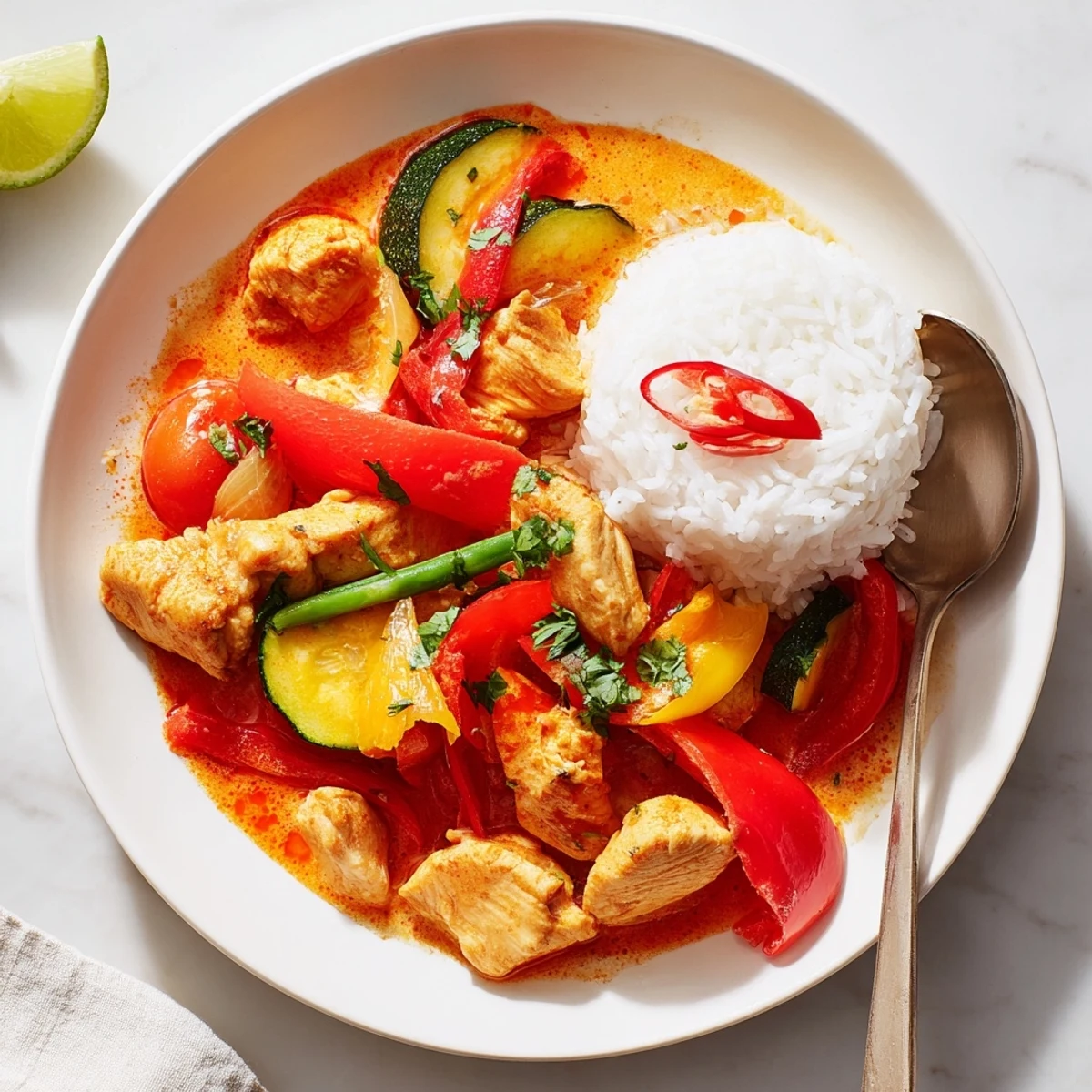
 Marinate chicken briefly in lime, oil and chili to infuse brightness. Sauté onion, garlic and ginger in coconut oil, then bloom red curry paste and spices before browning the chicken. Pour in coconut milk and simmer, adding bell peppers, zucchini, cherry tomatoes and snap peas until vegetables are tender-crisp and chicken is cooked through. Finish with cilantro, sliced red chili and lime wedges; serve over steamed jasmine rice. Total time about 50 minutes; dairy- and gluten-free.
The exhaust fan in my tiny apartment kitchen gave up one July evening right as I was toasting curry paste in coconut oil, and instead of panicking I just opened every window and let the humid summer air mix with the fragrant steam billowing from my pan.
My neighbor knocked on my door that night not to complain about the smell but to ask what I was cooking, and we ended up sharing the entire pot on my fire escape with paper plates and cold beer.
Ingredients
- Chicken thighs (600 g, skinless and boneless): Thighs stay far juicier than breast meat in a simmered curry and forgive you if you accidentally cook them a minute too long.
- Lime juice (2 tbsp): This acid in the marinade starts breaking down the chicken before heat even touches it and adds a brightness that balances the heavy coconut.
- Olive oil (1 tbsp): Just enough to carry the chili powder and salt across every piece of chicken evenly.
- Chili powder (1 tsp): A mild base layer of heat that pairs with the curry paste rather than fighting it.
- Salt (1/2 tsp): Season the chicken early so it draws flavor from the inside out during the marinade.
- Red and yellow bell peppers (1 each): Two colors are not just for looks, they add slightly different sweetness levels and make the dish feel like a celebration.
- Zucchini (1 cup, sliced): It soaks up the coconut sauce like a sponge and adds a soft melt in your mouth texture.
- Cherry tomatoes (1 cup, halved): They burst during simmering and release little pockets of tartness throughout the curry.
- Snap peas (1 cup, trimmed): These bring a snappy crunch that keeps the dish from feeling too soft or one note.
- Onion (1 medium, finely chopped): The sweet foundation that melts into the sauce and disappears entirely if you cook it right.
- Coconut oil (2 tbsp): It toasts the aromatics beautifully and reinforces the coconut flavor from the milk without making things oily.
- Garlic (2 cloves, minced): Fresh garlic only, the jarred stuff loses the sharp bite that makes curry paste sing.
- Fresh ginger (1 tbsp, grated): Grate it directly into the pan for maximum juice and a warm peppery kick.
- Red curry paste (2 to 3 tbsp): Start with two and taste before adding more, the heat builds as it simmers.
- Coconut milk (400 ml, one can): Shake the can before opening so the creamy layer on top blends smoothly into the sauce.
- Ground turmeric (1 tsp): It gives the curry its golden sunset color and an earthy warmth underneath all the spice.
- Ground coriander (1/2 tsp): A subtle citrusy note that rounds out the heavier flavors.
- Sugar (1 tsp): Just enough to tame the heat and coax out the natural sweetness of the vegetables.
- Salt and pepper: Season gradually and taste often because curry paste already contains salt.
- Fresh cilantro (1/4 cup, chopped): Scatter it on at the very end so it stays bright and herbaceous.
- Fresh red chili (1, sliced, optional): For anyone who wants an extra punch of fire on top.
- Lime wedges: A squeeze at the table wakes up every flavor in the bowl.
- Steamed jasmine rice: The only correct bed for this curry, fluffy and fragrant enough to stand up to the sauce.
Instructions
- Marinate the chicken:
- Toss the chicken pieces with lime juice, olive oil, chili powder, and salt in a bowl, making sure every piece gets coated, then let it sit for about fifteen minutes while you chop the vegetables.
- Build the aromatic base:
- Heat coconut oil in a large pan or wok over medium heat until it shimmers, then add the chopped onion, garlic, and ginger, stirring until the kitchen smells impossibly good and the onion turns translucent, about two to three minutes.
- Bloom the spices:
- Stir in the red curry paste, turmeric, and coriander, and let them sizzle for about a minute until the paste darkens slightly and you can smell the spices toasting.
- Brown the chicken:
- Add the marinated chicken in a single layer and let it cook undisturbed for two minutes before stirring, then continue cooking for another three to four minutes until the pieces pick up golden patches on the edges.
- Simmer in coconut milk:
- Pour in the entire can of coconut milk along with the sugar, a pinch of salt, and a few cracks of pepper, then stir everything together and bring it to a gentle bubbling simmer.
- Add the summer vegetables:
- Toss in the bell peppers, zucchini, cherry tomatoes, and snap peas, then let the curry simmer uncovered for ten to fifteen minutes until the chicken is cooked through and the vegetables are tender but still vividly colored.
- Taste and adjust:
- Dip a spoon in and taste the sauce, adding more salt or a squeeze of lime if it needs brightness, or another half spoon of curry paste if you want it to hit harder.
- Serve and garnish:
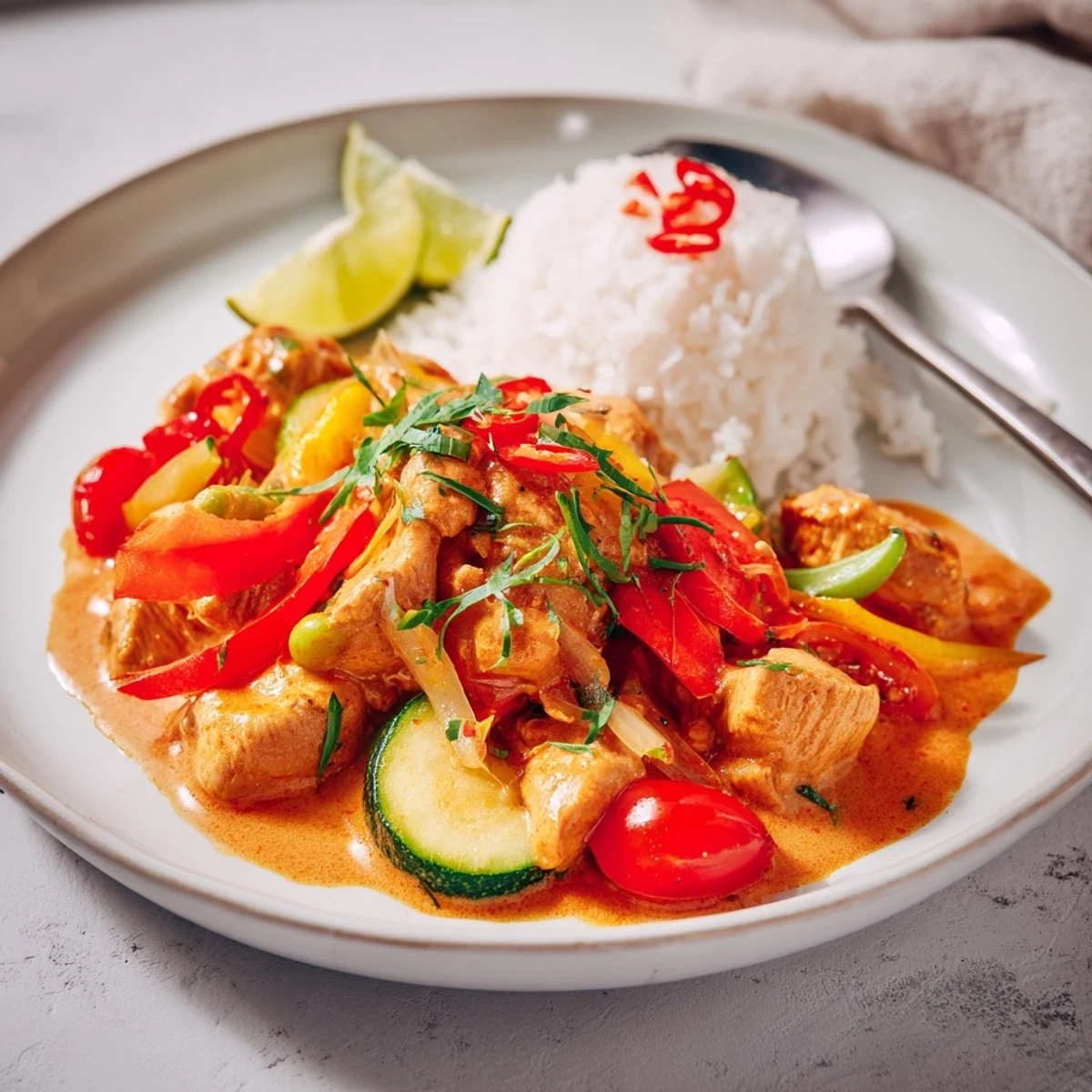
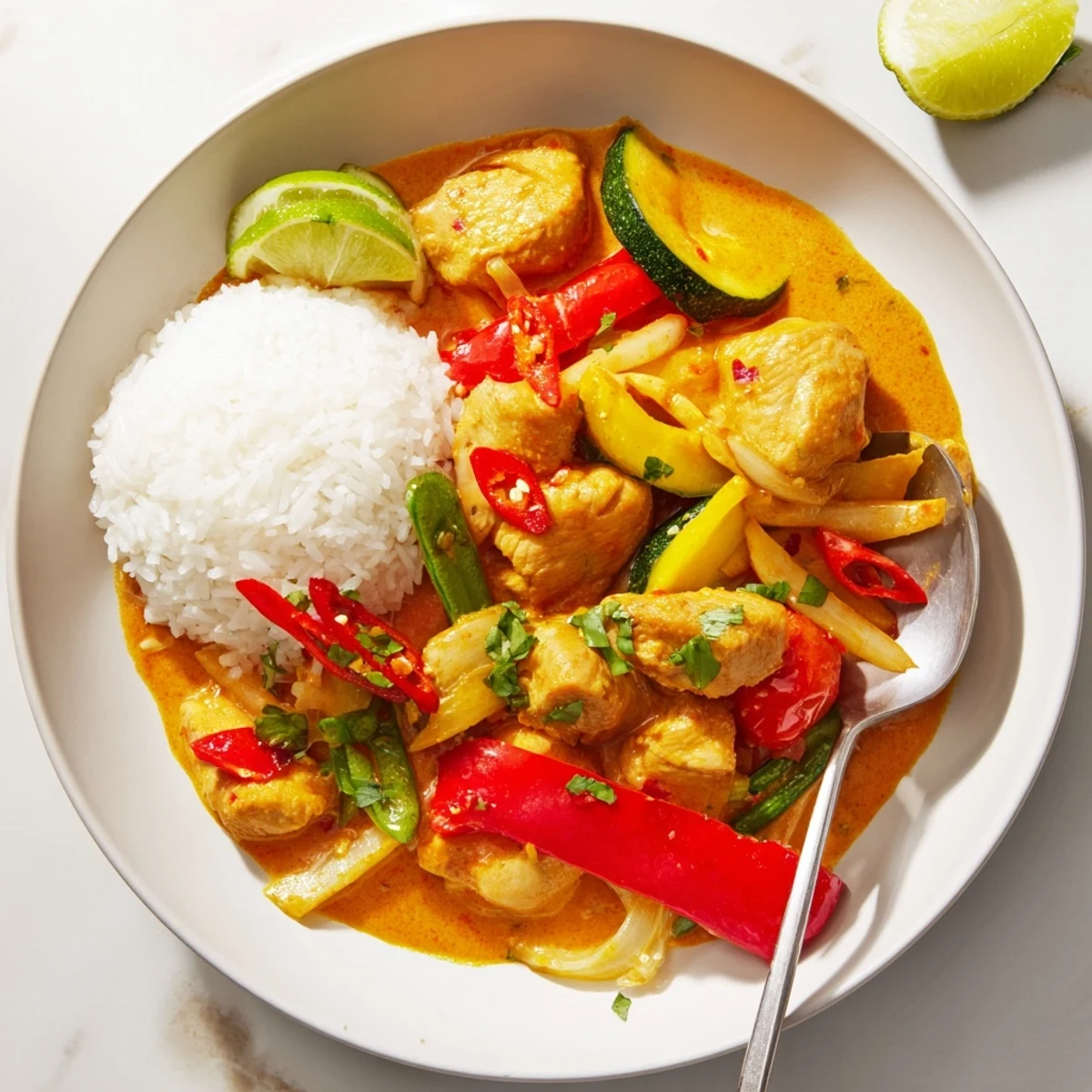
- Ladle the hot curry over bowls of steamed jasmine rice and finish with a generous scatter of cilantro, a few slices of fresh chili, and lime wedges on the side.
 Save to Pinterest
 That evening on the fire escape turned into a standing weekly dinner tradition, and somehow this curry always tastes better when eaten outside with the sound of the city in the background.
Making It Your Own
Throw in a handful of diced mango during the last five minutes of simmering if you want a sweet fruity contrast that makes the dish even more summery.
Feeding a Crowd
This recipe doubles easily and actually improves after sitting for a day, so make it the night before a gathering and gently reheat it when guests arrive.
Storing and Reheating
Leftovers keep beautifully in the fridge for up to three days and the flavors deepen overnight into something even more complex and satisfying.
- Store rice and curry in separate containers so the rice does not absorb all the sauce.
- Reheat gently on the stove with a splash of water rather than microwaving at full power.
- Always check leftover curry for off smells before reheating because coconut milk can spoil quietly.
 Save to Pinterest
 This curry is summer in a bowl, messy and colorful and worth every minute spent at the stove.
Recipe FAQs
- → How can I reduce the heat without losing flavor?
-
Use less red curry paste and omit the optional fresh chili. Add a touch more coconut milk or a small spoonful of sugar to mellow heat while preserving the aromatic curry base.
- → What can substitute coconut milk if unavailable?
-
Use a light coconut alternative like canned light coconut milk for lower fat, or a blend of unsweetened almond milk with a tablespoon of coconut cream to maintain richness and coconut flavor.
- → How do I keep vegetables vibrant and not mushy?
-
Add peppers, zucchini and snap peas toward the end of simmering and cook uncovered just until tender-crisp. A quick high-heat finish helps retain color and texture.
- → Can I make this ahead and reheat?
-
Yes. Cool promptly and refrigerate up to 2 days. Reheat gently over low heat, adding a splash of water or coconut milk if the sauce has thickened, to restore a silky consistency.
- → What vegetarian swaps work well here?
-
Firm tofu pressed and cubed makes a great swap; brown it first for texture and continue with the same sauce and vegetables. You can also use tempeh or hearty mushrooms.
- → What are good serving and pairing suggestions?
-
Serve over steamed jasmine rice to soak up the sauce and garnish with cilantro, lime wedges and sliced red chili. Pairs nicely with a crisp white wine or a cold lager.