
 Save to Pinterest
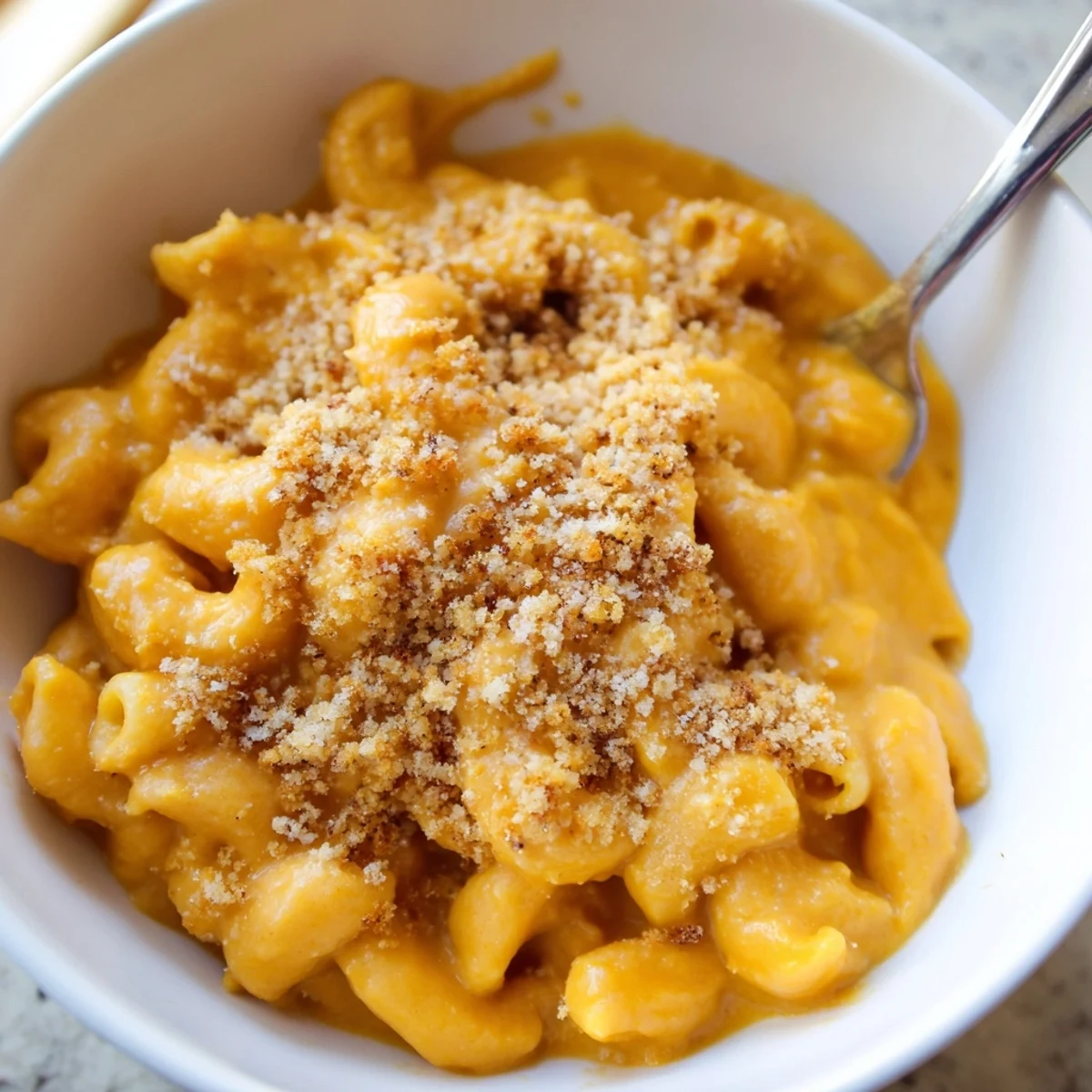
 This comforting main dish combines tender elbow macaroni with a rich and creamy sauce made from roasted butternut squash and a blend of plant milk, nutritional yeast, and spices. The squash is caramelized for natural sweetness and depth, then blended to create a smooth sauce that coats the pasta perfectly. Optional crispy breadcrumb topping adds crunch. Quick to prepare and ideal for a cozy vegan meal that satisfies and nourishes.
There's something about the smell of roasted butternut squash that fills my kitchen with this golden, almost honey-like warmth—it's the kind of aroma that makes you want to gather everyone around the table before the food is even ready. The first time I blended roasted squash into a vegan cheese sauce, I was skeptical; I thought there was no way something so simple could taste creamy and rich without dairy. But when I tasted that first spoonful clinging to a piece of elbow pasta, I understood why this dish has become my go-to comfort meal.
I made this for my partner on a rainy Wednesday when neither of us felt like leaving the house, and watching their face light up when they realized it was vegan still makes me smile. They went back for seconds while asking what was in the sauce, convinced I'd somehow snuck in cream cheese.
Ingredients
- Butternut squash (1 medium, about 2 lbs): The star of the show—roasting brings out its natural sweetness and creates that creamy base when blended. Choose one that feels heavy for its size.
- Yellow onion (1 small) and garlic (3 cloves): These roast alongside the squash and add depth to the sauce; don't skip them even if you're tempted.
- Elbow macaroni (350g or 12 oz): Use your favorite shape, but the curves of elbow pasta really capture the sauce beautifully.
- Unsweetened plant milk (1 cup): Soy, oat, or almond all work; I prefer oat for its natural creaminess.
- Nutritional yeast (2 tbsp): This is what gives the sauce that savory, cheesy flavor—it's non-negotiable if you want that mac and cheese taste.
- Olive oil (3 tbsp total): Used for roasting the vegetables and building flavor in the sauce.
- Lemon juice (1 tbsp): A small squeeze that brightens everything and keeps the sauce from tasting flat.
- Dijon mustard (1 tsp), smoked paprika (1/2 tsp), and turmeric (1/2 tsp optional): These seasonings layer flavor and give the sauce that subtle warmth that makes people ask what you've done differently.
- Salt and fresh black pepper: Taste as you go; the sauce needs a bit more seasoning than you might think.
- Breadcrumbs (1/3 cup) and olive oil (1 tbsp for topping, optional): For a crispy finish that adds texture—broil it if you're feeling fancy.
Instructions
- Heat and prepare:
- Set your oven to 400°F and line a baking sheet with parchment paper. This keeps cleanup easy and prevents sticking.
- Roast the vegetables:
- Toss your cubed squash, chopped onion, and garlic cloves with 1 tablespoon of olive oil, spread them out on the sheet, and roast for 25 to 30 minutes until the squash is tender and the edges are beginning to caramelize. You'll know it's done when a fork slides through easily and the kitchen smells absolutely incredible.
- Cook the pasta:
- While the vegetables roast, bring a pot of salted water to a boil and cook your pasta according to the package instructions until just tender. Drain it and set it aside—you'll combine everything in a moment.
- Blend the sauce:
- Transfer the hot roasted vegetables to a blender, add the plant milk, nutritional yeast, 1 tablespoon of olive oil, lemon juice, mustard, smoked paprika, turmeric if you're using it, salt, and pepper. Blend until completely smooth and creamy, stopping to scrape down the sides if needed.
- Taste and adjust:
- This is your moment to be brave—taste the sauce and add more salt, pepper, or even a splash of lemon if it needs brightness. If it feels too thick, thin it with a bit more plant milk until it coats a spoon.
- Combine and warm:
- Return the drained pasta to its pot, pour the butternut squash sauce over it, and stir gently over low heat until everything is warmed through and coated evenly. Taste one more time and adjust if needed.
- Add crunch (optional):
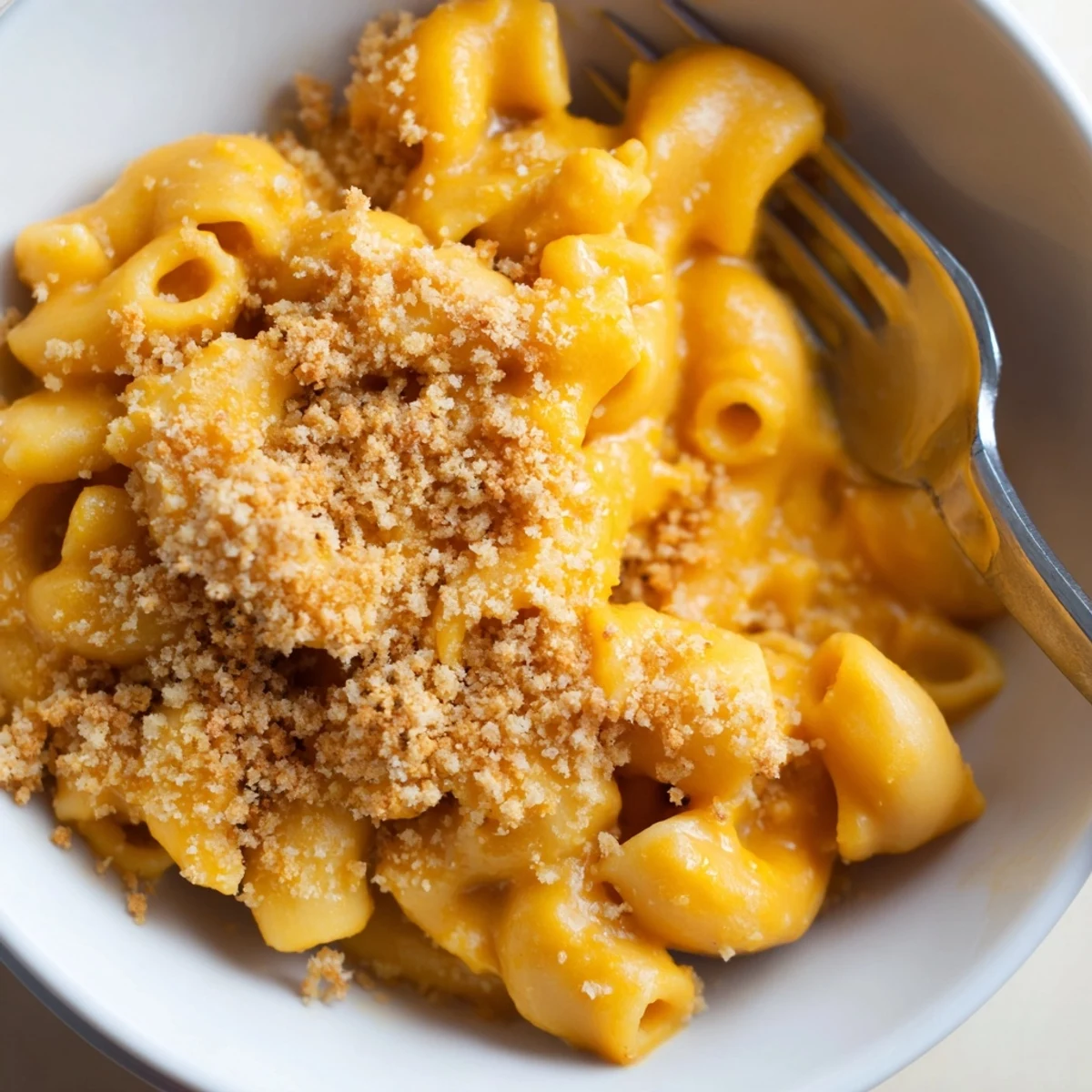
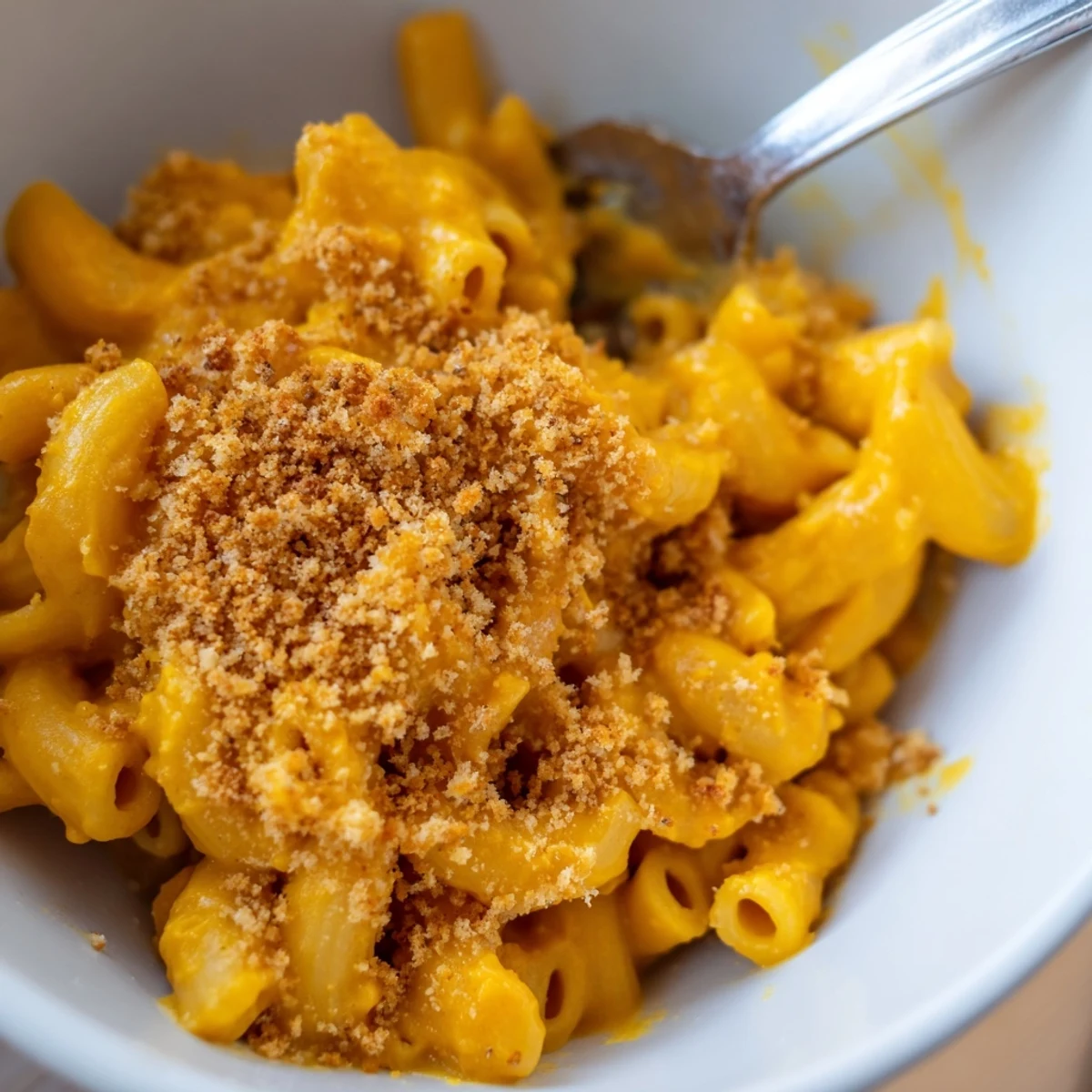
- If you want a crispy topping, mix breadcrumbs with 1 tablespoon of olive oil, spread it over the mac and cheese in an oven-safe dish, and broil for 2 to 3 minutes until golden and crunchy. Watch it carefully so it doesn't burn.
- Serve:
- Divide into bowls while it's hot, add fresh herbs if you have them, and enjoy that creamy, golden comfort on a plate.
 Save to Pinterest
 There was a moment when my friend, who grew up eating traditional mac and cheese, took a bite and told me this tasted like comfort itself—just in a different form. That's when I realized this dish wasn't about replacing something; it was about creating something entirely its own.
Making It Your Own
The beauty of this recipe is how flexible it is once you understand the base. I've added steamed broccoli on nights when I wanted greens, thrown in some wilted spinach when I had it on hand, and even stirred in a handful of peas for color and sweetness. The sauce stays just as creamy and forgiving, and suddenly you've got a more complete meal without any extra fuss. Once you master the butternut squash sauce itself, you can play with it endlessly.
What to Serve Alongside
A crisp green salad with lemon vinaigrette cuts through the richness beautifully and adds freshness to your plate. If you want something warm, roasted vegetables like Brussels sprouts or asparagus work wonderfully alongside the creamy pasta. For wine lovers, a dry white wine or even a light rosé pairs surprisingly well with the earthiness of the squash and the umami from the nutritional yeast.
Storage and Leftovers
This mac and cheese keeps beautifully in the refrigerator for up to four days in an airtight container, and reheats gently in a pot over low heat with a splash of plant milk if needed. You can also freeze it before adding the breadcrumb topping, which is handy for nights when you want dinner ready but didn't plan ahead. The first bite from day two is honestly just as good as the first night, sometimes even better as the flavors settle together.
- Reheat gently on the stovetop rather than the microwave to keep the sauce smooth and creamy.
- If you're freezing it, leave out the breadcrumb topping and add it fresh before broiling on another night.
- Stored pasta will thicken as it cools, so add a splash of plant milk when reheating to loosen it back to the right consistency.
 Save to Pinterest
 This dish has taught me that comfort food doesn't need to be complicated or traditional—it just needs to make you feel cared for. Every time I make it, I remember why it's become such a staple in my kitchen.
Recipe FAQs
- → How do I roast the butternut squash properly?
-
Cut squash into evenly sized cubes, toss with olive oil, and roast at 400°F (200°C) for 25–30 minutes until tender and caramelized.
- → Can I use gluten-free pasta in this dish?
-
Yes, gluten-free pasta works well and maintains the dish’s texture and flavor.
- → What creates the creamy texture without dairy?
-
Blending roasted squash with plant milk, nutritional yeast, and olive oil produces a smooth, creamy sauce.
- → Is there a way to add a crunchy topping?
-
Combine breadcrumbs with olive oil and broil over the baked dish for 2–3 minutes until golden and crisp.
- → Can I substitute butternut squash with another vegetable?
-
Yes, pumpkin or sweet potato can be used for a similar creamy consistency and flavor.