 Save to Pinterest
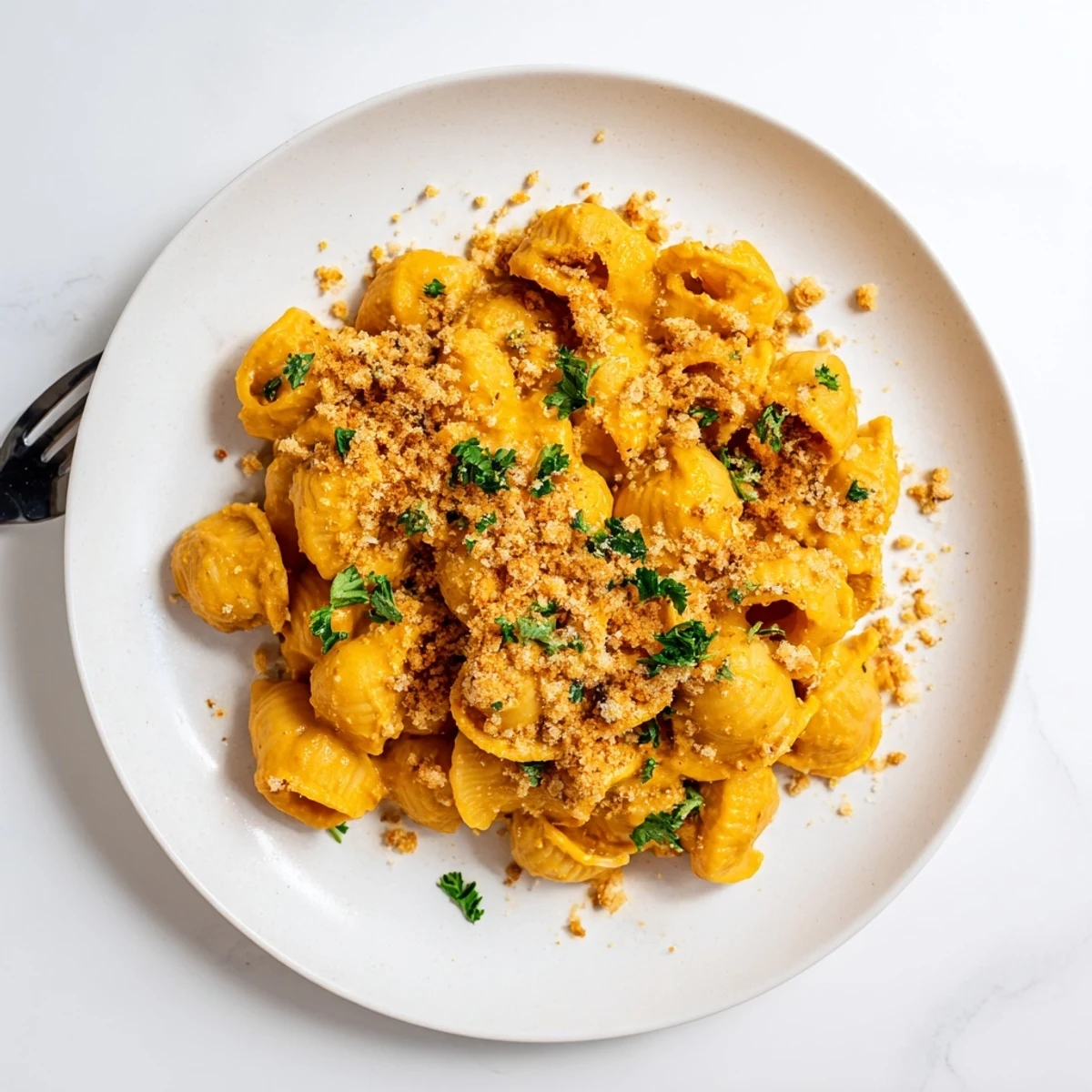
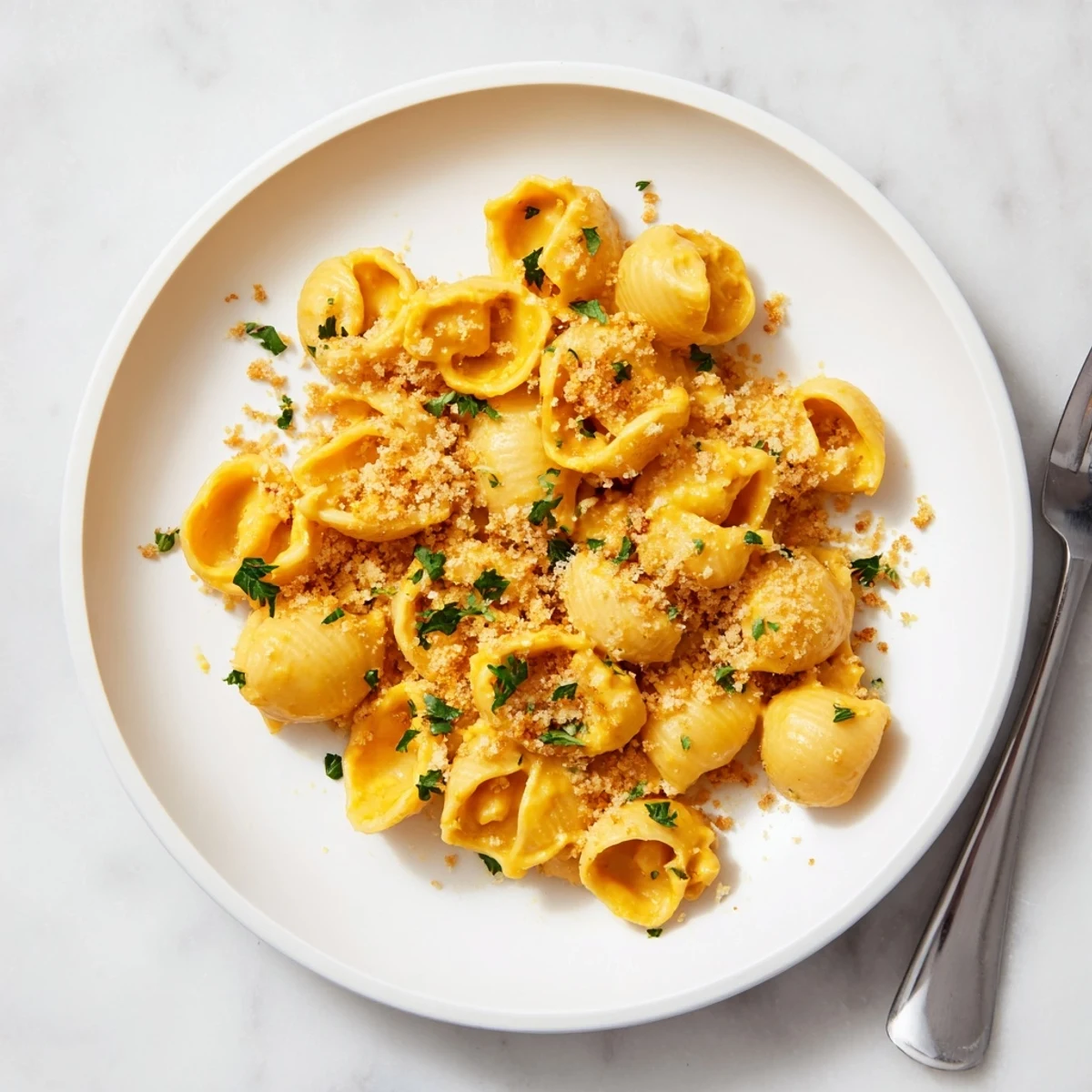
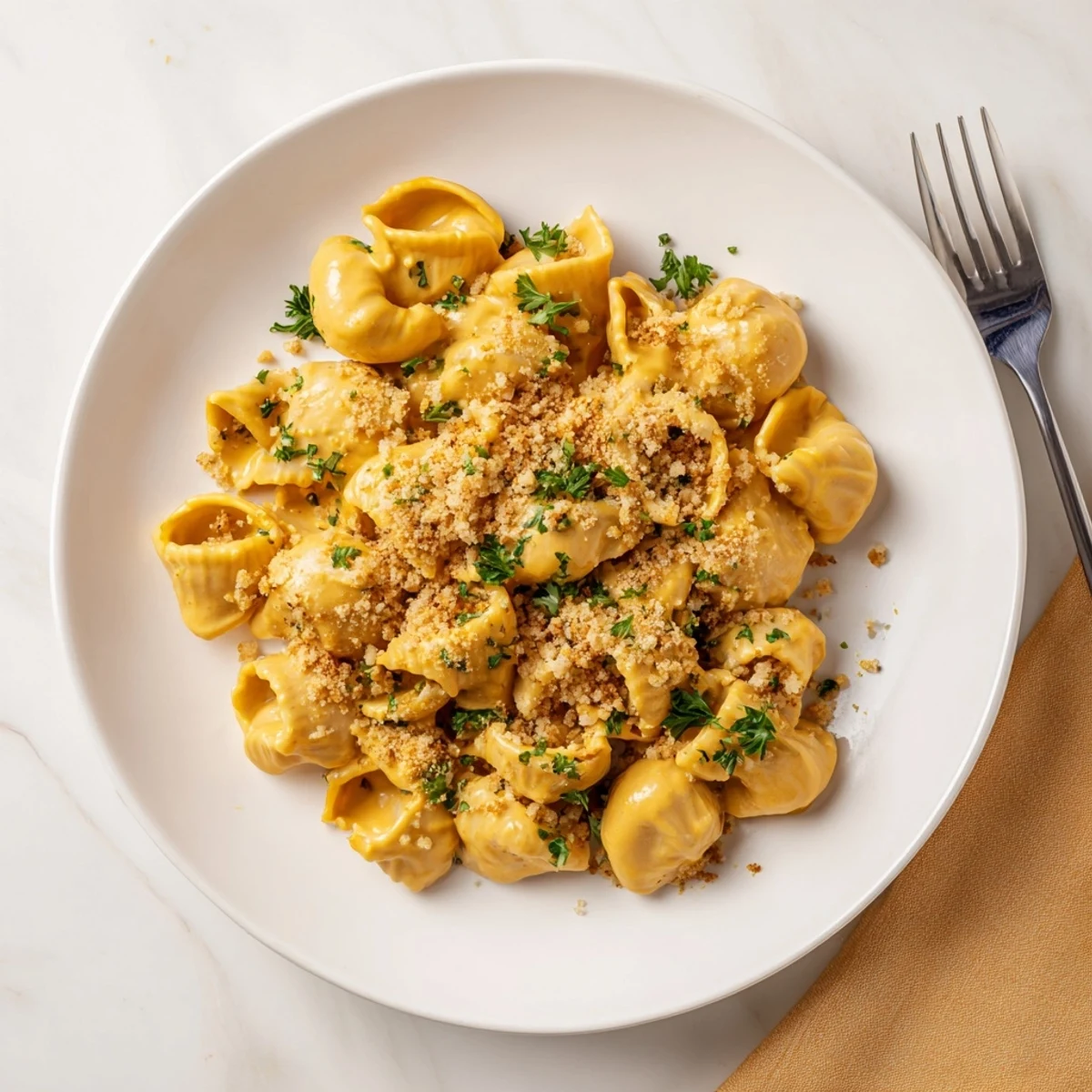
 This vegan mac and cheese features a velvety sauce made from roasted butternut squash blended with soaked cashews, creating the same creamy texture as traditional versions without any dairy. The natural sweetness of roasted squash pairs beautifully with nutritional yeast and savory spices, resulting in a comforting dish that even non-vegans will love. Ready in just one hour, this plant-based main delivers all the nostalgic satisfaction of classic mac and cheese while being completely dairy-free.
My sister rolled her eyes when I first mentioned squash in mac and cheese, but after one bite she was asking for the recipe. We were snowed in that weekend, and this dish turned a gray day into something golden and comforting. Now it is the one recipe my friends actually request for dinner parties, vegan or not.
I made this for my very skeptical uncle who swore he would never enjoy vegan cheese sauce. He went back for thirds and finally admitted he might have been wrong about plant-based cooking. Sometimes the best conversions happen quietly over a steaming bowl of pasta.
Ingredients
- 350 g (12 oz) elbow macaroni or short pasta: Short shapes catch the sauce better than long noodles, and gluten-free options work beautifully here too
- 1 medium butternut squash (about 900 g / 2 lbs), peeled, seeded, and cubed: Fresh squash gives the best flavor, though frozen cubes can work in a pinch
- 1 tbsp olive oil: Helps the squash caramelize and develop those deep roasted notes
- 1 tsp salt and 1/2 tsp black pepper: Season the squash generously now because the sauce will rely on that depth
- 100 g (2/3 cup) raw cashews, soaked: Soaking is crucial for that ultra-smooth creaminess, and 15 minutes in hot water does the trick
- 250 ml (1 cup) unsweetened plant-based milk: Oat milk adds natural sweetness, but soy works just as well
- 2 tbsp nutritional yeast: This is what gives the sauce its cheesy, savory depth
- 1 tbsp lemon juice: Brightens everything and cuts through the richness
- 2 tsp Dijon mustard: Adds a subtle sharpness that mimics aged cheese
- 1/2 tsp garlic powder and 1/2 tsp onion powder: Build layers of savory flavor without fresh cloves
- 1/4 tsp ground turmeric: Optional but gives that golden yellow color we associate with cheese sauce
- 2 tbsp panko breadcrumbs + 1 tbsp olive oil: Toasted topping makes everything feel special and restaurant-worthy
Instructions
- Roast the squash:
- Preheat your oven to 200°C (400°F) and line a baking tray with parchment paper. Toss the cubed squash with olive oil, salt, and pepper until evenly coated, then spread it out so the pieces have room to breathe. Roast for 25-30 minutes until tender and those edges are turning golden brown and caramelized.
- Soak the cashews:
- While the squash roasts, pour hot water over your cashews and let them soak for 15 minutes. Drain them well before blending.
- Cook the pasta:
- Boil a large pot of salted water and cook the pasta until just al dente. Drain and set aside.
- Blend the sauce:
- Add the roasted squash, soaked cashews, plant-based milk, nutritional yeast, lemon juice, Dijon mustard, garlic powder, onion powder, and turmeric to your blender. Blend until completely smooth, scraping down the sides as needed.
- Combine and serve:
- Pour the sauce over the pasta and stir gently over low heat until everything is warmed through. Top with toasted panko breadcrumbs and fresh parsley if you want that extra crunch.
 Save to Pinterest
 This recipe has become my go-to for new parents and anyone needing a meal that feels like a hug. There is something about that combination of sweet roasted squash and creamy sauce that hits differently on hard days.
Making It Your Own
I have found that adding a pinch of smoked paprika or a dash of hot sauce transforms this into something completely new while keeping the soul of the dish intact. Sweet potato can replace half the squash for a slightly different sweetness profile.
Perfect Pairings
A crisp green salad with an acidic vinaigrette cuts right through the richness. Roasted broccoli or garlicky green beans also work beautifully if you want something warm on the side.
Make Ahead Wisdom
The sauce keeps beautifully in the refrigerator for up to five days, and it actually develops more flavor overnight. Pasta tends to absorb sauce, so store them separately and reheat with a splash of plant milk.
- Double the sauce and freeze half for future lazy dinners
- Reheat gently over low heat, stirring often to prevent separation
- Leftovers make an excellent lunch cold, straight from the container
 Save to Pinterest
 Hope this brings as much comfort to your kitchen as it has to mine.
Recipe FAQs
- → Can I make this butternut squash mac and cheese gluten-free?
-
Yes, simply use gluten-free pasta and gluten-free breadcrumbs or omit the topping entirely. The sauce itself is naturally gluten-free, making this dish easily adaptable for those with gluten sensitivities.
- → How long does the cashew need to soak?
-
Soak raw cashews in hot water for at least 15 minutes to soften them. This ensures they blend into a completely smooth, creamy sauce without any grainy texture. If you have time, soaking for longer (up to 1 hour) works well too.
- → Can I substitute the cashews for a nut-free version?
-
For a nut-free option, try using sunflower seeds soaked and blended the same way, or use coconut cream from a can. The texture will be slightly different but still creamy and delicious.
- → How should I store leftovers?
-
Store cooled leftovers in an airtight container in the refrigerator for up to 4 days. The sauce may thicken when chilled—simply add a splash of plant milk when reheating to restore creaminess.
- → Can I freeze this butternut squash mac and cheese?
-
Yes, freeze in portion-sized containers for up to 3 months. Thaw overnight in the refrigerator before reheating. Note that the texture may be slightly creamier if reheated on the stovetop with a little extra liquid.