
 Save to Pinterest
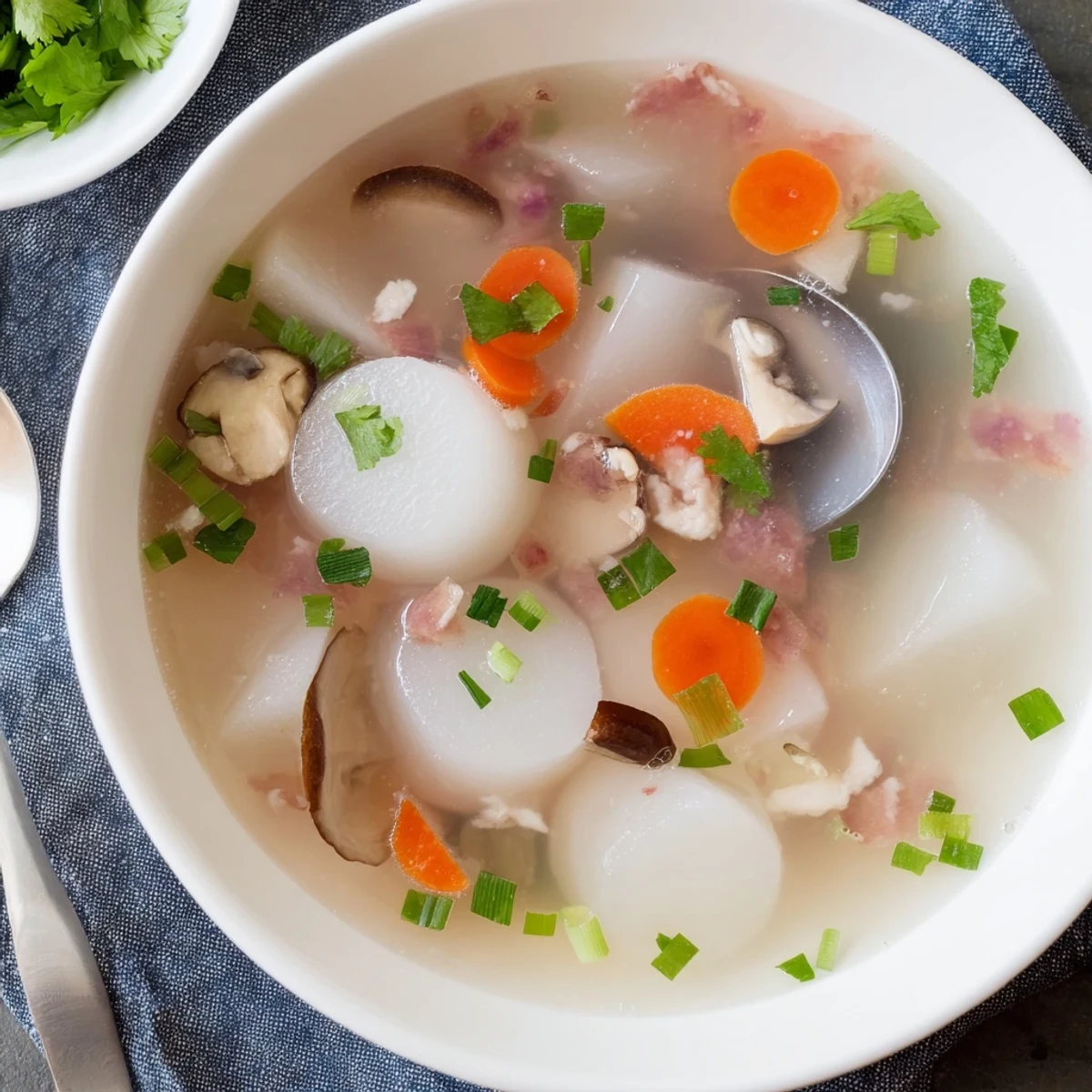
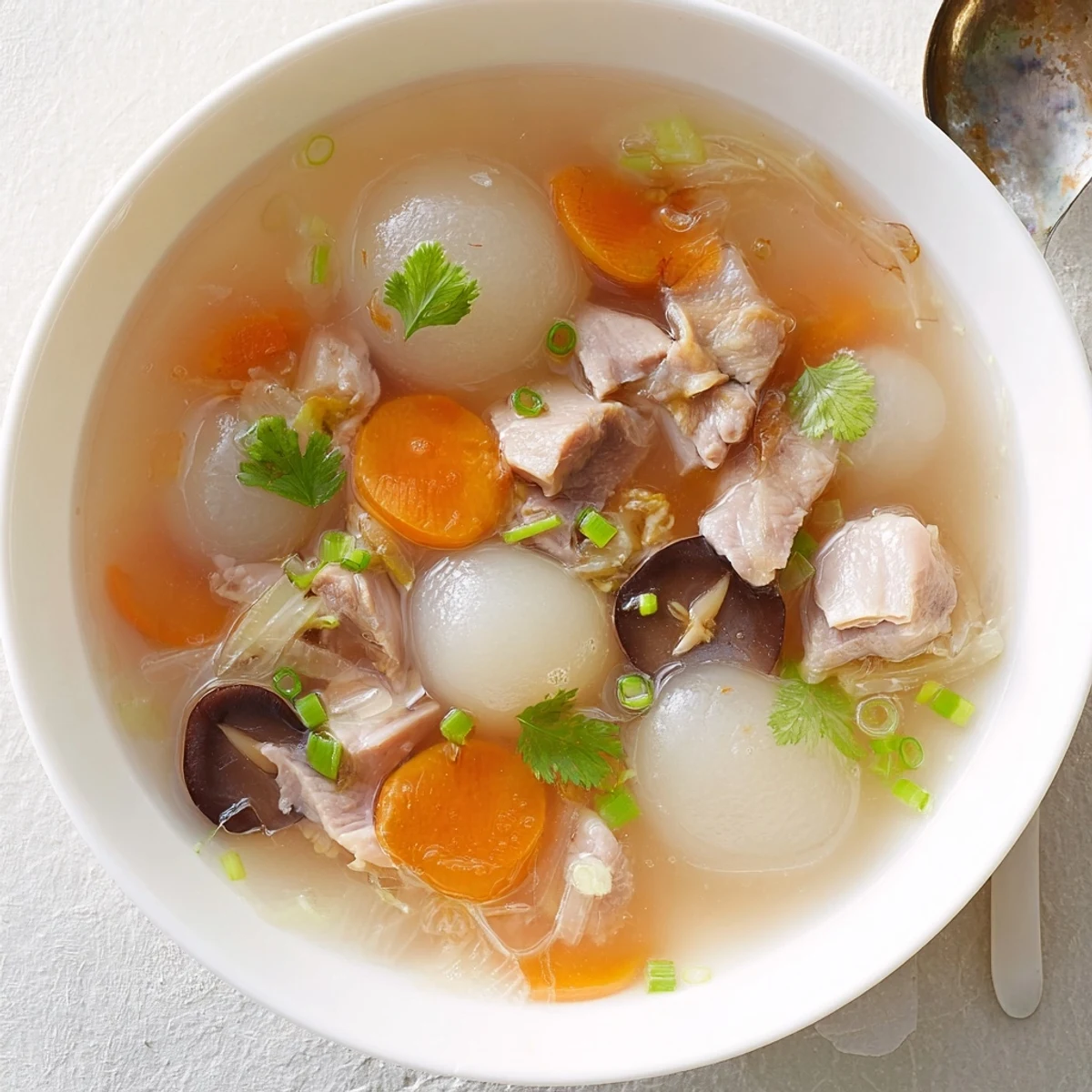
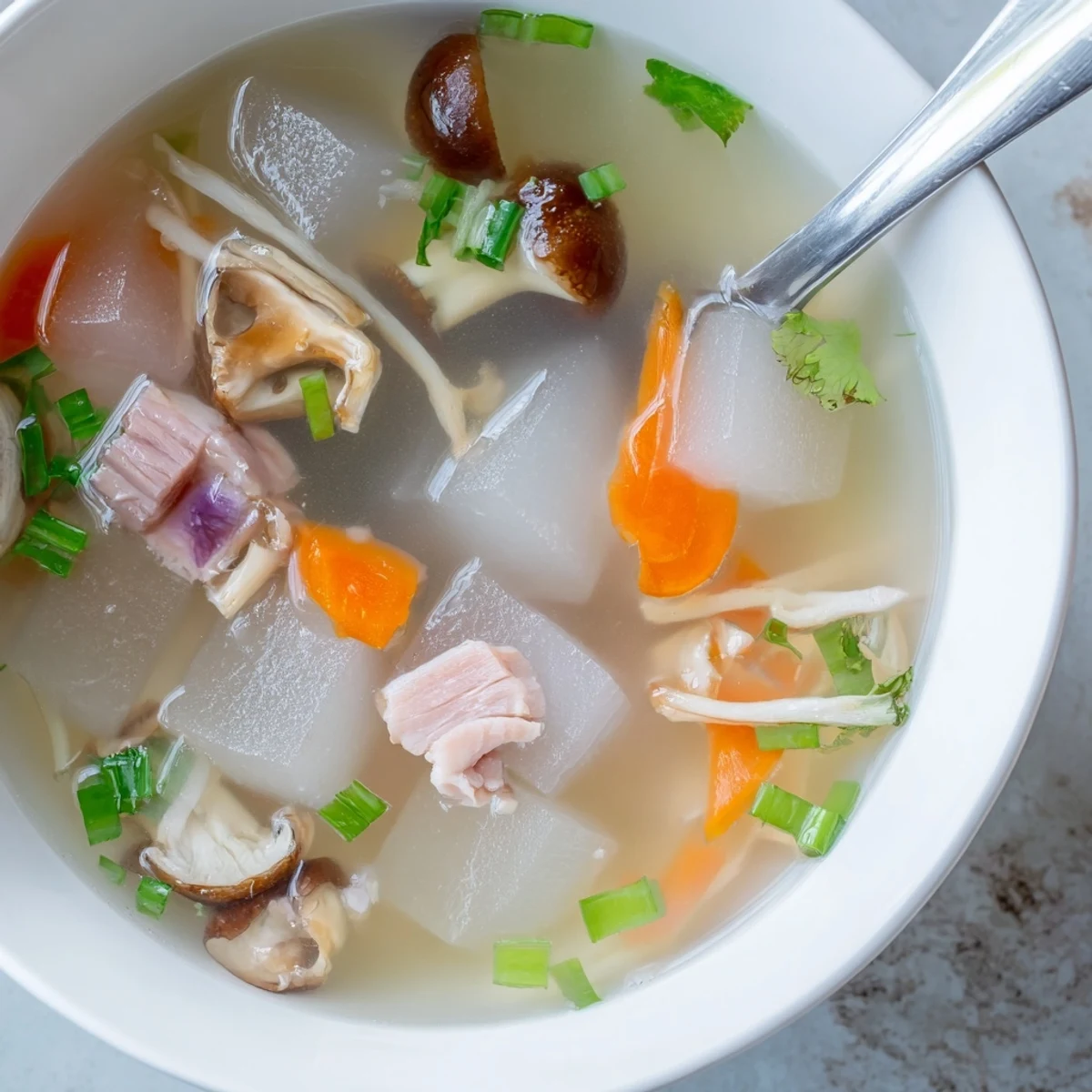
 This warming Chinese dish features tender cubes of winter melon simmered with fresh shiitake mushrooms, lean pork, and crisp vegetables in a flavorful, light broth. The process starts by blanching thinly sliced meat, then cooking the melon until translucent. Seasonings like soy sauce, sesame oil, and white pepper add depth, while optional egg white creates delicate strands for texture. Finished with fresh spring greens and coriander, it’s a nourishing option suitable for gluten-free diets and adaptable for vegetarians.
I discovered winter melon soup during a particularly cold winter visit to my grandmother's kitchen in Guangzhou. She moved with such ease around her small stove, pulling vegetables from the market that morning, her hands knowing exactly how to peel and cube the winter melon into perfect little squares. That soup—pale, delicate, steaming in bowls that warmed our hands—became the taste of those quiet mornings when the world outside was grey and we were tucked safely inside together. Now, whenever I make it, I'm transported back to that kitchen, to her gentle voice explaining how the broth should be clear as jade, how patience with the melon matters more than rushing.
I remember making this soup for my partner during their first winter with me, wanting to show them the kind of comfort food that had shaped my childhood. I watched their face soften with that first spoonful, and they asked for the recipe immediately. Now it's what they request when they're not feeling well, or when the weather turns cold and we both need something honest and warm.
Ingredients
- Winter melon (500 g, peeled, seeded, cut into 2 cm cubes): This is the soul of the soup—its delicate, subtle flavor lets the broth shine through. Look for melon that feels heavy for its size and has unblemished skin. The cubes should be uniform so they cook evenly and turn that beautiful translucent jade color.
- Shiitake mushrooms (2 fresh or rehydrated, sliced): These add an earthy depth that makes the broth taste like it's been simmering for hours. If using dried, rehydrate them in warm water first and save that soaking liquid to add to your broth for even more flavor.
- Spring onions (2, sliced with white and green parts separated): The white parts cook down into the broth, while the greens stay fresh and bright as garnish. This separation is key to getting both flavor and visual beauty.
- Carrot (1 small, peeled and sliced into thin rounds): Cut thin so it softens perfectly alongside the melon, adding subtle sweetness and a hint of color.
- Lean pork or chicken breast (120 g, thinly sliced): Blanching it first keeps the broth crystal clear and the meat tender. I learned this trick the hard way after making cloudy soup more times than I'd like to admit.
- Egg white (1, optional, lightly beaten): Creates those silken, delicate strands that make the soup feel almost luxurious. The trick is drizzling it slowly while stirring—it's like creating edible clouds.
- Low-sodium chicken or vegetable broth (1.2 L): Use the best broth you can find or make your own. This is where the soup's soul lives, so it deserves your attention.
- Light soy sauce (1 tbsp, gluten-free if needed): Adds that savory depth without overpowering the delicate vegetables. I use less than traditional recipes because the broth should remain pale and clear.
- Sesame oil (1 tsp): Just a drizzle, but it brings warmth and a hint of nuttiness that somehow makes everything taste more like home.
- White pepper (1/2 tsp): Milder and more refined than black pepper, it adds heat without bitterness. Freshly ground makes all the difference.
- Salt to taste: Add gradually at the end—you'll find you need less than you expect if your broth is well-seasoned.
- Fresh coriander (optional): A handful of fresh leaves at the end brings brightness and a subtle herbaceous note that feels almost medicinal in the best way.
Instructions
- Prepare your ingredients with intention:
- Before anything else, have everything cut and ready. There's something meditative about this—the careful peeling of the winter melon, the slicing of mushrooms. When you're ready to cook, everything moves quickly and calmly.
- Blanch the protein:
- Bring a pot of water to a rolling boil and slip in your sliced pork or chicken. You're just barely cooking it here, maybe 30 seconds—it should still look a little raw. The residual heat will finish it later. Fish it out with a slotted spoon and set it aside on a clean plate. This step keeps your broth pristine and clear.
- Build your broth foundation:
- Pour your broth into your soup pot and bring it to a boil over medium-high heat. Take a moment to breathe in that aroma—the promise of what's coming.
- Add the sturdy vegetables:
- Now add the winter melon cubes, carrot slices, mushrooms, and the white parts of the spring onion. Reduce heat to medium and let everything simmer together for about 15 minutes. Watch as the winter melon transforms from opaque white to translucent—that's your signal it's nearly ready. This is when the kitchen fills with the most comforting fragrance.
- Return the protein and finish the broth:
- Add your blanched meat back to the pot and let everything bubble together gently for another 5 to 7 minutes, just until the meat is cooked through. Now taste and adjust: soy sauce first, then sesame oil, white pepper, and finally salt. Go slowly—you can always add more, but you can't take it back.
- Create silken strands (if using egg white):
- If you're using the egg white, this is the moment of gentle magic. Keep the soup at a gentle simmer, not a rolling boil. Slowly drizzle the beaten egg white into the broth while stirring constantly in one direction. As it hits the heat, it will bloom into delicate, silken strands. It takes about 30 seconds. This step feels like you're weaving something beautiful.
- Serve with reverence:
- Ladle the soup into bowls, making sure each one gets a generous portion of the tender vegetables and broth. Top with the fresh green parts of the spring onion and coriander if using. Serve immediately while it's still steaming hot.
 Save to Pinterest
 There's a quiet power in this soup that I've come to understand over the years. It's the kind of dish that appears not at celebration dinners, but in those moments when someone needs gentleness more than fanfare. I've made it for friends recovering from surgery, for my father when grief was sitting heavy in his chest, for myself on mornings when the world felt too loud. This soup doesn't perform or show off—it simply shows up, warm and clear and true.
The Alchemy of Clear Broths
I've learned that clear broth is less about luck and more about understanding what clouds it. The blanching step removes impurities from the meat, but so does never letting your broth come to a harsh, rolling boil. Keep it at a gentle simmer—just bubbles breaking the surface occasionally—and you'll maintain that clarity. This is true for any soup, really. Aggression clouds things. Gentleness clarifies.
Variations That Honor the Original
This recipe is forgiving in beautiful ways. Leave out the meat entirely and use vegetable broth for a version that feels even lighter and more pure. Add dried shrimp or scallops if you want deeper, more complex flavor—just rehydrate them first and add them with the mushrooms. Some people swear by adding a small piece of ginger or a few red dates for subtle sweetness. I've even made it with daikon radish instead of carrot when that's what I had. The framework stays the same; you're just ringing different bells.
Serving and Storage Wisdom
This soup is best served immediately while it's hot and the vegetables still hold their gentle texture. That said, it keeps beautifully in the refrigerator for up to three days, and the flavor actually deepens slightly as it sits. Reheat gently over low heat, and add a splash of broth if it's thickened. Don't refrigerate the green onions and coriander in the pot itself—add them fresh each time you serve. If you're making this ahead for someone, these fresh garnishes matter because they're the promise of care.
- Store in a glass container with a loose lid, letting steam escape so condensation doesn't make the soup cloudy
- If freezing, leave out the egg strands and add them fresh when you reheat
- Serve alongside steamed rice, or simply on its own if you want the soup to be the whole story
 Save to Pinterest
 Winter melon soup is a lesson in subtlety—in how the simplest ingredients, treated with respect and attention, become something nourishing and true. Make it when you want to remember what it feels like to be cared for.
Recipe FAQs
- → What type of melon is best for this soup?
-
Fresh winter melon peeled and cut into cubes is ideal for its mild flavor and tender texture when cooked.
- → Can I substitute the meat in this dish?
-
Lean pork or chicken breast offers the best texture, but a vegetarian version can be made by omitting meat and using vegetable broth.
- → How do I achieve the delicate egg strands?
-
Slowly drizzle lightly beaten egg white into hot broth while stirring gently to form fine, silken strands.
- → What seasoning enhances the soup's flavor?
-
Light soy sauce, sesame oil, white pepper, and salt combine to highlight the soup’s gentle, savory profile.
- → What side dishes pair well with this broth?
-
Steamed rice or light vegetable sides complement the broth and balance the meal.