
 Save to Pinterest
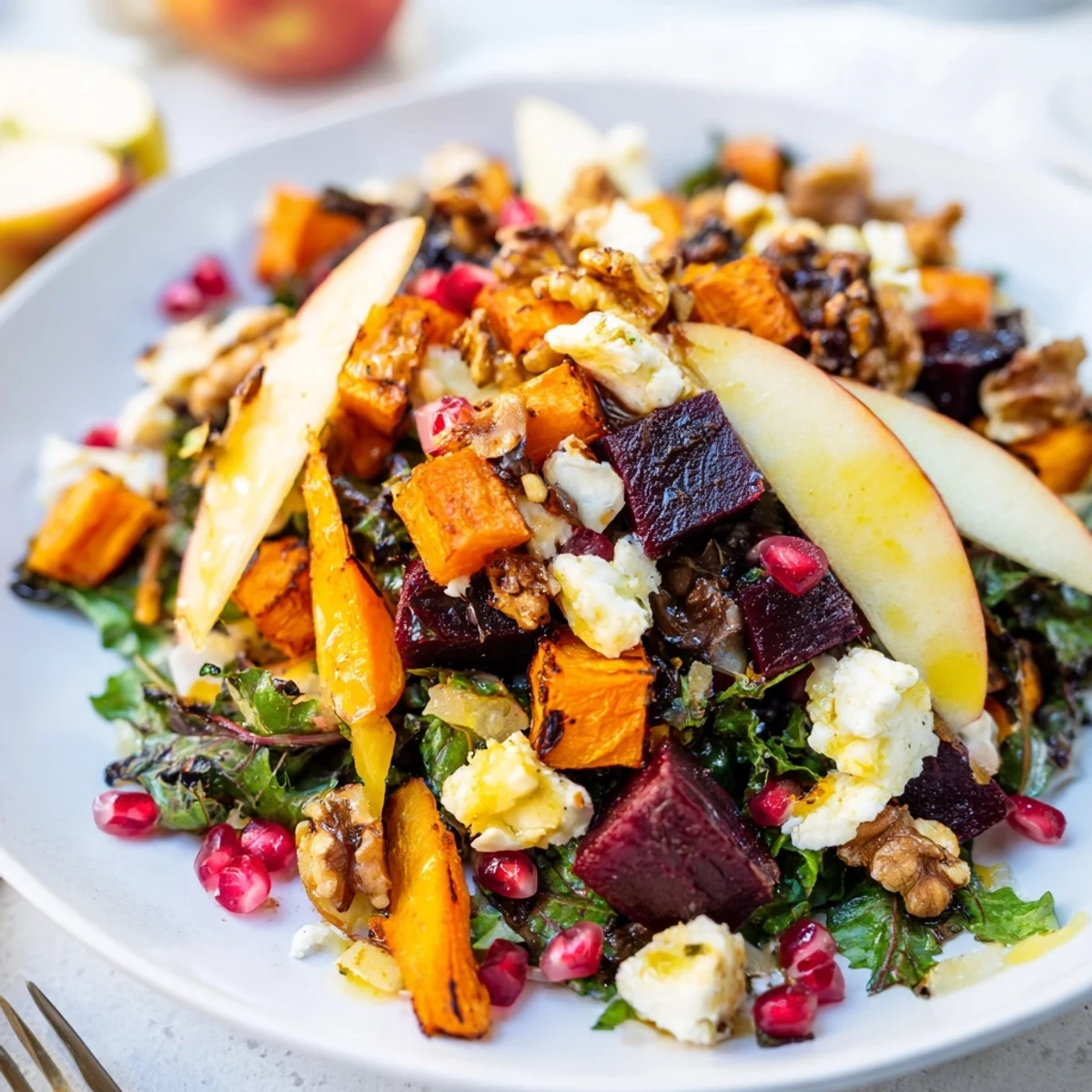
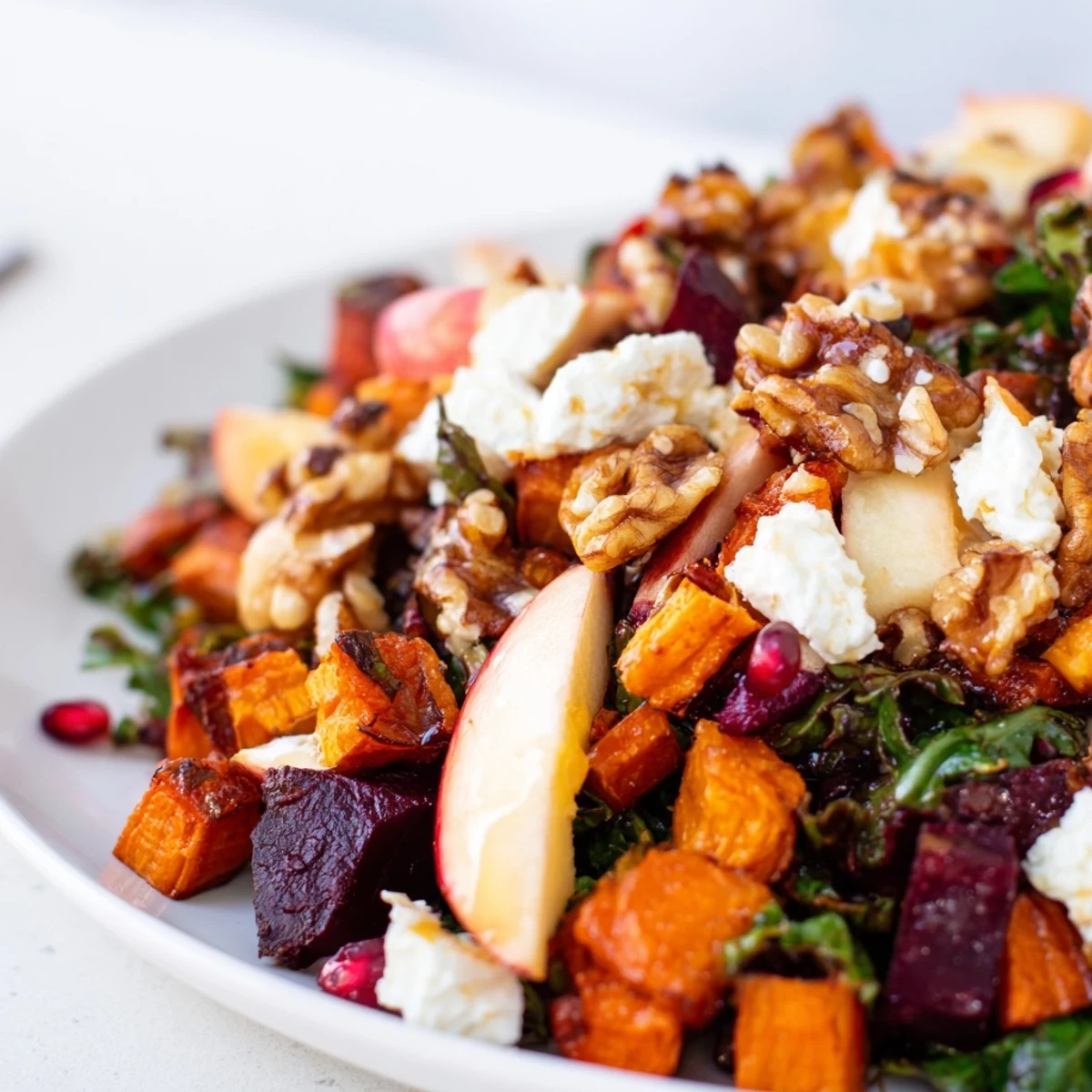
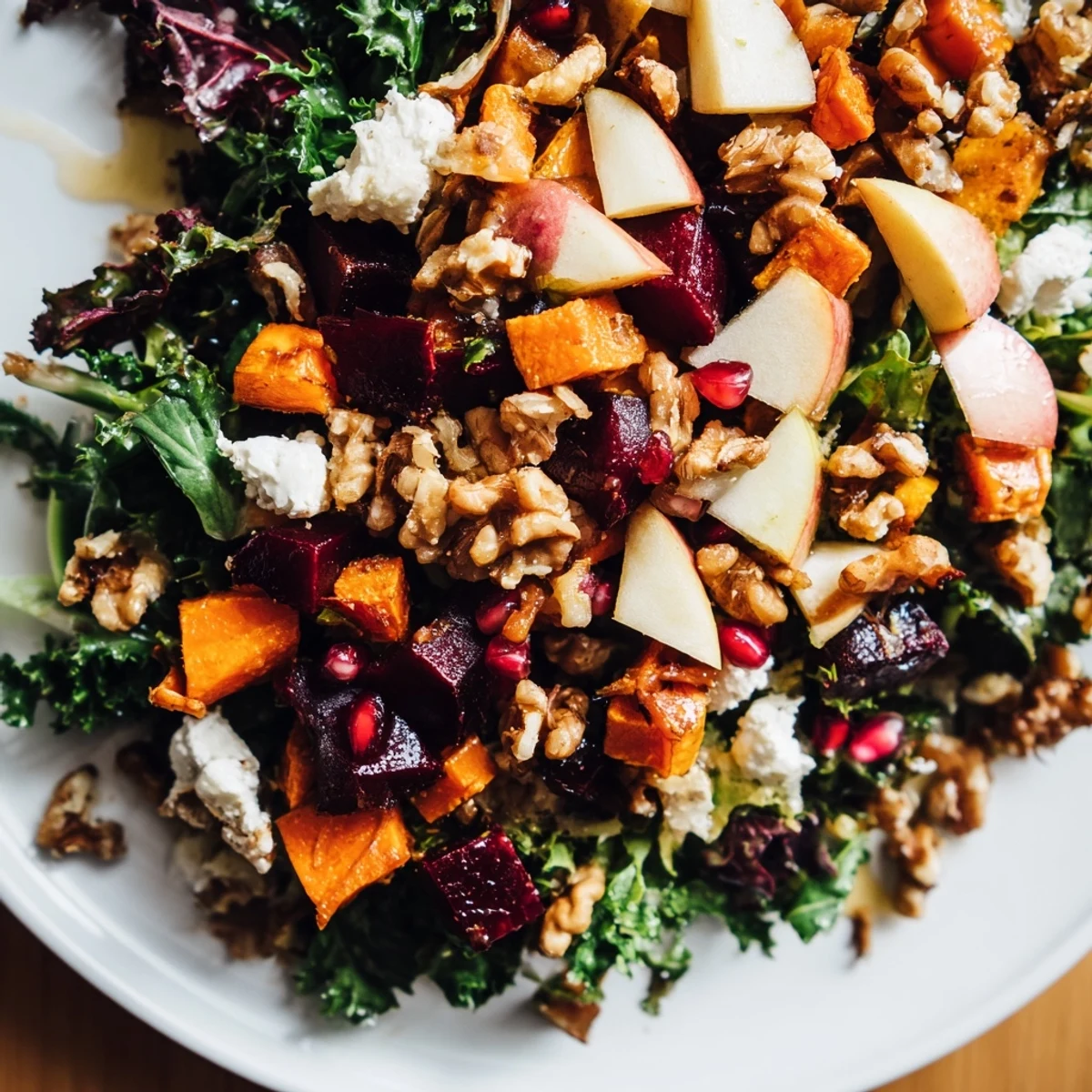
 This winter salad combines baby kale, arugula, and radicchio with roasted carrots, sweet potatoes, and beetroot. Toasted walnuts, goat cheese, and apple slices add texture and flavor depth. A zesty citrus dressing with orange juice, cider vinegar, honey, and Dijon mustard brightens the mix, creating a fresh yet hearty dish perfect for chilly days. Preparation includes roasting root vegetables for caramelized sweetness and tossing all ingredients just before serving.
Last November, I was standing in the kitchen on a grey afternoon when my neighbor stopped by with a handful of pomegranate seeds she'd just halved. We started chopping whatever winter vegetables were in the crisper drawer, and by the time she left, I'd created this salad—one that somehow made the whole kitchen smell like citrus and possibility. It became the dish I'd make whenever I needed to remind myself that winter food doesn't have to feel heavy.
I've made this for dinner parties where people came in complaining about the cold, and somehow a bowl of this salad changed the whole mood of the evening. There's something about the brightness of it—the jewel tones, the tang of the dressing—that just works magic on a dark night.
Ingredients
- Baby kale: The tender, younger leaves work better here than lacinato because they don't need as much chewing and stay delicate even when dressed.
- Arugula: This is what gives the salad its peppery backbone and keeps it from tasting too sweet with all the roasted vegetables.
- Radicchio: The bitterness is key—don't skip it just because it tastes sharp on its own, it transforms when mixed with everything else.
- Carrots, sweet potato, and beetroot: Cut them all to roughly the same size so they roast evenly and finish at the same time.
- Olive oil for roasting: This is not the time to use your fancy extra-virgin; a regular olive oil prevents the vegetables from getting too fruity-tasting.
- Walnuts: Toast them yourself if you can—it takes two minutes in a dry pan and makes them taste like actual nuts instead of cardboard.
- Goat cheese: The creamy tang cuts through everything beautifully, but crumble it loosely so it doesn't clump up.
- Apple: A crisp variety like Granny Smith or Honeycrisp works best; slice it just before serving so it doesn't oxidize and turn brown.
- Pomegranate seeds: These are the garnish that makes people think you spent all day cooking, when really they just add color and a little burst of tartness.
- Extra-virgin olive oil for dressing: Here's where the good stuff goes—this is what you taste directly.
- Orange juice and apple cider vinegar: The orange brings warmth while the vinegar keeps everything from tasting too sweet.
- Dijon mustard and honey: These two together create an emulsion that holds the dressing together and adds depth.
Instructions
- Get your oven ready and prep your vegetables:
- Heat the oven to 200°C and line your baking tray with parchment paper. The parchment stops things from sticking and makes cleanup infinitely easier—trust me on this. While it's heating, peel and dice your carrots, sweet potato, and beetroot into roughly half-inch pieces so they cook evenly.
- Toss and roast:
- Toss your diced vegetables with 2 tablespoons of olive oil, salt, and pepper, then spread them out on the tray in a single layer. Roast for 20 to 25 minutes, turning things around halfway through—you want them tender with the edges just starting to caramelize, which is when the real magic happens flavor-wise.
- Build your salad base:
- While the vegetables roast, combine your baby kale, arugula, and radicchio in your largest bowl. The green leaves are sturdy enough to hold up to dressing without getting slimy.
- Compose the salad:
- Once the roasted vegetables have cooled just slightly, add them to the greens along with the apple slices, toasted walnuts, crumbled goat cheese, and pomegranate seeds. This is the moment where it goes from ingredients to something beautiful—pause and look at it.
- Make your dressing:
- In a small bowl, whisk together the extra-virgin olive oil, fresh orange juice, apple cider vinegar, Dijon mustard, and honey. Whisk until it looks creamy and emulsified, which usually takes about a minute of steady whisking.
- Finish and serve:
- Drizzle the dressing over your salad just before serving and toss gently so you don't crush anything. The timing here matters—dressing it too early makes the greens wilt, but dressing it at the last second means every bite has flavor.
 Save to Pinterest
 One time I made this salad for my partner on a day when nothing else seemed right, and watching them take that first bite and smile made me realize that food is sometimes just a way of saying 'I was thinking about you.' This salad has that ability.
Why Winter Greens Matter
Winter greens like kale and radicchio are at their peak sweetness during the cold months because the plant converts starches to sugars to protect itself from frost. This means that in January and February, these leaves taste better than they do in summer—they're more tender and flavorful. Using what's actually in season right now makes the salad taste like winter itself, but in a good way.
The Secret of Roasted Root Vegetables
Roasting transforms root vegetables from something heavy and dense into something almost sweet and caramelized. The key is not crowding the pan—if your vegetables are piled on top of each other, they steam instead of roast, and you lose that beautiful browning. I learned this the hard way by making a sad, soggy version before figuring out that giving them space is everything. Spread them in a single layer, turn them once, and let the oven do the work.
Making Dressings That Actually Stay Emulsified
The reason this dressing doesn't separate after sitting is because the mustard and honey act as emulsifiers, holding the oil and vinegar together like a tiny edible orchestra. You can make this dressing hours ahead and it will stay silky and combined. If you ever make a vinaigrette and it breaks, now you know why—you need something to bind it together, and mustard is always the answer. A dressing that separates isn't wrong, it's just not as elegant.
- Whisk the dressing in a small bowl until it looks creamy and thick, not thin and oily.
- If you're doubling the recipe, the proportions stay the same, just multiply everything equally.
- Taste the dressing before you pour it on—you might want a little more salt or a touch more honey depending on your oranges and vinegar.
 Save to Pinterest
 This salad is proof that winter food doesn't have to taste like comfort in the heavy, sleepy way. It can be bright and alive and somehow still warm your whole body. Make it whenever you need that reminder.
Recipe FAQs
- → Can I make this salad vegan?
-
Yes, omit the goat cheese or use a plant-based alternative to keep it vegan-friendly.
- → What can I substitute for walnuts?
-
Pecans or pumpkin seeds work well as crunchy alternatives in this salad.
- → How should the root vegetables be prepared?
-
Peel and dice carrots, sweet potato, and beetroot, then roast them tossed with olive oil, salt, and pepper until tender and lightly caramelized.
- → Is this salad gluten-free?
-
Yes, all ingredients are naturally gluten-free, making this salad suitable for gluten-free diets.
- → What dressing flavors complement this salad?
-
The citrus dressing with orange juice, apple cider vinegar, honey, and Dijon mustard adds a tangy brightness that balances the roasted vegetables and greens.