
 Save to Pinterest
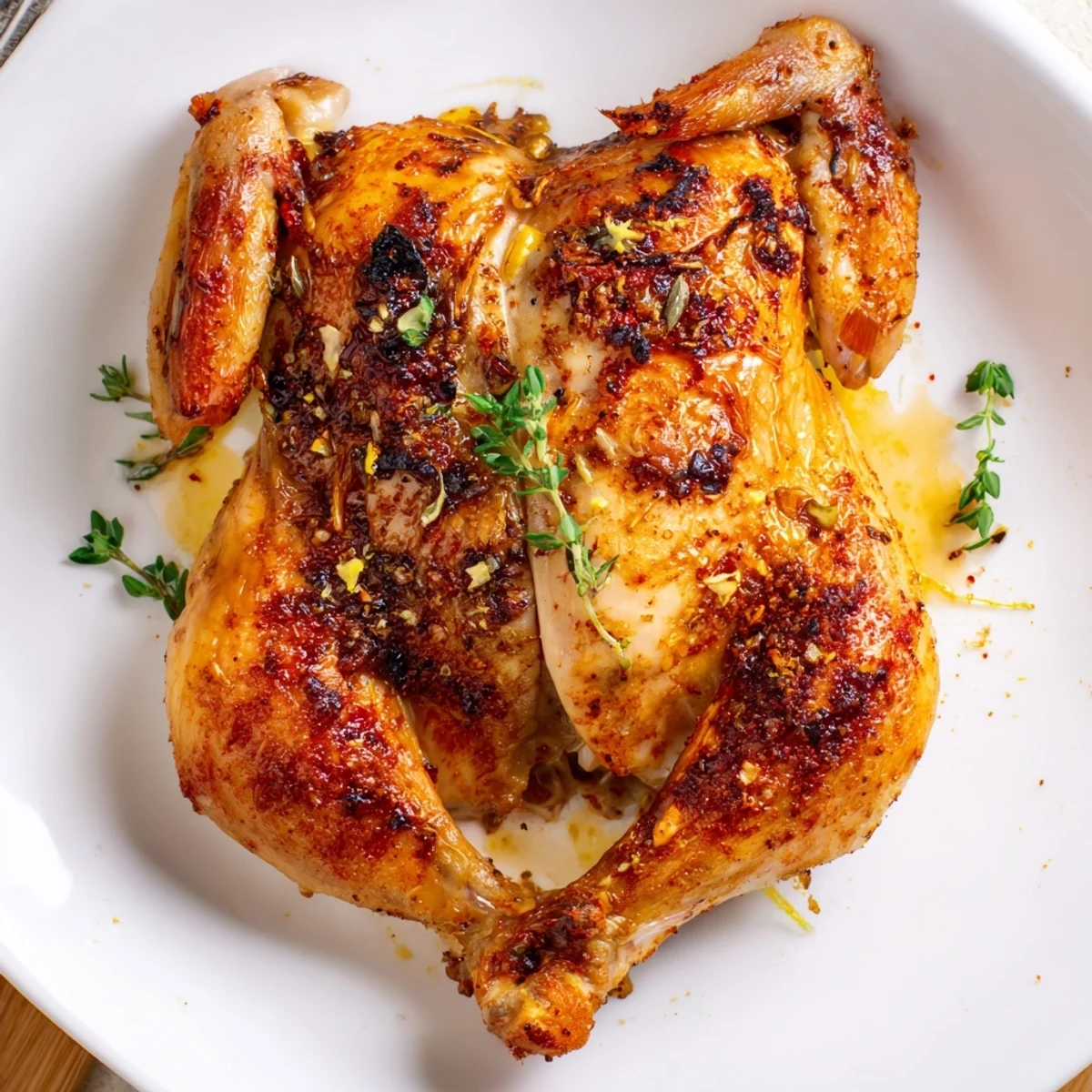
 This buttermilk-roasted chicken is marinated in tangy buttermilk, garlic, lemon and spices for at least 8 hours to tenderize and impart flavor. Spatchcock or cut into pieces, drain excess, then roast at 425°F (220°C) on a rack until skin is deep golden and the thickest part reaches 165°F (74°C), about 45–60 minutes. Rest 10 minutes before carving and garnish with fresh herbs.
The smell of buttermilk and paprika hitting a hot oven is the kind of thing that makes neighbors knock on your door and ask what you are making. I stumbled onto this method during a muggy July weekend when the only thing in my fridge was a whole chicken and half a carton of buttermilk leftover from pancakes. That happy accident turned into the most requested dinner in my house, and honestly I have never looked back. The acid in buttermilk works overnight magic on chicken, breaking down fibers so every bite turns out impossibly tender.
My friend David stood in my kitchen one Sunday, fork in hand, and said he would trade his grandmother's brisket recipe for this chicken. I told him the secret was patience, not skill, and he laughed but made me write it down on a napkin before he left.
Ingredients
- 1 whole chicken (about 3.5 to 4 lbs): Spatchcocking or cutting into pieces helps the marinade penetrate every crevice and ensures even cooking throughout.
- 2 cups buttermilk: This is the star, providing tang and tenderness through gentle acid action that never toughens the meat.
- 2 tbsp olive oil (marinade): Helps carry fat soluble flavors from the spices deep into the skin and flesh.
- 4 garlic cloves, minced: Fresh garlic matters here because the long marinating time mellows it into something sweet and savory.
- 1 tbsp kosher salt: Essential for seasoning throughout, not just on the surface.
- 2 tsp black pepper: Adds a subtle warmth that rounds out the tang of the buttermilk.
- 1 tbsp paprika (sweet or smoked): This is what gives the skin that gorgeous sunset color and a gentle smoky depth.
- 2 tsp dried thyme: An earthy herb that pairs naturally with both chicken and the lactic tang of buttermilk.
- Zest and juice of 1 lemon: Brightens the whole marinade and cuts through the richness of the dark meat.
- 1 tbsp olive oil (for brushing): A final brush before roasting guarantees that skin crisps up beautifully.
- Fresh herbs for garnish (optional): A scattering of parsley or thyme at the end makes it look as good as it tastes.
Instructions
- Build the marinade:
- Whisk buttermilk, olive oil, garlic, salt, pepper, paprika, thyme, lemon zest, and lemon juice in a large bowl until everything is blended and fragrant. Take a moment to smell it because that tangy, spiced aroma is your promise of what is coming.
- Soak the chicken:
- Submerge the chicken completely in the marinade inside a large zip top bag or non reactive container, seal it tight, and tuck it into the fridge for at least eight hours or preferably overnight. Flip the bag once halfway through if you think of it so every part gets equal attention.
- Prep for roasting:
- Pull the chicken from the marinade, let the excess drip off, and discard whatever is left in the bag. Set it on a rack over a rimmed baking sheet, pat lightly with paper towels, and brush with olive oil to encourage browning.
- Roast to perfection:
- Slide the pan into a 425 degree Fahrenheit oven and roast for 45 to 60 minutes until the skin is deep golden and a thermometer reads 165 degrees Fahrenheit at the thickest part. You will hear it sizzling and popping and that sound is exactly what you want.
- Rest and serve:
- Let the chicken rest for 10 minutes before carving so the juices redistribute instead of running out onto the board. Garnish with fresh herbs if you like and serve it warm while the skin is still shatteringly crisp.
 Save to Pinterest
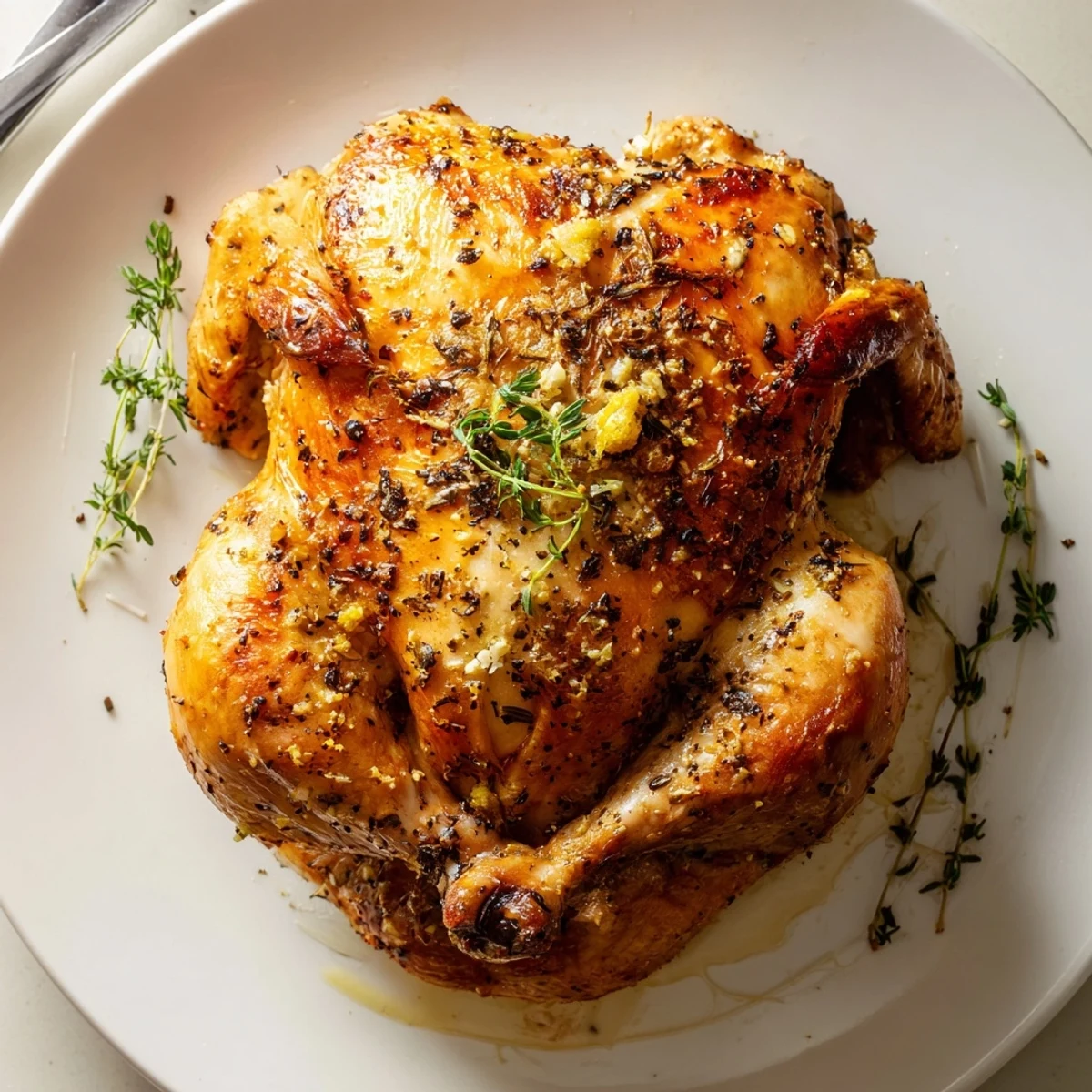
 There is something about pulling a golden bird from the oven and setting it in the middle of a table full of people that makes everyone go quiet for just a moment. That silence is the highest compliment a home cook can receive.
What to Serve Alongside It
Roasted root vegetables tossed in olive oil and salt belong on the same plate as this chicken because they catch the drippings and turn into something extraordinary. A simple arugula salad with lemon vinaigrette cuts through the richness beautifully. If you want to lean into comfort, creamy mashed potatoes or a loaf of crusty bread for soaking up juices will never steer you wrong.
Handling Leftovers
Shred any leftover chicken and tuck it into sandwiches with a smear of mayonnaise and some crisp lettuce the next day. The meat stays incredibly moist even cold from the fridge, which makes it ideal for quick lunches. You can also fold it into a soup or toss it with pasta for a dinner that comes together in fifteen minutes flat.
Getting the Skin Right Every Time
The number one question I get is how to make sure the skin crisps instead of turning soggy, and the answer is really about moisture control. A light pat with paper towels and that final brush of olive oil make all the difference between perfect crackling and disappointment.
- Make sure your oven is fully preheated before the chicken goes in because a cold start steams the skin instead of roasting it.
- Use a wire rack so hot air circulates underneath rather than letting the bottom poach in its own juices.
- Check the temperature at the thickest part of the thigh because the breast cooks faster and can mislead you into pulling it too early.
 Save to Pinterest
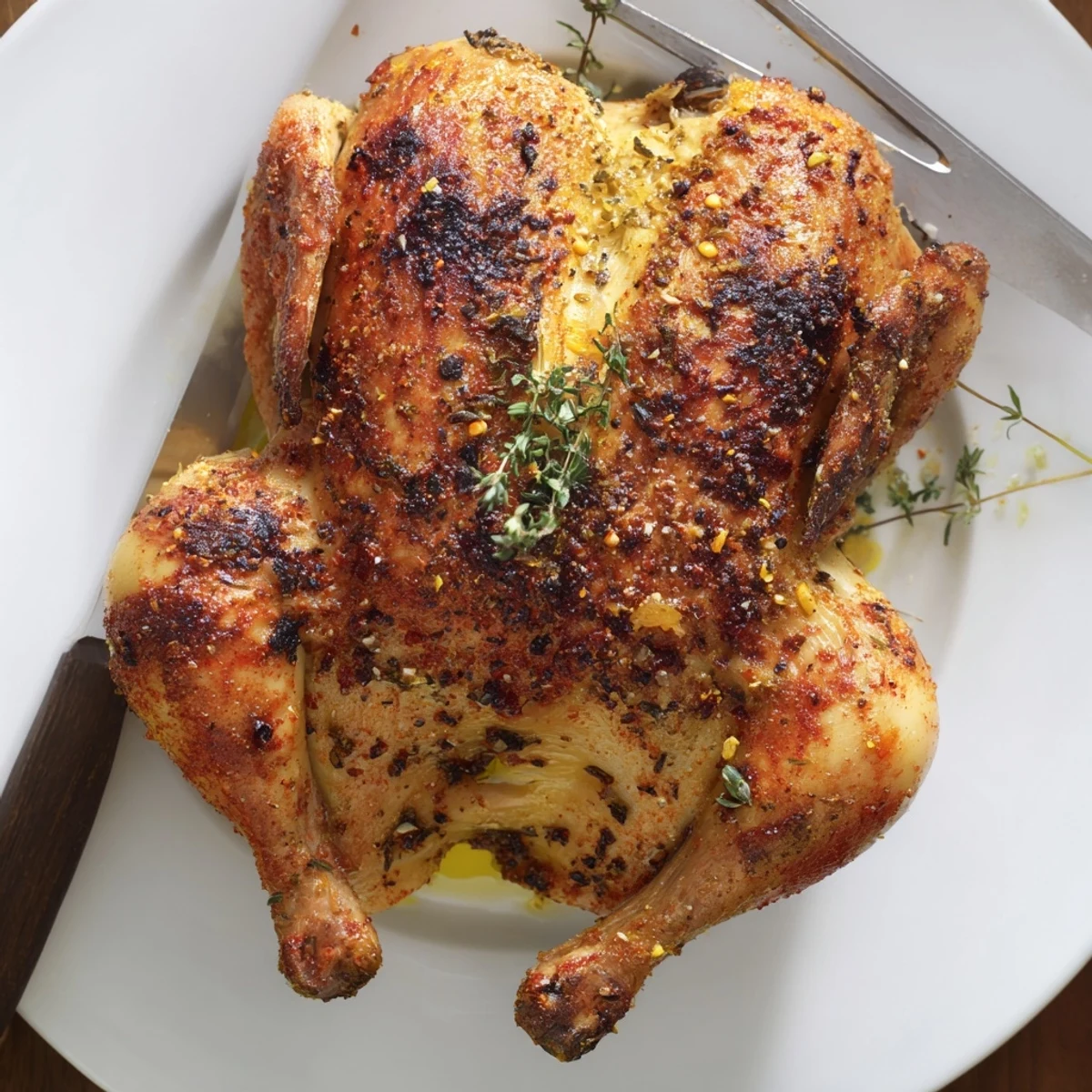
 This is the kind of recipe that earns a permanent spot in your rotation because it works hard while you rest. Share it with someone who thinks they cannot cook and watch their confidence bloom.
Recipe FAQs
- → How long should I marinate the poultry?
-
Marinate at least 8 hours or overnight for best tenderness and flavor penetration. Avoid much longer than 24 hours to prevent texture breakdown from the acid in the buttermilk.
- → Should I spatchcock or roast in pieces?
-
Spatchcocking yields more even cooking and crisper skin since the bird lays flat; cutting into pieces shortens cook time and can be easier to fit on a pan. Both work—use a rack for airflow either way.
- → How do I get extra-crispy skin?
-
Pat the skin dry before roasting, brush lightly with oil, and roast at high heat (425°F/220°C). Use a rack to allow air circulation, avoid overcrowding, and let the bird rest before carving so the skin stays crisp.
- → What's a good buttermilk substitute?
-
Mix 2 cups milk with 2 tablespoons lemon juice or white vinegar and let sit 5 minutes to slightly curdle. Thinned yogurt or kefir can also provide similar tenderness and tang.
- → How do I check for doneness?
-
Use a thermometer in the thickest part of the thigh or breast; it should read 165°F (74°C). Juices should run clear and allow a 10-minute rest for carryover heat and juicier meat.
- → Can I vary the seasonings?
-
Yes—add chili flakes for heat, swap thyme for rosemary, or use smoked paprika for depth. Rubbing some marinade under the skin boosts flavor closer to the meat.
- → How should leftovers be stored and used?
-
Cool within two hours and refrigerate in an airtight container for 3–4 days. Reheat gently to avoid drying, or shred for salads, sandwiches, or grain bowls.