
 Save to Pinterest
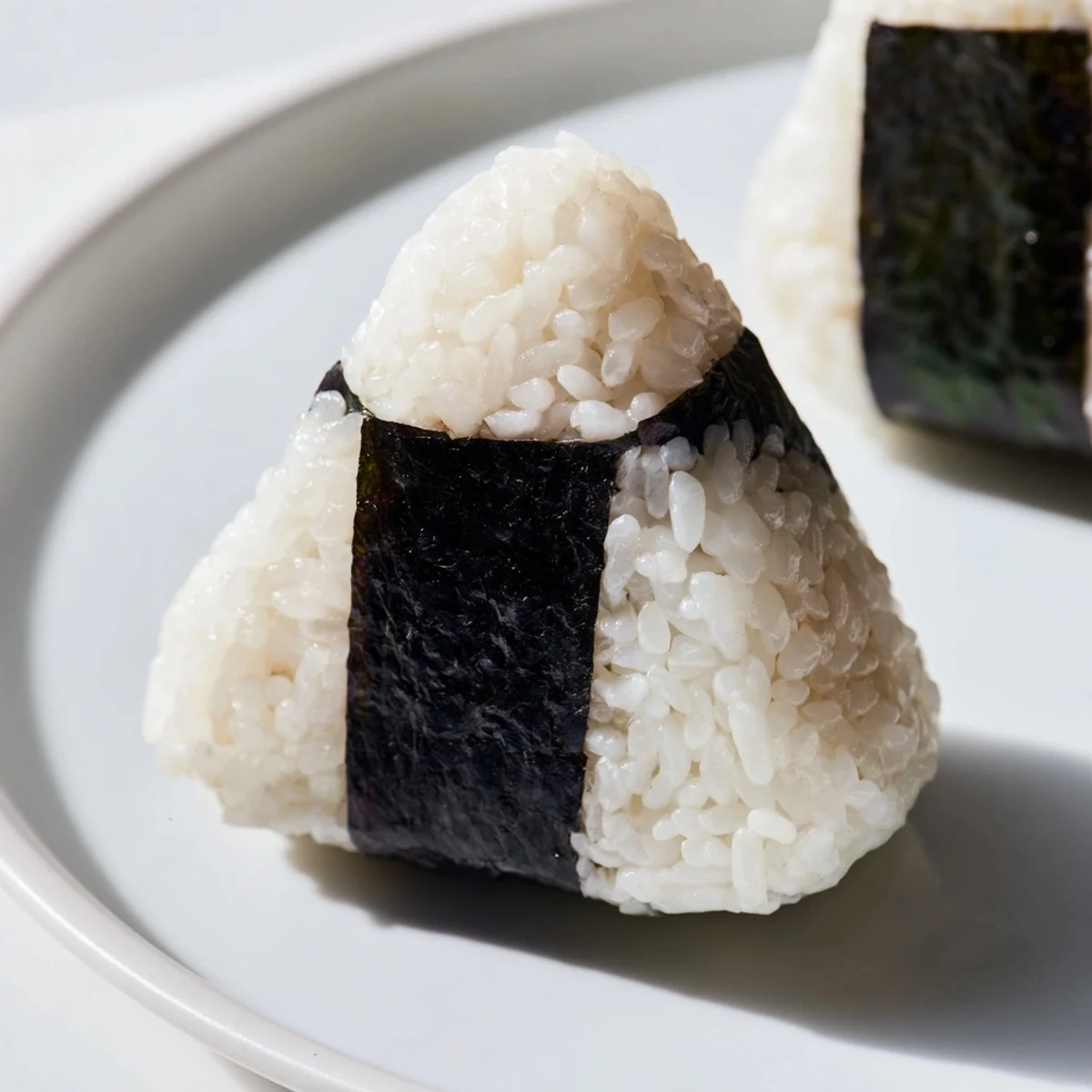
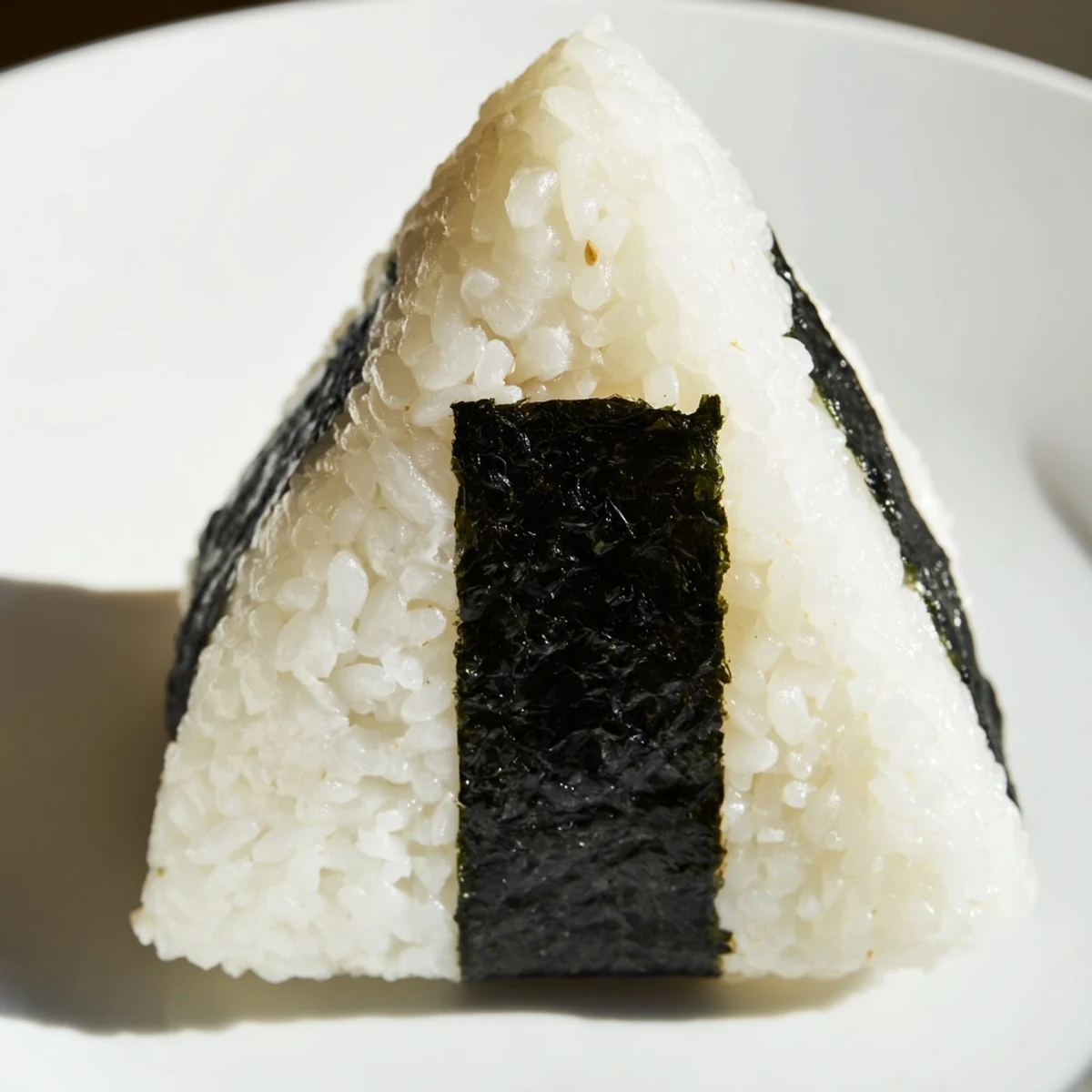
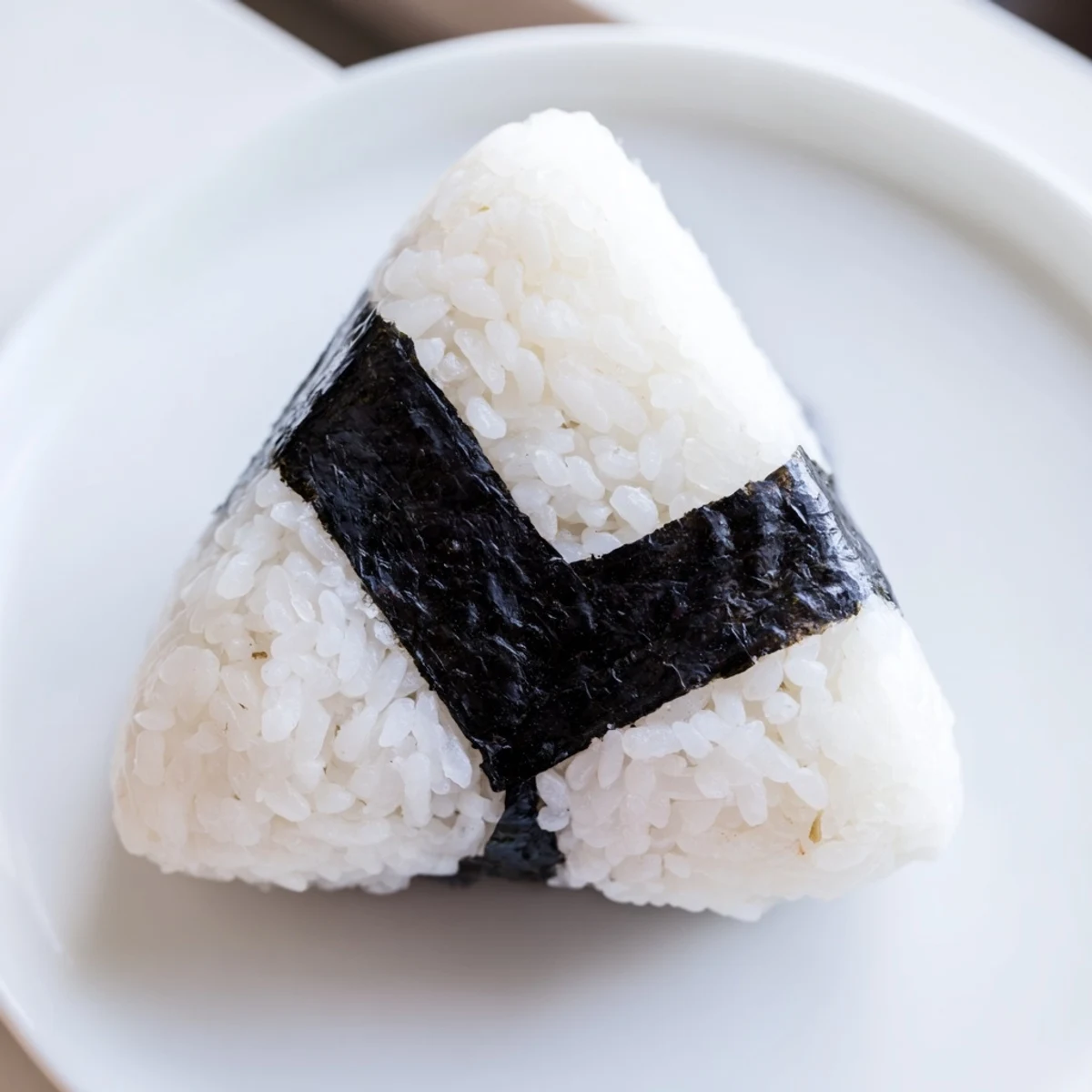
 These traditional Japanese rice balls feature a savory tuna mayonnaise center wrapped in perfectly seasoned short-grain rice. The combination of canned tuna mixed with creamy Japanese mayo, soy sauce, and black pepper creates a rich, umami-packed filling that pairs beautifully with the tender rice. Ideal for meal prep, school lunches, or portable snacking, these handheld treats stay fresh for hours and come together in under 40 minutes. The key is working with warm rice and salted hands to achieve the perfect shape and texture.
The convenience store around the corner from my old apartment in Tokyo had a rotating shelf of onigiri, and I grabbed one every single morning without fail. The tuna mayo version was always the first to sell out, which should tell you everything. There is something about that creamy, savory filling tucked inside warm, seasoned rice that makes you forget you are eating something so simple. I started making them at home out of sheer desperation after moving away.
My roommate walked in while I was standing at the counter with wet, salty hands shaping my third lopsided triangle and asked if I was okay. I was more than okay. I was having the kind of quiet kitchen victory that only happens when you recreate a craving from scratch.
Ingredients
- Japanese short grain rice: This is non negotiable because long grain rice will crumble and refuse to hold together no matter how much you plead with it.
- Tuna in water, drained well: Squeeze the can lid down firmly to remove every last drop of liquid so your filling stays thick rather than soupy.
- Japanese mayonnaise like Kewpie: The egg yolks and rice vinegar in Kewpie create a richer, tangier emulsion that regular mayo simply cannot match.
- Soy sauce: Just a teaspoon deepens the savory character of the tuna without overpowering it.
- Salt for your palms: This seasons the outside of the rice and stops it from becoming a sticky mess on your fingers.
- Nori sheets cut into strips: Wrap these on right before eating if possible so they stay crisp against the rice.
Instructions
- Wash the rice patiently:
- Rinse the rice under cold water, swirling gently with your hand, until the water runs almost clear. This usually takes four or five changes of water and removes excess starch that would make the rice gummy.
- Cook and rest the rice:
- Cook with two and a half cups of water in a rice cooker or on the stove, then let it sit covered for ten minutes so the grains firm up slightly and become easier to shape.
- Mix the filling:
- Drain the tuna thoroughly, then mash it together with mayonnaise, soy sauce, and a pinch of black pepper until it is creamy and holds together in a soft mound.
- Prep your hands:
- Wet both hands with water and rub a thin layer of salt across your palms. The water creates a barrier and the salt gently seasons the outside of each rice ball.
- Shape and stuff:
- Press about half a cup of warm rice into a disc in your palm, spoon a generous mound of filling into the center, and fold the rice over it, cupping your hands to form a triangle or oval shape.
- Wrap with nori:
- Press a strip of nori around the base or middle of each onigiri, pressing lightly so it adheres to the rice. Serve immediately or wrap tightly for later.
 Save to Pinterest
 Packing these into a bento box for a hiking trip made me realize that some foods carry more than flavor. They carry the memory of a city I loved and the rhythm of mornings I thought I had left behind.
Getting the Rice Right Every Time
The biggest mistake I made early on was rushing the rinse. Cloudy water means excess starch, and excess starch means rice that turns into paste instead of distinct, chewy grains. Take the extra two minutes to rinse properly and you will taste the difference immediately.
Making Them Your Own
Chopped scallions folded into the tuna mayo add a fresh bite that cuts through the richness beautifully. A tiny drizzle of sesame oil over the filling before you seal the rice transforms the whole thing into something that feels almost luxurious for a snack.
Storing and Serving
Onigiri are best eaten the day they are made, but if you must store them, wrap each one tightly in plastic wrap and refrigerate for no more than twenty four hours. Let them come closer to room temperature before eating so the rice softens again.
- Keep the nori separate until the last possible moment if you are packing them for lunch.
- A damp kitchen towel over the shaped onigiri prevents them from drying out while you finish the batch.
- Wet your hands again between every second or third onigiri to keep the rice from sticking.
 Save to Pinterest
 There is a kind of magic in folding something so comforting into the palm of your hand. These little rice balls remind me that the best food does not need to be complicated to be worth remembering.
Recipe FAQs
- → What type of rice works best for onigiri?
-
Japanese short-grain rice is essential because its sticky texture helps the balls hold their shape. Long-grain varieties won't bind properly and may fall apart during assembly.
- → Can I make these ahead of time?
-
Yes, onigiri keeps well for 24 hours when wrapped tightly in plastic wrap. For best texture, enjoy the same day or bring to room temperature before serving if refrigerated.
- → What's the difference between Japanese and regular mayonnaise?
-
Japanese mayonnaise like Kewpie is made with egg yolks and rice vinegar, creating a richer, creamier, and slightly sweeter flavor profile that enhances the tuna filling beautifully.
- → How do I prevent the rice from sticking to my hands?
-
Wet your hands with water and rub a small amount of salt onto your palms before shaping each onigiri. The moisture creates a barrier while seasoning the rice exterior.
- → Can I use tuna packed in oil instead of water?
-
You can, but drain thoroughly and reduce the mayonnaise slightly to balance the extra fat content. The flavor will be richer, though the texture may differ slightly.
- → What other fillings work well in onigiri?
-
Popular alternatives include salmon flakes, pickled plum (umeboshi), cooked seasoned ground meat, tarako (cod roe), or grilled vegetables. The technique remains the same.