
 Save to Pinterest
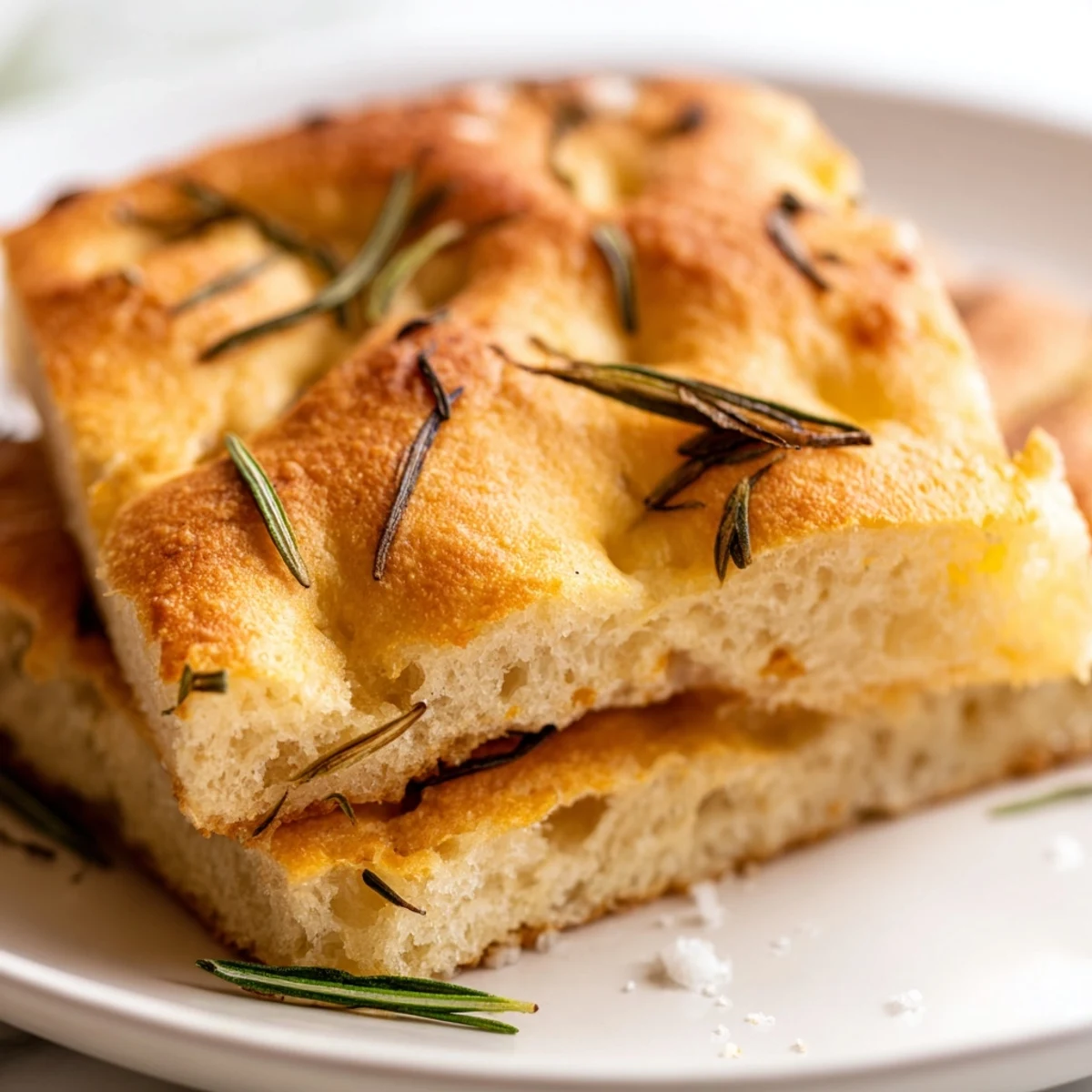
 Create an authentic Italian focaccia that delivers the perfect contrast of textures—golden and crisp on the outside, irresistibly soft and airy within. This traditional flatbread gets its distinctive character from generous extra virgin olive oil, aromatic rosemary, and flaky sea salt pressed into the dimpled surface.
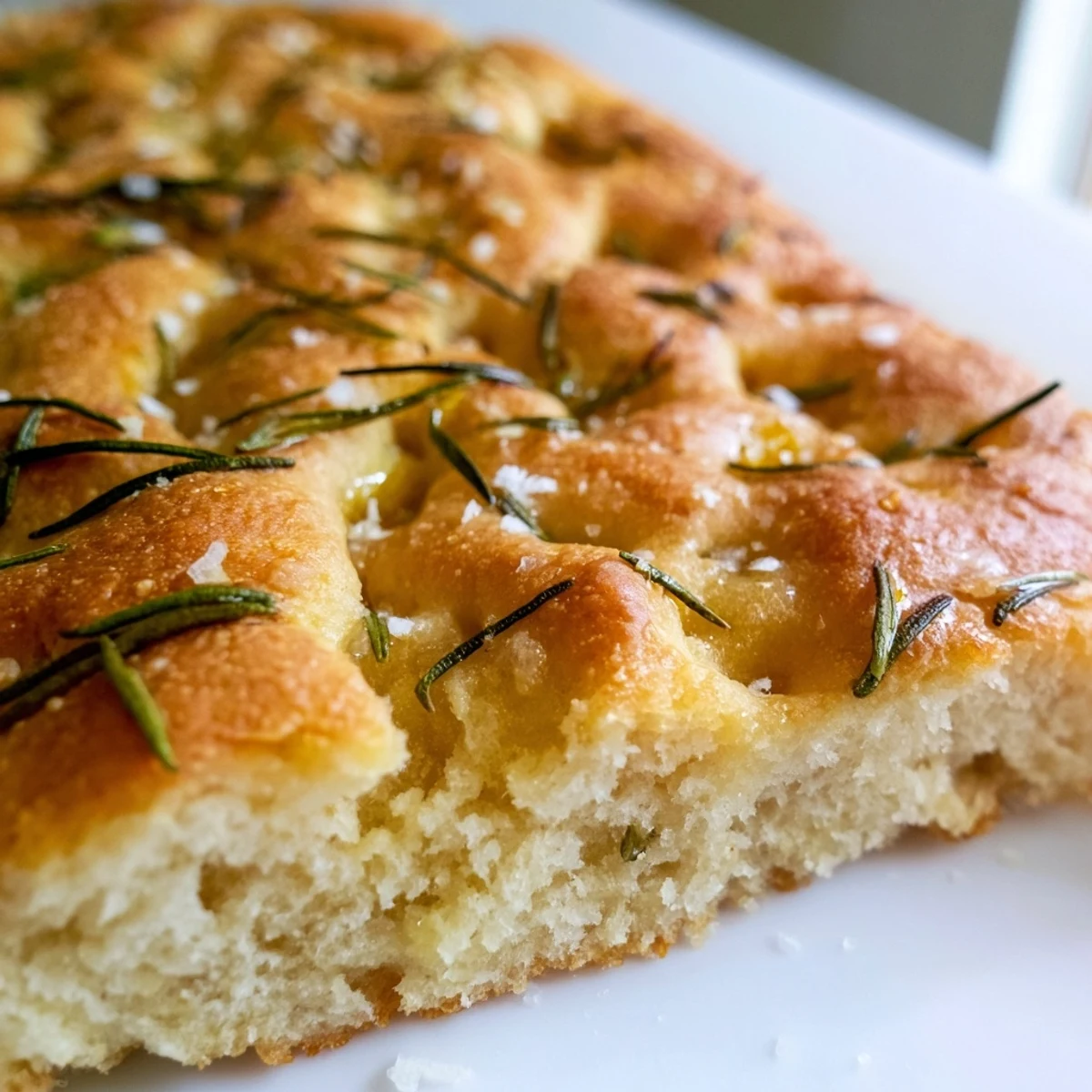
The process involves a straightforward yeast dough that rises to double its size, then gets pressed into a baking tray where those signature indentations capture pools of fragrant oil. The result is a beautifully bronzed, herb-scented bread that's ideal for tearing and sharing.
Customize your focaccia with olives, cherry tomatoes, or sun-driedried tomatoes. Serve it warm alongside antipasti, use it as a sandwich base, or simply enjoy it dipped in balsamic vinegar and quality olive oil.
The first time I made focaccia, my tiny apartment smelled like an Italian bakery for hours. My roommate kept wandering into the kitchen, asking if it was done yet, until we finally tore into it straight from the oven with nothing but a jar of olive oil. Now, whenever I make this bread, it still feels like pulling a warm, cloud-like square of comfort from the oven.
Last winter, I served this alongside a simple tomato soup when my friend was recovering from surgery. She said the bread was the best part of the meal, and I ended up dropping off a fresh batch every few days until she felt better. There is something about homemade focaccia that says you care without needing to say a word.
Ingredients
- 500 g bread flour: The higher protein content creates that signature chewy structure and airy rise
- 10 g salt: Essential for flavor and helps control yeast activity
- 7 g active dry yeast: This amount gives the dough a steady, reliable rise
- 325 ml lukewarm water: Should feel like bathwater, about 100°F to activate yeast without killing it
- 50 ml extra virgin olive oil: Creates the rich, tender crumb and golden crust
- 1 tsp sugar: Feeds the yeast for a better rise
- 2 tbsp extra virgin olive oil for topping: The final brush ensures those irresistible crispy edges
- 1 tbsp fresh rosemary: Fresh herbs bloom beautifully in the hot oven
- 1½ tsp flaky sea salt: The crunch of flaky salt against soft bread is pure magic
Instructions
- Wake up the yeast:
- Stir yeast and sugar into lukewarm water and let it foam for 10 minutes
- Mix the dough:
- Combine flour and salt in a bowl, add yeast mixture and olive oil until sticky
- Knead it out:
- Work the dough on a floured surface for 8 to 10 minutes until smooth and elastic
- Let it rise:
- Place in an oiled bowl, cover, and wait about 1 hour until doubled
- Prepare the pan:
- Heat your oven to 425°F and grease a 12x16 inch baking tray
- Shape and dimple:
- Press dough into the tray, using your fingertips to create those classic indentations
- Add the toppings:
- Brush generously with olive oil and sprinkle with rosemary and flaky salt
- Final rise and bake:
- Let rest for 20 to 30 minutes until puffy, then bake for 20 to 25 minutes until golden
 Save to Pinterest
 My grandmother always said that bread making is about patience and touch, not precision. The afternoon I spent teaching her great-grandkids to press their little fingers into the dough for dimples became one of my favorite kitchen memories. They were so proud of their fingerprints on that bread.
Getting The Perfect Rise
A warm, draft-free spot is ideal for letting dough rise. I usually preheat my oven for just a minute, then turn it off and place the bowl inside with the door cracked open. This creates a consistent temperature that helps the yeast work efficiently.
Customizing Your Toppings
While rosemary and sea salt are classic, focaccia welcomes endless variations. Thinly sliced onions, sun-dried tomatoes, or even grapes and honey work beautifully. Just remember not to overload the surface, which can prevent proper baking.
Storage And Serving
Focaccia is best enjoyed the day it is made, but leftovers can be revived in a 350°F oven for a few minutes. It also freezes exceptionally well if wrapped tightly before freezing. Serve it alongside soups, as sandwich bread, or simply torn and dipped in good olive oil.
- Let the bread cool for at least 15 minutes before slicing to preserve texture
- Wrap cooled focaccia in plastic for up to 2 days at room temperature
- Reheat frozen focaccia directly from the freezer, no thawing needed
 Save to Pinterest
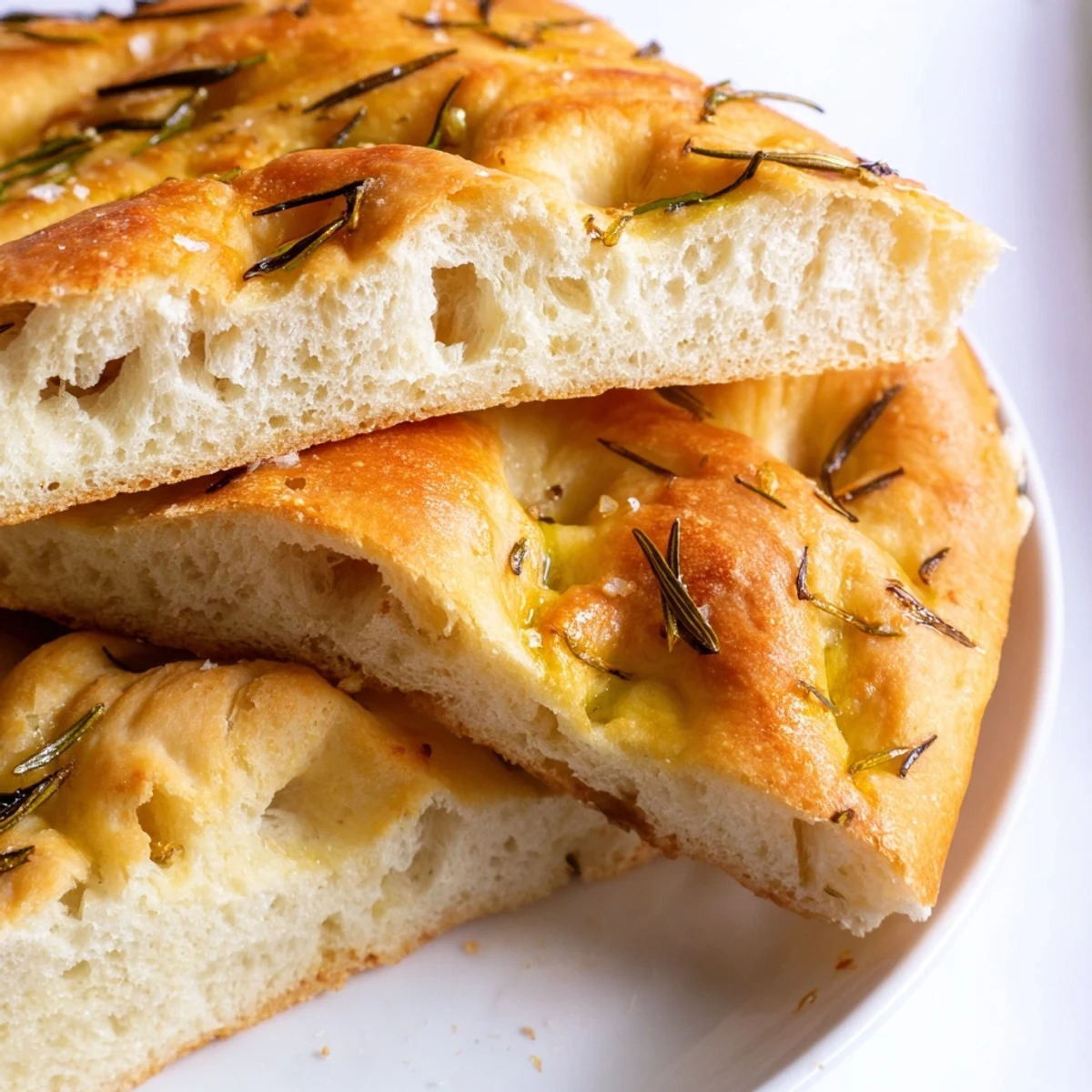
 There is nothing quite like tearing into warm focaccia with friends, the oil on your fingers and the scent of rosemary in the air. Simple, honest food that brings people together.
Recipe FAQs
- → What makes focaccia different from regular bread?
-
Focaccia is an Italian flatbread characterized by its high olive oil content, which creates a tender, moist crumb and crisp exterior. The dough is pressed into a tray and dimpled with fingertips to create pockets that trap oil and herbs, resulting in distinctive texture and flavor.
- → How long should focacc dough rise?
-
Allow the dough to rise for approximately 1 hour until doubled in size. After shaping and topping, let it proof for an additional 20-30 minutes until puffy before baking. This two-stage rising process ensures optimal texture and height.
- → Can I make focaccia ahead of time?
-
Yes, bake focaccia up to 24 hours in advance. Cool completely, wrap tightly in foil, and store at room temperature. Refresh in a 180°C (350°F) oven for 5-10 minutes before serving to restore crispness.
- → What toppings work well on focaccia?
-
Classic toppings include fresh rosemary, sea salt, and olive oil. Enhance with pitted olives, cherry tomatoes, sun-dried tomatoes, caramelized onions, or fresh thyme. Press toppings gently into the dimpled dough before the final rise.
- → Why is my focaccia dense instead of fluffy?
-
Dense focaccia typically results from under-proofing, insufficient kneading, or using cold ingredients. Ensure the dough doubles during first rise, knead for 8-10 minutes to develop gluten, and use lukewarm water to activate yeast properly.
- → What should I serve with focaccia?
-
Focaccia pairs beautifully with soups, salads, and antipasto platters. Use it for sandwiches, tear into pieces for dipping in olive oil and balsamic vinegar, or serve alongside pasta dishes. It complements crisp white wines like Pinot Grigio or light reds such as Chianti.