
 Save to Pinterest
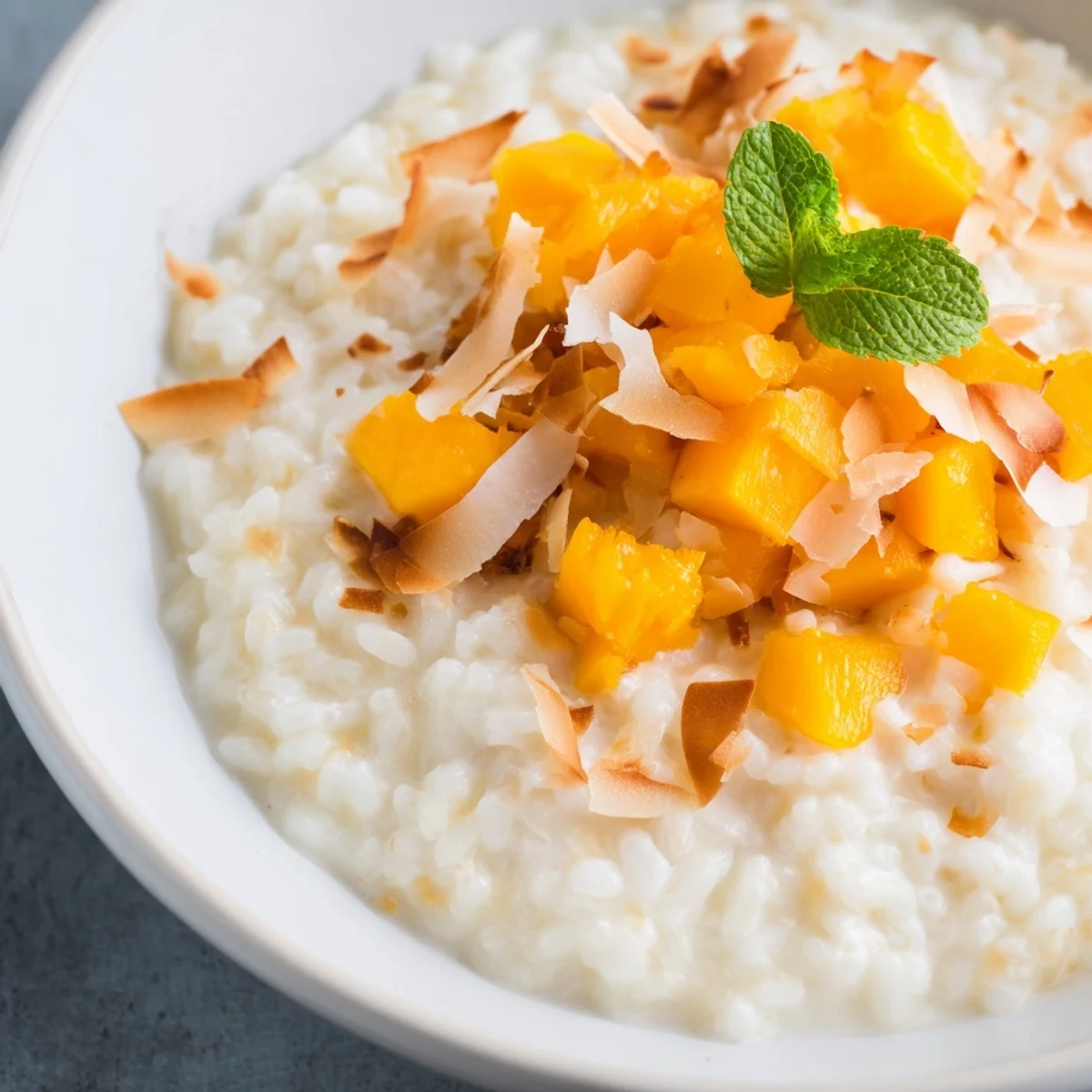
 This luscious coconut-infused rice pudding offers a creamy, comforting texture paired with juicy mango slices that elevate the tropical flavors. Cooking Arborio rice slowly with coconut and whole milk creates a rich base, subtly sweetened and scented with vanilla. The dish can be served warm or chilled, garnished with toasted coconut flakes and fresh mint for extra contrast. It's a quick, easy-to-make dessert ideal for vegetarian and gluten-free diets, offering indulgent flavor with simple pantry ingredients.
I discovered this pudding by accident one humid afternoon when my neighbor brought over a bag of impossibly ripe mangoes from her tree. I had coconut milk in the pantry and rice in the cupboard, and suddenly I was stirring together something that smelled like a vacation I hadn't taken yet. The first spoonful was so smooth and tropical that I understood immediately why people dream about eating dessert on beaches.
My friend Sarah came over stressed about hosting a dinner party, and I served this to her friends without warning. She watched everyone's faces soften on that first bite and later told me it was the moment she realized homemade dessert didn't have to be complicated. Since then, I've made it for celebrations, last-minute guests, and quiet evenings when I just wanted something that tasted like care.
Ingredients
- Arborio rice: Short-grain rice releases starch as it cooks, creating natural creaminess without any cream. Regular white rice works too if that's what you have, though it'll be slightly less velvety.
- Coconut milk: Use full-fat canned coconut milk for richness. Shake the can before opening so you get all that good cream mixed in with the liquid.
- Whole milk: Balances the coconut intensity with a gentle dairy sweetness. Almond or oat milk makes it dairy-free, though the flavor shifts slightly toward the coconut.
- Granulated sugar: Start with the quarter cup and taste as you go. If your mangoes are very sweet, you might want less.
- Vanilla extract: Stir it in after cooking so the heat doesn't rob it of its delicate fragrance.
- Fresh mango: Choose ones that yield slightly to pressure and smell floral at the stem end. Underripe mango tastes mealy; overripe gets mushy when diced, so aim for the sweet spot.
- Toasted coconut flakes: These add a satisfying crunch and a deeper coconut flavor than raw ones. Toast them yourself in a dry pan for thirty seconds if they're not already toasted.
Instructions
- Rinse and prepare:
- Run the rice under cold water in a fine-mesh strainer, stirring gently with your fingers until the water runs clear. This removes excess starch so the pudding doesn't become gluey.
- Combine and simmer:
- Pour the coconut milk, whole milk, sugar, and salt into a medium saucepan and stir until the sugar begins to dissolve. Stir in the rice and bring everything to a gentle simmer over medium heat, stirring often so nothing sticks to the bottom.
- Cook low and slow:
- Lower the heat and partially cover the pan with a lid or a piece of parchment paper. Stir every few minutes, scraping the bottom and sides. The pudding is done when the rice is completely tender and the liquid has mostly absorbed, turning into something creamy and almost porridge-like.
- Finish with vanilla:
- Remove from heat and stir in the vanilla extract. Let the pudding sit for five to ten minutes uncovered so it cools slightly and thickens a touch more.
- Plate and top:
- Divide the pudding among bowls while it's still warm. Scatter diced mango across the top, add a pinch of toasted coconut flakes and a small mint leaf if you have it.
 Save to Pinterest
 One winter, I made this for my grandmother who had been too tired to cook for herself in weeks. She ate two bowls and asked for the recipe, and then she started making it on Sunday afternoons. That pudding became our language when we didn't have much else to say to each other.
Why Texture Matters Here
The magic of this dessert lives in the contrast between the soft, creamy pudding and the bright burst of fresh mango. If you use mango that's been chilled, the temperature shift makes each bite feel intentional and special. The coconut flakes add a whisper of crunch that keeps your spoon interested, and the mint brings a cooling note that prevents everything from feeling monotonously sweet.
Coconut Milk Selection and Swaps
I've tested this with light coconut milk and regular whole milk entirely, and it works, but the dish loses some of that transported-to-paradise feeling. Full-fat canned coconut milk from Asian grocery stores is worth the small trip because it tastes noticeably richer than the watered-down versions. If you're making this vegan, coconut cream (the thick stuff that rises to the top) stirred into plant-based milk creates a surprisingly close result.
Making It Your Own
Once you've made this once, you'll notice you can play with it gently. Some mornings I've added cardamom to the cooking milk, or a splash of rum to the finished pudding. Others I've layered it with granola for texture, or served it over butter cake because why not. The foundation is sturdy enough to hold your experiments.
- If you have time, chill the pudding completely and serve it cold with cold mango for a summery version that feels lighter and less breakfast-like.
- Leftovers taste just as good the next day, though you might need to add a splash of milk to loosen it up again.
- Make this ahead for a dinner party so you're not stirring a pot while your guests arrive hungry and impatient.
 Save to Pinterest
 This pudding asks so little of you and gives so much back. Make it when you need comfort, or when you want to remind yourself that simple things, made with attention, become something people remember.
Recipe FAQs
- → What type of rice works best?
-
Arborio or short-grain white rice is preferred for its ability to create a creamy, tender texture.
- → Can I use non-dairy milk?
-
Yes, almond or oat milk can substitute whole milk for a dairy-free version without sacrificing creaminess.
- → How long should the mixture cook?
-
Simmer gently for about 30 to 35 minutes until the rice is tender and the mixture is creamy.
- → How is the mango best prepared?
-
Use ripe mangoes peeled, pitted, and diced to add fresh, juicy sweetness on top.
- → Any tips for enhancing flavor?
-
Stirring in coconut cream before serving intensifies richness; vanilla extract adds a warm, aromatic note.
- → Can this be served cold?
-
Yes, it tastes delicious warm or chilled based on your preference.