 Save to Pinterest
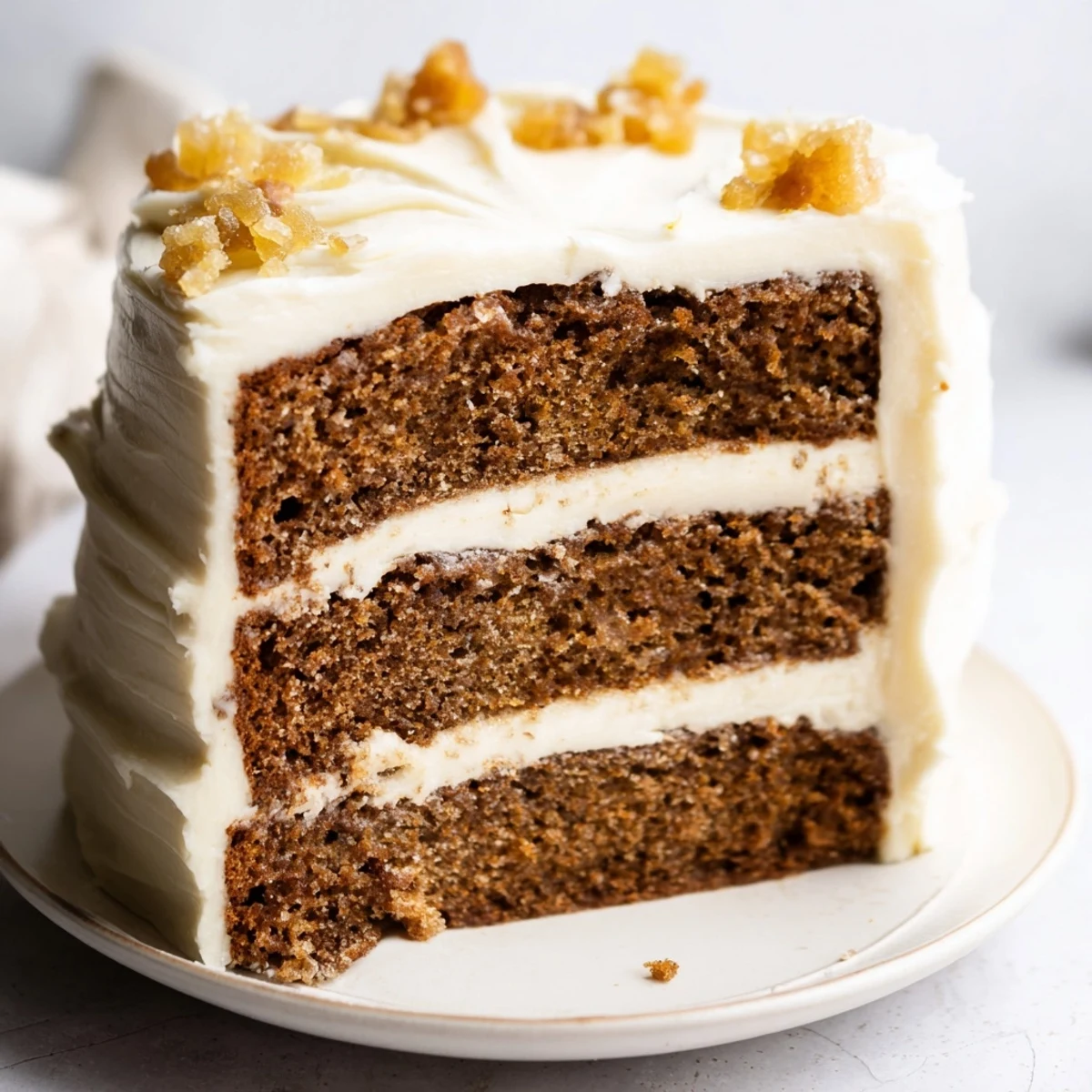
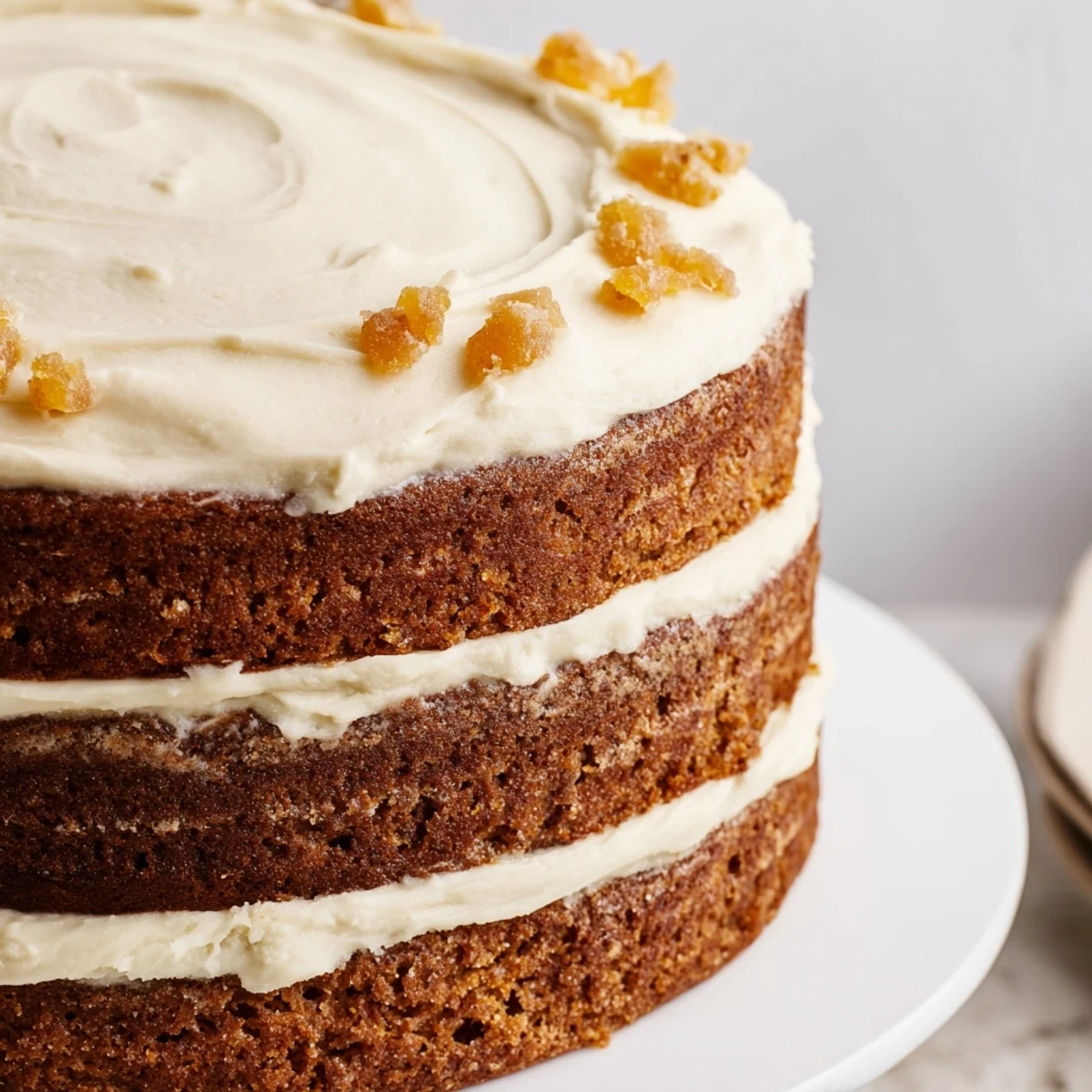
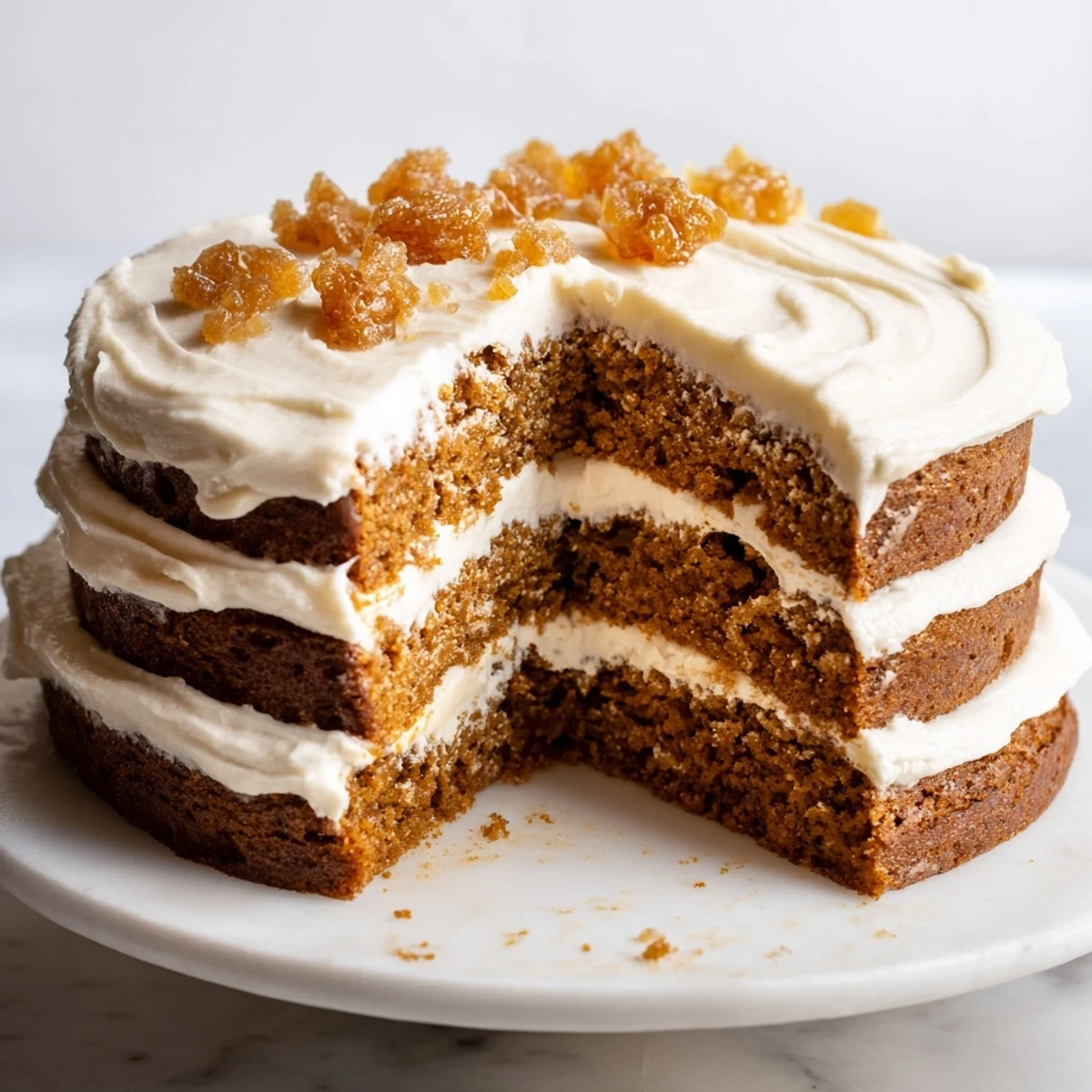
 This gingerbread layer cake combines warm spices like ginger, cinnamon, and cloves with a moist molasses-infused batter. Three layers come together, separated by a creamy, smooth cream cheese frosting. Perfect for holiday celebrations or cozy gatherings, the cake offers a rich, festive flavor balanced by the tangy frosting. Baking involves mixing dry and wet ingredients separately, followed by careful layering and frosting once cooled. Optional garnishes such as candied ginger or sugared cranberries add a decorative, flavorful touch.
I still remember the first time I made a proper gingerbread layer cake—it was three days before Christmas and the whole kitchen filled with those warm, spiced aromas that made everyone stop what they were doing. There's something magical about molasses and ginger that transforms an ordinary bake into something that feels like tradition itself. Now this cake shows up on my holiday table every single year.
I'll never forget the year my mother-in-law was visiting and I attempted this cake for the first time. The kitchen smelled so incredible that she actually sat down at the counter with a cup of tea and just watched while I baked. That's when I knew this recipe was keeper—when it brings people together before a single slice is even plated.
Ingredients
- All-purpose flour (3 cups): The foundation here, and sifting it together with the dry spices helps distribute the ginger, cinnamon, cloves, and nutmeg evenly throughout so you get consistent spiced flavor in every bite
- Ground ginger (2 tsp): Don't skip the fresh stuff from a new container if possible—ginger loses potency sitting in the pantry, and you want that real warmth here
- Ground cinnamon (2 tsp): This is your sweet backbone, balancing the molasses depth with something familiar and comforting
- Ground cloves and nutmeg (½ tsp each): These are the secret weapons that make people say 'what is that subtle something' without being able to name it
- Baking powder and baking soda (2 tsp and ½ tsp): Work together to give you that tender structure that doesn't feel heavy even with all the molasses weight
- Unsalted butter (¾ cup), softened: Room temperature is non-negotiable here—cold butter won't cream properly and you'll miss that light fluffy base you need
- Brown sugar and granulated sugar (1 cup and ½ cup): The brown sugar contributes moisture and molasses undertones, while the white sugar helps with structure
- Eggs (4 large), room temperature: Temperature matters because they incorporate better into the creamed butter and sugar, creating better emulsification
- Molasses (1 cup): Use the regular kind, not blackstrap—blackstrap is too bitter and overpowering for the delicate spice balance you're building here
- Milk and sour cream (1 cup and ⅓ cup), room temperature: Sour cream adds tang that brightens the spices, while milk provides the moisture. Both need to be warm so they don't shock the batter
- Vanilla extract (2 tsp): The finishing touch that rounds out all those spices and brings everything into harmony
- Cream cheese and butter for frosting (16 oz and ¾ cup): The contrast between the tangy cream cheese and sweet frosting is what makes this work—it's not just a topping, it's the final note
- Powdered sugar (4 cups), sifted: Sifting removes lumps and ensures smooth spreadable frosting without grainy texture
Instructions
- Get Everything Ready:
- Preheat your oven to 350°F and get your three cake pans prepped with parchment. Having everything at the ready means you won't rush once you start mixing. The grease-and-line step might feel fussy but it's your insurance policy against cake sticking.
- Build Your Spice Foundation:
- Whisk together your flour with all those beautiful spices. This is where the magic starts. When you whisk by hand, you're not just combining, you're aerating the flour and distributing those spices so evenly that every layer will taste consistently gingerbread-y. The bowl should smell like Christmas by the time you're done.
- Cream Until Light and Cloud-Like:
- Beat butter with both sugars until it looks almost fluffy and pale, about 3 minutes. You're incorporating air into the butter which will help your cake rise and stay tender. Add eggs one at a time, waiting for each to fully incorporate before the next. This patience here pays off in structure later.
- The Molasses Moment:
- Pour in molasses slowly while beating. It'll look almost separated at first but keep going—it comes together. The darkness will transform your batter into something that smells deeply spiced and rich. Add sour cream and vanilla next.
- The Alternating Dance:
- Here's where technique matters. On low speed, add dry ingredients in three additions, alternating with milk in two additions. Start and end with dry ingredients. This prevents overmixing which would make the cake tough. Mix just until you don't see flour streaks anymore, then stop—your mixer will want to keep going but resist. Overmixed batter is the enemy of tender cake.
- Pan and Smooth:
- Divide batter evenly among pans. A kitchen scale helps here if you have one. Smooth the tops gently with a spatula so they bake evenly and your layers stack neatly later.
- The Bake:
- Watch around the 25 minute mark for the toothpick test. You want it to come out with just a few moist crumbs, not wet batter but not completely dry either. Over-baked gingerbread gets a bit tight and loses that tender quality. The kitchen will smell incredible and that's your signal you're close.
- Cool With Patience:
- Let cakes rest in the pans for 10 minutes. This is a crucial step—it lets them set slightly so they won't crack when you turn them out onto cooling racks. Turn them out gently and let them cool completely before frosting. Warm cake plus frosting equals melted mess.
- Frosting Magic:
- Beat cream cheese and butter together until it's completely smooth with no lumps. Gradually rain in powdered sugar while beating. Sifting the sugar first saves you from grainy frosting. Beat until fluffy and spreadable—you want something that holds peaks but isn't stiff.
- Assembly:
- Place first layer on your plate, frost the top, add second layer, frost, add third layer. Then frost top and sides. Your offset spatula is your friend here for smooth, even coverage. Chill for at least 30 minutes before slicing—this lets the frosting set so your layers stay clean and distinct.
 Save to Pinterest
 There was a year when unexpected family showed up on Christmas Eve, and I had only two hours to pull together dessert for an extra four people. I made this cake, and the molasses-spiced aroma became the welcome they needed. That's when I realized this recipe isn't just about flavor—it's about creating a moment that feels like coming home.
Decorating Your Moment
The frosting provides a blank canvas for your creativity. Candied ginger scattered across the top feels like edible jewelry, adding both crunch and flavor. Sugared cranberries catch the light beautifully and add a tartness that balances the richness. A simple dusting of cinnamon on top brings the spices full circle. If you're feeling fancy, thin shards of candied orange peel add brightness. The cake doesn't need much—sometimes just the cream cheese frosting with those warm spices showing through is elegantly enough.
When You're Missing Something
Flexibility in baking is important as long as you understand the why behind ingredients. If you don't have sour cream, Greek yogurt works in a pinch. Don't have brown sugar? Mix granulated sugar with a bit of molasses. Missing one of the ground spices? The cake still works, though it won't have that full holiday spice complexity. Where you absolutely cannot substitute is molasses itself—it's not just sweetness, it's the entire backbone of flavor here. For the frosting, if you want something lighter, you can replace half the cream cheese with mascarpone for a more delicate texture, though you'll need to add an extra teaspoon of vanilla since mascarpone is more neutral.
Serving Ideas That Clicked
This cake pairs beautifully with spiced chai tea—the warm spices echo each other in your mouth. Mulled wine alongside is equally lovely for evening gatherings. A simple cup of coffee makes it perfect for afternoon tea, and honestly, it stands alone without anything at all. The frosting is rich enough that the cake doesn't need whipped cream, though I've done it anyway with vanilla whipped cream and nobody complained. Serve it at room temperature for best flavor, though cold slices are lovely too. This cake is forgiving about timing since the moisture content keeps it fresh for days covered on the counter or refrigerated up to five days.
Making It Ahead for the Freezer
The unfrosted cake layers freeze beautifully for up to three months when wrapped well. Actually, I prefer to freeze the layers separately before stacking, so you don't need to thaw the whole cake. The frosting also freezes, though it's easier to make frosting fresh. The frosted assembled cake keeps in the refrigerator for five days, which makes this perfect for holiday planning when you want to bake ahead but serve closer to the day. When you freeze the layers, thaw them at room temperature before frosting—frosting cold cake is frustrating and can cause cracking.
- Make the unfrosted layers up to three months ahead, wrap individually in plastic wrap, then foil for double protection
- The day before serving, thaw layers at room temperature, then frost and assemble in the morning for afternoon or evening serving
- If you need to transport this cake, assemble it in a disposable aluminum pan for easy handling and heat retention
 Save to Pinterest
 This gingerbread layer cake has become my answer when I want to bring something that feels like care on a plate. It's the cake that says 'you matter enough for me to spend time in the kitchen.' Make it and let the spices do the talking.
Recipe FAQs
- → What spices are used in this gingerbread cake?
-
The cake features ground ginger, cinnamon, cloves, and nutmeg, creating a warm and festive spice blend.
- → How many layers does the cake have?
-
It is made up of three evenly baked layers, stacked and frosted for a classic layered look.
- → What makes the frosting creamy?
-
The frosting is a blend of cream cheese, unsalted butter, powdered sugar, and vanilla extract for a rich, smooth texture.
- → Can I decorate the cake differently?
-
Yes, garnishing with candied ginger, sugared cranberries, or a light dusting of cinnamon can add festive flair.
- → How should the cake be stored after assembling?
-
After frosting, chill the cake for at least 30 minutes to set the layers before slicing and serving.