 Save to Pinterest
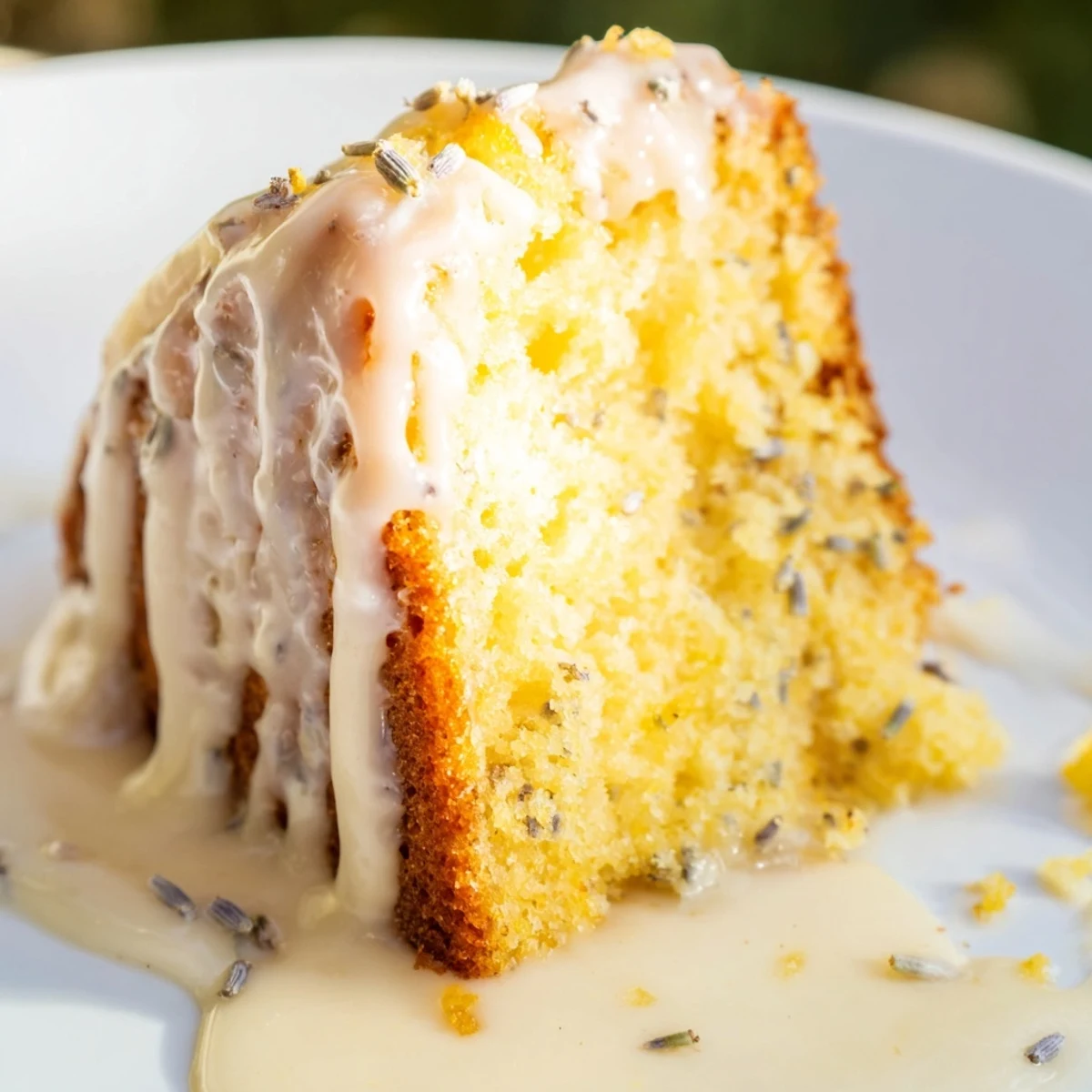
 This tender dessert brings together the bright citrus notes of fresh lemon with the delicate, floral essence of culinary lavender. The result is a wonderfully moist crumb that feels elegant yet approachable—perfect for spring brunches, afternoon tea, or as a light ending to any meal.
The key lies in rubbing the lemon zest into the sugar before creaming, which releases the citrus oils throughout the batter. Dried lavender flowers are finely chopped and whisked into the dry ingredients, ensuring even distribution without overpowering the palate.
A simple lemon glaze adds the finishing touch, complementing both the citrus and floral elements while providing a sweet, glossy topping. Serve alongside Earl Grey or chamomile tea to enhance the soothing floral qualities.
My grandmother used to keep a small ceramic jar of dried lavender on her windowsill, tucked between basil and thyme. Whenever I'd ask what it was for, she'd smile and say, for something special. Years later, when I first experimented with baking lavender into a lemon cake, that scent hit me like a memory. The way floral notes dance with bright citrus makes this cake feel like a secret garden.
Last spring, my neighbor Sarah brought over a bundle of fresh lavender from her garden. We sat at my kitchen table drinking tea while she told me about her grandmother's lavender farm in Provence. When I served this cake warm with the glaze still glistening, she took one bite and her eyes widened. This tastes exactly like my childhood, she said, reaching for another slice.
Ingredients
- 2 cups all-purpose flour: The foundation that gives this cake structure without weighing it down
- 1 ½ teaspoons baking powder: Helps the cake rise beautifully into tender layers
- ½ teaspoon baking soda: Works with the acidic lemon juice for perfect lift
- ¼ teaspoon salt: Essential to balance sweetness and enhance floral notes
- 1 tablespoon dried culinary lavender: Make sure its labeled for cooking to avoid bitter potpourri varieties
- 1 cup granulated sugar: Cream this thoroughly with lemon zest to release those fragrant oils
- Zest of 2 lemons: Use a microplane to get just the yellow part for maximum flavor
- ½ cup unsalted butter: Softened to room temperature for proper creaming
- 2 large eggs: Room temperature eggs emulsify better for a uniform batter
- 1 teaspoon vanilla extract: Pure extract makes a noticeable difference in depth
- ¾ cup whole milk: Adds richness and helps create that tender crumb
- ⅓ cup fresh lemon juice: Add this last to prevent curdling the milk
- 1 cup powdered sugar: For the glaze that makes everything look professional
- 2 to 3 tablespoons fresh lemon juice: Adjust until you reach the perfect pourable consistency
- ½ teaspoon dried lavender for garnish: Optional but makes it absolutely stunning
Instructions
- Preheat your oven and prepare the pan:
- Set your oven to 350°F and generously grease a 9-inch round pan. Dust it with flour or line with parchment paper so the cake releases effortlessly later.
- Mix your dry ingredients:
- Whisk together flour, baking powder, baking soda, salt, and chopped lavender until well combined. The lavender should be evenly distributed throughout the flour.
- Infuse the sugar:
- Rub the lemon zest into the sugar with your fingertips until it becomes fragrant and slightly yellowed. This step releases the citrus oils and makes the whole cake sing.
- Cream butter and sugar:
- Beat the softened butter into the lemon sugar mixture for about 3 minutes until its pale and fluffy. The mixture should look like whipped cream.
- Add eggs and vanilla:
- Beat in eggs one at a time, letting each incorporate fully before adding the next. Stir in the vanilla extract until just blended.
- Combine wet and dry ingredients:
- Alternate adding the flour mixture and milk to the butter mixture, starting and ending with the flour. Mix in the lemon juice last and stop as soon as everything is combined.
- Bake the cake:
- Pour the batter into your prepared pan and smooth the top. Bake for 30 to 35 minutes until a toothpick comes out clean and the cake springs back when touched.
- Cool completely:
- Let the cake rest in the pan for 10 minutes before turning it onto a wire rack. Wait until its completely cool before adding the glaze.
- Make the glaze:
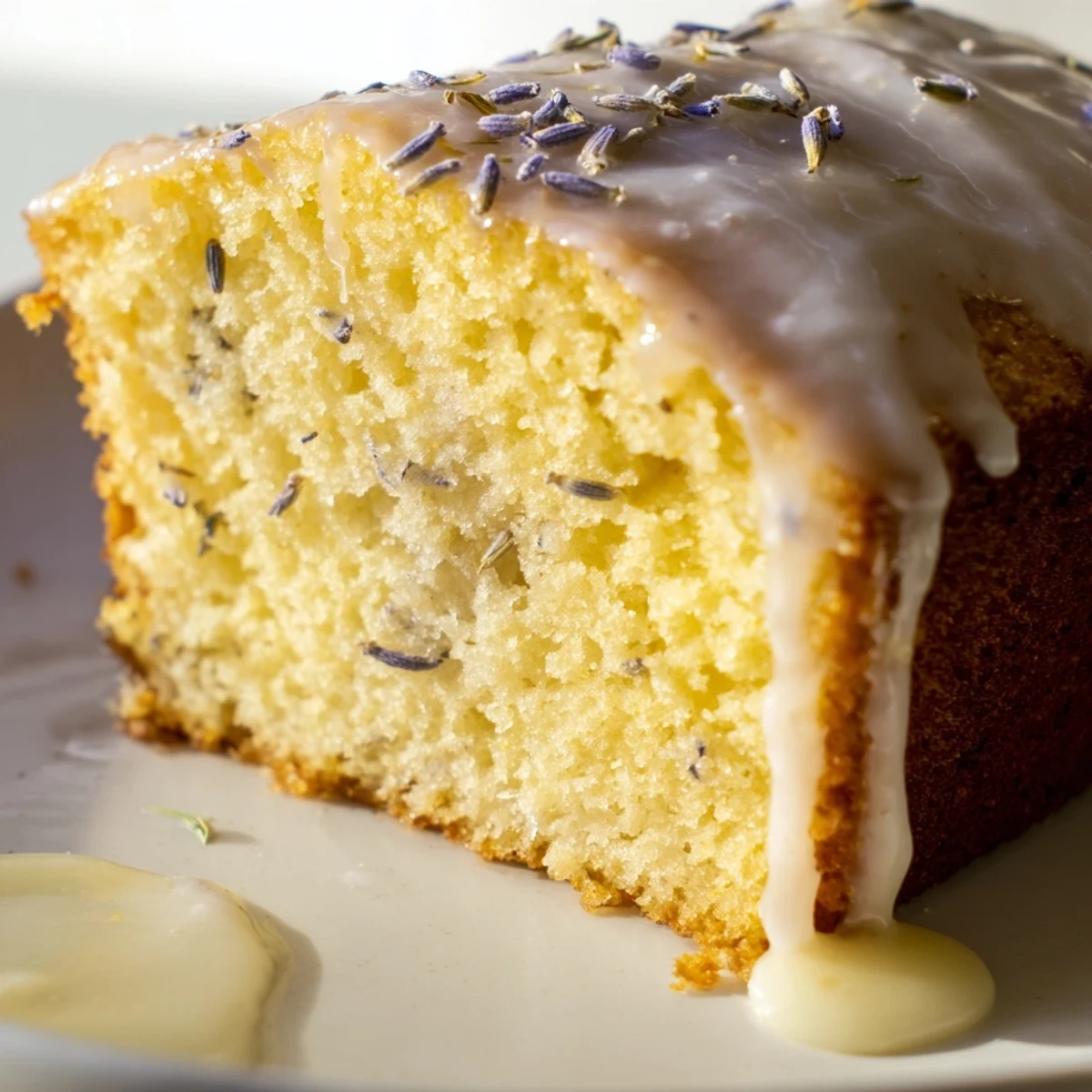
- Whisk powdered sugar with lemon juice until smooth and drizzling consistency. Pour over the cooled cake and sprinkle with extra lavender if desired.
 Save to Pinterest
 My daughter requested this cake for her eighth birthday instead of the usual chocolate. Watching her little fingers pick lavender flowers from our garden to sprinkle on top made me realize how food carries our stories forward. Now whenever I smell lemon and lavender together, I think of her at that age, dusty knees and all, standing on a stool to help me glaze the cake.
Getting the Lavender Balance Right
Lavender is powerful and too much will make your cake taste like soap. One tablespoon in the batter is perfect for most palates, providing a gentle whisper rather than a shout. If you are new to baking with florals, start with half that amount and work your way up as your family adjusts to the flavor profile.
Making It Dairy Free
This cake adapts beautifully to dairy-free ingredients without sacrificing texture. Use a high-quality plant-based butter and your favorite non-dairy milk, though almond milk pairs particularly well with the floral notes. The crumb might be slightly more tender, so handle the cooled cake with extra care when removing it from the pan.
Serving Suggestions and Storage
This cake shines at afternoon tea or as an elegant dessert after a light spring dinner. The flavors deepen after a day, making it even better the second time around. Store it covered at room temperature for up to three days, or refrigerate if you prefer the glaze firmer.
- Serve with Earl Grey tea to amplify the floral notes
- Add fresh berries alongside for a pop of color and tartness
- Freeze individual slices wrapped tightly for up to two months
 Save to Pinterest
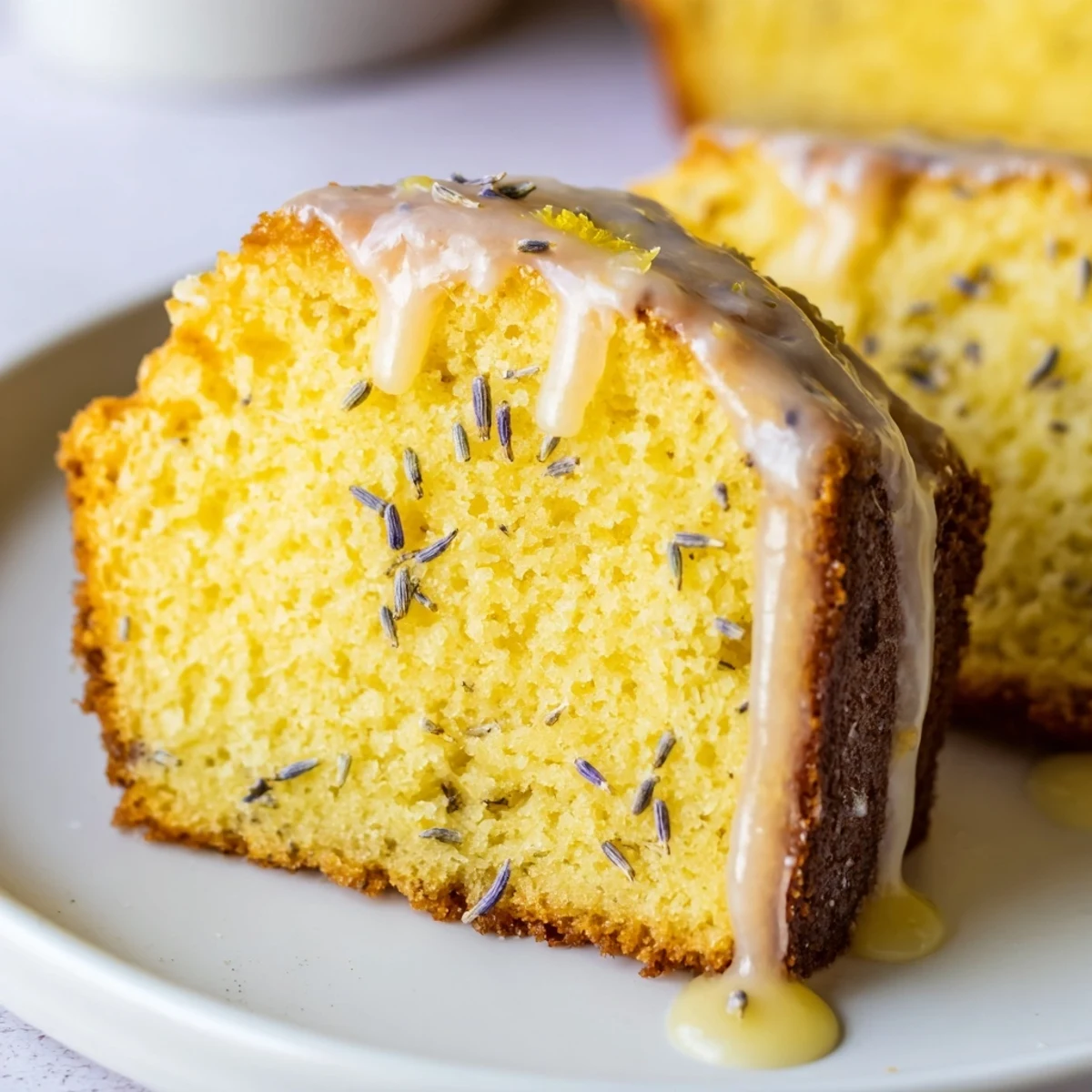
 There is something almost magical about cutting into this cake and watching the steam carry that lavender scent through the kitchen. It is the kind of recipe that turns ordinary moments into small celebrations.
Recipe FAQs
- → Can I use fresh lavender instead of dried?
-
Fresh lavender contains more moisture and can impart a bitter, soapy flavor. Stick with dried culinary lavender specifically labeled for food use to achieve the best delicate floral notes.
- → How should I store this cake?
-
Keep in an airtight container at room temperature for up to 3 days. The glaze may soften slightly but remains intact. For longer storage, refrigerate for up to a week and bring to room temperature before serving.
- → Can I make this as cupcakes?
-
Absolutely. Portion the batter into a standard 12-cup muffin tin and reduce baking time to 18-22 minutes. The glaze works beautifully drizzled over cooled cupcakes.
- → Is the lavender flavor too strong?
-
One tablespoon provides a subtle, fragrant background note rather than an overwhelming floral taste. If you're particularly sensitive to lavender, start with half the amount and adjust to your preference.
- → Can I freeze this cake?
-
Yes—wrap the unglazed cake tightly in plastic wrap and freeze for up to 3 months. Thaw overnight at room temperature, then add the glaze before serving.
- → What if I don't have a 9-inch pan?
-
An 8-inch square pan works well with the same baking time. For a 9x13-inch pan, expect a thinner cake; reduce baking time to 25-30 minutes and check for doneness early.