
 Save to Pinterest
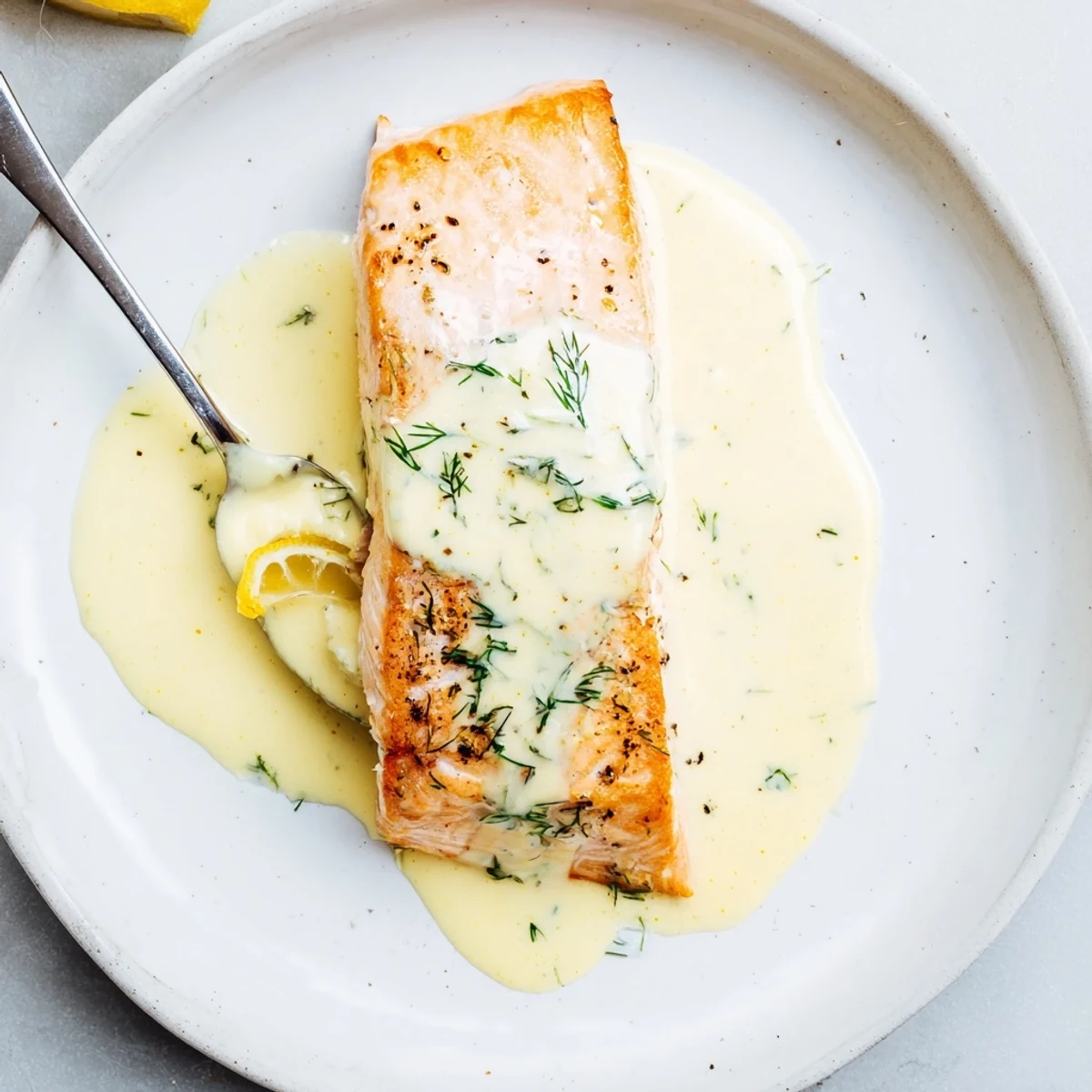
 Pan-sear seasoned salmon fillets until golden, then finish them in a silky lemon-infused cream sauce. Brown the fish 3–4 minutes per side in olive oil, remove and use the same pan to soften garlic, deglaze with white wine or stock, then stir in cream, lemon juice, zest and chopped dill. Simmer until slightly thickened, return the fillets to warm through, and serve with steamed vegetables, roasted potatoes, or rice.
The rain was hammering against the kitchen window the evening I threw together this salmon with lemon cream sauce, mostly because I had forgotten to defrost anything else and the fish was the only protein that thawed fast enough. What started as a desperate Wednesday dinner turned into the dish my partner now requests every single time we have company. The sauce is the kind of thing you want to mop up with bread, lick off the spoon, and quietly wish you had doubled.
I once served this to my mother in law, who had quietly announced she did not really care for salmon, and she asked for seconds before I even sat down. That sauce is a convincing argument all on its own.
Ingredients
- Salmon fillets: Four skinless fillets around six ounces each give you generous portions that sear beautifully and stay moist inside.
- Salt and black pepper: Season both sides generously because the fish needs that baseline flavor before it hits the hot pan.
- Olive oil: Just a tablespoon in a good nonstick skillet creates the crust that makes this dish feel restaurant quality.
- Unsalted butter: This is the foundation of the sauce, so use something you actually enjoy eating on its own.
- Garlic: Finely minced so it melts into the cream without leaving any harsh bites behind.
- Dry white wine: Sauvignon Blanc or Pinot Grigio work wonderfully, but fish stock is a perfectly respectable substitute if you prefer to skip alcohol.
- Heavy cream: The velvety texture comes from full fat cream, though half and half will work if you want something a touch lighter.
- Fresh lemon juice and zest: The zest brings bright fragrance while the juice cuts through the richness and balances everything.
- Fresh dill or parsley: Dill is the classic pairing with salmon and adds a grassy sweetness that dried herbs simply cannot match.
Instructions
- Season the salmon:
- Pat the fillets thoroughly dry with paper towels and sprinkle both sides with salt and pepper. Dry fish sears better and you will notice the difference immediately.
- Sear until golden:
- Heat olive oil in a large nonstick skillet over medium high heat and lay the salmon flesh side down. Cook three to four minutes per side until you see a deep golden crust forming, then transfer to a plate and cover loosely with foil.
- Start the sauce:
- Reduce the heat to medium and melt the butter in the same pan. Add the minced garlic and stir for about one minute until your kitchen smells absolutely incredible.
- Build the flavor:
- Pour in the white wine and let it bubble for two to three minutes while you scrape up every last browned bit from the bottom of the pan. Those bits are pure concentrated flavor and they will transform your sauce.
- Add the cream:
- Stir in the heavy cream, lemon juice, and lemon zest, then let the sauce simmer gently for three to four minutes. You want it to coat the back of a spoon without reducing too far.
- Finish with herbs:
- Stir in the chopped dill or parsley and taste the sauce before adding salt and pepper. The lemon and wine already bring seasoning, so adjust carefully.
- Bring it together:
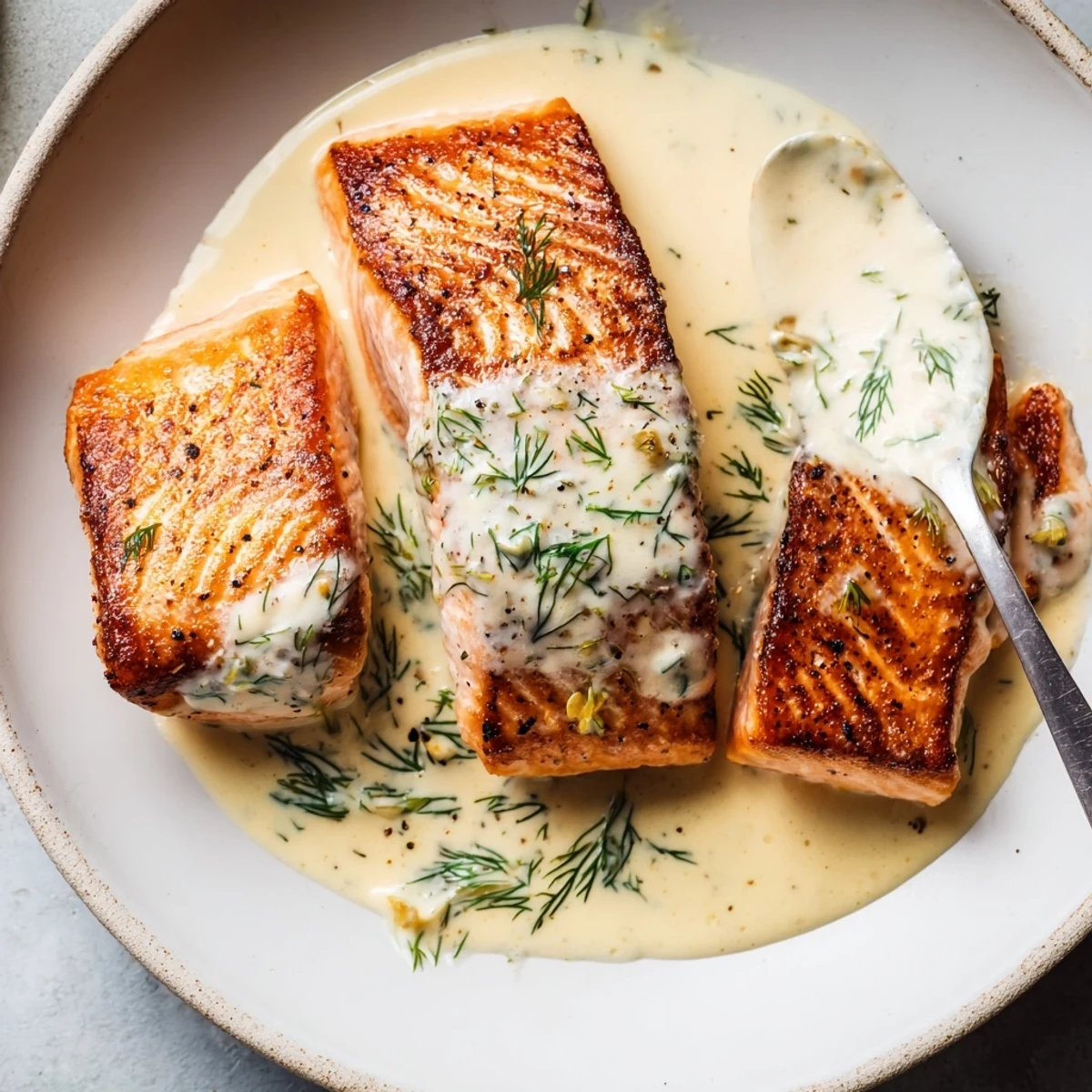
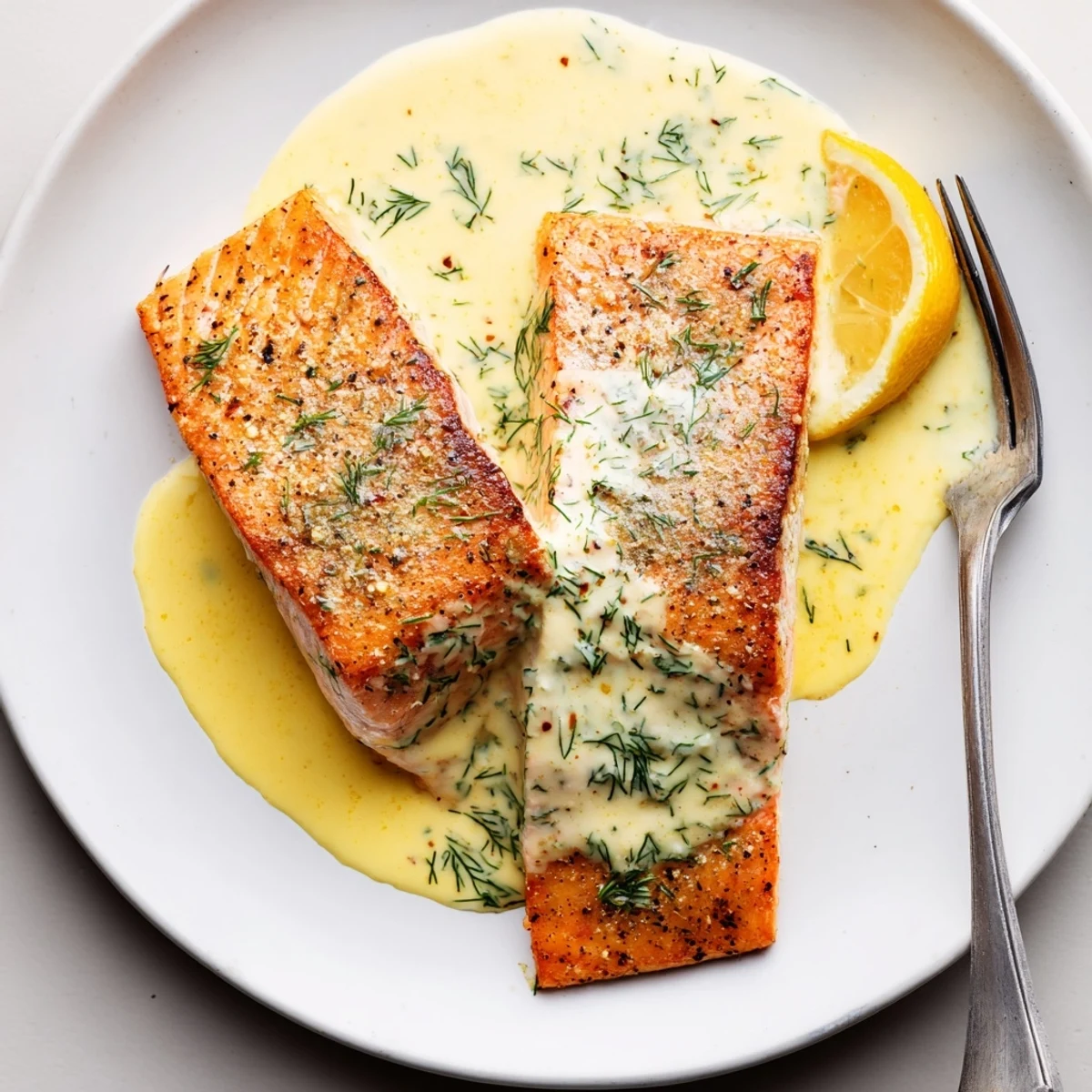
- Return the salmon to the pan and spoon the warm sauce over each fillet for one to two minutes just to heat everything through. Serve right away with extra herbs and lemon wedges on the side.
 Save to Pinterest
 There is something quietly powerful about a dish that makes people stop talking mid sentence and just eat. This salmon has done that at my table more than once.
What to Serve Alongside
Roasted baby potatoes with rosemary are my go-to because they soak up extra sauce like tiny delicious sponges. Steamed asparagus or a simple arugula salad with lemon vinaigrette also work beautifully and keep the meal feeling light.
Making It Your Own
A teaspoon of Dijon mustard swirled into the sauce at the end adds a tangy depth that pairs surprisingly well with the lemon. I discovered this by accident one evening and now I reach for the mustard jar almost every time.
A Few Last Thoughts
Keep your skillet at a moderate temperature once the cream goes in and resist the urge to crank it up to speed things along. Patience pays off here with a sauce that is silky instead of greasy or separated.
- Use a zester or microplane for the lemon so you get fine fragments of zest rather than chunky strips.
- A fish spatula makes flipping the fillets much easier if you happen to own one.
- Leftover sauce reheats gently over low heat with a splash of water or cream to bring it back to life.
 Save to Pinterest
 This is the kind of recipe that makes you look like you tried much harder than you actually did, and there is nothing wrong with that. Share it generously and keep the sauce recipe a little secret.
Recipe FAQs
- → How can I tell when the salmon is done?
-
Cook until the flesh flakes easily with a fork and is opaque through the thickest part. Aim for an internal temperature of about 125–130°F (52–54°C) for medium doneness; residual heat will continue to cook the fish after removing it from the pan.
- → Can I substitute the white wine?
-
Yes — use low-sodium fish or vegetable stock to deglaze if you prefer no wine. The stock will still lift browned bits and add depth; finish with lemon and cream to maintain brightness.
- → How do I thicken the lemon cream sauce?
-
Simmer the sauce gently until it reduces and coats the back of a spoon. For a faster thickening, whisk in a small slurry of cornstarch and water off the heat, then return to low heat to finish, or stir in a spoonful of Dijon mustard for body and flavor.
- → What herb works best if I don't have dill?
-
Flat-leaf parsley offers a fresh, herbaceous note that pairs well with lemon and cream. Tarragon or chives also complement salmon, though they produce a slightly different flavor profile.
- → How can I lighten the sauce without losing flavor?
-
Swap half the heavy cream for crème fraîche, half-and-half, or a mixture of Greek yogurt and a touch of warm stock. Reduce gently and taste for seasoning to preserve the bright lemon character.
- → What sides and wines pair well with this preparation?
-
Serve with steamed green vegetables, roasted potatoes, or a simple rice pilaf. For wine, choose a crisp white like Sauvignon Blanc or Pinot Grigio to complement the lemon and cut through the creaminess.