
 Save to Pinterest
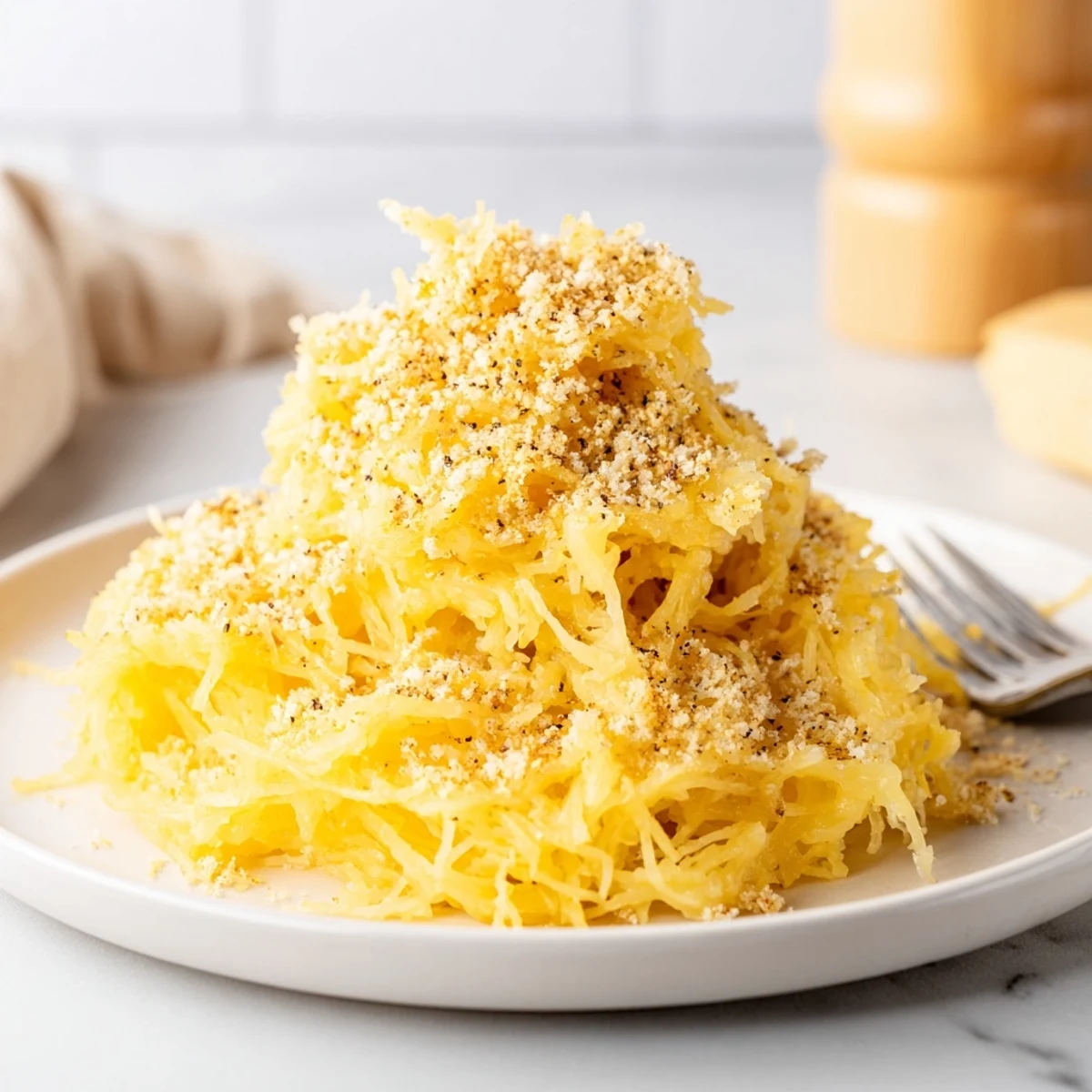
 Roast halved spaghetti squash cut-side down at 400°F until fork-tender (35–40 minutes). Make a quick sauce by whisking butter and flour, adding milk, then melting in sharp cheddar and Parmesan with garlic powder and ground mustard. Shred the squash into strands, toss with the sauce, transfer to a baking dish, top with panko and extra Parmesan, and broil briefly until golden. Serves 4.
The oven had been humming for about ten minutes before I realized I had forgotten to poke holes in the squash and it made the most alarming pop sound that sent the cat scrambling. That was my first encounter with spaghetti squash, and honestly it hooked me before I even tasted it. Something about dragging a fork through that golden flesh and watching it unravel into perfect strands felt like a trick I could not stop repeating. This mac and cheese spin grew out of a rainy Tuesday when boxed pasta was nowhere in the cupboard but squash was.
My neighbor Linda stopped by unannounced one October evening while I was pulling this out of the oven, and she stood in the kitchen doorway holding her coat and said it smelled like something her grandmother would have made if her grandmother had been cooler. We ate straight from the baking dish with two forks, no plates, and she called me the next day to ask if the recipe was complicated. It is not.
Ingredients
- 1 large spaghetti squash, about 2.5 to 3 pounds: This is the whole foundation, so pick one that feels heavy for its size and has a firm, unblemished skin. I learned the hard way that a tiny squash yields barely enough for two people once you scoop out the seeds.
- 2 tablespoons unsalted butter: You need real butter here because it forms the base of your roux and margarine will not give you that same silky texture.
- 2 tablespoons gluten-free all-purpose flour: Regular flour works too, but gluten-free keeps this friendly for more diets and you will not notice a difference in the sauce.
- 1 and 1/4 cups whole or 2% milk: Whole milk makes a richer sauce, but 2% works fine if that is what is in your fridge. Do not use skim or the sauce will be thin and sad.
- 1 cup shredded sharp cheddar cheese: Shred it yourself from a block because pre-shredded bags are coated in anti-caking powder that makes the sauce grainy.
- 1/2 cup grated Parmesan cheese: This adds a salty, nutty backbone that rounds everything out and keeps the sauce from tasting one-dimensional.
- 1/4 teaspoon garlic powder: Just a whisper is all you need, and it blends into the background without overpowering the cheese.
- 1/4 teaspoon ground mustard: This is the secret ingredient that makes cheese sauce taste like cheese sauce instead of melted cheese on milk.
- 1/4 teaspoon salt and 1/4 teaspoon black pepper: Season conservatively because the cheeses already bring a lot of salt to the party.
- 1/3 cup gluten-free panko breadcrumbs: Optional but highly recommended because that crunchy crown on top turns a side dish into a main event.
- 2 tablespoons grated Parmesan for topping: Mixed with the panko it creates a crust that you will find yourself picking at before the dish even makes it to the table.
- 1 tablespoon melted butter for topping: This binds the panko and Parmesan together and helps everything brown evenly under the broiler.
Instructions
- Get the oven ready:
- Preheat your oven to 400 degrees F and line a baking sheet with parchment paper. That crinkly paper under the squash saves you from scrubbing caramelized squash juice off the pan later.
- Split and clean the squash:
- Carefully halve the spaghetti squash lengthwise with a sharp knife, working slowly because these things can be stubborn and you do not want the knife to slip. Scoop out the seeds and stringy bits with a spoon until the inside is clean and smooth.
- Roast until tender:
- Place the halves cut-side down on your prepared sheet and slide them into the oven for 35 to 40 minutes. You will know they are done when you can press the outside and it yields, and the strands pull apart easily with a fork.
- Build the cheese sauce:
- In a medium saucepan, melt the butter over medium heat and whisk in the flour, stirring constantly for about a minute until it smells slightly toasty. Slowly pour in the milk while whisking to prevent lumps, then let it simmer and thicken for 2 to 3 minutes until it coats the back of a spoon.
- Melt the cheeses in:
- Take the saucepan off the heat and stir in the cheddar, Parmesan, garlic powder, ground mustard, salt, and pepper. Keep stirring until the cheese is completely melted and the sauce looks glossy and smooth, which should only take about a minute.
- Shred and combine:
- Run a fork through the roasted squash flesh to release all those long strands, then transfer them to a large bowl. Pour the warm cheese sauce over the strands and toss gently with tongs until every last string is coated.
- Broil with the topping:
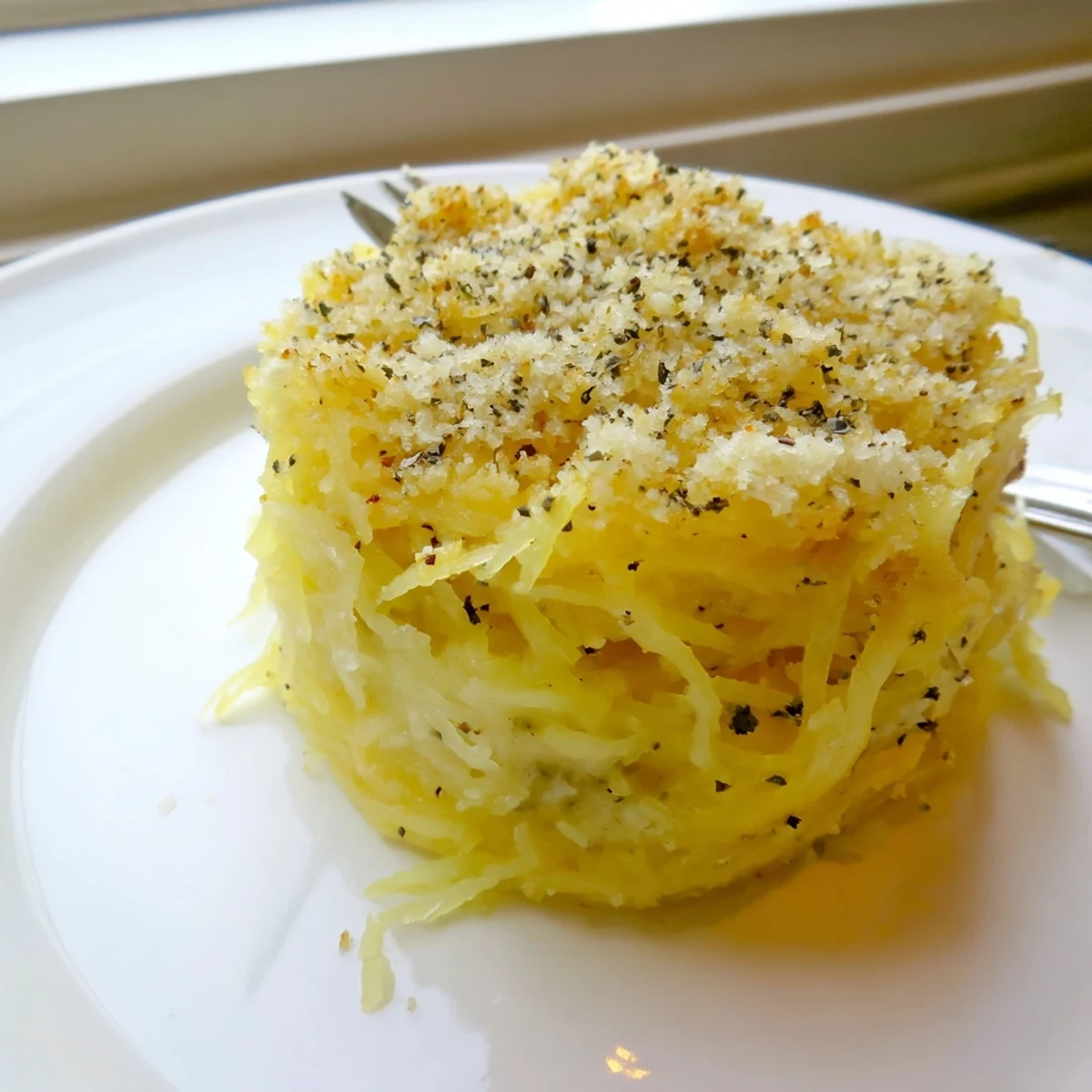
- If you want that golden finish, spread the coated squash in a greased baking dish and scatter the panko, Parmesan, and melted butter mixture over the top. Broil on high for 2 to 3 minutes, watching like a hawk because the line between beautifully browned and tragically burnt is razor thin.
- Serve it up:
- Dish it out warm with an extra shower of Parmesan or some snipped fresh herbs if you have them. It is best eaten immediately while the sauce is still velvety and the topping is still singing with crunch.
 Save to Pinterest
 There was a week last winter when I made this three times, each batch slightly different, and my partner finally asked if we could just commit to one version and stop experimenting. We did, and this is it.
Serving and Pairing Ideas
A glass of cold Sauvignon Blanc beside this dish on a weeknight feels almost suspiciously civilized for something that took under an hour. If wine is not your thing, sparkling water with a squeeze of lemon cuts through the richness nicely.
Making It Your Own
Once you have the base down, this recipe is remarkably forgiving. Fold in sauteed spinach or roasted broccoli and suddenly it is a completely different dinner, or swap half the cheddar for Gruyere if you want to feel fancy without any extra effort.
Storage and Reheating
Leftovers keep well in the refrigerator for up to three days, though the strands do soften a bit overnight which is perfectly fine for lunch the next day. Reheat gently in the oven or microwave, and avoid freezing because the texture of the squash strands gets watery and strange when thawed. Here are a few final things worth remembering before you start.
- Salt the squash halves lightly before roasting if you want a more seasoned base from the very beginning.
- A splash of hot sauce stirred into the cheese sauce is a revelation if you like a little heat.
- Always shred your own cheese because it truly does make a noticeable difference in how smoothly everything melts together.
 Save to Pinterest
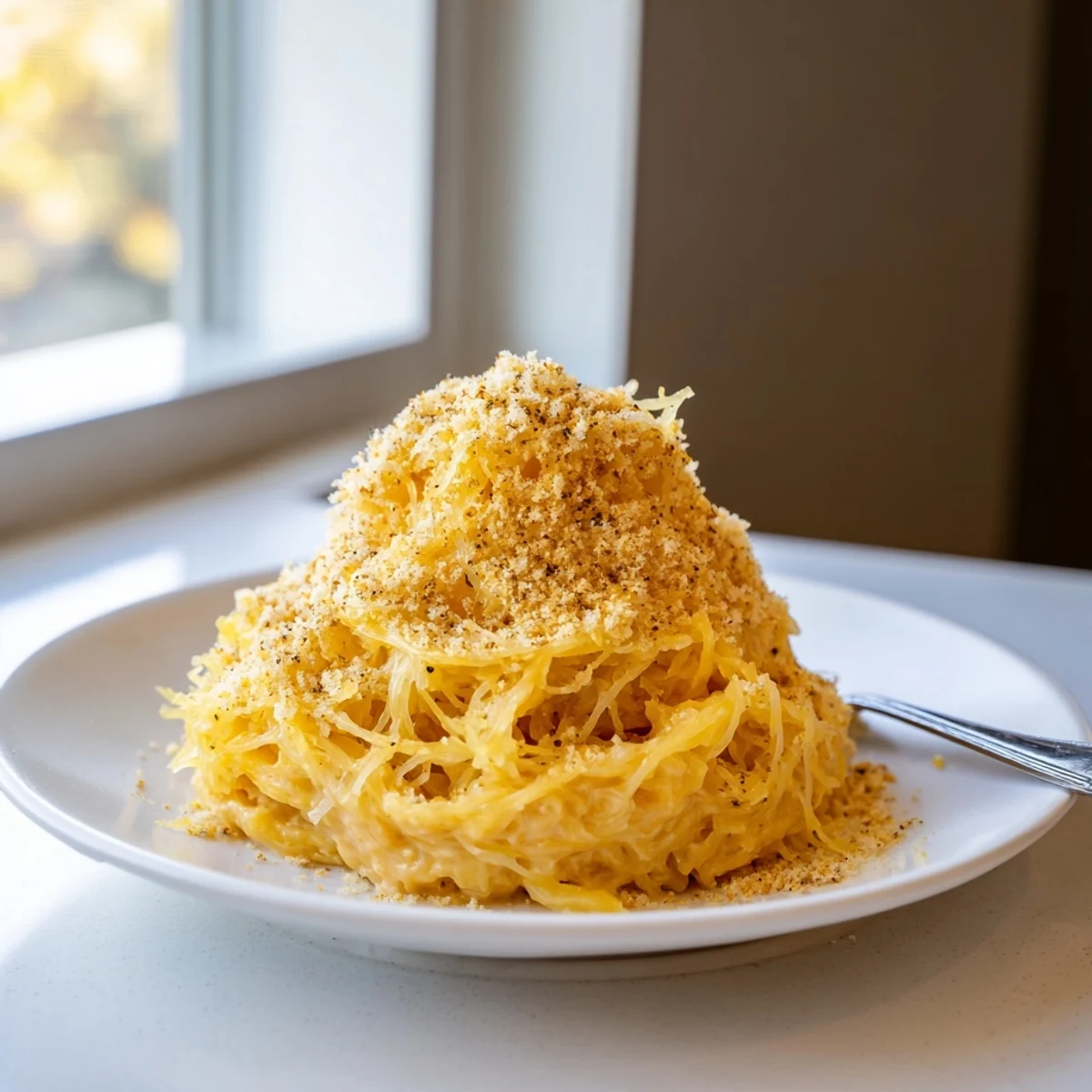
 Every time I scrape that last golden bit of topping from the edge of the dish, I am reminded that the best recipes are the ones that surprise you with how simple they actually are. Keep this one in your back pocket for the nights when comfort food calls but you want to feel good about answering.
Recipe FAQs
- → How do I choose a good spaghetti squash?
-
Pick a firm, heavy-for-size squash with matte, unblemished skin. Smaller squash tend to be sweeter and produce firmer, more distinct strands.
- → Can I make this gluten-free?
-
Yes. Use gluten-free all-purpose flour in the sauce and gluten-free panko for the topping, or skip the crumbs for a naturally gluten-free finish.
- → How can I prevent a watery cheese sauce?
-
Cook the roux (butter + flour) briefly before adding milk, simmer until thick, then remove from heat and add cheese to avoid separation. Let roasted strands drain briefly and pat excess moisture before tossing.
- → Is baking necessary or can I skip the oven step?
-
You can skip baking and serve after tossing strands with the sauce for a quick meal. For a crunchy top, transfer to a baking dish, add crumbs and cheese, then broil until golden.
- → What cheeses work well as alternatives?
-
Gruyère or fontina add nutty, melty richness; a sharper cheddar keeps tangy depth. A mix of cheddar and Parmesan balances melt and savory flavor.
- → How should leftovers be stored and reheated?
-
Cool and refrigerate in an airtight container for up to 3 days. Reheat gently in a 350°F oven until warmed through, or microwave in short bursts, stirring to distribute heat.