
 Save to Pinterest
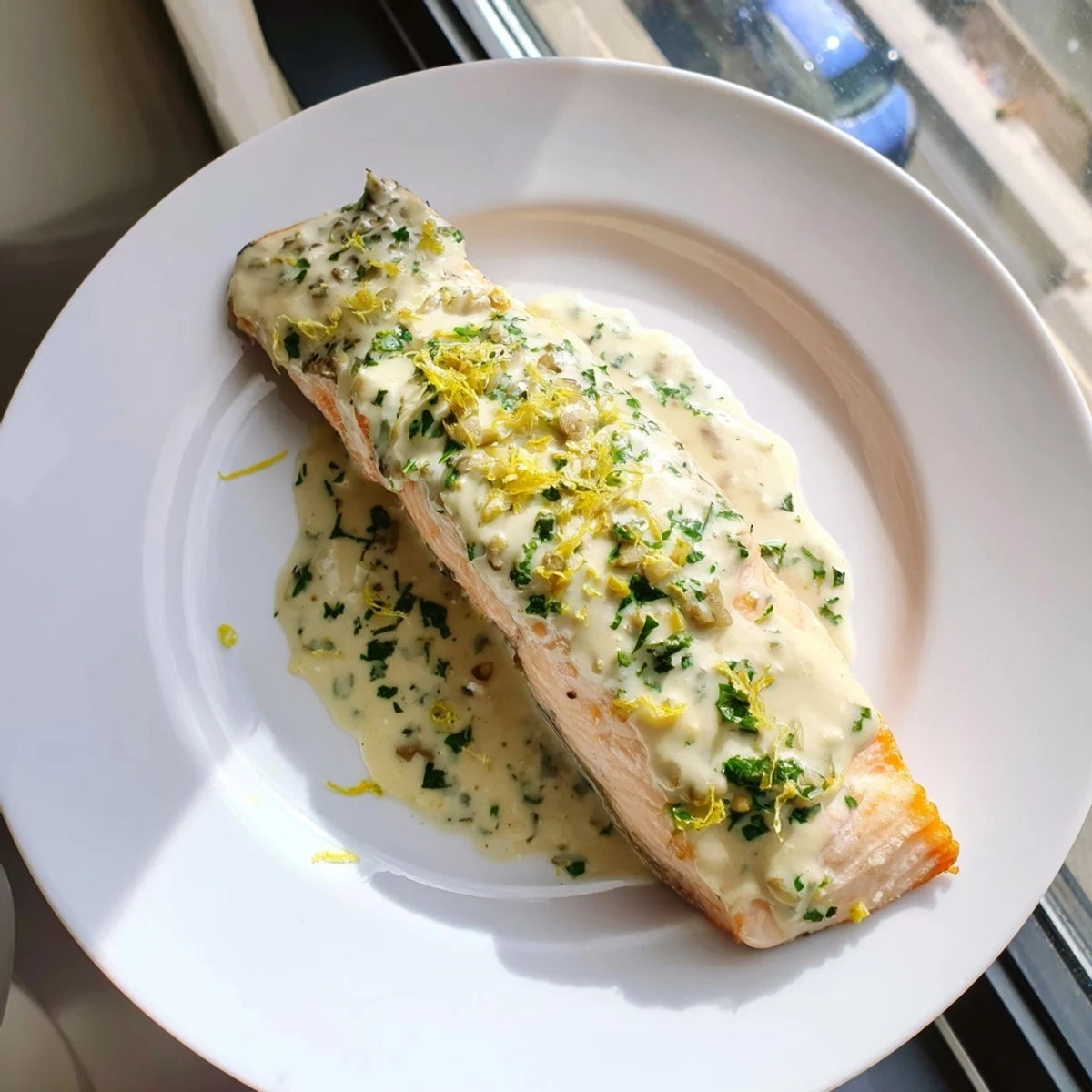
 Perfectly pan-seared salmon fillets achieve a golden exterior while remaining tender and flaky inside. The luxurious lemon cream sauce balances bright citrus notes with rich, velvety cream, enhanced by fragrant garlic and Dijon mustard. This elegant dish is surprisingly simple, requiring just one skillet and 30 minutes from start to finish.
The sauce develops its silky consistency through gentle simmering, allowing the heavy cream to reduce slightly while absorbing fresh lemon zest, juice, and aromatic parsley. Serve alongside steamed vegetables, creamy mashed potatoes, or fluffy rice for a complete meal that transforms any ordinary weeknight into something special.
The sizzle of salmon hitting a hot pan is one of those kitchen sounds that makes everyone in the house suddenly appear at the doorway, asking what is for dinner. My neighbor walked in one Tuesday evening carrying a bottle of Sauvignon Blanc right as I was reducing the lemon cream sauce, and she ended up staying for dinner. That spontaneous evening turned this into the dish I reach for whenever I want something effortless but impressive.
I once made this for my cousin who swore she hated salmon, and she scraped the last of the sauce off her plate with a piece of bread. That cream sauce has a way of winning over even the most stubborn skeptics at the table.
Ingredients
- 4 skinless salmon fillets (about 170 g each): Try to buy fillets of similar thickness so they cook evenly, and always let them come to room temperature for about ten minutes before searing.
- 2 tablespoons butter: Unsalted butter gives you full control over the seasoning in your sauce.
- 2 cloves garlic, minced: Fresh garlic makes a real difference here since the sauce is so simple and every flavor counts.
- 1 cup heavy cream: This is the luscious backbone of the sauce, and you can swap half and half if you want something a touch lighter.
- Zest of 1 lemon: Use a microplane and zest only the bright yellow part, avoiding the bitter white pith underneath.
- 2 tablespoons fresh lemon juice: Freshly squeezed is nonnegotiable since bottled juice tastes flat and metallic in this delicate sauce.
- 1 teaspoon Dijon mustard: This tiny addition adds an invisible layer of depth that makes people wonder what your secret is.
- 2 tablespoons fresh parsley, chopped: Flat leaf parsley has a cleaner, brighter flavor than the curly variety.
- Salt and freshly ground black pepper: Season in layers throughout cooking rather than all at once at the end.
- 1 tablespoon olive oil: A neutral oil works too, but olive oil adds a subtle fruitiness that complements the fish beautifully.
Instructions
- Dry and season the salmon:
- Pat each fillet thoroughly with paper towels until the surface is completely dry, then season both sides generously with salt and pepper so every bite is flavorful.
- Sear the fillets:
- Heat olive oil in a large nonstick skillet over medium high heat until it shimmers, then lay the salmon in gently and let it cook undisturbed for four to five minutes until a golden crust forms before flipping.
- Build the sauce base:
- Remove the salmon and keep it warm on a plate, then reduce the heat to medium and melt the butter in the same skillet, sauteing the garlic for about one minute until your kitchen smells incredible.
- Create the lemon cream:
- Pour in the heavy cream and bring it to a gentle simmer, then stir in the lemon zest, lemon juice, and Dijon mustard, letting it bubble softly for three to four minutes until it coats the back of a spoon.
- Finish with herbs and season:
- Stir in the chopped parsley and taste the sauce, adjusting with salt and pepper until the balance of richness and brightness feels exactly right to you.
- Bring it all together:
- Nestle the salmon fillets back into the skillet and spoon the bubbling sauce over the top, letting everything simmer together for two to three minutes so the fish absorbs those beautiful flavors.
- Serve and enjoy:
- Transfer to warm plates immediately, spooning extra sauce from the pan over each fillet and garnishing with a little more parsley or thin lemon slices if you are feeling fancy.
 Save to Pinterest
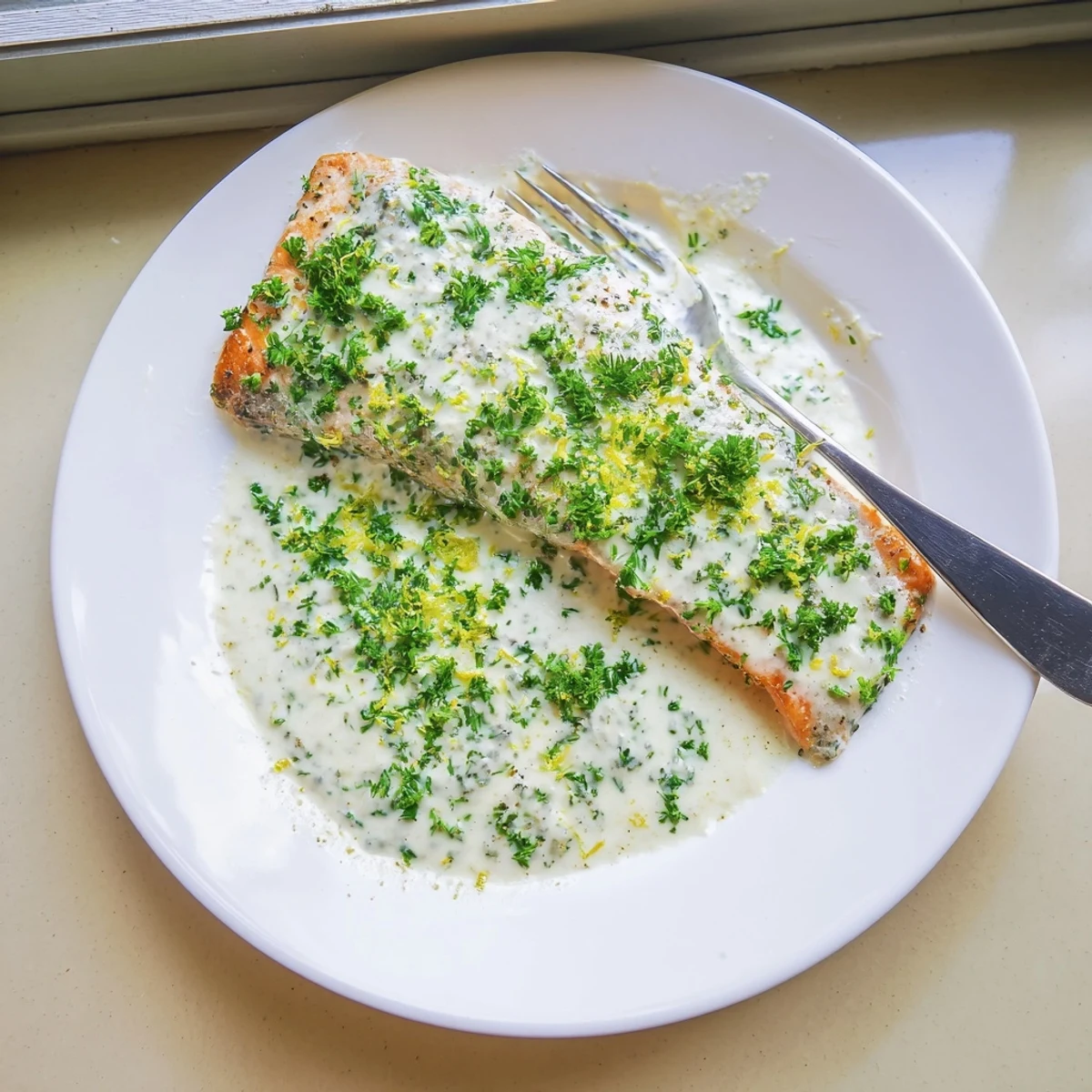
 There is something deeply satisfying about sliding a perfectly seared piece of salmon onto a plate and drizzling that golden sauce over the top while everyone watches. It is the kind of dish that turns an ordinary Tuesday into a small, delicious event worth savoring.
What to Serve Alongside
Mashed potatoes are my go-to because they soak up every last drop of that lemon cream sauce like a dream. Steamed green beans or roasted asparagus add a fresh crunch that balances the richness beautifully, and a simple pile of rice works wonders too.
A Word on Wine Pairing
A crisp Sauvignon Blanc is the classic match for a reason since its grassy acidity cuts right through the creamy sauce and echoes the lemon. If you prefer red, a light Pinot Noir will not overpower the fish, though white truly shines here.
Storing and Reheating Leftovers
Leftovers keep well in the refrigerator for up to two days, though the sauce may thicken considerably when cold. Reheat gently in a skillet over low heat with a splash of cream or water to bring the sauce back to life, and never use a microwave on high or the salmon will turn rubbery.
- Store the salmon and sauce together in an airtight container so the fish stays moist.
- Avoid freezing since the cream sauce can separate and become grainy when thawed.
- Taste and reseason with a squeeze of lemon after reheating since flavors tend to mellow overnight.
 Save to Pinterest
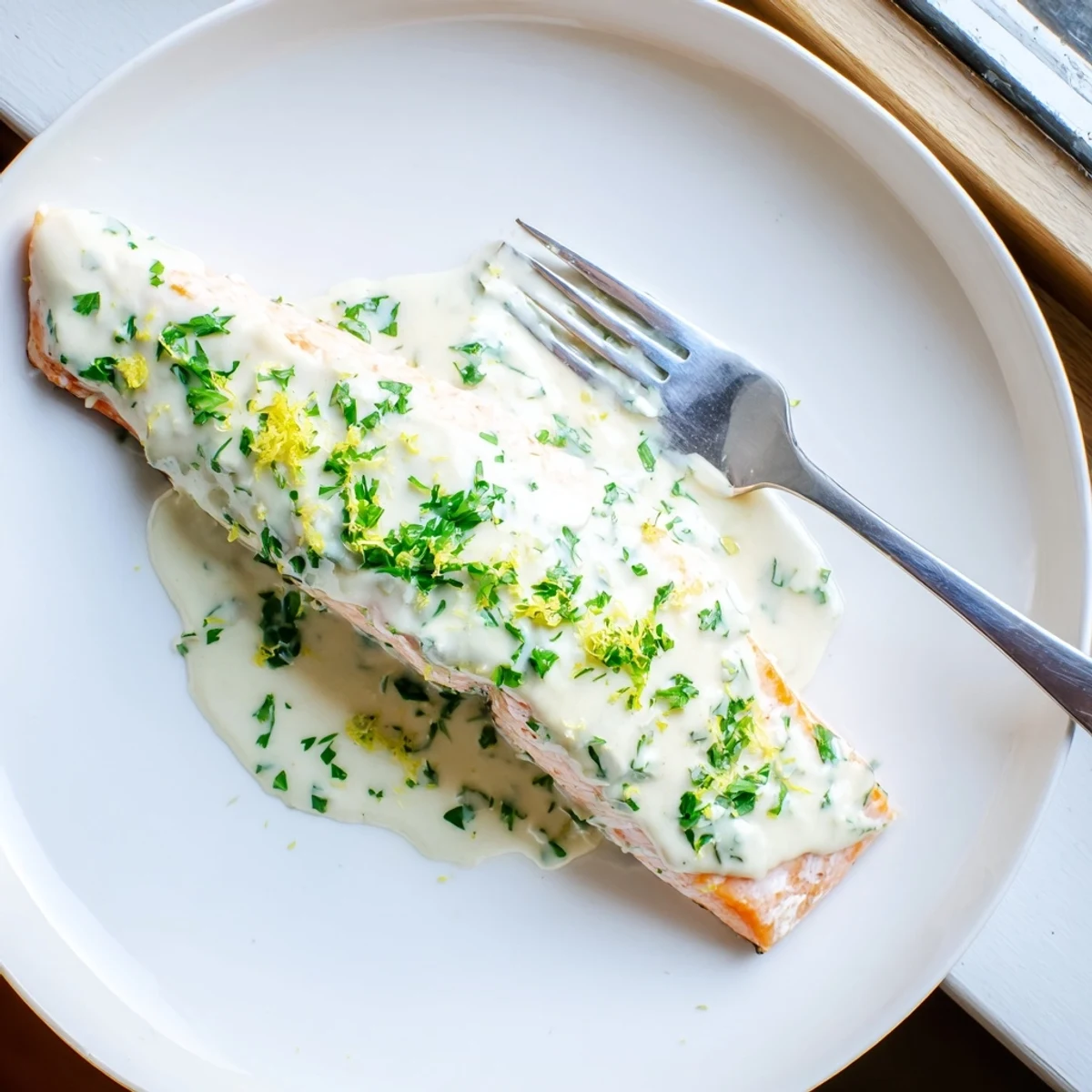
 This is the recipe that reminds me that elegance does not require complexity, just good ingredients and a little confidence. Make it once and it will live in your back pocket forever.
Recipe FAQs
- → How do I know when the salmon is done?
-
The salmon is perfectly cooked when it flakes easily with a fork and reaches an internal temperature of 145°F (63°C). The flesh should appear opaque throughout but still remain moist and tender.
- → Can I use salmon with skin?
-
Absolutely. Cook the salmon skin-side down first for 4-5 minutes to achieve a crispy skin, then flip carefully. The skin adds delightful texture and helps keep the fillet moist during cooking.
- → What can I substitute for heavy cream?
-
Half-and-half creates a lighter sauce with slightly less body. For a dairy-free option, coconut cream works beautifully, though it will impart a subtle coconut flavor to the finished dish.
- → How do I prevent the cream sauce from curdling?
-
Keep the heat at medium or lower once you add the cream. High heat can cause dairy to separate. Stir gently but consistently and avoid bringing the sauce to a rolling boil.
- → Can I make this dish ahead of time?
-
The salmon is best enjoyed immediately while hot and crispy. However, you can prepare the lemon cream sauce up to 2 days in advance and gently reheat it while cooking fresh salmon fillets.
- → What sides pair well with this salmon?
-
Steamed asparagus, roasted Brussels sprouts, or sautéed spinach complement the rich sauce. For starches, try garlic mashed potatoes, wild rice, or crusty bread to soak up extra sauce.